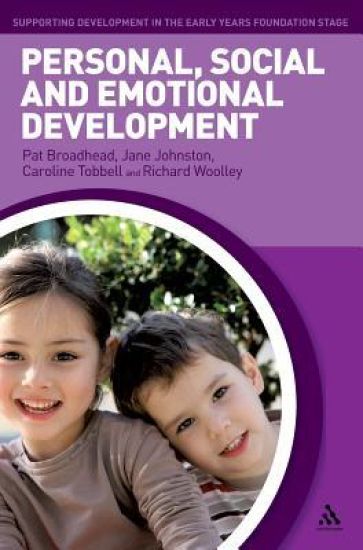
This is a complete guide to supporting personal, social and emotional development in the Early Years Foundation Stage (EYFS), promoting a holistic approach and sharing good practice. "Personal, Social and Emotional Development" introduces this area of the Early Years Foundation Stage (EYFS) to trainee and qualified early years professionals. The personal, social and emotional development of children aged between 0-5 years is introduced within the context of the EYFS. A balanced approach to the Early Learning Goals is encouraged ensuring that key principles of good early years practice are maintained and developed, and the holistic development of the child is promoted. This user-friendly guide will support early years professionals to: reflect on current practice and develop skills; evaluate the implications of research for early years practice and provision; promote interdisciplinary teamwork between those who work with and support young children; meet the diverse needs of children at different developmental stages and ages; and, support children as they move within and beyond the EYFS. This series introduces each of the six areas of the Early Years Foundation Stage (EYFS): Personal, Social and Emotional Development; Language, Literacy and Communication; Problem Solving, Reasoning and Numeracy; Knowledge and Understanding of the World; Creative Development; and, Physical Development. Each book delivers accessible yet rigorous support for practitioners, whether training or qualified, in developing their professional understanding and practice in each of these Early Learning Goals. Whilst considering each area in turn, the aim throughout the series is to promote the holistic development of the child. Each volume includes: an introduction to the key area; consideration of the development of children in the key area from birth to 3 years; 3 to 5 years; and into 5 to 7 years; consideration of the holistic development of the child and the impact of that development on the key area being discussed; research evidence to support practice; practical examples of good practice; discussions on leadership in the key area; and, support in the development of pedagogical skills and reflective professional practice. In line with the aims of the EYFS, this series will help you in meeting the challenges that come with supporting the different needs of children, working in multi-professional partnerships, balancing the different areas of development, and supporting transitions within and beyond the EYFS.

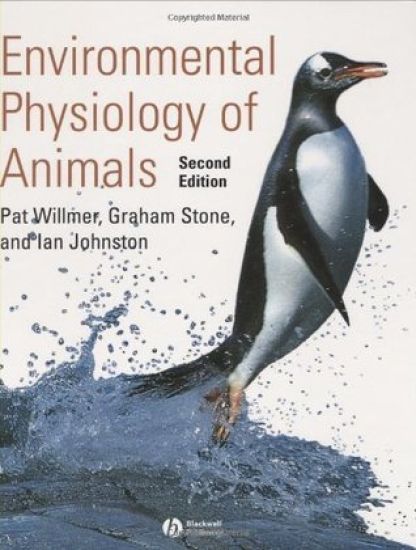
The new and updated edition of this accessible text provides a comprehensive overview of the comparative physiology of animals within an environmental context. Includes two brand new chapters on Nerves and Muscles and the Endocrine System.Discusses both comparative systems physiology and environmental physiology.Analyses and integrates problems and adaptations for each kind of environment: marine, seashore and estuary, freshwater, terrestrial and parasitic.Examines mechanisms and responses beyond physiology.Applies an evolutionary perspective to the analysis of environmental adaptation.Provides modern molecular biology insights into the mechanistic basis of adaptation, and takes the level of analysis beyond the cell to the membrane, enzyme and gene.Incorporates more varied material from a wide range of animal types, with less of a focus purely on terrestrial reptiles, birds and mammals and rather more about the spectacularly successful strategies of invertebrates. A companion site for this book with artwork for downloading is available at: www.blackwellpublishing.com/willmer/
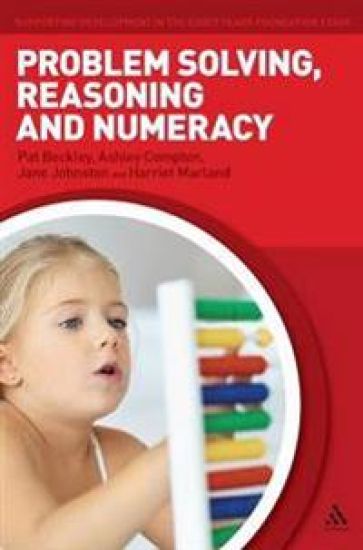
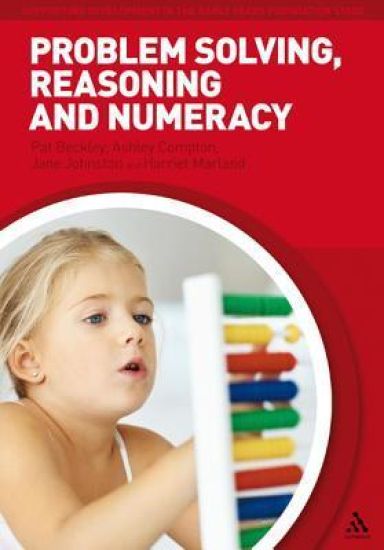
This is a complete guide to supporting problem solving, reasoning and numeracy in the Early Years Foundation Stage (EYFS), promoting a holistic approach and exploring good practice. "Problem Solving, Reasoning and Numeracy" introduces this area of the Early Years Foundation Stage (EYFS) to trainee and qualified early years professionals. This area of learning and development, problem solving, reasoning and numeracy, is introduced within the context of the development of children aged between 0-5 years in the Early Years Foundation Stage (EYFS). A balanced approach to the Early Learning Goals is encouraged ensuring that key principles of good early years practice are maintained and developed, and the holistic development of the child is promoted. This user-friendly guide will support early years professionals to: reflect on current practice and develop skills; evaluate the implications of research for early years practice and provision; promote interdisciplinary teamwork between those who work with and support young children; meet the diverse needs of children at different developmental stages and ages; and support children as they move within and beyond the EYFS. This series introduces each of the six areas of the Early Years Foundation Stage (EYFS): Personal, Social and Emotional Development; Language, Literacy and Communication; Problem Solving, Reasoning and Numeracy; Knowledge and Understanding of the World; Creative Development; and Physical Development. Each book delivers accessible yet rigorous support for practitioners, whether training or qualified, in developing their professional understanding and practice in each of these Early Learning Goals. Whilst considering each area in turn, the aim throughout the series is to promote the holistic development of the child. Each volume includes: an introduction to the key area; consideration of the development of children in the key area from birth to 3 years; 3 to 5 years; and into 5 to 7 years; consideration of the holistic development of the child and the impact of that development on the key area being discussed; research evidence to support practice; practical examples of good practice; discussions on leadership in the key area; and support in the development of pedagogical skills and reflective professional practice. In line with the aims of the EYFS, this series will help you in meeting the challenges that come with supporting the different needs of children, working in multi-professional partnerships, balancing the different areas of development, and supporting transitions within and beyond the EYFS.
There are over 15,000 superintendents leading school districts across the United States today. Yet, despite the high visibility and prestige of the position, what superintendents actually do, on a day-to-day basis, remains mysterious to the layman and even to those in the profession. This book, authored by eight California superintendents, is a narrative telling their stories_from the professional side as well as the personal. It traces their beginnings as teachers, follows their moves into administration, and looks at the skills that they use to communicate, analyze, and succeed.
Stan and Pam are dinosaurs who are overjoyed when they are given a pet rat called Pat. However, when Pat goes missing, Stan and Pam look everywhere and end up enlisting the help of some friends to find her. This fun story is written by Honor Head and illustrated by Julian Mosedale. Red A/Band 2A books offer predictable text with familiar objects and actions, combined with simple story development.Text type: A simple story with a familiar settingPages 14–15 provide an opportunity for children to recap the story.Curriculum links: Personal, Social and Emotional Development; P.S.H.E.This book has been quizzed for Accelerated Reader.
Collins Big Cat Phonics for Letters and Sounds features exciting fiction and non-fiction decodable readers to enthuse and inspire children. They are fully aligned to Letters and Sounds Phases 1–6 and contain notes in the back. The Handbooks provide support in demonstration and modelling, monitoring comprehension and expanding vocabulary. Take a trip to the petting farm and explore all the exciting activities you can do there, from meeting the animals to riding in a tractor, in this simple fiction story. Chant and Chatter books are written especially for the Big Cat Phonics for Letters and Sounds series at Book Band Pink. The narratives and non-fiction texts are formed through three short, rhythmic chants, allowing the demonstration and modelling of fluent reading and supporting children in learning Phase 1 of Letters and Sounds. The sounds in this book are: /s/ /a/ /t/ /p/ /i/ /n/ Pages 14 and 15 contain an “I Spy” feature with a specific phoneme focus, which uses visual support to help children embed phonic knowledge. Reading notes within the book provide practical support for reading Big Cat Phonics for Letters and Sounds with children, including a list of all the sounds and words that the book will cover.
Collins Big Cat Phonics for Letters and Sounds features exciting fiction and non-fiction decodable readers to enthuse and inspire children. They are fully aligned to Letters and Sounds Phases 1–6 and contain notes in the back. The Handbooks provide support in demonstration and modelling, monitoring comprehension and expanding vocabulary. Join two boys as they make mud pies in their mud kitchen! This non-fiction book was written by Catherine Baker. Pink A/Band 1A offers emergent readers very simple, highly predictable texts and provides direct support through illustrations. The focus sounds in this book are: /s/ /a/ /t/ /p/ /i/ /n/ Pages 14 and 15 contain a fun “I Spy” Letters and Sounds activity, which uses visual support to help children embed phonic knowledge. Reading notes within the book provide practical support for reading Big Cat Phonics for Letters and Sounds with children, including a list of all the sounds and words that the book will cover.
Big Cat Phonics for Little Wandle Letters and Sounds Revised has been developed in collaboration with Wandle Learning Trust and Little Sutton Primary School. It comprises classroom resources to support the SSP programme and a range of phonic readers that together provide a consistent and highly effective approach to teaching phonics. Take a trip to the petting farm and explore all the exciting activities you can do there, from meeting the animals to riding in a tractor, in this simple fiction story. Pages 14 and 15 contain an “I Spy” feature with a specific phoneme focus, which uses visual support to help children embed phonic knowledge. Reading notes within the book provide practical support for reading with children, including a list of all the sounds and words that the book will cover.
Big Cat Phonics for Little Wandle Letters and Sounds Revised has been developed in collaboration with Wandle Learning Trust and Little Sutton Primary School. It comprises classroom resources to support the SSP programme and a range of phonic readers that together provide a consistent and highly effective approach to teaching phonics. Join two boys as they make mud pies in their mud kitchen! This non-fiction book was written by Catherine Baker. Pages 14 and 15 contain a fun “I Spy” Letters and Sounds activity, which uses visual support to help children embed phonic knowledge. Reading notes within the book provide practical support for reading with children, including a list of all the sounds and words that the book will cover.
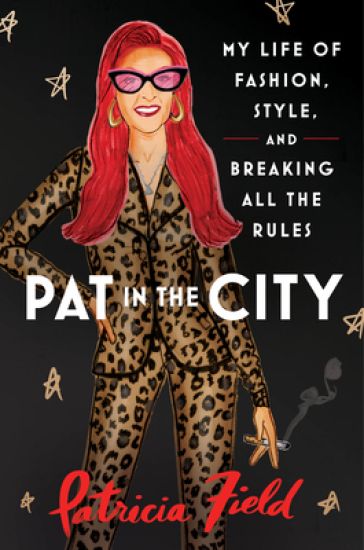
From the iconic stylist and fashion provocateur whose designs transformed culture â?? bringing the glitz of Studio 54 and the sophistication of Sex and the City to the mainstream â?? comes a playful yet intimate memoir of a life spent challenging conventions.
Big Cat Phonics for Little Wandle Letters and Sounds Revised has been developed in collaboration with Wandle Learning Trust and Little Sutton Primary School. It comprises classroom resources to support the SSP programme and a range of phonic readers that together provide a consistent and highly effective approach to teaching phonics. See cute puppies and kittens at home! Which pet is your favourite?