

Kirjahaku
Etsi kirjoja tekijän nimen, kirjan nimen tai ISBN:n perusteella.
1000 tulosta hakusanalla Reena Kumarasingham


A former changeling must return to the land of the Fae in this delightful debut packed full of wit, charm, adventure and heart, with a dash of magical bureaucracy and a sprinkling of romance. When Poppy Hill was a child she was stolen from her family's Montana homestead and taken 'Otherside' to the land of the fae, where she spent more than a century as a cook in the Wild King's castle. Now back in the human world, she works for a company that brokers fairy bargains, looking for loopholes in their contracts.But when a bargain that Poppy is negotiating goes disastrously wrong she has to return to the world she grew up in to try to rectify her mistake, facing danger, intrigue and a pesky ex-boyfriend along the way.'Unforgettable and utterly addictive' Lyra Selene, author of A Feather so Black'The Tricky Business of Faerie Bargains snatches you away into a world of enchanted contracts, faerie intrigue and French toast that you'll never want to come back from'Molly O'Neill, author of Greenteeth'The Tricky Business of Faerie Bargains is a brilliant, tongue-in-cheek weaving of folklore and the hell of modern bureaucracy, combined with a twisty adventure and a dash of romance . . . A book that I was reluctant to close at the end. McCarty is a talent!'Brigitte Kightley, author of The Irresistible Urge to Fall for Your Enemy

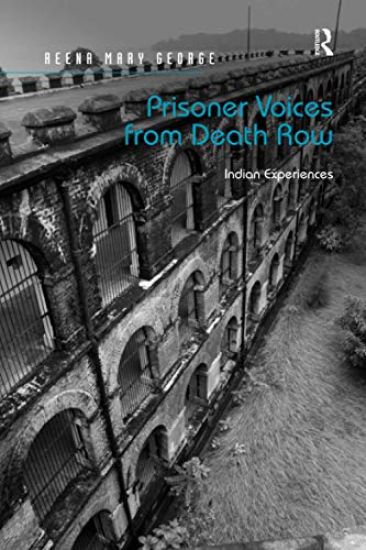
Death penalty has produced endless discourses not only in the context of prisons, prisoners and punishment but also in various legal aspects concerning the validity of death penalty, the right to life, and torture. Death penalty is embedded in Indian law, however very little is known about the people who are on death row barring a few media reports on them. The main objective of this book is to enquire whether the dignity of prisoners is upheld while they confront the criminal justice system and whilst surviving on death row. Additionally, it explores the lived-experiences and perceptions of prisoners on death row as they create meaning out of their world. With this rationale, 111 prisoners on death row in India and some of their family members were interviewed. The theoretical underpinnings of phenomenology and symbolic interactionism coupled with data analysis lead to an understanding of the prisoners on death row with special reference to their demographic profile and the impact of death sentence on their families. George’s research highlights three salient features, namely: poverty, social exclusion and marginalisation are antecedent to death penalty; death penalty is a constructed account by the state machinery; and prisoners on death row situate dignity higher in the juxtaposition of death and dignity.

James Merrill: Knowing Innocence reevaluates the achievement of this important poet by showing how he takes up an old paradigm – innocence – and reinvents it in response to new historical, scientific, and cultural developments including the bomb, contemporary cosmology, and the question of agency. The book covers Merrill’s full career, emphasizing the late poetry, on which there remains little commentary. Illuminating both Merrill’s relation to a tradition of literary innocence from Milton to Blake and Wordsworth to Emerson and Stevens, and his relevance to contemporary cultural debates, the rubric of "knowing innocence" helps us to understand his achievement. Merrill undertakes a career-long effort to know innocence, and develops a thematic and stylistic attitude that is both innocent and knowing, combining attitudes of wonder and hope with reflexive wit, intellectual breadth, and an unflinching gaze at mortality. He ultimately imagines innocence as creative agency, a capacity for imagination, invention, and ethical responsibility. The book demonstrates how, addressing questions of sexual identity, childhood and memory; atomic science, the big bang, and black holes; environmental degradation; AIDS; and the notion of the death of history – while honoring poetry’s essential qualities of freedom and play – his poems perform cultural work crucial to his time and ours.
"Housing Higher Consciousness - Vibrate to 360 Senses" takes its readers on a journey of the unfolding layers of consciousness. Although referred to as a "nanoscopic compilation of consciousness" by the author, this book awakens thoughts of mysticism surrounding Nature, Earth, and celestial bodies. "The soul-print is the activation portal to the primordial sound. The soul can beam the depth of where Shiva's drum resonated its first reverberations. This is the primordial sound of the Universe that is known as "OHM". While the celestial bodies vibrated into existence, Shiva awakened in conscious awareness." Excerpt From: R.N.K. "Housing Higher Consciousness - Vibrate to 360 Senses."
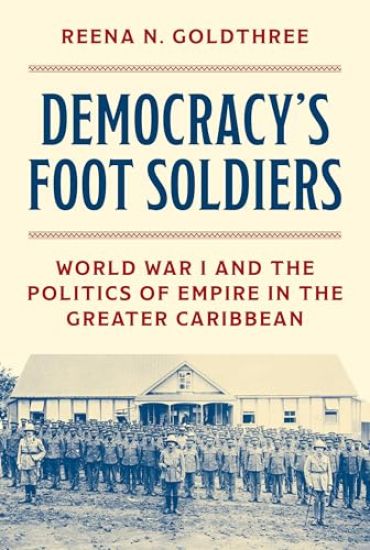
A captivating history of the Afro-Caribbean soldiers who fought for the British Empire in World War I and their transnational campaign for equalityFollowing the outbreak of World War I, tens of thousands of men from the British Caribbean volunteered as soldiers to fight on behalf of the British Empire. Despite living far from the bloody battlefields of Europe, these men enlisted for a variety of reasons—to affirm their masculine honor, pursue economic mobility, or enhance their standing as colonial subjects. Democracy’s Foot Soldiers offers a sweeping account of the British West Indies Regiment, the military unit established in 1915 for Caribbean volunteers, documenting their service during the war and their dramatic battles for racial equality and fair treatment in the armed forces and on the home front.Drawing on previously overlooked archival sources in the Caribbean, England, and United States, Reena Goldthree demonstrates how wartime military mobilization spurred heightened demands for social, economic, and political reform in the colonial Caribbean. She recovers the forgotten contributions of Afro-Caribbean troops during the war, following their harrowing journeys to military camps in Europe, Africa, and the Middle East. Goldthree chronicles how, after the war, soldiers, their families, and their civilian allies launched their own “war for democracy,” strategically using the rhetoric of imperial patriotism—rather than the more militant language of anticolonial nationalism—to fight for respect and equality.Democracy’s Foot Soldiers places these soldiers at the forefront of popular struggles over race, labor, and economic justice in the early twentieth-century Caribbean, showing that the war years were a crucial period of political ferment and mass mobilization in the region.
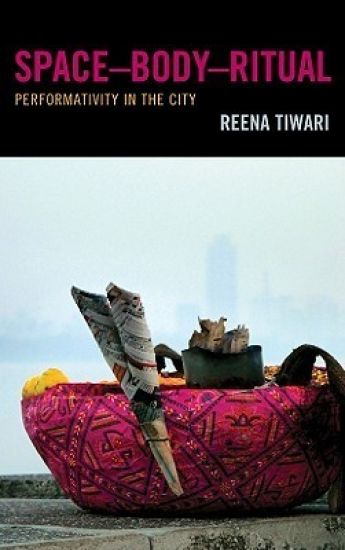
Set against the contemporary thinking of the city as a spectacle, Space–Body–Ritual: Performativity in the City establishes everyday life in the city as a ground for authentic experience. Reena Tiwari emphasizes the city as a space of lived experience-an intricately layered space giving people a poetic experience, responding to their memories and desires. She also explores the conflict between two ideas: the idea of thee 'city as text' to be read and understood from a distance, and the 'city as body,' where the body, after writing the text through its performance, achieves the capacity to read and understand it. Space–Body–Ritual demonstrates that the abstract 'seeing' embedded in the 'city as a text' is underwritten by the idea of power operating at deeper levels in the city. This hidden power is the power of the user's body in space. Furthermore, Tiwari proposes that an understanding of the 'city as body' through lived experience-through rhythmanalysis, where rhythms of everyday and extra everyday practices are understood-leads to the design of an environment that is evocative and is able to generate a bodily response from the user. To understand the rhythms, it becomes essential to know the way users inhabit, understand and map or present the city spaces by their bodies. Space–Body–Ritual will compel its readership to think of the parameters of spatial design as cultural generator.
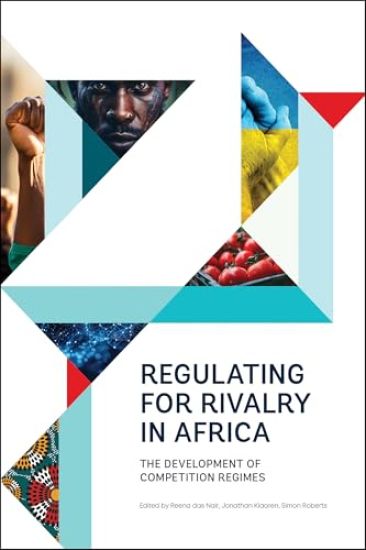
Regulating for Rivalry in Africa
Reena (EDT) Das Nair; Jonathan (EDT) Klarren; Simon (EDT) Roberts
Human Sciences Research Council
2025
pokkari
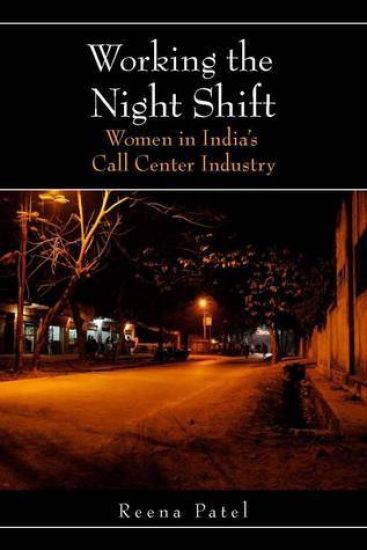
Relatively high wages and the opportunity to be part of an upscale, globalized work environment draw many in India to the call center industry. At the same time, night shift employment presents women, in particular, with new challenges alongside the opportunities. This book explores how beliefs about what constitutes "women's work" are evolving in response to globalization. Working the Night Shift is the first in-depth study of the transnational call center industry that is written from the point of view of women workers. It uncovers how call center employment affects their lives, mainly as it relates to the anxiety that Indian families and Indian society have towards women going out at night, earning a good salary, and being exposed to western culture. This timely account illustrates the ironic and, at times, unsettling experiences of women who enter the spaces and places made accessible through call center work. Visit the author's website at http://www.working-the-nightshift.com and Facebook group at www.facebook.com/WorkingtheNightShift.
Relatively high wages and the opportunity to be part of an upscale, globalized work environment draw many in India to the call center industry. At the same time, night shift employment presents women, in particular, with new challenges alongside the opportunities. This book explores how beliefs about what constitutes "women's work" are evolving in response to globalization. Working the Night Shift is the first in-depth study of the transnational call center industry that is written from the point of view of women workers. It uncovers how call center employment affects their lives, mainly as it relates to the anxiety that Indian families and Indian society have towards women going out at night, earning a good salary, and being exposed to western culture. This timely account illustrates the ironic and, at times, unsettling experiences of women who enter the spaces and places made accessible through call center work. Visit the author's website at http://www.working-the-nightshift.com and Facebook group at www.facebook.com/WorkingtheNightShift.
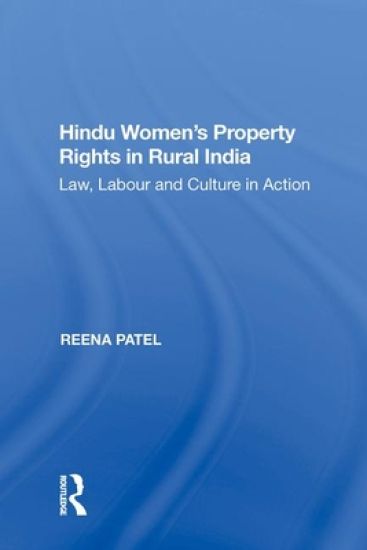
Hindu women in India have independent right of ownership to property under the Law of Succession (The Hindu Succession Act, 1956). However, during the last five decades of its operation not many women have exercised their rights under the enactment. This volume addresses the issue of Hindu peasant women's ability to effectuate the statutory rights to succession and assert ownership of their share in family land. The work combines a critical evaluation of law with economic analyses into allocation of resources within the family as a means of addressing gender relations and explaining resulting gender inequalities.

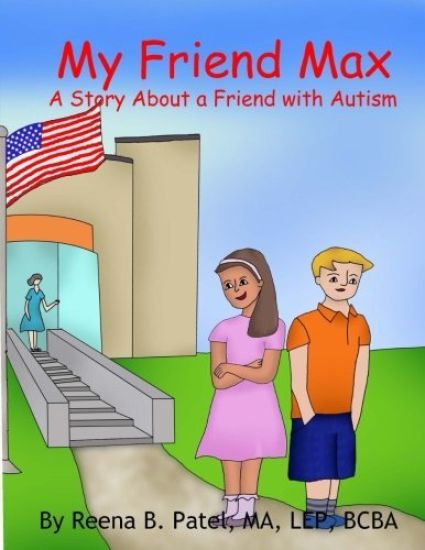
A Story About a Friend with Autism. This book acts as a guide for parents as well as educators on how children can create bonds with individuals with Autism. A great book for at home or in the classroom. An inclusion story.
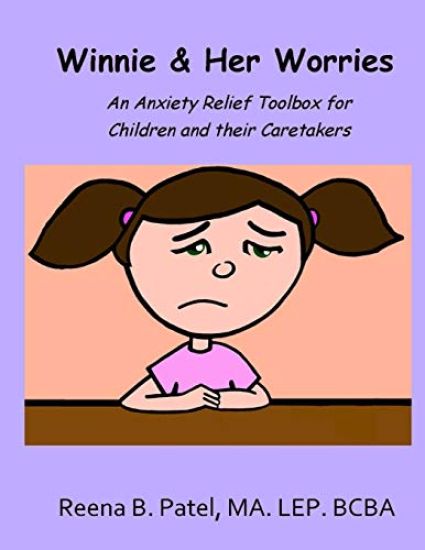
In this easy to understand story and guide, Reena B. Patel, MA, LEP, BCBA, expertly provides parents, teachers and children with concrete and proper tools necessary to help kids understand and control the worries they possess.

This book outlines 75 years of robust and multi-dimensional diplomatic relations between two democracies – India and the Philippines. Through nine chapters, penned by relying mainly on primary documents, published works, and consultations with experts and practitioners, this book takes the reader beyond historical, civilisational, political and economic synergies to locate the partnership and its potential in both bilateral and multilateral areas.This volume responds to questions such as: What explains the need to strengthen India-Philippines partnership undergirded by their historical, diasporic and cultural affinities? How have both New Delhi and Manila reassessed their economic and strategic visions in the context of the transforming Indo-Pacific discourses? Given that defence cooperation has been the hallmark of trust building, how has this been reflected in their shared visions for regional security, peace and prosperity? Finally, what are the key sectors and catalysts for forging closer cooperation for the next 25 years of India-Philippines diplomatic relations?Print edition not for sale in South Asia (India, Sri Lanka, Nepal, Bangladesh, Pakistan and Bhutan)

This volume emerges from the author’s extensive professional journey spanning over two decades, drawing from her work in behavioral sciences, training, and applied psychology. Rooted in research and fieldwork within Indian correctional institutions, it brings together internationally validated psychological assessments adapted for forensic populations, biopsychosocial evaluations, and qualitative and quantitative methodologies. It offers a compelling fusion of narrative case studies and evidence-based forensic psychology, bridging scientific inquiry with real-world complexity, moving beyond traditional academic boundaries.Drawing on global frameworks such as Forensic Cognitive Behavioural Therapy (CBT) and therapeutic jurisprudence, the book highlights the Samarth: Breaking Barriers initiative launched at Ahmedabad Central Jail and then extended in other central prisons of Gujarat, as an applied model tailored to the Indian correctional context. The initiative ethically adapts international best practices to align with institutional realities and cultural dynamics, making it a potential reference point for similarly under-resourced or high-need environments.Aimed at policymakers, forensic psychologists, criminologists, penologists, mental health professionals, and those working in correctional administration and criminal justice reform, the volume illustrates the potential of structured, ethical, and culturally responsive rehabilitation. It will also be a valuable resource for students, researchers, and practitioners across psychology, psychiatry, penology, correctional administration, social welfare, and correctional mental health.

What is a better community? How can we reconfigure places and transport networks to create environmentally friendly, economically sound, and socially just communities? How can we meet the challenges of growing pollution, depleting fossil fuels, rising gasoline prices, traffic congestion, traffic fatalities, increased prevalence of obesity, and lack of social inclusion? The era of car-based planning has led to the disconnection of people and place in developed countries, and is rapidly doing so in the developing countries of the Global South. The unfolding mega-trend in technological innovation, while adding new patterns of future living and mobility in the cities, will question the relevance of face-to-face connections. What will be the ‘glue’ that holds communities together in the future? To build better communities and to build better cities, we need to reconnect people and places. Connecting Places, Connecting People offers a new paradigm for place making by reordering urban planning principles from prioritizing movement of vehicles to focusing on places and the people who live in them. Numerous case studies, including many from developing countries in the Global South, illustrate how this can be realized or fallen short of in practical terms. Importantly, citizens need to be engaged in policy development, to connect with each other and with government agencies. To measure the connectivity attributes of places and the success of strategies to meet the needs, an Audit Tool is offered for a continual quantitative and qualitative evaluation.

What is a better community? How can we reconfigure places and transport networks to create environmentally friendly, economically sound, and socially just communities? How can we meet the challenges of growing pollution, depleting fossil fuels, rising gasoline prices, traffic congestion, traffic fatalities, increased prevalence of obesity, and lack of social inclusion? The era of car-based planning has led to the disconnection of people and place in developed countries, and is rapidly doing so in the developing countries of the Global South. The unfolding mega-trend in technological innovation, while adding new patterns of future living and mobility in the cities, will question the relevance of face-to-face connections. What will be the ‘glue’ that holds communities together in the future? To build better communities and to build better cities, we need to reconnect people and places. Connecting Places, Connecting People offers a new paradigm for place making by reordering urban planning principles from prioritizing movement of vehicles to focusing on places and the people who live in them. Numerous case studies, including many from developing countries in the Global South, illustrate how this can be realized or fallen short of in practical terms. Importantly, citizens need to be engaged in policy development, to connect with each other and with government agencies. To measure the connectivity attributes of places and the success of strategies to meet the needs, an Audit Tool is offered for a continual quantitative and qualitative evaluation.