Kirjojen hintavertailu. Mukana 12 390 323 kirjaa ja 12 kauppaa.

Kirjahaku

Etsi kirjoja tekijän nimen, kirjan nimen tai ISBN:n perusteella.

1000 tulosta hakusanalla Robert James Merrett

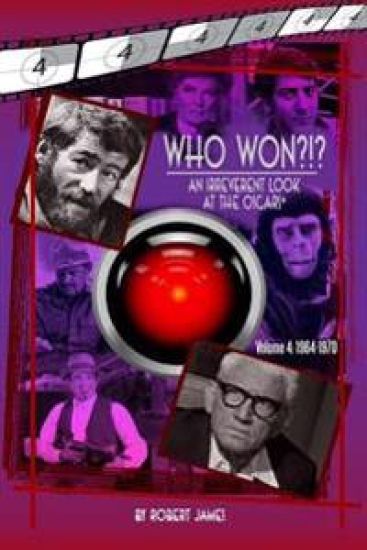
Who Won?!? an Irreverent Look at the Oscars, Volume 1: 1927-1943
Who Should Have Won the Oscars?If you've ever wondered why the Oscars seem to go to the wrong movies, WHO Won? ? is the book for you. Beginning with the first Oscar ceremony, Robert James looks at all the major categories, slashing and burning his way through the bad, praising the good, and offering the best for your consideration. A comic, biting analysis of hundreds of films, WHO Won? ? is a guide to the wonderful movies you missed - and a warning against the ones you should never have seen in the first place. Volume One, 1927-1943 covers the Golden Age of Hollywood, from the death of the silent picture to the heights of studio Hollywood. Year by year, the author considers and discusses the Academy's choices, as well as those which should have been nominated, finishing each category with those which should have won. He often includes some of the history behind the making of the films, as well as how the movies reflect on America. More than just an examination of the choices the Academy made (or should have made), WHO Won? ? provides a yearbook of American cinema, both glorious and disastrous. Deftly switching from the ridiculous to the sublime and back again, WHO Won? ? will leave you both laughing and thinking.
Who Won?!? an Irreverent Look at the Oscars, Volume 2: 1944-1952
If you've ever wondered why the Oscars seem to go to the wrong movies, WHO Won? ? is the book for you. Robert James looks at all the major categories, slashing and burning his way through the bad, praising the good, and offering the best for your consideration. A comic, biting analysis of hundreds of films, WHO Won? ? is a guide to the wonderful movies you missed - and a warning against the ones you should never have seen in the first place.As Norma Desmond says in Sunset Blvd., in here, it's "...just us, the cameras, and those wonderful people out there in the dark "This time around, we take up the moonlit shadows and night terrors of Hollywood from 1944-1952, as the studio system begins collapsing and the censorship boards show their first fracturing. Hollywood dimmed the lights as film noir emerged, along with more serious, adult pictures. Sadly, the arrival of television also pushed Hollywood into producing more Big Dumb Movies, although the rise of spectacle could sometimes pay off. The Supreme Court would break up the studios. Congress would do even more damage by launching an investigation of Hollywood, driving the studios to stop making more than a handful of pictures for mature minds while they frantically searched for some new way to bring people back into the theaters. At the same time, Hollywood would begin its own persecution with the blacklist, driving many out of work, even as it drove itself into a corner with little room to do anything but play it safe.Don't miss the early years of film history in Volume 1 of WHO Won? ? covering 1927-1943.
Who Won?!? an Irreverent Look at the Oscars, Volume 3: 1953-1963
Who Should Have Won the Oscars?If you've ever wondered why the Oscars seem to go to the wrong movies, WHO Won? ? is the book for you. Beginning with the first Oscar ceremony, Robert James looks at all the major categories, slashing and burning his way through the bad, praising the good, and offering the best for your consideration. A comic, biting analysis of hundreds of films, WHO Won? ? is a guide to the wonderful movies you missed - and a warning against the ones you should never have seen in the first place.Volume Three welcomes us to the funeral for studio Hollywood, complete with a drunken wake, talented visitors from foreign lands, and all the excess that grieving alcohol, money, and terror can provide
Popular Culture and Working–Class Taste in Britain, 1930–39
This book examines the relationship between class and culture in 1930s Britain. Focusing on the reading and cinema-going tastes of the working classes, Robert James’ landmark study combines rigorous historical analysis with a close textual reading of visual and written sources to appraise the role of popular leisure in this fascinating decade.Drawing on a wealth of original research, this lively and accessible book adds immeasurably to our knowledge of working-class leisure pursuits in this contentious period. It is a key intervention in the field, providing both an imaginative approach to the subject and an abundance of new material to analyse, thus making it an undergraduate and postgraduate ‘must-have’. It will be a particularly welcome addition for anyone interested in the fields of cultural and social history, as well as film, cultural and literary studies.
Popular Culture and Working–Class Taste in Britain, 1930–39
This book examines the relationship between class and culture in 1930s Britain. Focusing on the reading and cinema-going tastes of the working classes, Robert James’ landmark study combines rigorous historical analysis with a close textual reading of visual and written sources to appraise the role of popular leisure in this fascinating decade.Drawing on a wealth of original research, this lively and accessible book adds immeasurably to our knowledge of working-class leisure pursuits in this contentious period. It is a key intervention in the field, providing both an imaginative approach to the subject and an abundance of new material to analyse, thus making it an undergraduate and postgraduate ‘must-have’. It will be a particularly welcome addition for anyone interested in the fields of cultural and social history, as well as film, cultural and literary studies.