

Kirjahaku
Etsi kirjoja tekijän nimen, kirjan nimen tai ISBN:n perusteella.
1000 tulosta hakusanalla Samuel Peguero Colon


Efter ZAVINA kom DEN AFRIKANSKA BYN och därpå I DRUIDERS och SCHAMANERS SPÅR.Här kommer den fjärde delen: SAMUEL, som handlar om våra forskares fortsatta strävande att komma närmre gåtan om forntidens människor, hur de levde och förflyttade sig och den enorma utveckling som följde - samt att, som vi redan känner till - hur några av våra vänner för all anständighets skull måste tampas med oberäkneliga känslor vilket avsevärt krånglar till den befintliga och dagliga tillvaron.Samuel är den fjärde boken om hövdingadottern Zawina. Serien inleddes med Zawina (2007), Den dolda byn (2008) och I druiders och schamaners spår (2009).Följ med på en äventyrlig resa genom tid och rum som omfattar händelser alltifrån forntiden till våra dagar. Historien bygger på en samling väldokumenterade fakta från ett otal forskare och en obändig fantasi hos författaren. Den börjar i en liten by, dold för omvärlden av oländiga bergskedjor och går vidare från kontinent till kontinent för att av och till landa i den hemlighetsfulla byn, som utgör det nav, där de flesta av denna historias ekrar löper samman.

Små bibelhjältar är korta berättelser för barn i alla åldrar. Det finns 13 olika böcker i serien.

Samuel har det inte lätt. Frun har kastat ut honom, han hatar sitt jobb på Hotell Symphonie och dessutom är det jul. Inte ens nedslagen på stan blir han. Då hade han åtminstone haft något att berätta om sen. Sammanfattningsvis: Allt kan dra åt helvete.

Case Of Samuel Mohawk, An Indian Of The Seneca Tribe, Charged With The Murder Of The Wigton Family In Butler County, Penna. With The Charge Of The Court, As Reported For The Spirit Of The Age
Samuel
Alpha Edition
2021
pokkari
Case Of Samuel Mohawk, An Indian Of The Seneca Tribe, Charged With The Murder Of The Wigton Family In Butler County, Penna. With The Charge Of The Court, As Reported For The Spirit Of The Age has been considered by academicians and scholars of great significance and value to literature. This forms a part of the knowledge base for future generations. So that the book is never forgotten we have represented this book in a print format as the same form as it was originally first published. Hence any marks or annotations seen are left intentionally to preserve its true nature.
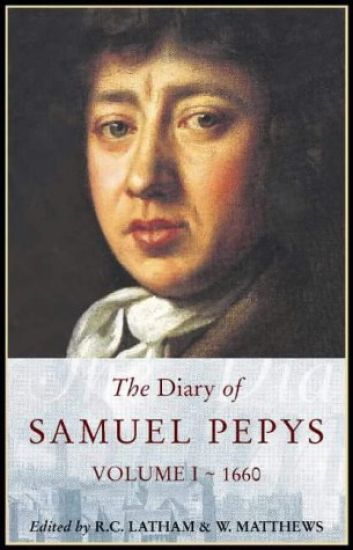
The first volume of the complete Diary of Samuel Pepys in its most authoritative and acclaimed edition. This complete edition of the Diary of Samuel Pepys comprises eleven volumes -- nine volumes of text and footnotes (with an introduction of 120 pages in Volume I), a tenth volume of commentary (The Companion) and an eleventh volume of Index. Each of the first eight volumes contains one whole calendar year of the diary, from January to December. The ninth volume runs from January 1668 to May 1669. The Diary was first published in abbreviated form in 1825. A succession of new editions, re-issues and selections, published in the Victorian era, made the Diary one of the best-known books, and Pepys one of the best-known figures, of English history. But in none of these versions -- not even in the Wheatley, which for long stood as the standard edition -- was there a reliable, still less a full text, and in none of them was there a commentary with any claim to completeness. This edition was in preparation for many years, and remains the first in which the entire Diary is printed and in which an attempt has been made at systematic comment on it. The primary aim of the principal editors was to see that the Diary was presented in a manner suitable to the historical and literary importance of its contents. At the same time they had in mind the interests of the wide public of English-speaking people to whom the diarist himself, rather than the importance of what he wrote, is what matters.

The second volume of the complete Diary of Samuel Pepys in its most authoritative and acclaimed edition. This complete edition of the Diary of Samuel Pepys comprises eleven volumes -- nine volumes of text and footnotes (with an introduction of 120 pages in Volume I), a tenth volume of commentary (The Companion) and an eleventh volume of Index. Each of the first eight volumes contains one whole calendar year of the diary, from January to December. The ninth volume runs from January 1668 to May 1669. The Diary was first published in abbreviated form in 1825. A succession of new editions, re-issues and selections, published in the Victorian era, made the Diary one of the best-known books, and Pepys one of the best-known figures, of English history. But in none of these versions -- not even in the Wheatley, which for long stood as the standard edition -- was there a reliable, still less a full text, and in none of them was there a commentary with any claim to completeness. This edition was in preparation for many years, and remains the first in which the entire Diary is printed and in which an attempt has been made at systematic comment on it. The primary aim of the principal editors was to see that the Diary was presented in a manner suitable to the historical and literary importance of its contents. At the same time they had in mind the interests of the wide public of English-speaking people to whom the diarist himself, rather than the importance of what he wrote, is what matters.
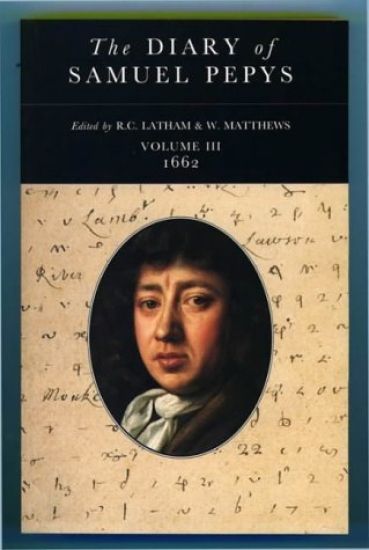
The third volume of the complete Diary of Samuel Pepys in its most authoritative and acclaimed edition. This complete edition of the Diary of Samuel Pepys comprises eleven volumes -- nine volumes of text and footnotes (with an introduction of 120 pages in Volume I), a tenth volume of commentary (The Companion) and an eleventh volume of Index. Each of the first eight volumes contains one whole calendar year of the diary, from January to December. The ninth volume runs from January 1668 to May 1669. The Diary was first published in abbreviated form in 1825. A succession of new editions, re-issues and selections, published in the Victorian era, made the Diary one of the best-known books, and Pepys one of the best-known figures, of English history. But in none of these versions -- not even in the Wheatley, which for long stood as the standard edition -- was there a reliable, still less a full text, and in none of them was there a commentary with any claim to completeness. This edition was in preparation for many years, and remains the first in which the entire Diary is printed and in which an attempt has been made at systematic comment on it. The primary aim of the principal editors was to see that the Diary was presented in a manner suitable to the historical and literary importance of its contents. At the same time they had in mind the interests of the wide public of English-speaking people to whom the diarist himself, rather than the importance of what he wrote, is what matters.

A comprehensive edition of Samuel Pepys's diary transcripted by Robert Latham and William Matthews. An introduction to the diarist and the diary is included.

The fifth volume of the complete Diary of Samuel Pepys in its most authoritative and acclaimed edition. This complete edition of the Diary of Samuel Pepys comprises eleven volumes – nine volumes of text and footnotes (with an introduction of 120 pages in Volume I), a tenth volume of commentary (The Companion) and an eleventh volume of Index. Each of the first eight volumes contains one whole calendar year of the diary, from January to December. The ninth volume runs from January 1668 to May 1669. The Diary was first published in abbreviated form in 1825. A succession of new editions, re-issues and selections, published in the Victorian ear, made the diary one of the best-known books, and Pepys one of the best-known figures, of English history. But in none of these versions – not even in the Wheatley, which for long stood as the standard edition – was there a reliable, still less a full text, and in none of them was there a commentary with any claim to completeness. This edition was in preparation for many years, and remains the first in which the entire diary is printed and in which an attempt has been made at systematic comment on it. The primary aim of the principal editors was to see that the diary was presented in a manner suitable to the historical and literary importance of its contents. At the same time they had in mind the interests of the wide public of English-speaking people to whom the diarist himself, rather than the importance of what he wrote, is what matters.

The sixth volume of the complete Diary of Samuel Pepys in its most authoritative and acclaimed edition. This complete edition of the Diary of Samuel Pepys comprises eleven volumes – nine volumes of text and footnotes (with an introduction of 120 pages in Volume I), a tenth volume of commentary (The Companion) and an eleventh volume of Index. Each of the first eight volumes contains one whole calendar year of the diary, from January to December. The ninth volume runs from January 1668 to May 1669. The Diary was first published in abbreviated form in 1825. A succession of new editions, re-issues and selections, published in the Victorian ear, made the diary one of the best-known books, and Pepys one of the best-known figures, of English history. But in none of these versions – not even in the Wheatley, which for long stood as the standard edition – was there a reliable, still less a full text, and in none of them was there a commentary with any claim to completeness. This edition was in preparation for many years, and remains the first in which the entire diary is printed and in which an attempt has been made at systematic comment on it. The primary aim of the principal editors was to see that the diary was presented in a manner suitable to the historical and literary importance of its contents. At the same time they had in mind the interests of the wide public of English-speaking people to whom the diarist himself, rather than the importance of what he wrote, is what matters.

The seventh volume of the complete Diary of Samuel Pepys in its most authoritative and acclaimed edition. This complete edition of the Diary of Samuel Pepys comprises eleven volumes – nine volumes of text and footnotes (with an introduction of 120 pages in Volume I), a tenth volume of commentary (The Companion) and an eleventh volume of Index. Each of the first eight volumes contains one whole calendar year of the diary, from January to December. The ninth volume runs from January 1668 to May 1669. The Diary was first published in abbreviated form in 1825. A succession of new editions, re-issues and selections, published in the Victorian ear, made the diary one of the best-known books, and Pepys one of the best-known figures, of English history. But in none of these versions – not even in the Wheatley, which for long stood as the standard edition – was there a reliable, still less a full text, and in none of them was there a commentary with any claim to completeness. This edition was in preparation for many years, and remains the first in which the entire diary is printed and in which an attempt has been made at systematic comment on it. The primary aim of the principal editors was to see that the diary was presented in a manner suitable to the historical and literary importance of its contents. At the same time they had in mind the interests of the wide public of English-speaking people to whom the diarist himself, rather than the importance of what he wrote, is what matters.
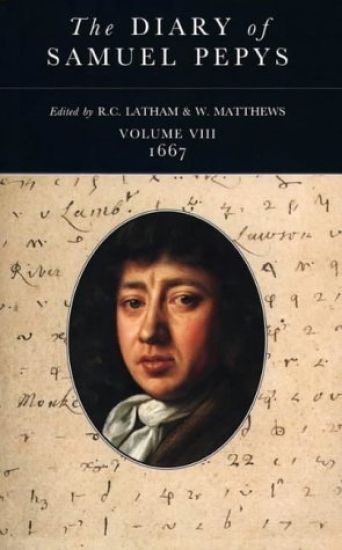
The eighth volume of the complete Diary of Samuel Pepys in its most authoritative and acclaimed edition. This complete edition of the Diary of Samuel Pepys comprises eleven volumes -- nine volumes of text and footnotes (with an introduction of 120 pages in Volume I), a tenth volume of commentary (The Companion) and an eleventh volume of Index. Each of the first eight volumes contains one whole calendar year of the diary, from January to December. The ninth volume runs from January 1668 to May 1669. The Diary was first published in abbreviated form in 1825. A succession of new editions, re-issues and selections, published in the Victorian ear, made the diary one of the best-known books, and Pepys one of the best-known figures, of English history. But in none of these versions -- not even in the Wheatley, which for long stood as the standard edition -- was there a reliable, still less a full text, and in none of them was there a commentary with any claim to completeness. This edition was in preparation for many years, and remains the first in which the entire diary is printed and in which an attempt has been made at systematic comment on it. The primary aim of the principal editors was to see that the diary was presented in a manner suitable to the historical and literary importance of its contents. At the same time they had in mind the interests of the wide public of English-speaking people to whom the diarist himself, rather than the importance of what he wrote, is what matters.

The final volume of the complete Diary of Samuel Pepys in its most authoritative and acclaimed edition. This complete edition of the Diary of Samuel Pepys comprises eleven volumes -- nine volumes of text and footnotes (with an introduction of 120 pages in Volume I), a tenth volume of commentary (The Companion) and an eleventh volume of Index. Each of the first eight volumes contains one whole calendar year of the diary, from January to December. The ninth volume runs from January 1668 to May 1669. The Diary was first published in abbreviated form in 1825. A succession of new editions, re-issues and selections, published in the Victorian ear, made the diary one of the best-known books, and Pepys one of the best-known figures, of English history. But in none of these versions -- not even in the Wheatley, which for long stood as the standard edition -- was there a reliable, still less a full text, and in none of them was there a commentary with any claim to completeness. This edition was in preparation for many years, and remains the first in which the entire diary is printed and in which an attempt has been made at systematic comment on it. The primary aim of the principal editors was to see that the diary was presented in a manner suitable to the historical and literary importance of its contents. At the same time they had in mind the interests of the wide public of English-speaking people to whom the diarist himself, rather than the importance of what he wrote, is what matters.

A comprehensive edition of Samuel Pepys's diary transcripted by Robert Latham and William Matthews. An introduction to the diarist and the diary is included.

The Index to the complete Diary of Samuel Pepys in its most authoritative and acclaimed edition. This renowned edition of The Diary of Samuel Pepys, edited by Robert Latham and William Matthews, is the first to present a newly transcribed text of the famous Diary and to equip it with a systematic commentary. Published in eleven volumes (nine of the Diary itself, followed by a Companion volume and this Index), it has justly become regarded as the definitive edition. The Index, compiled by Robert Latham, gives the essential key to the nine volumes of the Diary text, including the introduction and the footnotes. It makes it possible to retrieve a massive variety of information, whether the user wishes to trace successive references to individual people, places and events, or to follow through a general topic, or even to locate specific references and phrases from amongst the wealth of subject matter covered by the Diary. The entries are made readily accessible by the use of sub-headings, and are also valuably detailed – often reflecting the style of the Diary itself by borrowing from Pepys’s own phraseology. As a result the Index becomes more than merely functional, and offers opportunities for much enjoyable exploration. In many instances references are gathered together under important group headings that can be used to build up a composite picture of different aspects of seventeenth-century England. General topics such as books, dress, food, ships and taverns are afforded detailed entries which include, where necessary, editorial information to identify or elaborate on Pepys’s own references. The Index volume completes the set, and maintains the exemplary standards of this great work of scholarship, which was hailed by The Times as ‘one of the glories of contemporary English publishing’.

The perfect introduction to the Diary of Samuel Pepys, with Diary extracts arranged by subject. In this short anthology, selected from Samuel Pepys’s famous Diary, passages are collected together by subject, providing a fresh look at some of the themes that run through the massive complete work. Robert and Linnet Latham’s lively and skilful presentation allows the reader to become absorbed in a single topic without interruption, often providing new insight into Pepys’s private and public life. We see Pepys the man of fashion, the booklover, the musician, the theatre-goer, Pepys the husband and Pepys the public servant, at work and at leisure. From festivals such as Christmas and Twelfth Night, enjoyed with family and friends, to the great events such as the Fire and the Plague described so vividly in the Diary, Pepys’s life and times are revealed in all their richness and variety. And for the first time, we can read as continuous narrative some of the stories interwoven with daily events – the long entangled saga of his affair with Deb Willet and the tale of the Dancing Master. For anyone unfamiliar with Pepys, this anthology will serve as a delightful introduction, while lovers of the Diary will take pleasure in rediscovering favourite passages.

Cronin profiles the life and literary career of the Irish writer.

One of the major figures of English Romanticism, Samuel Taylor Coleridge (1772-1834) created works of remarkable diversity and imaginative genius. The period of his creative friendship with William Wordsworth inspired some of Coleridge's best-known poems, from the nightmarish vision of the 'Rime of the Ancient Mariner' and the opium-inspired 'Kubla Khan' to the sombre passion of 'Dejection: An Ode' and the medieval ballad 'Christabel'. His meditative 'conversation' poems, such as 'Frost at Midnight' and 'This Lime-Tree Bower Mr Prison', reflect on remembrance and solitude, while late works, such as 'Youth and Age' and 'Constancy to an Ideal Object', are haunting meditations on mortality and lost love.