
Kirjahaku
Etsi kirjoja tekijän nimen, kirjan nimen tai ISBN:n perusteella.
1000 tulosta hakusanalla Saul Alinsky




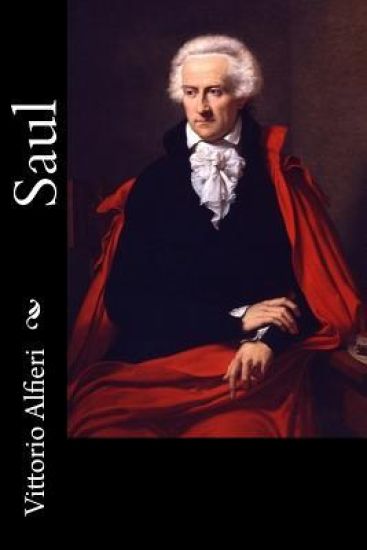
Saul, un coraggioso guerriero, fu incoronato re di Israele su richiesta del popolo e consacrato dal sacerdote Samuele, che lo unse in nome di Dio. Col tempo, per , Saul si allontan da Dio finendo per compiere diversi atti di empiet . Allora Samuele, su ordine del Signore, consacr re, un umile pastore: David. Questi fu chiamato alla corte di Saul per placare con il suo canto l'animo del re, e l riusc ad ottenere l'amicizia di Gionata, figlio del re, e la mano della giovane figlia di Saul, Micol. David gener per una forte invidia nel re, che vide in lui un usurpatore e al tempo stesso vi vide la propria passata giovinezza. David venne perseguitato da Saul e costretto a rifugiarsi in terre dei filistei (e per questo accusato di tradimento). La vicenda del Saul narra le ultime ore di vita del re e vede il ritorno di David, che da prode guerriero accorso in aiuto del suo popolo, pur sapendo bene il rischio che ci poteva comportare per la sua vita. David pronto a farsi uccidere dal re, ma prima vuole potere combattere con il suo popolo. Saul vedendolo lo vuole uccidere, ma dopo averlo ascoltato si convince a dargli il comando dell'esercito. David ad un certo punto commette per un errore, parlando di "due agnelli" in Israele, e ci genera il delirio omicida di Saul verso il giovane. Saul poi spiega a Gionata la dura legge del trono, per la quale "il fratello uccide il fratello". Davanti al re arriva il sacerdote Achimelech, che porta a Gionata la condanna divina e lo mette al corrente dell'avvenuta incoronazione di David. Il re fa uccidere il sacerdote, e da l egli andr sempre pi verso il delirio. Nell'ultimo atto, Saul prevede in un incubo la propria morte e quella dei suoi figli e con una visione piena di sangue si ridesta, e coglie la realt dei fatti: i Filistei li stanno attaccando, e l'esercito israelita non riesce a difendersi. A questo punto Saul ritrova s stesso, e uccidendosi riconquista l'integrit di uomo e di re.

Charles Heavysege's chief and best-known work, the long-verse drama and tragedy Saul, was published in Montreal in 1857. Coventry Patmore, reviewing Saul in the North British Review, ranked it as the greatest English poem published outside Great Britain. Hawthorne, Emerson, and Longfellow were all enthusiastic in their praise, and the play went into three editions. Saul is a drama of 135 scenes containing the remarkable character of the fallen angel Malzah, who has been compared by critics to Shakespeare’s Caliban. Itis a powerful presentation of the tormented soul caught in a world of order and universal degree. Its main interest is to be found in the psychological frankness - Saul's recognition of his demon resonates with the deeper implication of the recognition of the döppelgänger - and in passages of sinewy verse written with a directness that anticipates E.J. Pratt.


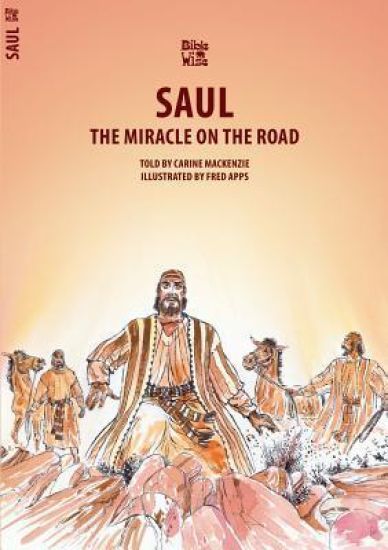
The dazzling light stopped Saul in his tracks. When God spoke to him, he knew his life would never be the same again! You can read about Saul in the Bible in the book of Acts.

In dieser Studie fragt Hannes Bezzel nach Saul, dem ersten König Israels, nicht als einer historischen Gestalt der "frühen Königszeit", sondern als literarischer Person, deren Entwicklung er diachron in den Blick nimmt. Einsatzpunkt ist die "frühe Rezeptionsgeschichte" bis zum Ende des ersten nachchristlichen Jahrhunderts. An den jeweils unterschiedlichen Saulbildern im Väterlob Ben Siras, in Qumran (besonders in 4Q252), im Liber Antiquitatum Biblicarum und in den Antiquitates Judaicae des Flavius Josephus arbeitet Bezzel Motive und Methoden des interpretierenden Umgangs mit der ambivalenten Gestalt Sauls heraus, die denen "innerbiblischer" Rezeptionsprozesse vergleichbar sind. Von hier ausgehend wird das Phänomen der " rewritten Bible / scripture " zunächst in die Chronik, dann in die Redaktionsgeschichte der Samuelbücher hinein weiter verfolgt. In seiner Analyse findet Hannes Bezzel eine ältere Saulüberlieferung in I Sam 9-10,16*; 11*; 14,47-51*. Der junge Benjaminit wird von einem Gottesmann auf eine Heldentat vorbereitet, schlägt die Ammoniter, wird König und als solcher retrospektiv mit einem rundweg positiven Nachruf bedacht. Im Rahmen eines erweiterten Samuel-Saul-Kranzes (I Sam 1*; 4*; 9-10,16*; 13-14*; 29*; 31*) wurde über die Figur Samuels mit der Ladeüberlieferung und einer Geschichte über Jonatan die Philisterthematik eingeführt. Auch gegen sie ist Saul zunächst im Kampf erfolgreich, er stirbt jedoch samt seinen Söhnen auf Gilboa. Erst in einem dritten Schritt wurde dieser Erzählkranz im Kontext der "Aufstiegsgeschichte" mit der Davidüberlieferung verbunden. Ab jetzt steht die geschichtstheologische Frage im Raum, warum der erste König Israels, obwohl Gesalbter JHWHs, nicht von seinem Sohn, sondern von David beerbt wurde.
Saul - A Dramatic Poem is an unchanged, high-quality reprint of the original edition of 1883. Hansebooks is editor of the literature on different topic areas such as research and science, travel and expeditions, cooking and nutrition, medicine, and other genres. As a publisher we focus on the preservation of historical literature. Many works of historical writers and scientists are available today as antiques only. Hansebooks newly publishes these books and contributes to the preservation of literature which has become rare and historical knowledge for the future.



Reprint of the original, first published in 1859.

Reprint of the original, first published in 1859.