Learn to treat a variety of diagnostic disorders through various psychospiritual treatment models!Increasing numbers of people are moving beyond psychological therapy to seek alternative spiritual perspectives to medical and mental health care such as yoga and meditation. The Psychospiritual Clinician’s Handbook: Alternative Methods for Understanding and Treating Mental Disorders provides the latest theoretical perspectives and practical applications by recognized experts in positive and integrative psychotherapy. Leading clinicians examine and re-examine their therapeutic worldviews and attitudes to focus on the right problems to solve—for the whole person.This essential Handbook is a window on the quiet revolution now sweeping the field of psychology, that of locating the whole human being in the center of the therapeutic process. The Psychospiritual Clinician’s Handbook: Alternative Methods for Understanding and Treating Mental Disorders helps you effectively treat the whole person by providing a practical introduction to some of the worldviews and most effective practices like yoga, meditation, and humanological therapy used by psychospiritually oriented therapists. Helpful illustrations of body positions used in yoga and meditation plus photographs, tables, figures, and detailed case studies illustrate the process.The Psychospiritual Clinician’s Handbook: Alternative Methods for Understanding and Treating Mental Disorders will show you:the importance of a therapist’s worldview for effective therapeutic outcome new perspectives on alternative treatments for depression, anxiety, eating disorders, OCD, PTSD, ADHD, Alzheimer’s disease, and sexual dysfunction how yoga and mindfulness meditation can be used in psychotherapy the use and integration of meditation therapies in emergency situations the therapeutic integration of other alternative treatments, such as Kundalini yoga each contributor’s case studies as illustration of effective treatment The Psychospiritual Clinician’s Handbook: Alternative Methods for Understanding and Treating Mental Disorders is an invaluable resource for those interested in treating patients with a therapeutic process that is effective, adaptable, and wholly transformational.
Learn to treat a variety of diagnostic disorders through various psychospiritual treatment models!Increasing numbers of people are moving beyond psychological therapy to seek alternative spiritual perspectives to medical and mental health care such as yoga and meditation. The Psychospiritual Clinician’s Handbook: Alternative Methods for Understanding and Treating Mental Disorders provides the latest theoretical perspectives and practical applications by recognized experts in positive and integrative psychotherapy. Leading clinicians examine and re-examine their therapeutic worldviews and attitudes to focus on the right problems to solve—for the whole person.This essential Handbook is a window on the quiet revolution now sweeping the field of psychology, that of locating the whole human being in the center of the therapeutic process. The Psychospiritual Clinician’s Handbook: Alternative Methods for Understanding and Treating Mental Disorders helps you effectively treat the whole person by providing a practical introduction to some of the worldviews and most effective practices like yoga, meditation, and humanological therapy used by psychospiritually oriented therapists. Helpful illustrations of body positions used in yoga and meditation plus photographs, tables, figures, and detailed case studies illustrate the process.The Psychospiritual Clinician’s Handbook: Alternative Methods for Understanding and Treating Mental Disorders will show you:the importance of a therapist’s worldview for effective therapeutic outcome new perspectives on alternative treatments for depression, anxiety, eating disorders, OCD, PTSD, ADHD, Alzheimer’s disease, and sexual dysfunction how yoga and mindfulness meditation can be used in psychotherapy the use and integration of meditation therapies in emergency situations the therapeutic integration of other alternative treatments, such as Kundalini yoga each contributor’s case studies as illustration of effective treatment The Psychospiritual Clinician’s Handbook: Alternative Methods for Understanding and Treating Mental Disorders is an invaluable resource for those interested in treating patients with a therapeutic process that is effective, adaptable, and wholly transformational.
Wastewater Organisms contains 210 high-quality full-color micrographs to help you identify organisms found in sewage and sludge. These photos provide the maximum level of detail and will help you better understand the form and dimension of the organisms. Subjects depicted in the micrographs include bacteria, eggs, amoeba, parasitic protozoa, tardigrada (water bears), rotifers, ciliates, parasitic helminths, pollen grain, free-living nematodes, algae, flagellates, and more. There is a chapter on enumeration which provides literature and techniques for fixing and staining, techniques often required for identification to the species level. The book also contains a valuable glossary and index to make the book even easier to use. Wastewater Organisms is an indispensable reference for wastewater managers and supervisors, wastewater operators, environmental consultants, practicing engineers, regulatory agency personnel at all levels of government, and libraries.
The Manager's Pocket Guide to Performance Management clearly spells out the specific steps a manager can take to ensure improved performance in any work unit. Investing in workforce development may be the most important strategic decision any manager can make.
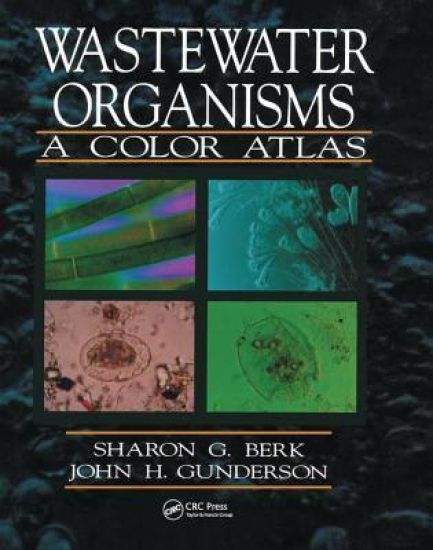
Wastewater Organisms contains 210 high-quality full-color micrographs to help you identify organisms found in sewage and sludge. These photos provide the maximum level of detail and will help you better understand the form and dimension of the organisms. Subjects depicted in the micrographs include bacteria, eggs, amoeba, parasitic protozoa, tardigrada (water bears), rotifers, ciliates, parasitic helminths, pollen grain, free-living nematodes, algae, flagellates, and more. There is a chapter on enumeration which provides literature and techniques for fixing and staining, techniques often required for identification to the species level. The book also contains a valuable glossary and index to make the book even easier to use. Wastewater Organisms is an indispensable reference for wastewater managers and supervisors, wastewater operators, environmental consultants, practicing engineers, regulatory agency personnel at all levels of government, and libraries.
Modern Psychology and Ancient Wisdom, 2nd edition, brings together experts who explore the use of ancient healing techniques from Buddhism, Christianity, Goddess, Shamanism, Taoism, and Yogic traditions as well as the mystical practices of Judaism and Islam and their application to modern counseling and therapy professions. Each chapter lays out time-tested techniques used by teachers, guides, and practitioners to facilitate psychological healing, embraces a wide variety of cultural perspectives, and offers a large, varied, and meaningful view of the world. This new edition includes added material on Islam, indigenous, and shamanic healing perspectives and practices, as well as new findings in the fields of neuropsychology and epigenetics. With its vast offerings of new treatment methods from a variety of perspectives—from therapeutic metaphors and breathing exercises to meditation and yoga techniques—this book will be of use to mental health professionals, social workers, and pastoral caregivers.
Modern Psychology and Ancient Wisdom, 2nd edition, brings together experts who explore the use of ancient healing techniques from Buddhism, Christianity, Goddess, Shamanism, Taoism, and Yogic traditions as well as the mystical practices of Judaism and Islam and their application to modern counseling and therapy professions. Each chapter lays out time-tested techniques used by teachers, guides, and practitioners to facilitate psychological healing, embraces a wide variety of cultural perspectives, and offers a large, varied, and meaningful view of the world. This new edition includes added material on Islam, indigenous, and shamanic healing perspectives and practices, as well as new findings in the fields of neuropsychology and epigenetics. With its vast offerings of new treatment methods from a variety of perspectives—from therapeutic metaphors and breathing exercises to meditation and yoga techniques—this book will be of use to mental health professionals, social workers, and pastoral caregivers.
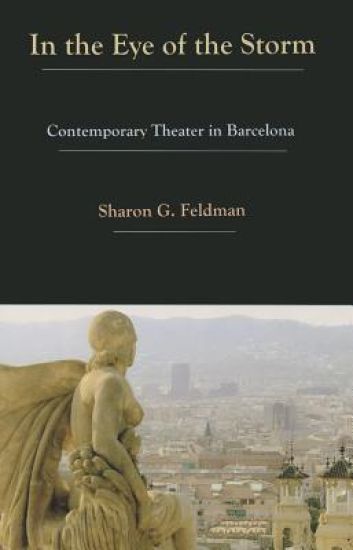
Barcelona, the cultural epicenter of Catalunya, is presently experiencing the most dynamic and polemical period in its modern theater history. It is the commanding hub of an energetic theater scene that in recent years has witnessed an exuberant outpouring of new dramatists, a steady crescendo in theater attendance, and a continual increase in the international presence of Catalan directors, playwrights, and companies. The path along which the contemporary Catalan stage has struggled to recover and reconstitute the professional legitimacy and visibility that it lost during the Franco dictatorship has been a complex process. In the Eye of the Storm: Contemporary Theater in Barcelona describes the public and private dramas, crucial moments, and even some of the back stories that have shaped the theatrical life of the city of Barcelona in the aftermath of the dictatorship. It also considers at length several key companies, playwrights, theatrical works, and performances that have contributed in significant ways to the recuperation of the Catalan stage during the democratic period.
It's been four years since Fiona, Margaret, and Sunny Cavanaugh, along with friend Brigid Conner, left Boston to start a new life in Colorado. Sunny Josephine Cavanaugh has come of age and has become a partner in Fiona's Carpentry business. Jo offers to do work for the new seamstress, who's opening a shop downtown and in need of upgrading. Tessa Langford hates the restrictions and constant hovering by her brother Warren; his constant harping of her previous troubles forging a wedge separating them further with each reminder. She's interested in Jo the carpenter, and Warren isn't happy about it. Fiona Cavanaugh is having serious medical trouble. She's been losing periods of her sight and the migraines are getting worse. Afraid to tell Margaret because her teaching is doing so well, Fiona's unable to find a way to mend the distance growing between them because of her health and her silence. Margaret has felt Fiona hiding something, and concerned when Fiona chooses to avoid rather than speak to her. After four years, Fiona's nightmares are returning. They're growing apart, and Margaret fears that if she doesn't figure out what is the underlying reason, she could lose Fiona forever. Brigid Conner has enjoyed her new life since arriving in Colorado. She hasn't found that special someone, but gets her hopes up when Warren Langford shows an interest -- until Warren causes trouble for Fiona and Jo. Brigid finds solace in the understanding ear of her friend Ethel Winton's new beau, Nicholas Tirrell. Only, Nicholas can't be as wonderful as he appears on the surface, can he? With a murderer on the loose, can the women overcome their personal obstacles before one of them is the next victim?
Giselle Saunders has a relatively happy life, until her benefactor, Preston Muir dies a horrible death. Giselle has no sooner come to grips with her "uncle's" death, when the rest of the family begins dying one-by-one from an epidemic. She turns to Elspeth, a nurse hired to assist Colonel Gardner after an injury, and the rest of the family during this medical emergency. Other than Preston and the Colonel, Elspeth is the only person Giselle has ever trusted, and the only one who has ever created the strange feelings in Giselle's body and heart.Elspeth Keillor believes something sinister is happening at the Gardner mansion. When the Colonel enlists her assistance in keeping an eye on Giselle when the family falls ill, Elspeth realizes she may be in over her head-and over-her-head-in-love with the much younger Giselle. Elspeth suspects foul play by the son-in-law, Dr. Edwin Merrick, but is dismissed when she starts questioning his procedures on the patients. Her distress increases when Elspeth learns Giselle has taken it upon herself to prove Edwin the murderer.Will Giselle and Elspeth be able to come to terms with their attraction to one another, before they are the next victim?
Giselle Saunders has a relatively happy life, until her benefactor, Preston Muir dies a horrible death. Giselle has no sooner come to grips with her "uncle's" death, when the rest of the family begins dying one-by-one from an epidemic. She turns to Elspeth, a nurse hired to assist Colonel Gardner after an injury, and the rest of the family during this medical emergency. Other than Preston and the Colonel, Elspeth is the only person Giselle has ever trusted, and the only one who has ever created the strange feelings in Giselle's body and heart.Elspeth Keillor believes something sinister is happening at the Gardner mansion. When the Colonel enlists her assistance in keeping an eye on Giselle when the family falls ill, Elspeth realizes she may be in over her head-and over-her-head-in-love with the much younger Giselle. Elspeth suspects foul play by the son-in-law, Dr. Edwin Merrick, but is dismissed when she starts questioning his procedures on the patients. Her distress increases when Elspeth learns Giselle has taken it upon herself to prove Edwin the murderer.Will Giselle and Elspeth be able to come to terms with their attraction to one another, before they are the next victim?
Sharon Thornton gives pastoral theology new ears that hear the true depth and breadth of suffering. She dares to look beyond the accepted perspectives of pastoral theology to discern a new vision of hope made possible by the cross. Thornton brings pastoral theology into conversation with public theology, reading them from the perspective of the cross. When interpreted from its political standpoint, the cross offers new and challenging pastoral perspectives on the complex experiences of modern life. The cross of Christ names suffering for what it is, giving us a means of radically critiquing all attempts to camouflage, minimize, or distort the truth of pain. Sharing her experiences of ministering to those anguished by poverty and oppression, Thornton brings to light the external forces that contribute both directly and indirectly to human brokenness. And, through these same stories and the work of a faith community modeling alternative practices in pastoral care, she shows us that there is hope for healing.
Sharon Thornton gives pastoral theology new ears that hear the true depth and breadth of suffering. She dares to look beyond the accepted perspectives of pastoral theology to discern a new vision of hope made possible by the cross. Thornton brings pastoral theology into conversation with public theology, reading them from the perspective of the cross. When interpreted from its political standpoint, the cross offers new and challenging pastoral perspectives on the complex experiences of modern life. The cross of Christ names suffering for what it is, giving us a means of radically critiquing all attempts to camouflage, minimize, or distort the truth of pain. Sharing her experiences of ministering to those anguished by poverty and oppression, Thornton brings to light the external forces that contribute both directly and indirectly to human brokenness. And, through these same stories and the work of a faith community modeling alternative practices in pastoral care, she shows us that there is hope for healing.
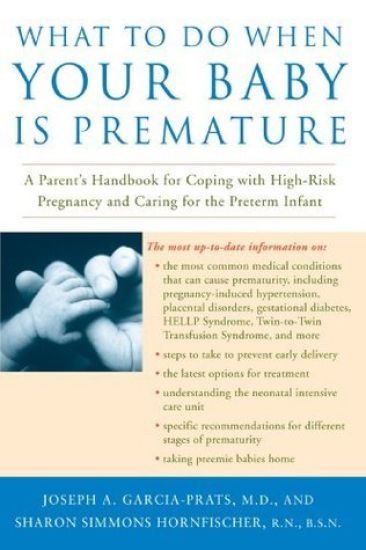
Furnishing up-to-date, life-saving information for parents of premature infants, this valuable handbook addresses the needs of parents of preemies, as well as those with high-risk pregnancies, describing the diverse treatments, procedures, and outcomes available for premature babies, as well as potential risk factors, side effects, warning signs, and therapeutic options. Original. 20,000 first printing.
This guide leads readers through the valley, and makes stops along the way. Each chapter focuses on a different county or town and highlights the must-see places of the area. Long famous for its breathtaking natural beauty, the Shenandoah Valley is alive with historic significance. From the two hundred year-old buffalo path that became a pioneer trail to Harpers Ferry National Historic Park to the Blue Ridge Parkway, the Valley of Virginia offers the traveler an array of activities, adventures, and scenic wonders. The Pelican Guide to the Shenandoah takes the visitor on a tour "up the valley," including stops at Winchester, Front Royal, Luray, Staunton, and Charlottesville. The book is arranged geographically by community, and each chapter highlights the history of the area. Accurate information on points of interest, recreational activities, shopping, dining, lodging, and seasonal events, plus phone numbers and addresses are also included. The Shenandoah Valley has a wealth of diverse attractions: Skyline Caverns, Strasburg's Passion Play, Natural Chimneys Jousting Tournament, George Washington's Office Museum, Thomas Jefferson's beloved Monticello, and the Fall Foliage Festival in Waynesboro. These and many more sites of interest are detailed in The Pelican Guide to the Shenandoah. The stunning vistas of the Allegheny Mountains frame the early history of our nation for the Shenandoah Valley wayfarer.