Kirjojen hintavertailu. Mukana 11 717 486 kirjaa ja 12 kauppaa.

Kirjahaku

Etsi kirjoja tekijän nimen, kirjan nimen tai ISBN:n perusteella.

665 tulosta hakusanalla Sojourner Truth

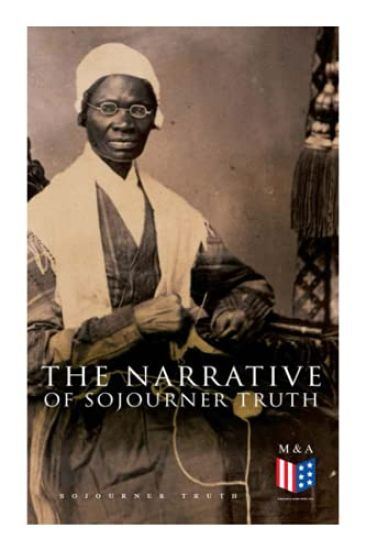
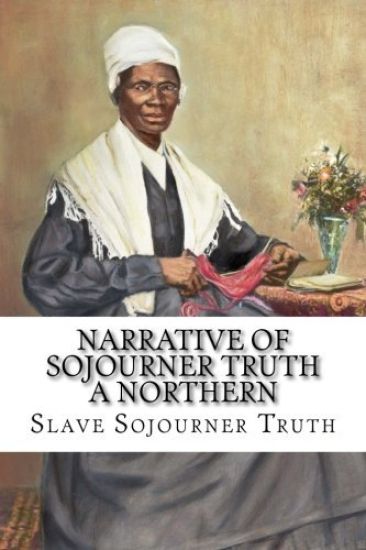
Narrative of Sojourner Truth A Northern Slave Sojourner Truth

Narrative of Sojourner Truth A Northern Slave Sojourner Truth

Sojourner Truth

Createspace Independent Publishing Platform
2017
nidottu
THE following is the unpretending narrative of the life of a remarkable and meritorious woman-a life which has been checkered by strange vicissitudes, severe hardships, and singular adventures. Born a slave, and held in that brutal condition until the entire abolition of slavery in the State of New York in 1827, she has known what it is to drink to the dregs the bitterest cup of human degradation. That one thus placed on a level with cattle and swine, and for so many years subjected to the most demoralizing influences, should have retained her moral integrity to such an extent, and cherished so successfully the religious sentiment in her soul, shows a mind of no common order, while it heightens the detestation that is felt in every humane bosom, of that system of oppression which seeks to cripple the intellect, impair the understanding, and deprave the hearts of its victims-a system which has subjected to its own foul purposes, in the United States, all that is wealthy, talented, influential, and reputedly pious, in an overwhelming measure
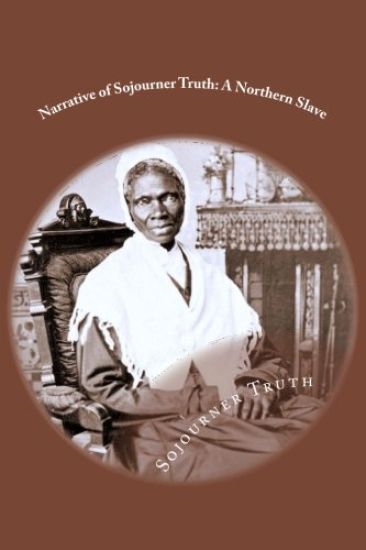
Narrative of Sojourner Truth

Narrative of Sojourner Truth

Sojourner Truth

Createspace Independent Publishing Platform
1850
pokkari
Sojourner Truth (1797 - November 26, 1883) was an African-American abolitionist and women's rights activist. Truth was born into slavery in Swartekill, Ulster County, New York, but escaped with her infant daughter to freedom in 1826. After going to court to recover her son, in 1828 she became the first black woman to win such a case against a white man. Her best-known speech was delivered extemporaneously, in 1851, at the Ohio Women's Rights Convention in Akron, Ohio. The speech became widely known during the Civil War by the title "Ain't I a Woman?." During the Civil War, Truth helped recruit black troops for the Union Army; after the war, she tried unsuccessfully to secure land grants from the federal government for former slaves. In 2014, Truth was included in Smithsonian magazine's list of the "100 Most Significant Americans of All Time".
Sojourner Truth

Sojourner Truth

Theia Lake

PowerKids Press
2023
nidottu
Born into slavery in 1797, Sojourner Truth escaped to freedom with her baby daughter by 1826. For the rest of her life, this extraordinary woman continued to fight for rights for black people, women, and other disenfranchised populations. This in-depth account explores Truth's fascinating life as an abolitionist leader. Photographs bring the information to life and sidebars add dimension to the main text. A timeline highlights key moments in Truth's life and offers insight into the historical context of her work. A must-read for history students.
Sojourner Truth

Sojourner Truth

Theia Lake

PowerKids Press
2023
sidottu
Born into slavery in 1797, Sojourner Truth escaped to freedom with her baby daughter by 1826. For the rest of her life, this extraordinary woman continued to fight for rights for black people, women, and other disenfranchised populations. This in-depth account explores Truth's fascinating life as an abolitionist leader. Photographs bring the information to life and sidebars add dimension to the main text. A timeline highlights key moments in Truth's life and offers insight into the historical context of her work. A must-read for history students.
Narrative Of Sojourner Truth

Narrative Of Sojourner Truth

Sojourner Truth

12th Media Services
1850
sidottu
Sojourner Truth (born Isabella (Belle) Baumfree) was an African-American abolitionist and women's rights activist. Truth was born into slavery in Swartekill, Ulster County, New York, but escaped with her infant daughter to freedom in 1826. After going to court to recover her son, in 1828 she became the first black woman to win such a case against a white man.She gave herself the name Sojourner Truth in 1843 after she became convinced that God had called her to leave the city and go into the countryside "testifying the hope that was in her." Her best-known speech was delivered extemporaneously, in 1851, at the Ohio Women's Rights Convention in Akron, Ohio. The speech became widely known during the Civil War by the title "Ain't I a Woman?," a variation of the original speech re-written by someone else using a stereotypical Southern dialect; whereas Sojourner Truth was from New York and grew up speaking Dutch as her first language. During the Civil War, Truth helped recruit black troops for the Union Army; after the war, she tried unsuccessfully to secure land grants from the federal government for former slaves.Truth started dictating her memoirs to her friend Olive Gilbert, and in 1850 William Lloyd Garrison privately published her book, The Narrative of Sojourner Truth: A Northern Slave.Source: Wikipedia
Narrative Of Sojourner Truth

Narrative Of Sojourner Truth

Sojourner Truth

12th Media Services
1850
pokkari
Sojourner Truth (born Isabella (Belle) Baumfree) was an African-American abolitionist and women's rights activist. Truth was born into slavery in Swartekill, Ulster County, New York, but escaped with her infant daughter to freedom in 1826. After going to court to recover her son, in 1828 she became the first black woman to win such a case against a white man.She gave herself the name Sojourner Truth in 1843 after she became convinced that God had called her to leave the city and go into the countryside "testifying the hope that was in her." Her best-known speech was delivered extemporaneously, in 1851, at the Ohio Women's Rights Convention in Akron, Ohio. The speech became widely known during the Civil War by the title "Ain't I a Woman?," a variation of the original speech re-written by someone else using a stereotypical Southern dialect; whereas Sojourner Truth was from New York and grew up speaking Dutch as her first language. During the Civil War, Truth helped recruit black troops for the Union Army; after the war, she tried unsuccessfully to secure land grants from the federal government for former slaves.Truth started dictating her memoirs to her friend Olive Gilbert, and in 1850 William Lloyd Garrison privately published her book, The Narrative of Sojourner Truth: A Northern Slave.Source: Wikipedia
Sojourner Truth

Sojourner Truth

A. M. Reynolds

Pebble Books
2020
sidottu
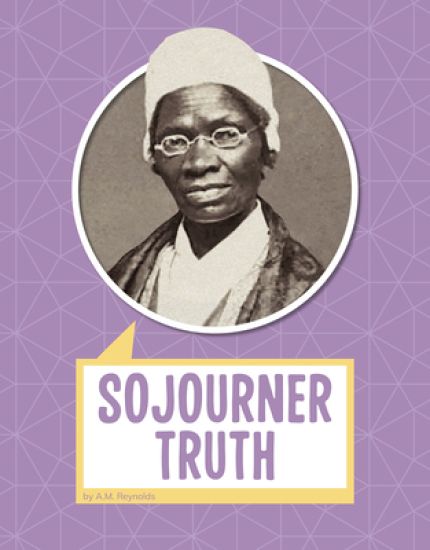
How much do you know about Sojourner Truth? Find out the facts you need to know about this women's rights activist. You'll learn about the early life, challenges, and major accomplishments of this important American.
The Narrative of Sojourner Truth (Unabridged)
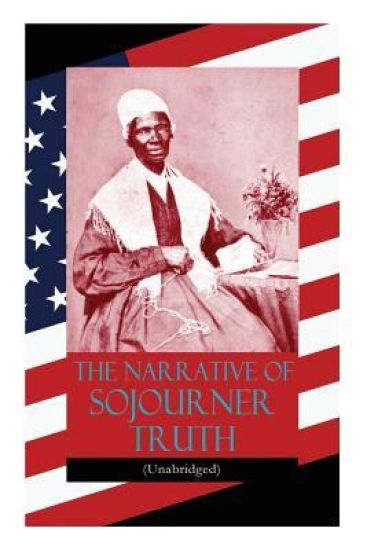
The Narrative of Sojourner Truth (1850) is an inspiring memoir of the African American abolitionist who in spite of going through the trauma of slavery and being separated from her family had the courage to break free from its shackles and became a lasting inspiration for many. Ain't I a Woman? (1851) is Truth's best-known speech was delivered extemporaneously, in 1851, at the Ohio Women's Rights Convention in Akron. Sojourner Truth (1797-1883) was an African-American abolitionist and women's rights activist. Truth was born into slavery in Swartekill, Ulster County, New York, but escaped with her infant daughter to freedom in 1826. After going to court to recover her son, in 1828 she became the first black woman to win such a case against a white man. She gave herself the name Sojourner Truth in 1843 after she became convinced that God has called her to leave the city and go into the countryside "testifying the hope that was in her".
The Narrative of Sojourner Truth

The Narrative of Sojourner Truth

Sojourner Truth

E-Artnow
2019
nidottu
Sojourner Truth (c. 1797 – 1883) was an African-American abolitionist and women's rights activist. Truth was born into slavery in Swartekill, Ulster County, New York, but escaped with her infant daughter to freedom in 1826. After going to court to recover her son, in 1828 she became the first black woman to win such a case against a white man. Truth started dictating her memoirs to her friend Olive Gilbert, and in 1850 William Lloyd Garrison privately published her book, The Narrative of Sojourner Truth: A Northern Slave. Ain't I a Woman? (1851) is Truth's best-known speech was delivered extemporaneously, in 1851, at the Ohio Women's Rights Convention in Akron. Contents: The Narrative of Sojourner Truth Her Birth and Parentage Accommodations Her Brothers and Sisters Her Religious Instruction The Auction Death of Mau-mau Bett Last Days of Bomefree Death of Bomefree Commencement of Isabella's Trials in Life Trials Continued Her Standing With Her New Master and Mistress Isabella's Marriage Isabella as a Mother Slaveholder's Promises Her Escape Illegal Sale of Her Son It Is Often Darkest Just Before Dawn Death of Mrs. Eliza Fowler Isabella's Religious Experience New Trials My Dear and Beloved Mother Finding a Brother and Sister Gleanings The Matthias Delusion Fasting The Cause of Her Leaving the City The Consequences of Refusing a Traveller a Night's Lodging Some of Her Views and Reasonings The Second Advent Doctrines Another Camp Meeting Her Last Interview With Her Master Certificates of Character Ain't I a Woman?
Narrative of Sojourner Truth

Narrative of Sojourner Truth

Sojourner Truth

Union Square Co.
2026
nidottu
A powerful memoir about the path to freedom and justice from one of the most important activists in American history, freshly repackaged for the Union Square & Co. Signature Editions line. Born into slavery in New York, Isabella Baumfree became Sojourner Truth, one of the 19th century's most powerful and outspoken advocates for abolition and women's rights. In her remarkable 1850 narrative--dictated to a friend because she could not read or write--she recounts her incredible journey to freedom. This foundational work of American literature offers an intimate and unflinching account of the brutalities of slavery in the North, the spiritual awakening that fueled Truth's activism, and her tireless fight for justice. Both raw and deeply moving, her autobiography is a testament to speaking truth to power.
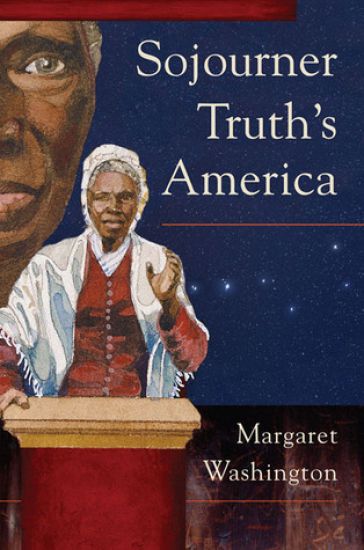
Sojourner Truth's America

Sojourner Truth's America

Margaret Washington

University of Illinois Press
2011
nidottu
This fascinating biography tells the story of nineteenth-century America through the life of one of its most charismatic and influential characters: Sojourner Truth. In an in-depth account of this amazing activist, Margaret Washington unravels Sojourner Truth's world within the broader panorama of African American slavery and the nation's most significant reform era. Born into bondage among the Hudson Valley Dutch in Ulster County, New York, Isabella was sold several times, married, and bore five children before fleeing in 1826 with her infant daughter one year before New York slavery was abolished. In 1829, she moved to New York City, where she worked as a domestic, preached, joined a religious commune, and then in 1843 had an epiphany. Changing her name to Sojourner Truth, she began traveling the country as a champion of the downtrodden and a spokeswoman for equality by promoting Christianity, abolitionism, and women's rights. Gifted in verbal eloquence, wit, and biblical knowledge, Sojourner Truth possessed an earthy, imaginative, homespun personality that won her many friends and admirers and made her one of the most popular and quoted reformers of her times. Washington's biography of this remarkable figure considers many facets of Sojourner Truth's life to explain how she became one of the greatest activists in American history, including her African and Dutch religious heritage; her experiences of slavery within contexts of labor, domesticity, and patriarchy; and her profoundly personal sense of justice and intuitive integrity. Organized chronologically into three distinct eras of Truth's life, Sojourner Truth's America examines the complex dynamics of her times, beginning with the transnational contours of her spirituality and early life as Isabella and her embroilments in legal controversy. Truth's awakening during nineteenth-century America's progressive surge then propelled her ascendancy as a rousing preacher and political orator despite her inability to read and write. Throughout the book, Washington explores Truth's passionate commitment to family and community, including her vision for a beloved community that extended beyond race, gender, and socioeconomic condition and embraced a common humanity. For Sojourner Truth, the significant model for such communalism was a primitive, prophetic Christianity. Illustrated with dozens of images of Truth and her contemporaries, Sojourner Truth's America draws a delicate and compelling balance between Sojourner Truth's personal motivations and the influences of her historical context. Washington provides important insights into the turbulent cultural and political climate of the age while also separating the many myths from the facts concerning this legendary American figure.