
Kirjahaku
Etsi kirjoja tekijän nimen, kirjan nimen tai ISBN:n perusteella.
1000 tulosta hakusanalla Suleiman Musa
Suleiman the Magnificent
Srikala Balakrishnan; Satyananda Giri
Createspace Independent Publishing Platform
2015
nidottu
Explore the Captivating History of Suleiman the Magnificent Suleiman the I probably knew of other monarchs and celebrities we might recognize: Ferdinand and Isabella II of Aragon; King Henry VIII and his infamous trail of wives; and Charles the V, the Holy Roman emperor who dressed in black for the majority of his life. Columbus had set off to sail the ocean blue just two years before Suleiman's birth. William Shakespeare was just two years old when Suleiman died, as was Galileo Galilei.During his reign Suleiman the Magnificent guided the Ottoman Empire through its golden age of trade and expansion. His reign changed the face of the world and the lives of millions of people, and his name echoes down to us in the present day. Suleiman the Magnificent wasn't quite like any other sultan before or after him. This book explains why.In Suleiman the Magnificent: A Captivating Guide to the Longest-Reigning Sultan of the Ottoman Empire, you will discover topics such as The World Before Suleiman I Succession Lover, Poet, & Patron of the Arts Father Friend Campaigner Statesman And much, much more So if you want to learn more about Suleiman the Magnificent, click "add to cart"
An enchanted ring brings good fortune to an Egyptian oud player in this compelling novel combining elements of magical realism with political historyCan one man or a mere ring alter the events of one’s life and the history of a country? Combining elements of magical realism with momentous history, Suleiman’s Ring poses these questions and more in a gripping tale of friendship, identity, and the fate of a nation.Alexandria, Egypt, on the eve of the 1952 Free Officers revolution. Daoud, a struggling musician, is summoned with his best friend Sheikh Hassanein to a meeting with Lt. Col. Gamal Abdel Nasser, who seeks their help as he mobilizes for the revolution. Daoud lends Nasser an enchanted silver ring for its powers to bring good luck. The revolution succeeds but Daoud soon grows estranged from Hassanein, who has joined the Muslim Brotherhood, after he suggests that Daoud leave Egypt since as a Jew he is no longer welcome. When Hassanein is arrested, however, destiny draws Daoud into a complex web of sexual intrigue and betrayal that threatens to upend his already precarious existence.Set against the backdrop of the simmering political tensions of mid-twentieth-century Egypt and the Arab–Israeli wars, Sherif Meleka’s story of fate and fortune transports us to another time and place while peeling back the curtain on events that still haunt the country to this day.
An enchanted ring brings good fortune to an Egyptian oud player in this compelling novel combining elements of magical realism with political historyCan one man or a mere ring alter the events of one’s life and the history of a country? Combining elements of magical realism with momentous history, Suleiman’s Ring poses these questions and more in a gripping tale of friendship, identity, and the fate of a nation.Alexandria, Egypt, on the eve of the 1952 Free Officers revolution. Daoud, a struggling musician, is summoned with his best friend Sheikh Hassanein to a meeting with Lt. Col. Gamal Abdel Nasser, who seeks their help as he mobilizes for the revolution. Daoud lends Nasser an enchanted silver ring for its powers to bring good luck. The revolution succeeds but Daoud soon grows estranged from Hassanein, who has joined the Muslim Brotherhood, after he suggests that Daoud leave Egypt since as a Jew he is no longer welcome. When Hassanein is arrested, however, destiny draws Daoud into a complex web of sexual intrigue and betrayal that threatens to upend his already precarious existence.Set against the backdrop of the simmering political tensions of mid-twentieth-century Egypt and the Arab–Israeli wars, Sherif Meleka’s story of fate and fortune transports us to another time and place while peeling back the curtain on events that still haunt the country to this day.
Suleiman the Magnificent: A Captivating Guide to the Longest-Reigning Sultan of the Ottoman Empire
Captivating History
Createspace Independent Publishing Platform
2018
nidottu
Explore the Captivating History of Suleiman the Magnificent Suleiman the I probably knew of other monarchs and celebrities we might recognize: Ferdinand and Isabella II of Aragon; King Henry VIII and his infamous trail of wives; and Charles the V, the Holy Roman emperor who dressed in black for the majority of his life. Columbus had set off to sail the ocean blue just two years before Suleiman's birth. William Shakespeare was just two years old when Suleiman died, as was Galileo Galilei. During his reign Suleiman the Magnificent guided the Ottoman Empire through its golden age of trade and expansion. His reign changed the face of the world and the lives of millions of people, and his name echoes down to us in the present day. Suleiman the Magnificent wasn't quite like any other sultan before or after him. This book explains why. In Suleiman the Magnificent: A Captivating Guide to the Longest-Reigning Sultan of the Ottoman Empire, you will discover topics such asThe World Before Suleiman ISuccessionLover, Poet, & Patron of the ArtsFatherFriendCampaignerStatesmanAnd much, much more So if you want to learn more about Suleiman the Magnificent, click "add to cart"
Suleiman the Magnificent: The Life and Legacy of the Ottoman Empire's Most Famous Sultan
Charles River
Independently Published
2018
nidottu
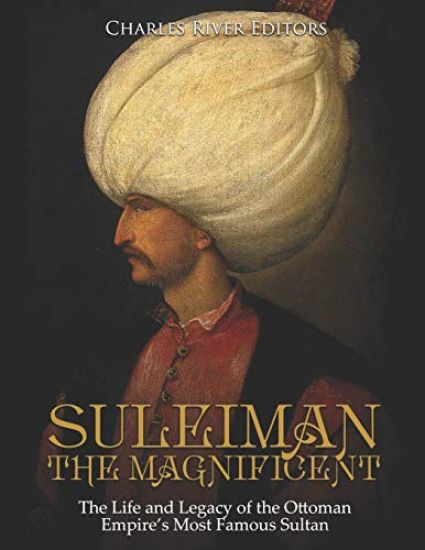
*Includes pictures*Includes online resources and a bibliography for further readingIn terms of geopolitics, perhaps the most seminal event of the Middle Ages was the successful Ottoman siege of Constantinople in 1453. The city had been an imperial capital as far back as the 4th century, when Constantine the Great shifted the power center of the Roman Empire there, effectively establishing two almost equally powerful halves of antiquity's greatest empire. Constantinople would continue to serve as the capital of the Byzantine Empire even after the Western half of the Roman Empire collapsed in the late 5th century. Naturally, the Ottoman Empire would also use Constantinople as the capital of its empire after their conquest effectively ended the Byzantine Empire, and thanks to its strategic location, it has been a trading center for years and remains one today under the Turkish name of Istanbul. In the wake of taking Constantinople, the Ottoman Empire would spend the next few centuries expanding its size, power, and influence, bumping up against Eastern Europe and becoming one of the world's most important geopolitical players. It was a rise that would not truly start to wane until the 19th century, and the most influential ruler who helped bring the "Pax Ottomana" about was Suleiman the Magnificent. By the time of Suleiman's ascension, the Ottoman Empire was already in good condition. It was politically stable, culturally flourishing, dominating trade in the area, and in possession of a superior military organisation, which allowed Suleiman I to continue his predecessors' work without much need to change the direction of the empire. Selim's aggressive rule left the Janissaries efficient and strong, the Mamluks defeated, and the holy cities subsumed into the empire. The Republic of Venice in the west, as well as the Safavids in the east, had been weakened, and for the first time, the Ottoman had a fleet able to challenge old trade structures and rise as a new dominant power on the seas. Things were going well, and Suleiman intended to keep it that way.Suleiman would rule for about 45 years, during which the Ottoman Empire reached its greatest extent, both in terms of expansion and culture. His reforms made the Ottomans arguably the world's most powerful force on land and at sea. It was during his reign that the Ottomans made their most forceful incursions into Europe, greatly changing the way alliances and power were balanced on that continent. The time after Suleiman's death was once recognized by scholars and historians as the "Decline of the Ottoman Empire," but this consensus opinion changed in the 1980s and is now commonly referred to as the "Era of Transformation." The following years were not necessarily a decline but a shift in the empire's focus, where the constant expansion and warring halted in exchange for internal stability. The focus would necessarily shift to maintaining the status quo as one of the world's leading empires, a difficult quest when the Habsburg takeover of the Holy Roman Empire and the beginning of the colonial period as initiated by Spain and Portugal are taken into consideration.Suleiman the Magnificent: The Life and Legacy of the Ottoman Empire's Most Famous Sultan chronicles Suleiman's life and accomplishments, and the massive impact he had on his empire and the world around him. Along with pictures of important people, places, and events, you will learn about Suleiman like never before.
Suleiman the Magnificent: The Life and Legacy of the Ottoman Empire's Most Famous Sultan
Charles River
Independently Published
2018
nidottu
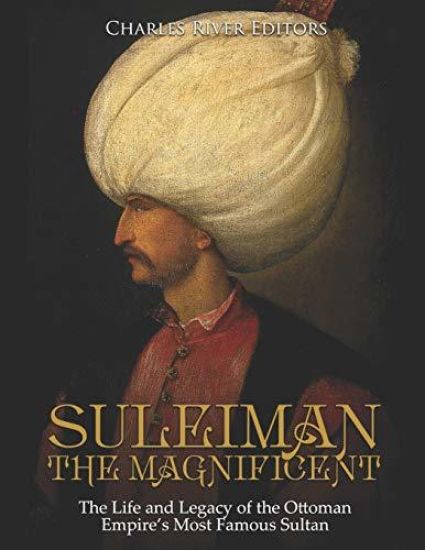
*Includes pictures*Includes online resources and a bibliography for further readingIn terms of geopolitics, perhaps the most seminal event of the Middle Ages was the successful Ottoman siege of Constantinople in 1453. The city had been an imperial capital as far back as the 4th century, when Constantine the Great shifted the power center of the Roman Empire there, effectively establishing two almost equally powerful halves of antiquity's greatest empire. Constantinople would continue to serve as the capital of the Byzantine Empire even after the Western half of the Roman Empire collapsed in the late 5th century. Naturally, the Ottoman Empire would also use Constantinople as the capital of its empire after their conquest effectively ended the Byzantine Empire, and thanks to its strategic location, it has been a trading center for years and remains one today under the Turkish name of Istanbul. In the wake of taking Constantinople, the Ottoman Empire would spend the next few centuries expanding its size, power, and influence, bumping up against Eastern Europe and becoming one of the world's most important geopolitical players. It was a rise that would not truly start to wane until the 19th century, and the most influential ruler who helped bring the "Pax Ottomana" about was Suleiman the Magnificent. By the time of Suleiman's ascension, the Ottoman Empire was already in good condition. It was politically stable, culturally flourishing, dominating trade in the area, and in possession of a superior military organisation, which allowed Suleiman I to continue his predecessors' work without much need to change the direction of the empire. Selim's aggressive rule left the Janissaries efficient and strong, the Mamluks defeated, and the holy cities subsumed into the empire. The Republic of Venice in the west, as well as the Safavids in the east, had been weakened, and for the first time, the Ottoman had a fleet able to challenge old trade structures and rise as a new dominant power on the seas. Things were going well, and Suleiman intended to keep it that way.Suleiman would rule for about 45 years, during which the Ottoman Empire reached its greatest extent, both in terms of expansion and culture. His reforms made the Ottomans arguably the world's most powerful force on land and at sea. It was during his reign that the Ottomans made their most forceful incursions into Europe, greatly changing the way alliances and power were balanced on that continent. The time after Suleiman's death was once recognized by scholars and historians as the "Decline of the Ottoman Empire," but this consensus opinion changed in the 1980s and is now commonly referred to as the "Era of Transformation." The following years were not necessarily a decline but a shift in the empire's focus, where the constant expansion and warring halted in exchange for internal stability. The focus would necessarily shift to maintaining the status quo as one of the world's leading empires, a difficult quest when the Habsburg takeover of the Holy Roman Empire and the beginning of the colonial period as initiated by Spain and Portugal are taken into consideration.Suleiman the Magnificent: The Life and Legacy of the Ottoman Empire's Most Famous Sultan chronicles Suleiman's life and accomplishments, and the massive impact he had on his empire and the world around him. Along with pictures of important people, places, and events, you will learn about Suleiman like never before.
Suleiman, o Magnífico: A vida e o legado do sultão mais famoso do Império Otomano
Charles River
Independently Published
2019
nidottu
Em termos de geopol tica, talvez o evento mais importante da Idade M dia tenha sido o cerco otomano de Constantinopla em 1453.A cidade tinha sido uma capital imperial desde o s culo 4, quando Constantino, o Grande, mudou o centro de poder do Imp rio Romano, estabelecendo efetivamente duas metades quase igualmente poderosas do maior imp rio da antiguidade.Constantinopla continuaria a servir como a capital do Imp rio Bizantino, mesmo depois que a metade ocidental do Imp rio Romano entrou em colapso no final do s culo 5.Naturalmente, o Imp rio Otomano tamb m usaria Constantinopla como a capital de seu imp rio ap s a conquista do Imp rio Bizantino, e gra as sua localiza o estrat gica, ele um centro comercial h anos e permanece um hoje sob o nome turco de Istambul.O fim do Imp rio Bizantino teve um efeito profundo n o apenas no Oriente M dio, mas tamb m na Europa.Constantinopla tinha desempenhado um papel crucial nas Cruzadas, e a queda dos bizantinos significava que os otomanos agora compartilhavam uma fronteira com a Europa.O imp rio isl mico era visto como uma amea a pelo continente predominantemente crist o a oeste, e levou pouco tempo para diferentes na es europ ias come arem a colidir com os poderosos turcos.De fato, os otomanos iriam colidir com russos, austr acos, venezianos, poloneses e muito mais antes de entrar em colapso como resultado da Primeira Guerra Mundial, quando faziam parte das pot ncias centrais.A conquista otomana de Constantinopla tamb m desempenhou um papel decisivo na promo o do Renascimento na Europa Ocidental.A influ ncia do Imp rio Bizantino ajudou a garantir que fosse o guardi o de v rios textos antigos, principalmente dos gregos antigos, e quando Constantinopla caiu, refugiados bizantinos reuniram-se para o oeste em busca de ref gio na Europa.Esses refugiados trouxeram livros que ajudaram a despertar o interesse pela antiguidade que alimentaram o Renascimento italiano e essencialmente puseram fim Idade M dia.Na esteira de tomar Constantinopla, o Imp rio Otomano passaria os pr ximos s culos expandindo seu tamanho, poder e influ ncia, batendo contra a Europa Oriental e se tornando um dos atores geopol ticos mais importantes do mundo.Foi uma ascens o que realmente n o iria come ar a diminuir at o s culo 19, e o governante mais influente que ajudou a trazer a Pax Ottomana foi Suleiman, o Magn fico.Na poca da ascens o de Suleiman, o Imp rio Otomano j estava em boas condi es.Era politicamente est vel, culturalmente florescente, dominando o com rcio na rea e de posse de uma organiza o militar superior, o que permitiu a Suleiman I continuar o trabalho de seus antecessores sem muita necessidade de mudar a dire o do imp rio.O dom nio agressivo de Selim deixou os jan zaros eficientes e fortes, os mamelucos derrotados e as cidades sagradas incorporadas ao imp rio.A Rep blica de Veneza no oeste, assim como os saf vidas no leste, enfraqueceram-se e, pela primeira vez, o otomano tinha uma frota capaz de desafiar velhas estruturas comerciais e se erguer como uma nova pot ncia dominante nos mares.As coisas estavam indo bem e Suleiman pretendia continuar assim. Suleiman, o Magn fico: A Vida e o Legado do Sult o Mais Famoso do Imp rio Otomano narra a vida e realiza es de Suleiman, e o enorme impacto que ele teve em seu imp rio e no mundo ao seu redor.Juntamente com fotos de pessoas importantes, lugares e eventos, voc aprender sobre Suleiman como nunca antes.
Suleiman, o Magnífico: A vida e o legado do sultão mais famoso do Império Otomano
Charles River
Independently Published
2019
nidottu
Em termos de geopol tica, talvez o evento mais importante da Idade M dia tenha sido o cerco otomano de Constantinopla em 1453.A cidade tinha sido uma capital imperial desde o s culo 4, quando Constantino, o Grande, mudou o centro de poder do Imp rio Romano, estabelecendo efetivamente duas metades quase igualmente poderosas do maior imp rio da antiguidade.Constantinopla continuaria a servir como a capital do Imp rio Bizantino, mesmo depois que a metade ocidental do Imp rio Romano entrou em colapso no final do s culo 5.Naturalmente, o Imp rio Otomano tamb m usaria Constantinopla como a capital de seu imp rio ap s a conquista do Imp rio Bizantino, e gra as sua localiza o estrat gica, ele um centro comercial h anos e permanece um hoje sob o nome turco de Istambul.O fim do Imp rio Bizantino teve um efeito profundo n o apenas no Oriente M dio, mas tamb m na Europa.Constantinopla tinha desempenhado um papel crucial nas Cruzadas, e a queda dos bizantinos significava que os otomanos agora compartilhavam uma fronteira com a Europa.O imp rio isl mico era visto como uma amea a pelo continente predominantemente crist o a oeste, e levou pouco tempo para diferentes na es europ ias come arem a colidir com os poderosos turcos.De fato, os otomanos iriam colidir com russos, austr acos, venezianos, poloneses e muito mais antes de entrar em colapso como resultado da Primeira Guerra Mundial, quando faziam parte das pot ncias centrais.A conquista otomana de Constantinopla tamb m desempenhou um papel decisivo na promo o do Renascimento na Europa Ocidental.A influ ncia do Imp rio Bizantino ajudou a garantir que fosse o guardi o de v rios textos antigos, principalmente dos gregos antigos, e quando Constantinopla caiu, refugiados bizantinos reuniram-se para o oeste em busca de ref gio na Europa.Esses refugiados trouxeram livros que ajudaram a despertar o interesse pela antiguidade que alimentaram o Renascimento italiano e essencialmente puseram fim Idade M dia.Na esteira de tomar Constantinopla, o Imp rio Otomano passaria os pr ximos s culos expandindo seu tamanho, poder e influ ncia, batendo contra a Europa Oriental e se tornando um dos atores geopol ticos mais importantes do mundo.Foi uma ascens o que realmente n o iria come ar a diminuir at o s culo 19, e o governante mais influente que ajudou a trazer a Pax Ottomana foi Suleiman, o Magn fico.Na poca da ascens o de Suleiman, o Imp rio Otomano j estava em boas condi es.Era politicamente est vel, culturalmente florescente, dominando o com rcio na rea e de posse de uma organiza o militar superior, o que permitiu a Suleiman I continuar o trabalho de seus antecessores sem muita necessidade de mudar a dire o do imp rio.O dom nio agressivo de Selim deixou os jan zaros eficientes e fortes, os mamelucos derrotados e as cidades sagradas incorporadas ao imp rio.A Rep blica de Veneza no oeste, assim como os saf vidas no leste, enfraqueceram-se e, pela primeira vez, o otomano tinha uma frota capaz de desafiar velhas estruturas comerciais e se erguer como uma nova pot ncia dominante nos mares.As coisas estavam indo bem e Suleiman pretendia continuar assim. Suleiman, o Magn fico: A Vida e o Legado do Sult o Mais Famoso do Imp rio Otomano narra a vida e realiza es de Suleiman, e o enorme impacto que ele teve em seu imp rio e no mundo ao seu redor.Juntamente com fotos de pessoas importantes, lugares e eventos, voc aprender sobre Suleiman como nunca antes.
‘Suleiman the Artist’ tells the compelling story of three terrified young people fleeing their homeland, where there is a violent civil war. But one of them, unwittingly, carries a terrible secret. Suleiman, a neglected boy who has never known love; Layla, the spoilt young daughter of a murdered musician and Ahmed, a friendless bully, are all desperate to reach England where, they believe, they will be safe. Firstly, they must endure a dangerous journey to avoid fierce fighting and heavily armed border guards, and they must pay people smugglers to cross the sea on overcrowded, unsound dinghies. But can they reach the safety, and the happiness, they so desperately long for?
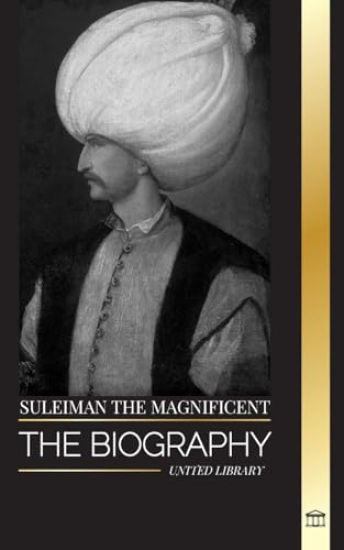
Discover the life and legacy of Suleiman the Magnificent, the longest-reigning sultan of the Ottoman Empire, in this captivating biography. Known for his military prowess and political acumen, Suleiman's reign marked the apex of Ottoman power in the 16th century.Ascending to the throne in 1520, Suleiman immediately embarked on campaigns to expand Ottoman territories, achieving significant victories in Central Europe and the Mediterranean. Under his rule, the empire flourished economically, militarily, and culturally, with Suleiman himself being a patron of the arts and a poet.Suleiman's reign was also marked by significant judicial reforms, which harmonized sultanic and religious law, and by his unconventional marriage to Hurrem Sultan, a woman from his harem who became a powerful figure in her own right.Delve into the life of this remarkable ruler, his conquests, his reforms, and his legacy, in this comprehensive biography of Suleiman the Magnificent.Explore the life and legacy of Suleiman the Magnificent, a pivotal figure in Ottoman history, in this compelling biography. Buy now
Suleiman was certain that his spiritual preparation and the virtue conduct of his mentor would create such states in him and that the relationship between Shams and Rumi would be re_ formed. Because of the existence of Agha Zainul_Abidin shone in the depth of Suleiman's heart, and with that same radiance, he tried to grow and develop.

Erfreuung Der Geister Von Omar Ben-Suleiman (1848)
KESSINGER PUBLISHING, LLC
2010
nidottu
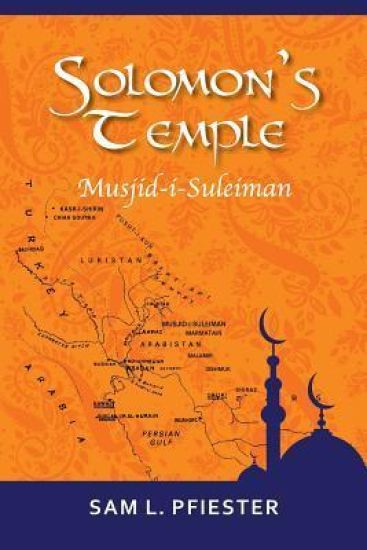
Solomon's Temple: Musjid-i-Suleiman & the Quest for Oil in the Middle East
Sam L. Pfiester
Createspace Independent Publishing Platform
2014
nidottu
Solomon's Temple is an extraordinary book-a meticulously researched historical novel that tells the true story of the dramatic birth of the Middle East oil industry. By 1908, investors in the Persian oil concession were out of funds. After seven years of unsuccessful drilling, hindrance by hostile tribes, shifting political alliances, and 120-degree temperatures, the directors sent word to cease operations. But as a rising German state began to threaten Britain and its Empire, this audacious Persian gamble became more than a matter of profit-it held worldwide geopolitical consequences. Based on firsthand archival research, every character in Sam L. Pfiester's riveting novel is a real-life person. Every event actually happened. Solomon's Temple brings to vivid life the story of a drilling expedition that changed the world forever.

Ibrahim Pasha Grand Vizir of Suleiman the Magnificent (Edition1)
Alpha Editions
2025
nidottu