
Kirjahaku
Etsi kirjoja tekijän nimen, kirjan nimen tai ISBN:n perusteella.
1000 tulosta hakusanalla T. P. Smith

Youth Ministry in a Technological Age
P Kendall C a Smith; T Keel R Langeland
Xlibris Corporation
2011
pokkari

Youth Ministry in a Technological Age
P Kendall C a Smith; T Keel R Langeland
Xlibris Corporation
2011
sidottu
Moving Beyond Compromise: Why Stop There?
Kevin C. Smith; Michael T. Burke; Gordon P. McComb
Counsel Publishing, LLC
2016
nidottu
The process of making decisions is integral to life. We make decisions every day, from what to have for breakfast to critical issues of life and business. When two or more people are involved in making those decisions, the process often involves "compromise" and can be complicated by the basic give-and-take and trade-offs that are associated with this approach. Webster's New Twentieth Century Dictionary of the English Language defines compromise in this way: A settlement in which each side gives up some demands or makes concessions An adjustment of opposing principles, systems, etc., in which part of each is given up The result of such an adjustment or settlement Something midway between different things A laying open to danger, suspicion, or disrepute, as a compromise of one's good name, or; to surrender or give up (one's interest, principles, etc.) Compromise necessarily, then, leads to a result that has the great risk of being suboptimal because the concessions made can easily preclude consideration of alternatives and important viewpoints. One of the factors that those who promote compromise as a means of making decisions use as justification is that each side gives up something they want, and thus each side can "live with" the result. In reality, neither side will give up something critically important to them while expecting the other to do just that. The end result is often that either no decision or agreement can be reached or one or both of the parties is unhappy with the result. Too frequently, the ultimate result is failure because one or both parties do not fully support the agreement, which becomes more likely if one party feels it gave more than the other or had to give up something related to its principles or best interest. In an increasingly complex world, compromise is not the best way to reach decisions. An approach that fully and objectively examines all points of view and ideas is needed to arrive at workable solutions to problems and issues as diverse as those we see in the world today. Anyone who has worked inside any company, large or small, knows that it is often very challenging to make decisions. Different personalities, diverse interactions, company politics, and even social, political, and economic philosophies present barriers to agreement. Add to that the basic competitive nature of human beings and the result can be a bubbling stewpot of rancor, foxhole-digging, foot-dragging, backbiting, criticism, individual conflict, and an attitude of an "I win, you lose" zero-sum game that leads to, at best, nonoptimal decisions and at worst, paralysis and no decisions at all. This description applies to virtually any type of organization, not just the corporate setting. It can be seen in organizations, nonprofits, politics, families, churches, schools, and any other setting in which a group of people, whether it be two or many, must meet and make decisions on any topic. All of us have seen the results of committee deliberations aimed at making decisions in a number of these seemingly different settings. Quite often, when we watch the process, we understand the saying that "A committee is a cul-de-sac down which ideas are lured and then quietly strangled." The three authors have worked in a variety of different companies and noncorporate settings, including small local companies (fewer than 10 employees) to very large multinational corporations; they have been a part of boards of directors and trustees of nonprofits, school and church groups, neighborhood organizations, and others. They have all had the (mis)fortune of serving on committees charged with making decisions ranging from purchasing equipment to basic corporate strategy for international product development.

A Geography of the Third World
C.G Clarke; J P Dickenson; J.P Dickenson; W.T.S Gould; S Mather; Sandra Mather; Prof R Mansell Prothero; R.M Prothero; D.J Siddle; C.T Smith; C T Smith; E. Thomas-Hope
Routledge
1996
sidottu
The label of "Third World" covers half the land surface and three quarters of the population of the planet. The problems and potential of this region and its peoples are attracting increasing concern and interest. Fully revised and updated this edition includes: * a wealth of photographic and line illustrations * boxed case studies * chapter summaries * guides to further reading Issues of increasing concern at the end of the twentieth century are fully addressed - for example, the widening gap in economic performance between countries in the Third world and the assertion of national cultures in the face of globalisation. New material on gender issues and the environmental impact of development has been included.
Zur Bedeutung der Freien Nucleotide
Hanns Schmitz; George T. Mills; Evelyn E. B. Smith; Eugene P. Kennedy; Martin Klingenberg; Helmut Beinert; Ulf Lagerkvist
Springer-Verlag Berlin and Heidelberg GmbH Co. K
1961
nidottu

Tropical Forests and Their Crops
Nigel J. H. Smith; J. T. Williams; Donald L. Plucknett; Jennifer P. Talbot
Cornell University Press
1992
pokkari
The tropics are the source of many of our familiar fruits, vegetables, oils, and spice, as well as such commodities as rubber and wood. Moreover, other tropical fruits and vegetables are being introduced into our markets to offer variety to our diet. Now, as tropical forests are increasingly threatened, we face a double-fold crisis: not only the loss of the plants but also rich pools of potentially useful genes. Wild populations of crop plants harbor genes that can improve the productivity and disease resistance of cultivated crops, many of which are vital to developing economies and to global commerce. Eight chapters of this book are devoted to a variety of tropical crops—beverages, fruit, starch, oil, resins, fuelwood, fodder, spices, timber, and nuts—the history of their domestication, their uses today, and the known extent of their gene pools, both domesticated and wild. Drawing on broad research, the authors also consider conservation strategies such as parks and reserves, corporate holdings, gene banks and tissue culture collections, and debt-for-nature swaps. They stress the need for a sensitive balance between conservation and the economic well-being of local populations. If economic growth is part of the conservation effort, local populations and governments will be more strongly motivated to save their natural resources. Distinctly practical and soundly informative, this book provides insight into the overwhelming abundance of tropical forests, an unsettling sense of what we may lose if they are destroyed, and a deep appreciation for the delicate relationships between tropical forest plants and people around the world.
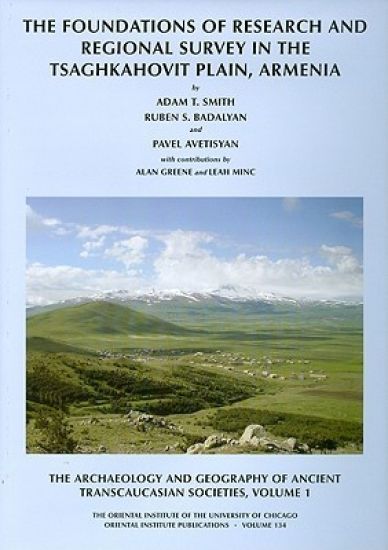
The Archaeology and Geography of Ancient Transcaucasian Societies, Volume I
P. S. Avetisyan; R. S. Badalyan; Alan Greene; Adam T. Smith
Oriental Institute of the University of Chicago
2009
sidottu
Until recently, the South Caucasus was a virtual /terra/ /incognita/ on Western archaeological maps of southwest Asia. The conspicuous absence of marked places, of site names, toponyms, and topography gave the impression of a region distant, unknown, and vacant. The Joint American-Armenian Project for the Archaeology and Geography of Ancient Transcaucasian Societies (Project ArAGATS) was founded in 1998 to explore this terrain. Our investigations were guided by two overarching goals: to illuminate the social and political transformations central to the regions unique (pre)history and to explore the broader intellectual implications of collaboration between the rich archaeological traditions of Armenia (former U.S.S.R.) and the United States. This volume provides the first encompassing report on the ongoing studies of Project ArAGATS, detailing the general context of contemporary archaeological research in the South Caucasus as well as the specific context of our regional investigations in the Tsaghkahovit Plain of central Armenia. The book opens with detailed examinations of the history of archaeology in the South Caucasus, the theoretical problems that currently orient archaeological research, and a comprehensive reevaluation of the material bases for regional chronology and periodization. The work then provides the complete results of our regional investigations in the Tsaghkahovit Plain, including the findings of the first systematic pedestrian survey ever conducted in the Caucasus. Thanks to the results presented in this volume, and Project ArAGATSs ongoing excavations in the area, the Tsaghkahovit Plain is today the best known archaeological region in the South Caucasus. The present volume thus provides archaeologists with both an orientation to the prehistory of the South Caucasus and the complete findings of the first phase of Project ArAGATSs field investigations.
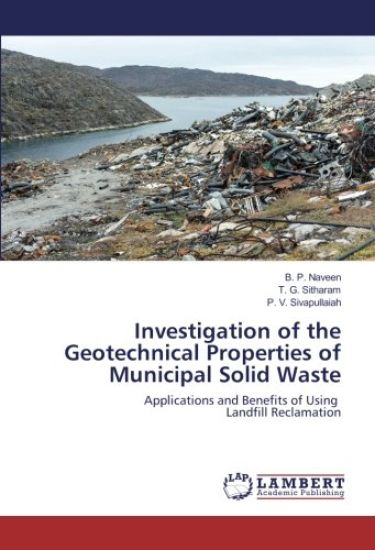
Investigation of the Geotechnical Properties of Municipal Solid Waste
B. P. Naveen; T. G. Sitharam; P. V. Sivapullaiah
Lap Lambert Academic Publishing
2016
nidottu
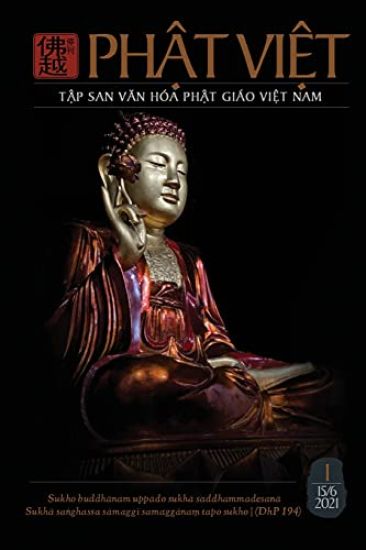
T?p San PH?T VI?T
C. Mindfulness LLC and Bodhi Media Publisher
2021
pokkari

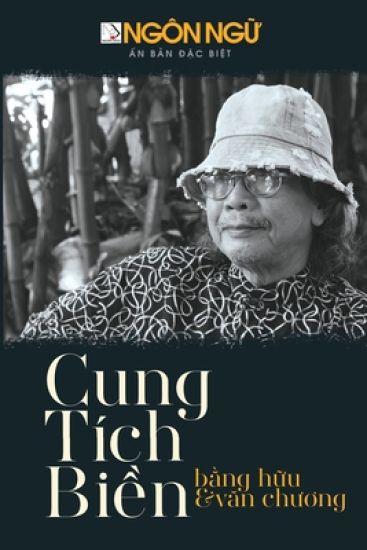
T?p Ch? Ng?n Ng? - Cung Tich Bi?n
IngramSpark
2023
pokkari
NG N NGỮTẠP CH VĂN HỌC NGHỆ THUẬTSỐ ĐẶC BIỆT CUNG T CH BIỀNTh ng 2 Năm 2023NH M CHỦ TRƯƠNG: Lu n Ho n - Song Thao - Nguyễn Vy Khanh - Hồ Đ nh Nghi m -L H nCỘNG T C TRONG SỐ N Y: Ban Mai, B i Vĩnh Ph c, Du Tử L , Đặng Ch u Long, Đặng Thơ Thơ, Ho ng Ngọc Thư, Huỳnh Ngọc Chiến, L Hữu, Li u Th i, L Đợi, Ng Nguy n Nghiễm, Nguyễn Đức T ng, Nguyễn Lương Vỵ, Nguyễn Tấn Cứ, Nguyễn Vy Khanh, Phạm Huy Đường, Phạm Vi m Phương, Trần Do n Nho, Trần Đạo, Trần Tiến Dũng, Trần Tuấn Kiệt, Trần Vũ, Trịnh Y Thư.B A: Uy n Nguy n Trần TriếtD N TRANG: L H nLI N LẠC: Thư v b i vở mời gởi về -Lu n Ho n: [email protected] Thao: [email protected] A SOẠN & TRỊ SỰ L H n: (408) 722-5626 [email protected]

T?p Ch? NG?N NG? S? 25 (1 th?ng 5 nam 2023)
IngramSpark
2023
pokkari
NG N NGỮTẠP CH VĂN HỌC NGHỆ THUẬTSỐ 25 1/5/2023 NH M CHỦ TRƯƠNG: Lu n Ho n - Song Thao - Nguyễn Vy Khanh - Hồ Đ nh Nghi m - L H n CỘNG T C TRONG SỐ N Y: Ben OH, Cao Nguy n, Cao Thu C c, Chu Nguy n Thảo, Chu Vương Miện, Dan Ho ng, Du Tử L , Dung Thị V n, Dương Thắng, Đặng Kim C n, Đặng Hiền, Đinh Trường Chinh, Đinh Văn Tuấn, Ho ng Hoa Thương, Ho ng Qu n, Ho ng Xu n Sơn, Hồ Ch Bửu, Hồ Đ nh Nghi m, Hồ Xoa, Huỳnh Liễu Ngạn, Huỳnh Minh Lệ, Kiều Huệ, L m Băng Phương, Letamanh, L Chiều Giang, L H n, L Hứa Huyền Tr n, L Hữu Minh To n, L Minh Hiền, L Thị Cẩm Hương, Lu n Ho n, Lưu L ng Kh ch, Lương Thiếu Văn, M.H. Ho i Linh Phương, Minh Đạo Đo n Vinh, Minh Ngọc, Ng n Thương, Nhị Ng , Nguy n Cẩn, Nguyễn An B nh, Nguyễn Ch u, Nguyễn Dạ Quỳnh, Nguyễn Đ nh To n, Nguyễn Đức Nam, Nguyễn Ho ng Qu n, Nguyễn Kiến Thiết, Nguyễn L Hồng Hưng, Nguyễn Nh Ti n, Nguyễn Mộng Gi c, Nguyễn Nguy n Phượng, Nguyễn Th i Dương, Nguyễn Văn Điều, Nguyễn Văn Gia, Nguyễn Viết Kim, Nguyễn Vy Khanh, Ngự Thuyết, Orchid L m Quỳnh, Phạm Cao Ho ng, Phạm Hiền M y, Phạm Ph Minh, Phan Việt Thủy, Phương Tấn, Quan Dương, Quỳnh Nguyễn, Song Thao, Th i T Hạp, Thanh Trắc Nguyễn Văn, Thiếu Khanh, Thục Uy n, Thy An, Tiểu Lục Thần Phong, Tiểu Nguyệt, T n Nữ Mỹ Hạnh, Trang Ch u, Trang Th y, Trần Dzạ Lữ, Trần Huy B ch, Trần Thanh Quang, Trần Thị Nguyệt Mai, Trần Văn L m, Trần Vấn Lệ, Trần Y n H a, Triều Hoa Đại, Tr c Lan, Trung Ch nh Hồ, Trương Văn D n, Trương Xu n Mẫn, Vinh Hồ, V Kỳ Điền, V Ph , V Qu , Xuy n Tr . B A: Uy n Nguy n Trần TriếtTRANH B A: Uy n Nguy n Trần TriếtD N TRANG: L H nĐỌC BẢN THẢO: Trần Thị Nguyệt Mai, Song ThaoLI N LẠC: Thư v b i vở mời gởi về - Lu n Ho n: [email protected] Song Thao: [email protected] A SOẠN & TRỊ SỰ L H n: (408) 722-5626 [email protected]

T?p Ch? NG?N NG? S? 26 (1 th?ng 7 nam 2023)
IngramSpark
2023
pokkari
NG N NGỮTẠP CH VĂN HỌC NGHỆ THUẬTSỐ 26 1/7/2023 NH M CHỦ TRƯƠNG: Lu n Ho n - Song Thao - Nguyễn Vy Khanh - Hồ Đ nh Nghi m - L H n CỘNG T C TRONG SỐ N Y: Ban Mai, Ben OH, Cao Nguy n, Cao Vị Khanh, Chu Vương Miện, Dan Ho ng, Dung Thị V n, Duy n, Đặng Hiền, Đặng Xu n Xuyến, H Ngọc Ho ng, Ho i Huyền Thanh, Ho ng Kim Oanh, Ho ng Ngọc H a, Ho ng Xu n Sơn, Huệ Thu, Huỳnh Liễu Ngạn, Huỳnh Ngọc Thương, Huỳnh Như Phương, Huỳnh Thị Quỳnh Nga, Kiều Huệ, Khuất Đẩu, L m Băng Phương, Letamanh, L Chiều Giang, L H , L H n, L Hứa Huyền Tr n, L Hữu Minh To n, L Minh Hiền, L Thanh H ng, Lu n Ho n, Lữ Kiều, Lữ Quỳnh, Lưu L ng Kh ch, M.H. Ho i Linh Phương, Ng Du Tử, Ng n Thương, NgH, Nguy n Cẩn, Nguyễn An B nh, Nguyễn Ch u, Nguyễn Đ nh Phượng Uyển, Nguyễn Đức Nam, Nguyễn L Hồng Hưng, Nguyễn Lệ Uy n, Nguyễn Minh Nữu, Nguyễn Nguy n Phượng, Nguyễn S ng Trẹm, Nguyễn Th i Dương, Nguyễn Thị Kh nh Minh, Nguyễn Thị Tịnh Thy, Nguyễn Văn Điều, Nguyễn Văn Gia, Nguyễn Văn S m, Nguyễn Vy Khanh, NP Phan, Phạm Cao Ho ng, Phạm Hiền M y, Phương Tấn, Song Thao, Th i T Hạp, Thanh Trắc Nguyễn Văn, Thy An, Tiểu Lục Thần Phong, Tiểu Nguyệt, T n Nữ Mỹ Hạnh, Trần C. Tr , Trần Ho i Anh, Trần Ho i Thư, Trần Thanh Quang, Trần Thị Cổ T ch, Trần Thị Nguyệt Mai, Trần Vấn Lệ, Triều Hoa Đại, Tr c Lan, Trung Ch nh Hồ, Trương Văn D n, Trương Xu n Mẫn, Uy n Nguy n, Vinh Hồ, V Ph , Vũ Khắc Tĩnh, Vương Ho i Uy n, Xuy n Tr , Zulu DC. B A: Uy n Nguy n Trần TriếtTRANH B A: Uy n Nguy n Trần TriếtD N TRANG: L H nĐỌC BẢN THẢO: Trần Thị Nguyệt Mai, Song ThaoLI N LẠC: Thư v b i vở mời gởi về - Lu n Ho n: [email protected] Song Thao: [email protected] A SOẠN & TRỊ SỰ L H n: (408) 722-5626 [email protected]
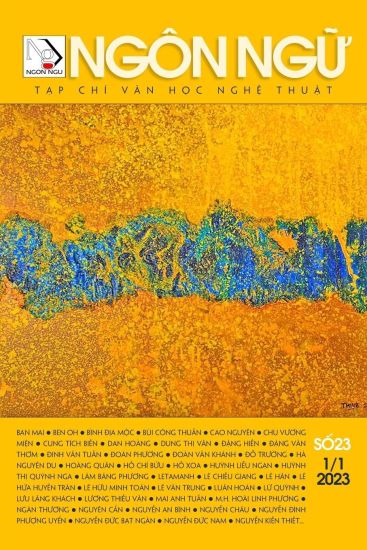
T?p Chí NGÔN NG? S? 23 (1 tháng 1 nam 2023)
IngramSpark
2023
pokkari
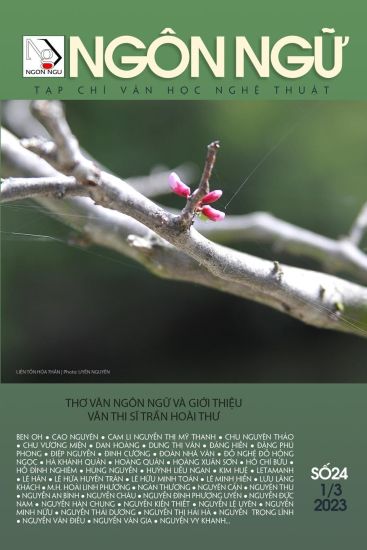
T?p Chí NGÔN NG? S? 24 (1 tháng 3 nam 2023)
IngramSpark
2023
pokkari
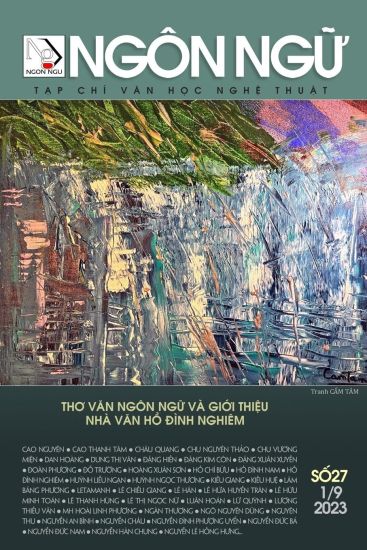
T?p Ch? NG?N NG? S? 27 (1 th?ng 9 nam 2023)
IngramSpark
2023
pokkari
NG N NGỮTẠP CH VĂN HỌC NGHỆ THUẬTSỐ 27 1/9/2023 NH M CHỦ TRƯƠNG: Lu n Ho n - Song Thao - Nguyễn Vy Khanh - Hồ Đ nh Nghi m - L H n CỘNG T C TRONG SỐ N Y: Cao Nguy n, Cao Thanh T m, Ch u Quang, Chu Nguy n Thảo, Chu Vương Miện, Dan Ho ng, Dung Thị V n, Đặng Hiền, Đặng Kim C n, Đặng Xu n Xuyến, Đo n Phương, Đỗ Trường, Ho ng Xu n Sơn, Hồ Ch Bửu, Hồ Đ nh Nam, Hồ Đ nh Nghi m, Huỳnh Liễu Ngạn, Huỳnh Ngọc Thương, Kiều Giang, Kiều Huệ, L m Băng Phương, Letamanh, L Chiều Giang, L H n, L Hứa Huyền Tr n, L Hữu Minh To n, L Thanh H ng, L Thị Ngọc Nữ, Lu n Ho n, Lữ Quỳnh, Lương Thiếu Văn, Ng n Thương, Ng Nguy n Dũng, Nguy n Thu, Nguyễn An B nh, Nguyễn Ch u, Nguyễn Đức B , Nguyễn Đức Nam, Nguyễn H n Chung, Nguyễn L Hồng Hưng, Nguyễn Minh Nữu, Nguyễn Th i Dương, Nguyễn Thanh Sơn, Nguyễn Văn Điều, Nguyễn Văn Gia, Nguyễn Vy Khanh, Nhật Quang, Nhật Uyển, Như Ho i, Phạm Cao Ho ng, Phương Tấn, Quan Dương, Song Thao, Tiểu Lục Thần Phong, Tiểu Nguyệt, Th i T Hạp, Thanh Thanh, Thanh Trắc Nguyễn Văn, Thi n Di SG, Thi n H , Thục Uy n, Thương Tử T m, Trang Ch u, Trần C. Tr , Trần Do n Nho, Trần Thanh Quang, Trần Thị Cổ T ch, Trần Thị Nguyệt Mai, Trần Thị Tr c Hạ, Triều Hoa Đại, Tr c Lan, Trần Trung Thuần, Trần Vấn Lệ, Trần Xu n Thụy, Trung Ch nh Hồ, Trương Xu n Mẫn, Vinh Hồ, V C ng Li m, V Kỳ Điền, V Ph , V Qu , Vũ Khắc Tĩnh, Vương Ho i Uy n B A: Uy n Nguy n Trần Triết TRANH B A: Cẩm T mPHỤ BẢN: Tranh thơ Lu n Ho n D N TRANG: L H n ĐỌC BẢN THẢO: Trần Thị Nguyệt Mai LI N LẠC: Thư v b i vở mời gởi về - Lu n Ho n: [email protected] Song Thao: [email protected] T A SOẠN & TRỊ SỰ L H n: (408) 722-5626 [email protected]
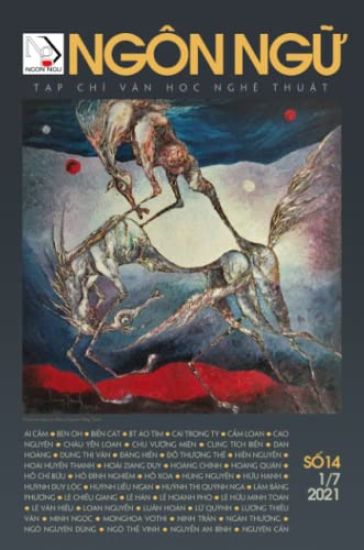
Tạp Ch Ng n Ngữ Số 14 ph t h nh ng y 1 th ng 7 năm 2021