
Kirjahaku
Etsi kirjoja tekijän nimen, kirjan nimen tai ISBN:n perusteella.
1000 tulosta hakusanalla Tommaso Termanini

Tommaso und feine Dolci
BoD - Books on Demand
2024
sidottu
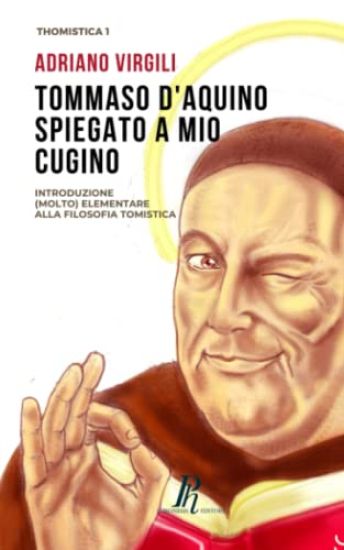
Tommaso d'Aquino un gigante della filosofia, eppure il suo pensiero generalmente considerato superato. Se in parte questo dovuto ai diversi secoli che separano la cultura del suo tempo dalla nostra, in parte anche dovuto al fatto che i lettori moderni possono rimanere spiazzati dall'ampiezza dei temi che questi affronta, non lasciando fuori praticamente alcun campo della conoscenza. Tuttavia, un giusto approccio al suo pensiero pu rivelare quanto spesso le sue idee sui diversi argomenti possano risultare rilevanti anche per l'oggi, nonostante l'apparente semplicit dei concetti base che egli introduce come strumenti per analizzare qualsiasi oggetto di indagine. Inoltre, e soprattutto, l'Aquinate ha davvero tantissimo da dire attorno alle domande e ai dubbi della contemporaneit , offrendo una chiave di lettura valida per molte questioni aperte del nostro tempo. Nel presente libro, l'autore riesce a sintetizzare efficacemente la filosofia di Tommaso senza indulgere in tecnicismi e mantenendo sempre un occhio aperto sul presente.

A friend of Galileo and author of the renowned utopia The City of the Sun, Tommaso Campanella (Stilo, Calabria,1568- Paris, 1639) is one of the most significant and original thinkers of the early modern period. His philosophical project centred upon the idea of reconciling Renaissance philosophy with a radical reform of science and society. He produced a complex and articulate synthesis of all fields of knowledge – including magic and astrology. During his early formative years as a Dominican friar, he manifested a restless impatience towards Aristotelian philosophy and its followers. As a reaction, he enthusiastically embraced Bernardino Telesio’s view that knowledge could only be acquired through the observation of things themselves, investigated through the senses and based on a correct understanding of the link between words and objects. Campanella’s new natural philosophy rested on the principle that the books written by men needed to be compared with God’s infinite book of nature, allowing them to correct the mistakes scattered throughout the human ‘copies’ which were always imperfect, partial and liable to revisions. It is in the light of these principles that he defended Galileo’s right to read the book of nature while denouncing the mistake of those – be they Aristotelian philosophers or theologians – who wanted to stop him from carrying on his natural investigations. However, Campanella maintained that the book of nature, far from being written in mathematical characters, was a living organism in which each natural being was endowed with life and a degree of sensibility that was appropriate for its preservation and propagation. Nature as a whole was an organism in which each single part was directed towards the common good. This is the reason why Campanella thought that nature had to be regarded as an ideal model for any political organisation. Political structures were often ruled by injustice and violence precisely because they haddeparted from that natural model. This book charts Campanella’s intellectual life by showing the origin, development and persistence of some of the fundamental tenets of his thought.

A friend of Galileo and author of the renowned utopia The City of the Sun, Tommaso Campanella (Stilo, Calabria,1568- Paris, 1639) is one of the most significant and original thinkers of the early modern period. His philosophical project centred upon the idea of reconciling Renaissance philosophy with a radical reform of science and society. He produced a complex and articulate synthesis of all fields of knowledge – including magic and astrology. During his early formative years as a Dominican friar, he manifested a restless impatience towards Aristotelian philosophy and its followers. As a reaction, he enthusiastically embraced Bernardino Telesio’s view that knowledge could only be acquired through the observation of things themselves, investigated through the senses and based on a correct understanding of the link between words and objects. Campanella’s new natural philosophy rested on the principle that the books written by men needed to be compared with God’s infinite book of nature, allowing them to correct the mistakes scattered throughout the human ‘copies’ which were always imperfect, partial and liable to revisions. It is in the light of these principles that he defended Galileo’s right to read the book of nature while denouncing the mistake of those – be they Aristotelian philosophers or theologians – who wanted to stop him from carrying on his natural investigations. However, Campanella maintained that the book of nature, far from being written in mathematical characters, was a living organism in which each natural being was endowed with life and a degree of sensibility that was appropriate for its preservation and propagation. Nature as a whole was an organism in which each single part was directed towards the common good. This is the reason why Campanella thought that nature had to be regarded as an ideal model for any political organisation. Political structures were often ruled by injustice and violence precisely because they haddeparted from that natural model. This book charts Campanella’s intellectual life by showing the origin, development and persistence of some of the fundamental tenets of his thought.

Tommaso Campanellas "Der Sonnenstaat" entstand w hrend seiner Gefangenschaft - verfasst von einem Denker, der wegen seiner berzeugungen ber Wahrheit und Gerechtigkeit verfolgt wurde. Die B rger des Sonnenstaates leben ohne Privateigentum, ihre Gesellschaft ist auf Erkenntnis, Gleichheit und Tugend gegr ndet. Campanellas Entwurf steht in der Tradition von Platons "Politeia" und Thomas Morus' "Utopia", zugleich k ndigt er den Geist der Aufkl rung an. Diese Ausgabe folgt der bew hrten bersetzung von Ignaz Emanuel Wessely, welche bis heute f r ihre Klarheit und Genauigkeit gesch tzt wird. Hier als Taschenbuch-Neuausgabe in gut lesbarer Schriftgr e. Die Rechtschreibung wurde beibehalten, offensichtliche Druckfehler wurden korrigiert. Tommaso Campanella. Der Sonnenstaat. Idee eines philosophischen Gemeinwesens. Ein poetischer Dialog. bersetzt von Ignaz Emanuel Wessely. Enstehung: berliefert als anomymes Manuskript in italienischer Sprache: La Citt del Sole, manoscritto anonimo, Trento, 1602. Erstdruck in lateinischer Sprache unter dem Titel: F. Thomae Campanellae: CIVITAS SOLIS. Poetica. Idea Reipublicae Philosophicae, Frankfurt am Main 1623. Erstdruck der hier vorliegenden bersetzung: Ernst Verlag, M nchen 1900. Durchgesehener Neusatz, der Text dieser Ausgabe folgt dem Erstdruck. Neuausgabe, G ttingen 2025. LIWI Literatur- und Wissenschaftsverlag

Tommaso Campanellas "Der Sonnenstaat" entstand w hrend seiner Gefangenschaft - verfasst von einem Denker, der wegen seiner berzeugungen ber Wahrheit und Gerechtigkeit verfolgt wurde. Die B rger des Sonnenstaates leben ohne Privateigentum, ihre Gesellschaft ist auf Erkenntnis, Gleichheit und Tugend gegr ndet. Campanellas Entwurf steht in der Tradition von Platons "Politeia" und Thomas Morus' "Utopia", zugleich k ndigt er den Geist der Aufkl rung an. Diese Ausgabe folgt der bew hrten bersetzung von Ignaz Emanuel Wessely, welche bis heute f r ihre Klarheit und Genauigkeit gesch tzt wird. Hier als gebundene Neuausgabe in gut lesbarer Schriftgr e. Mit Leseb ndchen. Die Rechtschreibung wurde beibehalten, offensichtliche Druckfehler wurden korrigiert. Tommaso Campanella. Der Sonnenstaat. Idee eines philosophischen Gemeinwesens. Ein poetischer Dialog. bersetzt von Ignaz Emanuel Wessely. Enstehung: berliefert als anomymes Manuskript in italienischer Sprache: La Citt del Sole, manoscritto anonimo, Trento, 1602. Erstdruck in lateinischer Sprache unter dem Titel: F. Thomae Campanellae: CIVITAS SOLIS. Poetica. Idea Reipublicae Philosophicae, Frankfurt am Main 1623. Erstdruck der hier vorliegenden bersetzung: Ernst Verlag, M nchen 1900. Durchgesehener Neusatz, der Text dieser Ausgabe folgt dem Erstdruck. Neuausgabe, G ttingen 2025. LIWI Literatur- und Wissenschaftsverlag
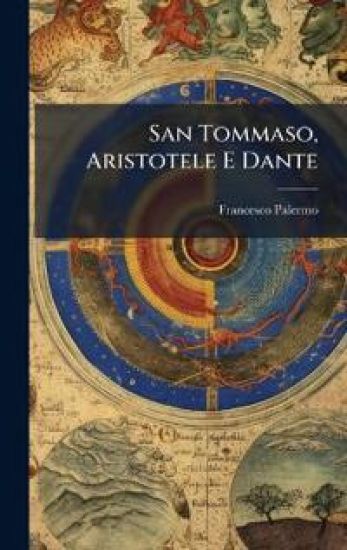
San Tommaso, Aristotele E Dante
Francesco Palermo; Francesco Anonymous
Hutson Street Press
2025
sidottu

Fra Tommaso Campanella la sua Congiura, I Suoi Processi e la Sua Pazzia
Luigi Amabile
Createspace Independent Publishing Platform
2012
nidottu
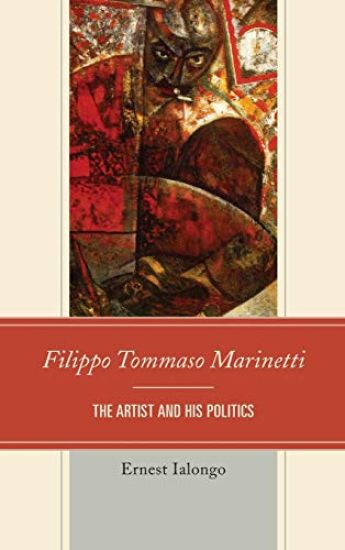
Filippo Tommaso Marinetti: The Artist and His Politics explores the politics of the leader of the Futurist art movement. Emerging in Italy in 1909, Futurism sought to propel Italy into the modern world, and is famously known for outlandish claims to want to destroy museums and libraries in order to speed this transition. Futurism, however, also had a much darker political side. It glorified war as the solution to many of Italy’s ills, and was closely tied to the Fascist Regime. In this book, Ialongo focuses on Marinetti as the chief determinant of Futurist politics and explores how a seemingly revolutionary art movement, at one point having some support among revolutionary left-wing movements in Italy, could eventually become so intimately tied to the repressive Fascist regime. Ialongo traces Marinetti’s politics from before the foundation of Futurism, through the Great War, and then throughout the twenty-year Fascist dictatorship, using a wide range of published and unpublished sources. Futurist politics are presented within the wider context of developments in Italy and Europe, and Ialongo further highlights how Marinetti’s political choices influenced the art of his movement.
Filippo Tommaso Marinetti: The Artist and His Politics explores the politics of the leader of the Futurist art movement. Emerging in Italy in 1909, Futurism sought to propel Italy into the modern world, and is famously known for outlandish claims to want to destroy museums and libraries in order to speed this transition. Futurism, however, also had a much darker political side. It glorified war as the solution to many of Italy’s ills, and was closely tied to the Fascist Regime. In this book, Ialongo focuses on Marinetti as the chief determinant of Futurist politics and explores how a seemingly revolutionary art movement, at one point having some support among revolutionary left-wing movements in Italy, could eventually become so intimately tied to the repressive Fascist regime. Ialongo traces Marinetti’s politics from before the foundation of Futurism, through the Great War, and then throughout the twenty-year Fascist dictatorship, using a wide range of published and unpublished sources. Futurist politics are presented within the wider context of developments in Italy and Europe, and Ialongo further highlights how Marinetti’s political choices influenced the art of his movement.


Fra Tommaso Campanella, la sua congiura, i suoi processi e la sua pazzia
Luigi Amabile
Outlook Verlag
2023
pokkari

Fra Tommaso Campanella, la sua congiura, i suoi processi e la sua pazzia
Luigi Amabile
Outlook Verlag
2023
sidottu
Fra Tommaso Campanella, la sua congiura, i suoi processi e la sua pazzia
Luigi Amabile
Outlook Verlag
2023
pokkari

Fra Tommaso Campanella, la sua congiura, i suoi processi e la sua pazzia
Luigi Amabile
Outlook Verlag
2023
sidottu

Fra Tommaso Campanella, la sua congiura, i suoi processi e la sua pazzia
Luigi Amabile
Outlook Verlag
2023
pokkari