The Collins International Primary Computing Stage 4 Workbook is written with a range of international contexts in mind and is designed to be used in lessons alongside the Student’s Book. As an essential companion to the Student’s Book, the Workbook offers a range of exciting activities to help students consolidate understanding, think creatively and plan practical tasks, and to record, evaluate and reflect on their learning, supporting metacognition.The clear and engaging pages offer a mix of fun and varied activities such as quizzes, ‘Rate your progress’ and reflection tasks as well as structured frameworks to record thoughts and ideas, and develop computational thinking and ensuring no learner is left behind.End-of-chapter reflection features help students to assess their progress and understand how they can improve.Following the same chapter and unit structure as the Student’s Book, the clearly signalled Workbook activities provide further practice and extension material for learners of all levels, to support and enhance learning.The Collins International Primary Computing series provides in-depth coverage of the Cambridge curriculum frameworks for Primary Computing (0059) and Primary Digital Literacy (0072), as well as the UK national curriculum for Computing at primary level
The Collins International Primary Computing Stage 5 Workbook is written with a range of international contexts in mind and is designed to be used in lessons alongside the Studentâ??s Book.
The Collins International Primary Computing Stage 6 Workbook is written with a range of international contexts in mind and is designed to be used in lessons alongside the Student’s Book. As an essential companion to the Student’s Book, the Workbook offers a range of exciting activities to help students consolidate understanding, think creatively and plan practical tasks, and to record, evaluate and reflect on their learning, supporting metacognition.The clear and engaging pages offer a mix of fun and varied activities such as quizzes, ‘Rate your progress’ and reflection tasks as well as structured frameworks to record thoughts and ideas, and develop computational thinking and ensuring no learner is left behind.End-of-chapter reflection features help students to assess their progress and understand how they can improve.Following the same chapter and unit structure as the Student’s Book, the clearly signalled Workbook activities provide further practice and extension material for learners of all levels, to support and enhance learning.The Collins International Primary Computing series provides in-depth coverage of the Cambridge curriculum frameworks for Primary Computing (0059) and Primary Digital Literacy (0072), as well as the UK national curriculum for Computing at primary level
The Stage 1 Teacher’s Guide offers comprehensive teacher support, providing everything needed to teach with confidence using the Collins International Primary Computing Stage 1 Student’s Book and Workbook. • Collins International Primary Computing series provides in-depth coverage of the Cambridge curriculum frameworks for Primary Computing (0059) and Primary Digital Literacy (0072), as well as the UK national curriculum for Computing at primary level. • The course is organised around six themes relating to computing and digital literacy – Our digital world; Content creation; Create with code; How computers work; Connect the world; The power of data. The chapter overviews and lesson summaries show how these themes are developed in Stage 1, helping teachers to plan their course. • The Teacher’s Guide offers a detailed lesson plan for every unit, giving guidance on how to run the session, including lesson objectives, reference to key pedagogies, mapping grids, worksheets, resource sheets, answers, support for assessing end-of-chapter projects and ‘Build on this’ extension activities. • The lesson plans and introduction provide valuable subject knowledge and support for non-specialists. This includes summaries of the key computing pedagogies used in the resources, and references to further reading to develop teachers’ own practice. • Built around an internationally sound pedagogy, this framework for teaching provides real-life contexts and culturally responsive examples into a project-based approach and incorporates all learners’ knowledge, ways of learning, and heritage; where learners are given more of an opportunity to choose appropriate contexts for themselves. • The accompanying downloads, available on the Collins site, includes PDF and editable Word versions of all the resources in the Teacher’s Guide, to print and adapt, as well as source files, mapping grids, worksheets, resource sheets and recommended sites to support practical tasks with a host of resources to supplement teaching. • Written by Flip Computing, a team of female experts who have a breadth of computing experience across industry, education and research, and their culturally responsive approach provides teachers with an accessible and inclusive learning experience for all ages and inspires greater participation and tech career pathways for all. • Supports teachers to prepare learners for a seamless transition to Stage 2.
The Stage 3 Teacher’s Guide offers comprehensive teacher support, providing everything needed to teach with confidence using the Collins International Primary Computing Stage 3 Student’s Book and Workbook. Full teacher support to accompany the Collins International Primary Computing Stage 3 Student’s Book for the Cambridge Primary Computing (0059) and the Cambridge Primary Digital Literacy (0072) frameworks – the Teacher’s Guide content is matched lesson-by-lesson to the Student’s Book. Focused around the five strands of Computing – Computational Thinking; Programming; Managing Data; Networks and Digital Communication; Computer Systems – the Teacher’s Guide provides everything you need to teach the Student’s Book with utmost confidenceThe series also offers complete coverage of the Cambridge Primary Digital Literacy framework as well as the UK National Curriculum’s KS1, KS2 and KS3 Programmes of Study for ComputingThe Teacher’s Guide will breakdown the subject content of the Student’s Book in detailed lesson plans for every spread, offering teachers detailed guidance on lesson objectives, lesson summaries, end of chapter projects and ‘Build on this’ extension activities. Providing valuable subject knowledge and support for non-specialist Computing teachers, particularly at Primary levelAccompanying downloads, available on the Collins site, include source files, answers to every activity and questions in the Student Book, PowerPoint presentations and sites to accompany practical tasks with a host of resources to supplement teachingStage 3 allow learners to create a code of conduct for communicating online and present it to the headteacher, create an image slideshow on a topic of their choosing, create an underwater scene with scenery and at least one swimming sprite, design an Internet of Things device to help reach a UN Sustainable Development Goal, design and build a project that includes one input and one output using a BBC micro:bit and use data to solve a problem in their school or local communitySupports teachers to prepare learners for a seamless transition to Stage 4.
The Stage 5 Teacherâ??s Guide offers comprehensive teacher support, providing everything needed to teach with confidence using the Collins International Primary Computing Stage 5 Studentâ??s Book and Workbook.
The Stage 6 Teacher’s Guide offers comprehensive teacher support, providing everything needed to teach with confidence using the Collins International Primary Computing Stage 6 Student’s Book and Workbook. Collins International Primary Computing series provides in-depth coverage of the Cambridge curriculum frameworks for Primary Computing (0059) and Primary Digital Literacy (0072), as well as the UK national curriculum for Computing at primary level.The course is organised around six themes relating to computing and digital literacy – Our digital world; Content creation; Create with code; How computers work; Connect the world; The power of data. The chapter overviews and lesson summaries show how these themes are developed in Stage 6, helping teachers to plan their course.The Teacher’s Guide offers a detailed lesson plan for every unit, giving guidance on how to run the session, including lesson objectives, reference to key pedagogies, mapping grids, worksheets, resource sheets, answers, support for assessing end-of-chapter projects and ‘Build on this’ extension activities.The lesson plans and introduction provide valuable subject knowledge and support for non-specialists. This includes summaries of the key computing pedagogies used in the resources, and references to further reading to develop teachers’ own practice.Built around an internationally sound pedagogy, this framework for teaching provides real-life contexts and culturally responsive examples into a project-based approach and incorporates all learners’ knowledge, ways of learning, and heritage; where learners are given more of an opportunity to choose appropriate contexts for themselves.The accompanying downloads, available on the Collins site, includes PDF and editable Word versions of all the resources in the Teacher’s Guide, to print and adapt, as well as source files, mapping grids, worksheets, resource sheets and recommended sites to support practical tasks with a host of resources to supplement teaching.Written by Flip Computing, a team of female experts who have a breadth of computing experience across industry, education and research, and their culturally responsive approach provides teachers with an accessible and inclusive learning experience for all ages and inspires greater participation and tech career pathways for all.Supports teachers to prepare learners for a seamless transition to Lower Secondary Computing Stage 7.
Collins International Lower Secondary Computing series is structured around six themes relating to computing and digital literacy and offers learners a comprehensive and engaging approach to learning, enhanced by real-world applications. Each chapter is organised to develop essential skills, leading learners towards the creation of a final project. The project-based activities nurture creative skills and give learners the opportunity to make decisions and develop projects that matter to them. Stage 7 projects focus on everything from designing a flowchart for a guess the number game, to creating a method for encrypting text, giving children the tools to build key computing and ICT skills, linking the five strands of theory to the practice of computing, and showing learners how computers work. Collins International Lower Secondary Computing series provides in-depth coverage of the Cambridge curriculum frameworks for Lower Secondary Computing (0860) and Lower Secondary Digital Literacy (0082) as well as the UK national curriculum for Computing at secondary level.Each chapter enables students to develop their computing and digital literacy skills through a fun, practical and relatable project. Stage 7 helps learners to design a flowchart for a guess the number game, create a method for encrypting text, train a machine learning model to work with a game designed in Scratch, design and record a news report and Plan, test, and build a device to make their classroom accessible.Learners will build their understanding throughout the stage, using a rich variety of sources with an international focus to support their learning.With regular opportunities for discussion, group work, investigation and design, the Student’s Book and Workbook encourage active learning throughout. This includes ‘unplugged’ learning to explore concepts and foster computational thinking skills. Each chapter concludes with an opportunity for learners to build and showcase their own work, consolidating their learning through self or peer assessment and reflection.Clear explanations, visually engaging activities and ‘Key terms’ features are designed to support young learners, especially those with English as a second or additional language.The course includes the latest hardware and software information, additionally exploring Artificial Intelligence and AI images and empowers learners to navigate the online world safely by equipping them with crucial digital safety skills.Written by Flip Computing – Rebecca Franks, Liz Smart and Dr Tracy Gardner – an all female team of experts with a breadth of computing experience across industry, education and research, and their culturally responsive approach provides teachers with an accessible and inclusive learning experience for all ages and inspires greater participation and tech career pathways for all.Will prepare students for a seamless transition to Lower Secondary Computing Stage 8.
The Collins International Lower Secondary Computing Stage 7 Workbook is written with a range of international contexts in mind and is designed to be used in lessons alongside the Student’s Book. As an essential companion to the Student’s Book, the Workbook offers a range of exciting activities to help students consolidate understanding, think creatively and plan practical tasks, and to record, evaluate and reflect on their learning, supporting metacognition.The clear and engaging pages offer a mix of fun and varied activities such as quizzes, ‘Rate your progress’ and reflection tasks as well as structured frameworks to record thoughts and ideas, and develop computational thinking and ensuring no learner is left behind.End-of-chapter reflection features help students to assess their progress and understand how they can improve.Following the same chapter and unit structure as the Student’s Book, the clearly signalled Workbook activities provide further practice and extension material for learners of all levels, to support and enhance learning.The Collins International Lower Secondary Computing series provides in-depth coverage of the Cambridge curriculum frameworks for Lower Secondary Computing (0860) and Lower Secondary Digital Literacy (0082), as well as the UK national curriculum for Computing at secondary level
The Stage 2 Teacher’s Guide offers comprehensive teacher support, providing everything needed to teach with confidence using the Collins International Primary Computing Stage 2 Student’s Book and Workbook. Collins International Primary Computing series provides in-depth coverage of the Cambridge curriculum frameworks for Primary Computing (0059) and Primary Digital Literacy (0072), as well as the UK national curriculum for Computing at primary level. The course is organised around six themes relating to computing and digital literacy – Our digital world; Content creation; Create with code; How computers work; Connect the world; The power of data. The chapter overviews and lesson summaries show how these themes are developed in Stage 2, helping teachers to plan their course. The Teacher’s Guide offers a detailed lesson plan for every unit, giving guidance on how to run the session, including lesson objectives, reference to key pedagogies, mapping grids, worksheets, resource sheets, answers, support for assessing end-of-chapter projects and ‘Build on this’ extension activities. The lesson plans and introduction provide valuable subject knowledge and support for non-specialists. This includes summaries of the key computing pedagogies used in the resources, and references to further reading to develop teachers’ own practice. Built around an internationally sound pedagogy, this framework for teaching provides real-life contexts and culturally responsive examples into a project-based approach and incorporates all learners’ knowledge, ways of learning, and heritage; where learners are given more of an opportunity to choose appropriate contexts for themselves. The accompanying downloads, available on the Collins site, includes PDF and editable Word versions of all the resources in the Teacher’s Guide, to print and adapt, as well as source files, mapping grids, worksheets, resource sheets and recommended sites to support practical tasks with a host of resources to supplement teaching. Written by Flip Computing, a team of female experts who have a breadth of computing experience across industry, education and research, and their culturally responsive approach provides teachers with an accessible and inclusive learning experience for all ages and inspires greater participation and tech career pathways for all. Supports teachers to prepare learners for a seamless transition to Stage 3.
Object-oriented inheritance has been in widespread use for a decade, and it is now realised that although inheritance is a powerful modelling tool with many associated advantages, its benefits are not automatically conferred on systems that simply use it.This book introduces a model of inheritance based around five fundamental inheritance relationships. Each relationship has a clear conceptual basis, representing a fundamental, specialised use of inheritance. The resulting model replaces a confused notion of inheritance with five distinct conceptual relationships supporting more precise modelling of systems and capturing the semantic intent of each use of inheritance within a system.
Object-oriented inheritance has been in widespread use for a decade, and it is now realised that although inheritance is a powerful modelling tool with many associated advantages, its benefits are not automatically conferred on systems that simply use it. This book introduces a model of inheritance based around five fundamental inheritance relationships. Each relationship has a clear conceptual basis, representing a fundamental, specialised use of inheritance. The resulting model replaces a confused notion of inheritance with five distinct conceptual relationships supporting more precise modelling of systems and capturing the semantic intent of each use of inheritance within a system.
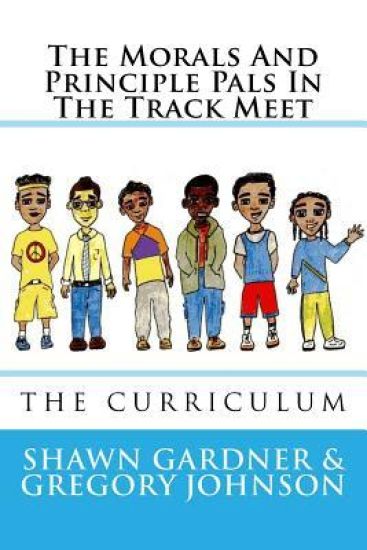
This curriculum unit is designed to teach the concepts of Morality and Principles using children and adolescent literature. It is intended to build the confidence of young children to be aware of consequences of choices in their lives and to be able to make productive decisions in their lives. Children will read The Morals and Principle Pals in the Track Meet. Using the characters in the book, children will identify character traits that build success in life. The culminating project will be to create a presentation to show others how to utilize the life skills learned in the unit. The focus of the unit is for children in elementary or middle school. It is appropriate for schools, after school programs, and summer programs. It is primarily designed for inner city children and young adults although the concepts of healthy, strong morals and principles can be used in all settings.
This curriculum is a unit designed to teach the concepts of Morality and Principles using children and adolescent literature. It is intended to build the confidence of youth while offering exposure to consequences that arise based on one's choices and the productive decisions they are able to make in their lives. Once Children read The Morals and Principle Pals In The Track Meet, they will use the characters in the book to identify character traits that build success in life. The culminating project will be to create a presentation to show others how to utilize the life skills learned in this unit. The focus of this unit's curriculum is for children in elementary or middle school. It is appropriate for schools, after school programs, and summer programs. It is primarily designed for inner city children and young adults, although the concepts of healthy, strong morals and principles can be used in all settings.