Observera att förlaget som ger ut denna produkt baserar innehållet i sina produkter på fria källor som Wikipedia. Boken är med stor sannolikhet endast ett utdrag ur dessa informationskällor, alltså inte en vanlig bok i den bemärkelsen.
Observera att förlaget som ger ut denna produkt baserar innehållet i sina produkter på fria källor som Wikipedia. Boken är med stor sannolikhet endast ett utdrag ur dessa informationskällor, alltså inte en vanlig bok i den bemärkelsen.
Observera att förlaget som ger ut denna produkt baserar innehållet i sina produkter på fria källor som Wikipedia. Boken är med stor sannolikhet endast ett utdrag ur dessa informationskällor, alltså inte en vanlig bok i den bemärkelsen.
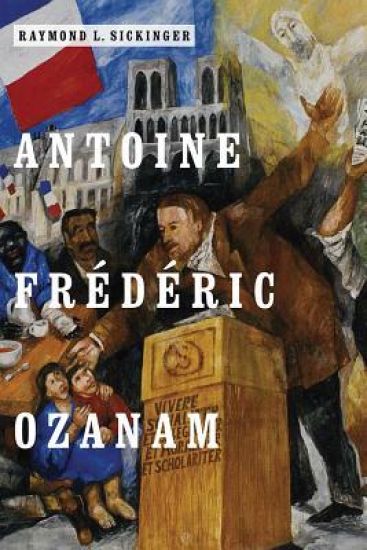
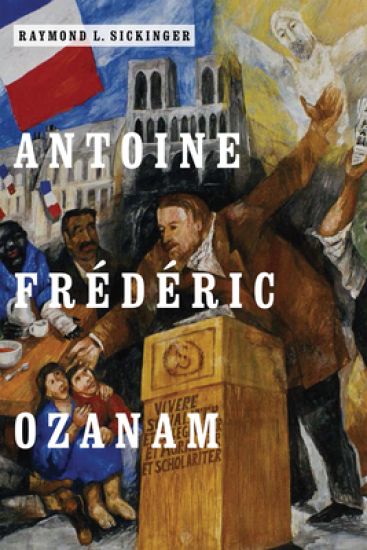
Raymond Sickinger's biography of Antoine Frédéric Ozanam is more than a chronological account of Ozanam's relatively brief but extraordinary life. It is also a comprehensive study of a man who touched many lives as a teacher, writer, and principal founder of the Society of St. Vincent de Paul. Ozanam's life encompassed a particularly turbulent time in French history, and he was a witness to two major political upheavals—the overthrow of the Bourbon dynasty that brought Louis Philippe to power in 1830, and the end of Louis Philippe's "Bourgeois Monarchy" as a result of the 1848 Revolutions. This book examines Ozanam's life in a number of ways. First, it explores the various roles he played throughout his life—son, sibling, student, member of and an inspiration for the Society of St. Vincent de Paul, spouse and father, scholar, and spokesperson for the common people. Second, it examines the lessons he learned in his life, including the importance of friendship, the meaning of solidarity, and the role and purpose of suffering, among many others that he shares with those who study his thought and work. It concludes with an account of Ozanam's enduring legacy. Antoine Frédéric Ozanam feared that he would not have a fruitful career, but his legacy remains a powerful testimony to his greatness. This book will interest scholars wishing to know more about Ozanam and the period in which he lived, as well as a wider audience, including those who are aware of or are members of the Society of St. Vincent de Paul.
Raymond Sickinger's biography of Antoine Frédéric Ozanam is more than a chronological account of Ozanam's relatively brief but extraordinary life. It is also a comprehensive study of a man who touched many lives as a teacher, writer, and principal founder of the Society of St. Vincent de Paul. Ozanam's life encompassed a particularly turbulent time in French history, and he was a witness to two major political upheavals—the overthrow of the Bourbon dynasty that brought Louis Philippe to power in 1830, and the end of Louis Philippe's "Bourgeois Monarchy" as a result of the 1848 Revolutions. This book examines Ozanam's life in a number of ways. First, it explores the various roles he played throughout his life—son, sibling, student, member of and an inspiration for the Society of St. Vincent de Paul, spouse and father, scholar, and spokesperson for the common people. Second, it examines the lessons he learned in his life, including the importance of friendship, the meaning of solidarity, and the role and purpose of suffering, among many others that he shares with those who study his thought and work. It concludes with an account of Ozanam's enduring legacy. Antoine Frédéric Ozanam feared that he would not have a fruitful career, but his legacy remains a powerful testimony to his greatness. This book will interest scholars wishing to know more about Ozanam and the period in which he lived, as well as a wider audience, including those who are aware of or are members of the Society of St. Vincent de Paul.
This book covers the life of John Frederic Oberlin from his adolescence to his death. It provides adequate details of the relationships between Oberlin's life and work and the social and intellectual currents of his time, with impartiality and rational perspective.
This book covers the life of John Frederic Oberlin from his adolescence to his death. It provides adequate details of the relationships between Oberlin's life and work and the social and intellectual currents of his time, with impartiality and rational perspective.
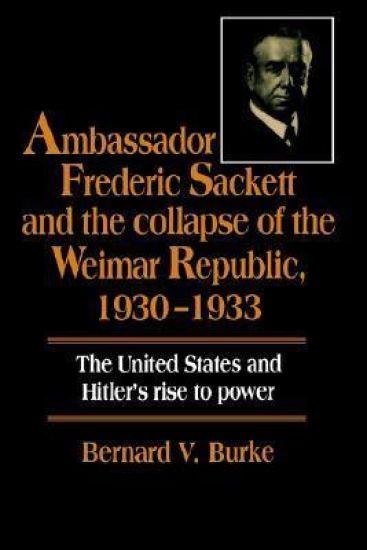
This book details a striking political relationship between American Ambassador Frederic Sackett and German Chancellor Heinrich Brüning and their attempts to save the Weimar Republic, achieve German nationalist goals, and thwart Adolf Hitler's drive to power. Sackett believed that financial policy was at the heart of German problems and, unless resolved, could be the basis for Hitler's success. Very early in his tenure in Berlin, Sackett saw Hitler and the Nazis as a serious danger to the Weimar Republic and to peace in Europe. The American thought that misrule by incompetent and inefficient Nazis would pave the way for a communist state. Although at first he saw the Nazis as harbingers of worse to come, in time he came to see Hitler as the real threat to democracy in Germany.
This book details a striking political relationship between American Ambassador Frederic Sackett and German Chancellor Heinrich Brüning and their attempts to save the Weimar Republic, achieve German nationalist goals, and thwart Adolf Hitler’s drive to power. Sackett believed that financial policy was at the heart of German problems and, unless resolved, could be the basis for Hitler’s success. Very early in his tenure in Berlin, Sackett saw Hitler and the Nazis as a serious danger to the Weimar Republic and to peace in Europe. The American thought that misrule by incompetent and inefficient Nazis would pave the way for a communist state. Although at first he saw the Nazis as harbingers of worse to come, in time he came to see Hitler as the real threat to democracy in Germany.
Harold Frederic - American Writers 83 was first published in 1969. Minnesota Archive Editions uses digital technology to make long-unavailable books once again accessible, and are published unaltered from the original University of Minnesota Press editions.
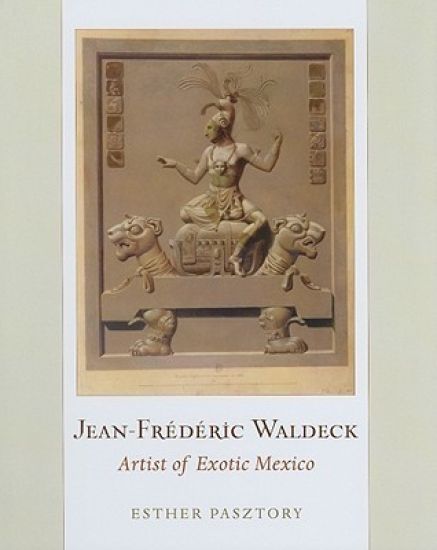
One of the first artists to visit the Mayan ruins at Palenque after Mexican independence, Jean-Frederic Waldeck has long been dismissed as unreliable, his drawings of pre-Columbian art marred by his excessive interest in European styles of beauty. With this fresh look at Waldeck's entire output, including his desire to exhibit at Paris salons, his reconstructions of Mayan and Aztec subjects can be understood as art rather than illustration. Pasztory sees him as a unique Neoclassicist who has never been fully appreciated. In addition to illustrating Maya antiquities in the days before photography, Waldeck painted imaginary reconstructions of pre-Columbian life and rituals and scenes of everyday life in nineteenth-century Mexico. Most his contemporaries looking for exotic subject matter went east and are now referred to as Orientalists. Waldeck went west and found the exotic in the New World, but as Esther Pasztory suggests, he is an Orientalist in spirit. Waldeck's work was not considered interesting or important in its day, but twenty-first century viewers can appreciate his sensibility, which combines the modern domestic with the ancient mythic and features a theatrical version of Neoclassicism that looks forward to a Hollywood that would not exist until decades after the artist's death in 1875 at the age of 109.