Triggerwarnung: In diesem Buch geht es um Essst rung, Selbstverletzung und Depression.***Niemals w re Lydia auf die Idee gekommen, dass etwas nicht stimmen k nnte. Doch pl tzlich lernt sie jemanden kennen und ihre ganze Welt ver ndert sich. Sie schwimmen auf einer Wellenl nge und f hlen sich sehr vertraut miteinander. Doch genau diese Verbundenheit wird zu einem Problem. Die Wahrheit, die ans Licht kommt, hinterl sst ein tiefes Loch in ihrem Herzen. Damit nicht noch mehr Geheimnisse aufgedeckt werden, wird Lydia ins Internat geschickt. Doch hindert diese Distanz sie nicht daran, dass sie sich ihrer Gef hle zu jemandem, den sie nicht lieben darf, immer bewusster wird. Und gerade als Lydia zu sich findet und akzeptiert, wird ihr erneut der Boden unter den F en gerissen und das Loch, in das sie f llt, ist sehr viel tiefer als alles, was sie bis dahin erlebte.***"Du machst dir zu viele Gedanken. Es muss doch nicht so laufen. Warum musst du mir immer wieder meine Fehler vorhalten?""Weil sie mir wehtaten. Es w re mir nicht so wichtig, wenn du mir nicht so viel bedeuten w rdest."***Sie war so einsam. Nein, sie wollte keine Beziehung. Sie wollte einen Freund. Jemanden, der sie einfach so in den Arm nahm. Trost spendete, behutsam ber ihre Haare strich und ihr das Gef hl von Geborgenheit vermittelte. Sie sp rte mitten im Sommer eine K lte um sich herum.***
Triggerwarnung In diesem Buch geht es um Depression, Alkohol und Selbstverletzung Lydia verbindet kaum noch etwas mit ihrer Vergangenheit, bis sie zu einer Beerdigung muss und all jene wieder sieht, die sie ihr ganzes Leben lang angelogen hatten. Kann sie das, was geschehen ist, hinter sich lassen, verzeihen und von vorne beginnen? Lydia versucht es, bis eine gro e Trag die ber sie hereinbricht. Nun wird nichts mehr so sein, wie es war. Denn pl tzlich muss Lydia eine Entscheidung treffen, die nicht nur ihr gesamtes Leben auf den Kopf stellt, sondern auch das von allen anderen.***"Manchmal ist Liebe einfach nicht genug, verstehst du? Mein Herz ist in tausend St cke gerissen und nicht mal die st rkste Liebe kann das wieder flicken. Aber es ist okay. Mir schwirrt der Kopf und ich suche nach Antworten. Ich werde viel Kraft brauchen in den n chsten Tagen. Irgendwann. Nur nicht jetzt"***- Die Fortsetzung von "Lydia 1 - Zerplatzte Tr ume"
Lydia Maria Francis Child (born Lydia Maria Francis) (February 11, 1802 - October 20, 1880), was an American abolitionist, women's rights activist, Native American rights activist, novelist, journalist, and opponent of American expansionism. Her journals, both fiction and domestic manuals, reached wide audiences from the 1820s through the 1850s. At times she shocked her audience as she tried to take on issues of both male dominance and white supremacy in some of her stories. Despite these challenges, Child may be most remembered for her poem "Over the River and Through the Wood." Her grandparents' house, which she wrote about visiting, was restored by Tufts University in 1976 and stands near the Mystic River on South Street, in Medford, Massachusetts.She was born Lydia Maria Francis in Medford, Massachusetts, on February 11, 1802, to Susannah (n e Rand) and Convers Francis. Her older brother, Convers Francis, was educated at Harvard College and Seminary, and became a Unitarian minister. Child received her education at a local dame school and later at a women's seminary. Upon the death of her mother, she went to live with her older sister in Maine, where she studied to be a teacher. During this time, her brother Convers, by then a Unitarian minister, saw to his younger sister's education in literary masters such as Homer and Milton. Francis chanced to read an article in the North American Review discussing the field offered to the novelist by early New England history. Although she had never thought of becoming an author, she immediately wrote the first chapter of her novel Hobomok. Encouraged by her brother's commendation, she finished it in six weeks and had it published. From this time until her death, she wrote continually. Francis taught for one year in a seminary in Medford, and in 1824 started a private school in Watertown, Massachusetts. In 1826, she founded the Juvenile Miscellany, the first monthly periodical for children published in the United States, and supervised its publication for eight years. In 1828, she married David Lee Child and moved to Boston.
Lydia Maria Francis Child (born Lydia Maria Francis) (February 11, 1802 - October 20, 1880), was an American abolitionist, women's rights activist, Native American rights activist, novelist, journalist, and opponent of American expansionism. Her journals, both fiction and domestic manuals, reached wide audiences from the 1820s through the 1850s. At times she shocked her audience as she tried to take on issues of both male dominance and white supremacy in some of her stories. Despite these challenges, Child may be most remembered for her poem "Over the River and Through the Wood." Her grandparents' house, which she wrote about visiting, was restored by Tufts University in 1976 and stands near the Mystic River on South Street, in Medford, Massachusetts.She was born Lydia Maria Francis in Medford, Massachusetts, on February 11, 1802, to Susannah (n e Rand) and Convers Francis. Her older brother, Convers Francis, was educated at Harvard College and Seminary, and became a Unitarian minister. Child received her education at a local dame school and later at a women's seminary. Upon the death of her mother, she went to live with her older sister in Maine, where she studied to be a teacher. During this time, her brother Convers, by then a Unitarian minister, saw to his younger sister's education in literary masters such as Homer and Milton. Francis chanced to read an article in the North American Review discussing the field offered to the novelist by early New England history. Although she had never thought of becoming an author, she immediately wrote the first chapter of her novel Hobomok. Encouraged by her brother's commendation, she finished it in six weeks and had it published. From this time until her death, she wrote continually. Francis taught for one year in a seminary in Medford, and in 1824 started a private school in Watertown, Massachusetts. In 1826, she founded the Juvenile Miscellany, the first monthly periodical for children published in the United States, and supervised its publication for eight years. In 1828, she married David Lee Child and moved to Boston.
Lydia Maria Francis Child (born Lydia Maria Francis) (February 11, 1802 - October 20, 1880), was an American abolitionist, women's rights activist, Native American rights activist, novelist, journalist, and opponent of American expansionism. Her journals, both fiction and domestic manuals, reached wide audiences from the 1820s through the 1850s. At times she shocked her audience as she tried to take on issues of both male dominance and white supremacy in some of her stories. Despite these challenges, Child may be most remembered for her poem "Over the River and Through the Wood." Her grandparents' house, which she wrote about visiting, was restored by Tufts University in 1976 and stands near the Mystic River on South Street, in Medford, Massachusetts.She was born Lydia Maria Francis in Medford, Massachusetts, on February 11, 1802, to Susannah (n e Rand) and Convers Francis. Her older brother, Convers Francis, was educated at Harvard College and Seminary, and became a Unitarian minister. Child received her education at a local dame school and later at a women's seminary. Upon the death of her mother, she went to live with her older sister in Maine, where she studied to be a teacher. During this time, her brother Convers, by then a Unitarian minister, saw to his younger sister's education in literary masters such as Homer and Milton. Francis chanced to read an article in the North American Review discussing the field offered to the novelist by early New England history. Although she had never thought of becoming an author, she immediately wrote the first chapter of her novel Hobomok. Encouraged by her brother's commendation, she finished it in six weeks and had it published. From this time until her death, she wrote continually. Francis taught for one year in a seminary in Medford, and in 1824 started a private school in Watertown, Massachusetts. In 1826, she founded the Juvenile Miscellany, the first monthly periodical for children published in the United States, and supervised its publication for eight years. In 1828, she married David Lee Child and moved to Boston.
Lydia Maria Francis Child (born Lydia Maria Francis) (February 11, 1802 - October 20, 1880), was an American abolitionist, women's rights activist, Native American rights activist, novelist, journalist, and opponent of American expansionism. Her journals, both fiction and domestic manuals, reached wide audiences from the 1820s through the 1850s. At times she shocked her audience as she tried to take on issues of both male dominance and white supremacy in some of her stories. Despite these challenges, Child may be most remembered for her poem "Over the River and Through the Wood." Her grandparents' house, which she wrote about visiting, was restored by Tufts University in 1976 and stands near the Mystic River on South Street, in Medford, Massachusetts.She was born Lydia Maria Francis in Medford, Massachusetts, on February 11, 1802, to Susannah (n e Rand) and Convers Francis. Her older brother, Convers Francis, was educated at Harvard College and Seminary, and became a Unitarian minister. Child received her education at a local dame school and later at a women's seminary. Upon the death of her mother, she went to live with her older sister in Maine, where she studied to be a teacher. During this time, her brother Convers, by then a Unitarian minister, saw to his younger sister's education in literary masters such as Homer and Milton. Francis chanced to read an article in the North American Review discussing the field offered to the novelist by early New England history. Although she had never thought of becoming an author, she immediately wrote the first chapter of her novel Hobomok. Encouraged by her brother's commendation, she finished it in six weeks and had it published. From this time until her death, she wrote continually. Francis taught for one year in a seminary in Medford, and in 1824 started a private school in Watertown, Massachusetts. In 1826, she founded the Juvenile Miscellany, the first monthly periodical for children published in the United States, and supervised its publication for eight years. In 1828, she married David Lee Child and moved to Boston
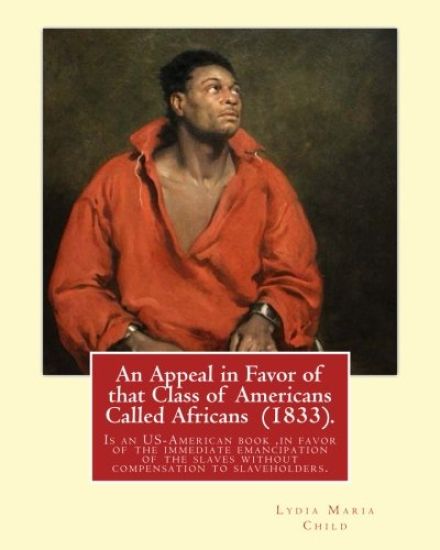
An Appeal in Favor of That Class of Americans Called Africans is an 1833 US-American book by Lydia Maria Child in favor of the immediate emancipation of the slaves without compensation to slaveholders.It is known as the first book in support of this policy, written by a white woman..... Lydia Maria Francis Child (born Lydia Maria Francis) (February 11, 1802 - October 20, 1880), was an American abolitionist, women's rights activist, Native American rights activist, novelist, journalist, and opponent of American expansionism. Her journals, both fiction and domestic manuals, reached wide audiences from the 1820s through the 1850s. At times she shocked her audience as she tried to take on issues of both male dominance and white supremacy in some of her stories. Despite these challenges, Child may be most remembered for her poem "Over the River and Through the Wood." Her grandparents' house, which she wrote about visiting, was restored by Tufts University in 1976 and stands near the Mystic River on South Street, in Medford, Massachusetts. Early life and education: She was born Lydia Maria Francis in Medford, Massachusetts, on February 11, 1802, to Susannah (n e Rand) and Convers Francis. Her older brother, Convers Francis, was educated at Harvard College and Seminary, and became a Unitarian minister. Child received her education at a local dame school and later at a women's seminary. Upon the death of her mother, she went to live with her older sister in Maine, where she studied to be a teacher. During this time, her brother Convers, by then a Unitarian minister, saw to his younger sister's education in literary masters such as Homer and Milton. Francis chanced to read an article in the North American Review discussing the field offered to the novelist by early New England history. Although she had never thought of becoming an author, she immediately wrote the first chapter of her novel Hobomok. Encouraged by her brother's commendation, she finished it in six weeks and had it published. From this time until her death, she wrote continually. Francis taught for one year in a seminary in Medford, and in 1824 started a private school in Watertown, Massachusetts. In 1826, she founded the Juvenile Miscellany, the first monthly periodical for children published in the United States, and supervised its publication for eight years.In 1828, she married David Lee Child and moved to Boston. Career: Early writings: Following the success of Hobomok, Child wrote several novels, poetry, and an instruction manual for mothers, The Mothers Book; but her most successful work was The Frugal Housewife. Dedicated to those who are not ashamed of Economy. First published in 1829, the book was expanded and went through 33 printings in 25 years. Child wrote that her book had been "written for the poor...those who can afford to be epicures will find the best of information in the Seventy-five Receipts" by Eliza Leslie. Child changed the title to The American Frugal Housewife in 1832 to end the confusion with the British author Susannah Carter's The Frugal Housewife first published in 1765, and then printed in America from 1772. Child wrote that Carter's book was not suited "to the wants of this country". To add further confusion, from 1832-1834 Child's version was printed in London and Glasgow.....
Lydia Huntley Sigourney (1791-1865) was the most widely read and respected pre-Civil War American woman poet in the English-speaking world. In a half-century career, Sigourney produced a wide range of poetry and prose envisaging the United States as a new kind of republic with a unique mission in history, in which women like herself had a central role. This edition contributes to the current recovery of Sigourney and her republican vision from the oblivion into which they were cast by the aftermath of the Civil War, the construction of a male-dominated American "national" literary canon, and the aesthetics of Modernism.In this Broadview edition, a representative selection of poetry and prose from across her career illustrates Sigourney's national vision and the diversity of forms she used to promote it. In the appendices, letters and documents illustrate her challenges and working methods in what she called her "kitchen in Parnassus."
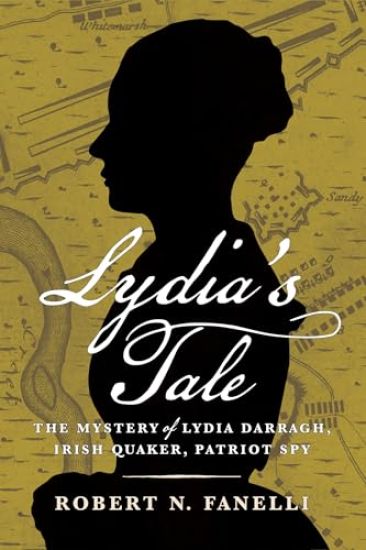
Lydia Darragh is famed for eavesdropping on British General William Howe's staff as they planned a surprise attack, then sneaking through the lines to give warning to American soldiers. Her actions are said to have saved George Washington's army from a devastating ambush as it lay starving and freezing on the barren hills of Whitemarsh at the end of 1777. But did the secret she brought to the Patriots really prevent their defeat? Why would a professed pacifist choose to risk her life by intervening in military affairs? Who was the mysterious intelligence officer she met between the lines? Was her story even true? Lydia's Tale: The Mystery of Lydia Darragh, Irish Quaker, Patriot Spy by Robert N. Fanelli uncovers a myriad of previously unknown records, knitting together for the first time the life and experiences of this remarkable heroine of the American Revolution who lived in the heart of Philadelphia. Behind her story we find an assertive woman who took an active hand in the affairs of her family and her community. Drawing on genealogical sources, legal documents, and other correspondence, the author reconstructs Lydia Darragh's early life in Dublin, her livelihood in Pennsylvania, and how the Revolution shaped her and her children's lives. Exploring the context of Lydia's tale sheds light on the activities of women in Revolutionary Philadelphia, reveals the complex issues faced by pacifist Quakers in a time of war, and brings to light the contributions of Irish immigrants in securing America's freedom. The author's careful research reveals little known details and corrects historians' common misapprehensions about the Revolutionary period. Along the way, we meet often overlooked figures, including diarist Christopher Marshall and his family, the irascible Quaker recluse, Bathsheba Bowers, and Blair McClenachan, the wealthy Patriot financier who also served his adopted country as a common soldier. Lydia Darragh is frequently included among that small group of women cited as Revolutionary heroines. This detailed microhistory demonstrates how legend can inform the study of history, describing how one woman's personal reminiscence morphed into a piece of American mythology, now recovered in the historical context it deserves.
They are as poor as a family can be, among those rolling northern hills. Amos and his girls, Lydia and Patience -- with the hired help Lizzie whom Amos can barely afford -- scrape out a meager living on the edge of a town nestled among maple-edged farmlands.But Lydia is as rich with life as the motherless family is poor of pennies. With her friend Kent and even the spoiled Margery she finds play and joy aplenty. Troubles loom ahead, though: sickness, worries, and debts -- and then political turmoil so fierce it threatens to tear the community apart -- and that even more direly threatens the nearby Indians on their ancestral lands.
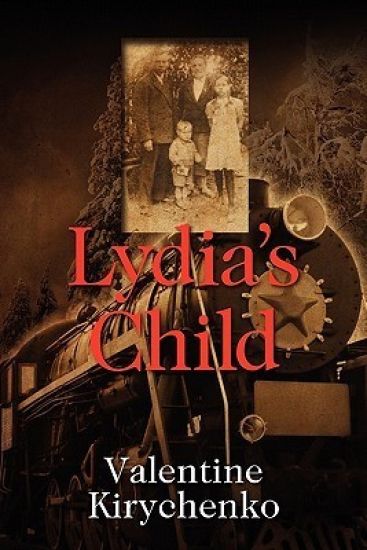
This is the amazing true story of the struggle and survival of the author's family, caught up in the upheavals of World War I, the Russian revolution, Communist rule, and World War II.Valentine Kirychenko's mother, Lydia, and Lydia's family were sent to Siberia at the start of WWI. While returning home after the war ended, eight-year-old Lydia and her two sisters become separated from their mother, Louiza. The girls grow up in the chaos of the Stalin regime, facing oppression, starvation, with death always threatening. During WWII, Lydia and her husband, Ivan, struggle to protect the family during the German occupation. Lydia finally finds her mother and they became reunited. But then the family is taken to Germany to work as slave labor in the munitions factories, enduring unrelenting bombing raids until the factory is destroyed. They manage to find jobs in a village, finally safe until the war's end.After four years in a refugee camp post-war, Ivan moves his loved ones to Australia, beginning a new life far from war-ravaged Europe. Here they grow and prosper in a safe and happy environment.Even when ordinary people are buffeted by forces beyond their control, they can do extraordinary things.About the Author: Valentine Kirychenko wanted to tell his parents' story. "In the context of a migrant family in a foreign country, I realized how their bravery and sacrifice ensured my survival." He is a medical doctor and lives in Sydney, Australia.Publisher's website: http: //www.strategicpublishinggroup.com/title/LydiasChild.html
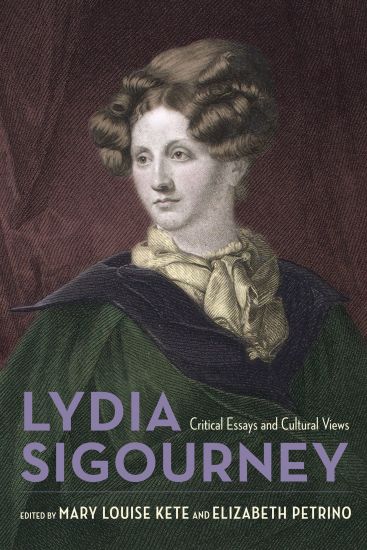
During her lifetime, Lydia Sigourney was acclaimed as nineteenth-century America's most popular woman poet and published widely as a historian, travel writer, essayist, and educator. While serious critical attention to her work languished following her death and into the twentieth century, a growing number of critics and writers have reexamined Sigourney and her large body of writing and have given her a central place in the ""new canon.""This first collection of original essays devoted to the poet's work puts many of the best scholars on Sigourney together in one place and in conversation with one another. The volume includes critical essays examining her literary texts as well as essays that unpack Sigourney's participation in the cultural movements of her day. Holding powerful opinions about the role of women in society, Sigourney was not afraid to advocate against government policies that, in her view, undermined the promise of America, even as she was held up as a paragon of American womanhood and middle-class rectitude. The resulting portrait promises to engage readers who wish to know more about Sigourney's writing, her career, and the causes that inspired her.Along with the volume editors, contributors include Ann Beebe, Paula Bernat Bennett, Janet Dean, Sean Epstein-Corbin, Annie Finch, Gary Kelly, Paul Lauter, Amy J. Lueck, Ricardo Miguel-Alfonso, Jennifer Putzi, Angela Sorby, Joan Wry, and Sandra Zagarell.
Lydia the dragon man in the light it's about a young woman who always seeks out love, but along the way she finds herself in some trouble. She's always asking the Creator why?why? why? Are these things happening? The journey of being clashed and an inner turmoil between the darkness and the light. What will happen to dear Lydia as she faces people with unseemingly dragons behind them? What will happen is she gets to the wit's ends after so long of tragedies, the Lydia see the light or will she let darkness rien throughout her life. Hey everyone I'm Lisa. I'm a mother of four, I love to write, poetry, books, I work as a waitress, I was a former STNA, and I'm working on making my life better to be a good role model for my children to let them know that they too can achieve their dreams. I currently live in Alabama but I grew up in Lakewood Ohio with my family of five. I like music, poetry, reading my Bible and I like to read books of all kinds. You can say I was in a personal hell and the only way out was through the Lord Jesus and seeing how wonderful he is so I decided to write a book of my journey in the way in a fun way that was both a twist between fantasy and reality. I wanted to write a book that anybody could imagine themselves as a main character where they could see things from a different perspective so this book was a way I felt like I could honor God in a different way to help others get closer to God. You can find me on tiktok and Facebook all you have to do is search my name I have poetry and even a little clip for an advertisement for the book. So I hope you enjoy this little book that came from my heart and my experiences in a different way. And I hope that you guys are all having a blessed day because Jesus loves us all and we are all the same. I know God loves all of us even in our different ways.
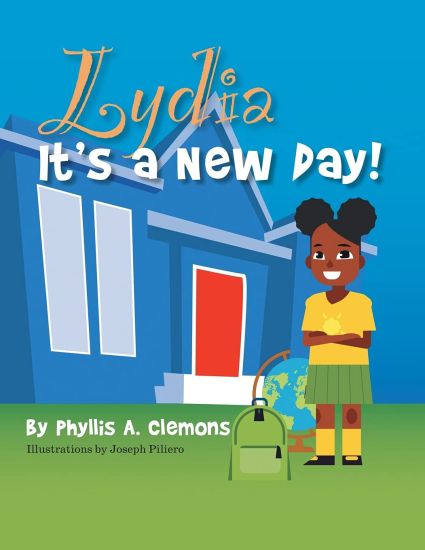
Lydia: It's a New Day is a beautifully illustrated picture book that promotes the power of a supporting family and the biblical foundation that is needed for success in overcoming challenges and disappointment. Readers will find encouragement, the strength to move forward, and be compelled to explore the truths in the word of God. Lydia will help readers appreciate the beauty and the blessing of each new day. This book will complement any collection of children's books. An excellent read-aloud book for families, small groups, and Sunday school classes alike it appeals to the visual learner.



![The Family Nurse. 1837, by Lydia Maria Child: The family nurse; or, Companion of the frugal housewife. [microform]](/covers/9781533077073.jpg)