Kirjojen hintavertailu. Mukana 12 406 084 kirjaa ja 12 kauppaa.

Kirjahaku

Etsi kirjoja tekijän nimen, kirjan nimen tai ISBN:n perusteella.

1000 tulosta hakusanalla Morrison Meade Davis

Objects and Intertexts in Toni Morrison’s "Beloved"

Objects and Intertexts in Toni Morrison’s "Beloved"

Maureen E. Ruprecht Fadem

TAYLOR FRANCIS LTD
2023
nidottu
Objects and Intertexts in Toni Morrison’s “Beloved”: The Case for Reparations is an inspired contribution to the scholarship on one of the most influential American novels and novelists. The author positions this contemporary classic as a meditation on historical justice and re-comprehends it as both a formal tragedy— a generic translation of fiction and tragedy or a “novel-tragedy” (Kliger)—and a novel of objects. Its many things—literary, conceptual, linguistic— are viewed as vessels carrying the (hi)story and the political concerns. From this, a third conclusion is drawn: Fadem argues for a view of Beloved as a case for reparations. That status is founded on two outstanding object lessons: the character of Beloved as embodiment of the subject-object relations defining the slave state and the grammatical object “weather” in the sentence “The rest is…” on the novel’s final page. This intertextual reference places Beloved in a comparative link with Hamlet and Oresteia. Fadem’s research is meticulous in engaging the full spectrum of tragedy theory, much critical theory, and a full swathe of scholarship on the novel. Few critics take up the matter of reparations, still fewer the politics of genre, craft, and form. This scholar posits Morrison’s tragedy as constituting a searing critique of modernity, as composed through meaningful intertextualities and as crafted by profound “thingly” objects (Brown). Altogether, Fadem has divined a fascinating singular treatment of Beloved exploring the connections between form and craft together with critical historical and political implications. The book argues, finally, that this novel’s first concern is justice, and its chief aim to serve as a clarion call for material— and not merely symbolic—reparations.This book is freely available to read at https://taylorandfrancis.com/socialjustice/?c=language-literature-arts#
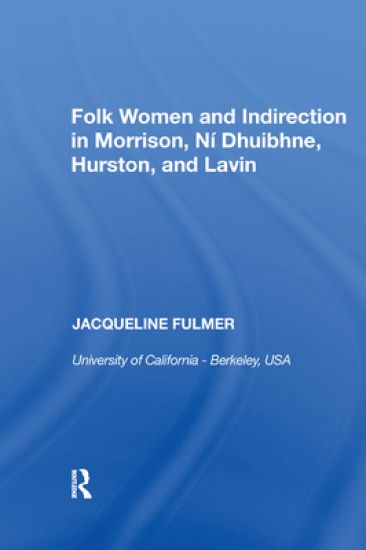
Folk Women and Indirection in Morrison, N Dhuibhne, Hurston, and Lavin
Focusing on the lineage of pivotal African American and Irish women writers, the author argues that these authors often employ strategies of indirection, via folkloric expression, when exploring unpopular topics. This strategy holds the attention of readers who would otherwise reject the subject matter. The author traces the line of descent from Mary Lavin to Éilís Ní Dhuibhne and from Zora Neale Hurston to Toni Morrison, showing how obstacles to free expression, though varying from those Lavin and Hurston faced, are still encountered by Morrison and Ní Dhuibhne. The basis for comparing these authors lies in the strategies of indirection they use, as influenced by folklore. The folkloric characters these authors depict-wild denizens of the Otherworld and wise women of various traditions-help their creators insert controversy into fiction in ways that charm rather than alienate readers. Forms of rhetorical indirection that appear in the context of folklore, such as signifying practices, masking, sly civility, and the grotesque or bizarre, come out of the mouths and actions of these writers' magical and magisterial characters. Old traditions can offer new ways of discussing issues such as sexual expression, religious beliefs, or issues of reproduction. As differences between times and cultures affect what "can" and "cannot" be said, folkloric indirection may open up a vista to discourses of which we as readers may not even be aware. Finally, the folk women of Morrison, Ní Dhuibhne, Hurston, and Lavin open up new points of entry to the discussion of fiction, rhetoric, censorship, and folklore.
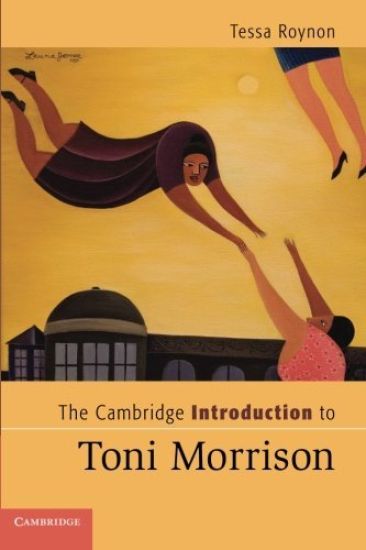
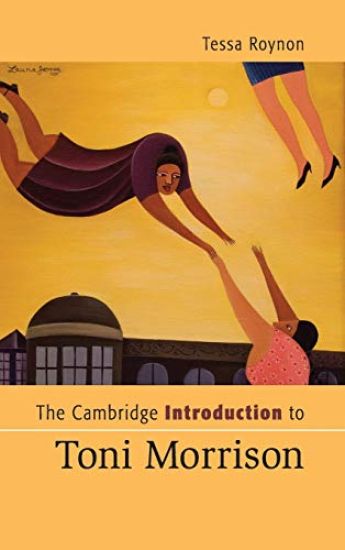
The Cambridge Introduction to Toni Morrison

The Cambridge Introduction to Toni Morrison

Roynon Tessa

Cambridge University Press
2012
pokkari
Toni Morrison has written some of the most significant and demanding fiction of the modern age. Her dazzling depictions of African-American experience are studied in high schools and colleges, debated in the media and analyzed by scholars at an astounding rate. This Introduction offers readers a guide to the world of Morrison in all its complexity, from her status as a key player on the global intellectual stage to her unique perspective on American history and her innovative narrative techniques. Covering every novel from The Bluest Eye to A Mercy, Tessa Roynon combines close readings with critical insights into Morrison's other creative work, such as short stories, libretto and song lyrics and unpublished pieces for performance. Lively and accessibly written, Roynon's insightful text is ideal for readers approaching Morrison for the first time as well as those familiar with her work.
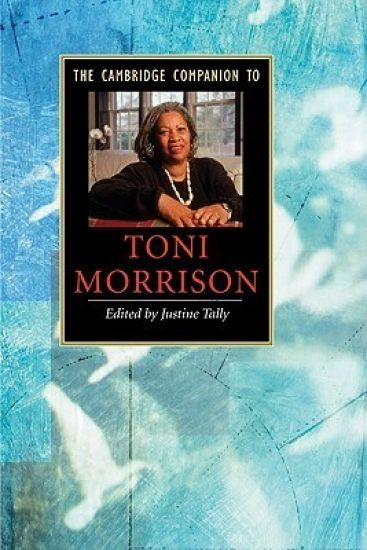
The Cambridge Companion to Toni Morrison
Nobel laureate Toni Morrison is one of the most widely studied of contemporary American authors. Her novels, particularly Beloved, have had a dramatic impact on the American canon and attracted considerable critical commentary. This 2007 Companion introduces and examines her oeuvre as a whole, the first evaluation to include not only her famous novels, but also her other literary works (short story, drama, musical, and opera), her social and literary criticism, and her career as an editor and teacher. Innovative contributions from internationally recognized critics and academics discuss Morrison's themes, narrative techniques, language and political philosophy, and explain the importance of her work to American studies and world literature. This comprehensive and accessible approach, together with a chronology and guide to further reading, makes this an essential book for students and scholars of African American literature.
The Cambridge Companion to Toni Morrison
Nobel laureate Toni Morrison is one of the most widely studied of contemporary American authors. Her novels, particularly Beloved, have had a dramatic impact on the American canon and attracted considerable critical commentary. This 2007 Companion introduces and examines her oeuvre as a whole, the first evaluation to include not only her famous novels, but also her other literary works (short story, drama, musical, and opera), her social and literary criticism, and her career as an editor and teacher. Innovative contributions from internationally recognized critics and academics discuss Morrison's themes, narrative techniques, language and political philosophy, and explain the importance of her work to American studies and world literature. This comprehensive and accessible approach, together with a chronology and guide to further reading, makes this an essential book for students and scholars of African American literature.
Reading and Interpreting the Works of Toni Morrison
Toni Morrison has received the Nobel Prize for Literature, the Pulitzer Prize, and many other awards. In order to fully appreciate what this amazing author has accomplished, students must know where she came from, the era in which she grew up, and how these details influenced the major themes, style, and language of her writing. Through critical analysis, excerpts, and direct quotations from Morrison herself, this biography will allow readers to gain a deeper understanding of her work.
Folk Women and Indirection in Morrison, N Dhuibhne, Hurston, and Lavin
Focusing on the lineage of pivotal African American and Irish women writers, the author argues that these authors often employ strategies of indirection, via folkloric expression, when exploring unpopular topics. This strategy holds the attention of readers who would otherwise reject the subject matter. The author traces the line of descent from Mary Lavin to Éilís Ní Dhuibhne and from Zora Neale Hurston to Toni Morrison, showing how obstacles to free expression, though varying from those Lavin and Hurston faced, are still encountered by Morrison and Ní Dhuibhne. The basis for comparing these authors lies in the strategies of indirection they use, as influenced by folklore. The folkloric characters these authors depict-wild denizens of the Otherworld and wise women of various traditions-help their creators insert controversy into fiction in ways that charm rather than alienate readers. Forms of rhetorical indirection that appear in the context of folklore, such as signifying practices, masking, sly civility, and the grotesque or bizarre, come out of the mouths and actions of these writers' magical and magisterial characters. Old traditions can offer new ways of discussing issues such as sexual expression, religious beliefs, or issues of reproduction. As differences between times and cultures affect what "can" and "cannot" be said, folkloric indirection may open up a vista to discourses of which we as readers may not even be aware. Finally, the folk women of Morrison, Ní Dhuibhne, Hurston, and Lavin open up new points of entry to the discussion of fiction, rhetoric, censorship, and folklore.
Love and Narrative Form in Toni Morrison’s Later Novels
In Love and Narrative Form in Toni Morrison’s Later Novels, Jean Wyatt explores the interaction among ideas of love, narrative innovation, and reader response in Toni Morrison’s seven later novels. Love comes in a new and surprising shape in each of the later novels; for example, Love presents it as the deep friendship between little girls; in Home it acts as a disruptive force producing deep changes in subjectivity; and in Jazz it becomes something one innovates and recreates each moment—like jazz itself. Each novel’s unconventional idea of love requires a new experimental narrative form.Wyatt analyzes the stylistic and structural innovations of each novel, showing how disturbances in narrative chronology, surprise endings, and gaps mirror the dislocated temporality and distorted emotional responses of the novels’ troubled characters and demand that the reader situate the present-day problems of the characters in relation to a traumatic African American past. The narrative surprises and gaps require the reader to become an active participant in making meaning. And the texts’ complex narrative strategies draw out the reader’s convictions about love, about gender, about race—and then prompt the reader to reexamine them, so that reading becomes an active ethical dialogue between text and reader. Wyatt uses psychoanalytic concepts to analyze Morrison’s narrative structures and how they work on readers. Love and Narrative Form devotes a chapter to each of Morrison’s later novels: Beloved, Jazz, Paradise, Love, A Mercy, Home, and God Help the Child.
Love and Narrative Form in Toni Morrison’s Later Novels
In Love and Narrative Form in Toni Morrison’s Later Novels, Jean Wyatt explores the interaction among ideas of love, narrative innovation, and reader response in Toni Morrison’s seven later novels. Love comes in a new and surprising shape in each of the later novels; for example, Love presents it as the deep friendship between little girls; in Home it acts as a disruptive force producing deep changes in subjectivity; and in Jazz it becomes something one innovates and recreates each moment—like jazz itself. Each novel’s unconventional idea of love requires a new experimental narrative form.Wyatt analyzes the stylistic and structural innovations of each novel, showing how disturbances in narrative chronology, surprise endings, and gaps mirror the dislocated temporality and distorted emotional responses of the novels’ troubled characters and demand that the reader situate the present-day problems of the characters in relation to a traumatic African American past. The narrative surprises and gaps require the reader to become an active participant in making meaning. And the texts’ complex narrative strategies draw out the reader’s convictions about love, about gender, about race—and then prompt the reader to reexamine them, so that reading becomes an active ethical dialogue between text and reader. Wyatt uses psychoanalytic concepts to analyze Morrison’s narrative structures and how they work on readers. Love and Narrative Form devotes a chapter to each of Morrison’s later novels: Beloved, Jazz, Paradise, Love, A Mercy, Home, and God Help the Child.
The Female Bildungsroman by Toni Morrison and Maxine Hong Kingston
This study traces the textual construction of identity in the female "Bildungsroman" of Toni Morrison and Maxine Hong Kingston. Deploying the -politics of rememory- in their textual representation of female development, Morrison and Kingston unearth the multiple layers of repressed memories, including personal stories, specific cultural history, and racial experience of African- and Asian-American women. This book analyzes the working through of repressed memories in Morrison's "The Bluest Eye" and "Sula," and Hong Kingston's "The Woman Warrior" and "China Men." The gap between "Bildung" and anti-"Bildung" in these texts highlights the multiple oppression faced by women of color and interrogates the established standards and value system of the hegemonic culture."
From Richard Wright to Toni Morrison

From Richard Wright to Toni Morrison

Jeffrey J. Folks

Peter Lang Publishing Inc
2001
nidottu
"From Richard Wright to Toni Morrison: Ethics in Modern and Postmodern American Narrative" studies the relationship of literature to contemporary ethical problems. Focusing on southern and African American writers, this book employs theoretical approaches from ethnicity studies, regional criticism, and postcolonial theory. It intends to insert a reading of ethics into the critical study of fictional and nonfictional narratives by Richard Wright, James Agee, Flannery O'Connor, Ernest J. Gaines, Walker Percy, Richard Ford, Toni Morrison, and other modern and postmodern American writers.
Approaches to Teaching the Novels of Toni Morrison

Approaches to Teaching the Novels of Toni Morrison

Modern Language Association of America
1997
nidottu
Now at seventy-three volumes, this popular MLA series (ISSN 10591133) addresses a broad range of literary texts. Each volume surveys teaching aids and critical material and brings together essays that apply a variety of perspectives to teaching the text. Upper-level undergraduate and graduate students, student teachers, education specialists, and teachers in all humanities disciplines will find these volumes particularly helpful.
The Cambridge Introduction to Toni Morrison

The Cambridge Introduction to Toni Morrison

Tessa Roynon

Cambridge University Press
2012
sidottu
Toni Morrison has written some of the most significant and demanding fiction of the modern age. Her dazzling depictions of African-American experience are studied in high schools and colleges, debated in the media and analyzed by scholars at an astounding rate. This Introduction offers readers a guide to the world of Morrison in all its complexity, from her status as a key player on the global intellectual stage to her unique perspective on American history and her innovative narrative techniques. Covering every novel from The Bluest Eye to A Mercy, Tessa Roynon combines close readings with critical insights into Morrison's other creative work, such as short stories, libretto and song lyrics and unpublished pieces for performance. Lively and accessibly written, Roynon's insightful text is ideal for readers approaching Morrison for the first time as well as those familiar with her work.
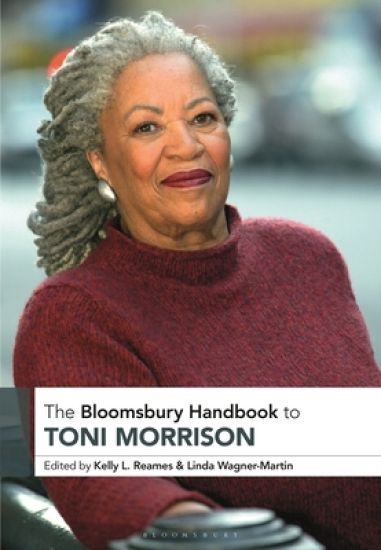
The Bloomsbury Handbook to Toni Morrison
The most substantial collection of critical essays on Morrison to appear since her death in mid-2019, this book contains previously unpublished essays which both acknowledge the universal significance of her writing even as they map new directions. Essayists include pre-eminent Morrison scholars, as well as scholars who work in cultural criticism, African American letters, American modernism, and women’s writing. The book includes work on Morrison as a public intellectual; work which places Morrison’s writing within today’s currents of contemporary fiction; work which draws together Morrison’s “trilogy” of Beloved, Jazz, and Paradise alongside Dos Passos’ USA trilogy; work which links Morrison to such Black Atlantic artists as Lubaina Himid and others as well as work which offers a reading of “influence” that goes both directions between Morrison and Faulkner. Another cluster of essays treats seldom-discussed works by Morrison, including an essay on Morrison as writer of children’s books and as speaker for children’s education. In addition, a “Teaching Morrison” section is designed to help teachers and critics who teach Morrison in undergraduate classes. The Bloomsbury Handbook to Toni Morrison is wide-ranging, provocative, and satisfying; a fitting tribute to one of the greatest American novelists.
The Bloomsbury Handbook to Toni Morrison
The most substantial collection of critical essays on Morrison to appear since her death in mid-2019, this book contains previously unpublished essays which both acknowledge the universal significance of her writing even as they map new directions. Essayists include pre-eminent Morrison scholars, as well as scholars who work in cultural criticism, African American letters, American modernism, and women’s writing. The book includes work on Morrison as a public intellectual; work which places Morrison’s writing within today’s currents of contemporary fiction; work which draws together Morrison’s “trilogy” of Beloved, Jazz, and Paradise alongside Dos Passos’ USA trilogy; work which links Morrison to such Black Atlantic artists as Lubaina Himid and others as well as work which offers a reading of “influence” that goes both directions between Morrison and Faulkner. Another cluster of essays treats seldom-discussed works by Morrison, including an essay on Morrison as writer of children’s books and as speaker for children’s education. In addition, a “Teaching Morrison” section is designed to help teachers and critics who teach Morrison in undergraduate classes. The Bloomsbury Handbook to Toni Morrison is wide-ranging, provocative, and satisfying; a fitting tribute to one of the greatest American novelists.