Kirjojen hintavertailu. Mukana 11 342 296 kirjaa ja 12 kauppaa.

Kirjahaku

Etsi kirjoja tekijän nimen, kirjan nimen tai ISBN:n perusteella.

422 tulosta hakusanalla "Tissue Engineering"

Advanced 3D-Printed Systems and Nanosystems for Drug Delivery and Tissue Engineering
Advanced 3D-Printed Systems and Nanosystems for Drug Delivery and Tissue Engineering explores the intricacies of nanostructures and 3D printed systems in terms of their design as drug delivery or tissue engineering devices, their further evaluations and diverse applications. The book highlights the most recent advances in both nanosystems and 3D-printed systems for both drug delivery and tissue engineering applications. It discusses the convergence of biofabrication with nanotechnology, constructing a directional customizable biomaterial arrangement for promoting tissue regeneration, combined with the potential for controlled bioactive delivery. These discussions provide a new viewpoint for both biomaterials scientists and pharmaceutical scientists.

Biomaterials, Medical Devices and Tissue Engineering: An Integrated Approach
are then selected and must meet the general 'biocompatibility' require­ ments. Prototypes are built and tested to include biocompatibility evalua­ tions based on ASTM standard procedures. The device is validated for sterility and freedom from pyrogens before it can be tested on animals or humans. Medical devices are classified as class I, II or III depending on their invasiveness. Class I devices can be marketed by submitting notification to the FDA. Class II and III devices require either that they show equivalence to a device marketed prior to 1976 or that they receive pre-marketing approval. The time from device conception to FDA approval can range from months (class I device) to in excess of ten years (class III device). Therefore, much planning is necessary to pick the best regulatory approach. 2. Wound Dressings and Skin Replacement 2.1 Introduction Wounds to the skin are encountered every day. Minor skin wounds cause some pain, but these wounds will heal by themselves in time. Even though many minor wounds heal effectively without scarring in the absence of treatment, they heal more rapidly if they are kept clean and moist. Devices such as Band-Aids are used to assist in wound healing. For deeper wounds, a variety of wound dressings have been developed including cell cultured artificial skin. These materials are intended to promote healing of skin damaged or removed as a result of skin grafting, ulceration, burns, cancer excision or mechanical trauma.
Stem Cell Transplantation, Tissue Engineering & Cancer Applications
Among the many applications of stem cell research are nervous system diseases, diabetes, heart disease, autoimmune diseases as well as Parkinson's disease, end-stage kidney disease, liver failure, cancer, spinal cord injury, multiple sclerosis and Alzheimer's disease. Stem cells are self-renewing, unspecialised cells that can give rise to multiple types all of specialised cells of the body. Stem cell research also involves complex ethical and legal considerations since they involve adult, foetal tissue and embryonic sources. This book focuses on transplantation, tissue engineering and cancer applications.
Handbook of Research on Nano-Drug Delivery and Tissue Engineering
With contributions from leading researchers in the nanomedicine field from industry, academia, and government and private research institutions across the globe, the volume provides an up-to-date report on topical issues in nano-drug delivery and nanotechnological approaches to tissue engineering. The volume offers research on a variety of diverse nano-based drug delivery systems along with discussions of their efficacy, safety, toxicology, and applications for different purposes. Focusing on nanotechnology approaches to tissue engineering, this volume considers the use of hydrogel systems, nanoceria and micro- and nano-structured biomaterials for bone tissue engineering, mesenchymal stem cells, and more.
Handbook of Research on Nano-Drug Delivery and Tissue Engineering
With contributions from leading researchers in the nanomedicine field from industry, academia, and government and private research institutions across the globe, the volume provides an up-to-date report on topical issues in nano-drug delivery and nanotechnological approaches to tissue engineering. The volume offers research on a variety of diverse nano-based drug delivery systems along with discussions of their efficacy, safety, toxicology, and applications for different purposes. Focusing on nanotechnology approaches to tissue engineering, this volume considers the use of hydrogel systems, nanoceria and micro- and nano-structured biomaterials for bone tissue engineering, mesenchymal stem cells, and more.
Biomaterials, Artificial Organs and Tissue Engineering
Maintaining quality of life in an ageing population is one of the great challenges of the 21st Century. This book summarises how this challenge is being met by multi-disciplinary developments of specialty biomaterials, devices, artificial organs and in-vitro growth of human cells as tissue engineered constructs. Biomaterials, Artificial Organs and Tissue Engineering is intended for use as a textbook in a one semester course for upper level BS, MS and Meng students. The 25 chapters are organized in five parts: Part one provides an introduction to living and man-made materials for the non-specialist; Part two is an overview of clinical applications of various biomaterials and devices; Part three summarises the bioengineering principles, materials and designs used in artificial organs; Part four presents the concepts, cell techniques, scaffold materials and applications of tissue engineering; Part five provides an overview of the complex socio-economic factors involved in technology based healthcare, including regulatory controls, technology transfer processes and ethical issues.
XXIX Brazilian Congress on Biomedical Engineering - Volume 2: Tissue Engineering, Clinical Engineering and Computational Modeling in Biomedical Engineering
This book reports on the latest research and developments in Biomedical Engineering, with a special emphasis on topics of interest and findings achieved in Latin America. This second volume of a 3-volume set covers a wide range of topics: advances in biomaterials, tissue engineering and artificial organs, nanotechnology applied to health, health management topics and advanced diagnostic tools, computational modeling and simulation for biomedical applications, topics in education in bioengineering and issues in biological metrology and medical devices. Throughout the book, a special emphasis is given to low-cost technologies and to their development for and applications in clinical settings. Based on the XXIX Brazilian Congress on Biomedical Engineering (CBEB 2024), held on September 2-6, 2024, Ribeirão Preto-SP, Brazil, this book provides researchers and professionals in the biomedical engineering field with extensive information on new technologies and current challenges for their clinical applications.
Literature Review on the Application of Nanotechnology in Tissue Engineering
Scientific Essay from the year 2017 in the subject Medicine - Biomedical Engineering, grade: 1, Egerton University (Public Health), course: Medical technology, language: English, abstract: Over the past few decades, the field of tissue engineering seems to have been receiving extensive attention due to its rapid growth. Nanobiotechnology has solved the existing challenge in tissue engineering using the contemporary therapies including poor vascularization of cells, low anatomical integrity of engineered cells/or tissues, immunological incompatibility with the host, and lack of functional cells. Therefore, this paper provides a systematic review of literature on the application of nanotechnology in tissue engineering.
Biomaterials, Medical Devices and Tissue Engineering: An Integrated Approach
are then selected and must meet the general 'biocompatibility' require­ ments. Prototypes are built and tested to include biocompatibility evalua­ tions based on ASTM standard procedures. The device is validated for sterility and freedom from pyrogens before it can be tested on animals or humans. Medical devices are classified as class I, II or III depending on their invasiveness. Class I devices can be marketed by submitting notification to the FDA. Class II and III devices require either that they show equivalence to a device marketed prior to 1976 or that they receive pre-marketing approval. The time from device conception to FDA approval can range from months (class I device) to in excess of ten years (class III device). Therefore, much planning is necessary to pick the best regulatory approach. 2. Wound Dressings and Skin Replacement 2.1 Introduction Wounds to the skin are encountered every day. Minor skin wounds cause some pain, but these wounds will heal by themselves in time. Even though many minor wounds heal effectively without scarring in the absence of treatment, they heal more rapidly if they are kept clean and moist. Devices such as Band-Aids are used to assist in wound healing. For deeper wounds, a variety of wound dressings have been developed including cell cultured artificial skin. These materials are intended to promote healing of skin damaged or removed as a result of skin grafting, ulceration, burns, cancer excision or mechanical trauma.
Stem Cells, Tissue Engineering And Regenerative Medicine

Stem Cells, Tissue Engineering And Regenerative Medicine

World Scientific Publishing Co Pte Ltd
2015
sidottu
Stem cells, tissue engineering and regenerative medicine are fast moving fields with vastly transformative implications for the future of health care and capital markets. This book will show the state of the art in the translational fields of stem cell biology, tissue engineering and regenerative medicine. The state of developments in specific organ systems, where novel solutions to organ failure are badly needed such as the lungs, kidney and so forth, are discussed in various chapters. These present and future advances are placed in the context of the overall field, offering a comprehensive and quick up-to-date drink from the fountain of knowledge in this rapidly emerging field.This book provides an investigator-level overview of the current field accessible to the educated scientific generalist as well as a college educated readership, undergraduates and science writers, educators and professionals of all kinds.
Design, Characterization and Fabrication of Polymer Scaffolds for Tissue Engineering

Design, Characterization and Fabrication of Polymer Scaffolds for Tissue Engineering

Dipankar Chattopadhyay; Beauty Das

ELSEVIER SCIENCE PUBLISHING CO INC
2024
nidottu
Design, Characterization and Fabrication of Polymer Scaffolds for Tissue Engineering covers core elements of scaffold design, from properties and characterization of polymeric scaffolds to fabrication techniques and the structure-property relationship. Particular attention is given to the cell-scaffold interaction at the molecular level, helping the reader understand and adapt scaffold design to improve biocompatibility and function. The book goes on to discuss a range of tissue engineering applications for polymeric scaffolds, including bone, nerve, cardiac and fibroblast tissue engineering. This is an important, interdisciplinary work of relevance to materials scientists, polymer scientists, biomedical engineers, and those working regenerative medicine.
Bioceramics, Bioglasses and Gels for Tissue Engineering
Biomaterials engineering is a dynamic and rapidly evolving field that plays a pivotal role in advancing medical technology, improving patient care, and addressing healthcare challenges. Advancements in interdisciplinary fields such as chemistry, physics, material science, nanotechnology, manufacturing technology, and bioengineering have the opportunity to significantly impact patient lives by developing innovative solutions, thereby improving the performance and safety of medical devices and therapies. This Special Issue mainly aims to present the recent development of advanced biomaterials such as gels, ceramics, and glasses for healthcare applications, including hard and soft tissue engineering, medical implants, drug delivery systems, and more. This Special Issue, made up of 4 reviews and 8 original articles, represents the keen and diverse research ensuing toward innovative functionalities and their incorporation with cutting-edge fabrication techniques. It will also focus on the chemistry of biomaterials and their characteristics, such as bioactivity, biocompatibility, and biodegradation, and how their chemical-physical properties (such as porosity, morphology, mechanical strength, etc.) can influence cells and living systems.
Nanostructures as Drug Delivery Vehicle for Brain and as a Scaffold for Tissue Engineering
The brain, administrator of the whole body is a delicate and soft organ of the body thatcontrols and regulates most of our abilities to think, see, feel, hear, and much more. Theadministrator has very tight security unlike other organs called the blood-brain barrier(BBB) which allows only limited things to enter the brain. The protection (BBB) is fullof a series of defences that helps to protect the brain from most of the internal andexternal threats. The presence of these protections, most importantly BBB, also offersdifficulties to treat any disease condition in the brain. But, the advancement inneuroscience and drug delivery research has accorded many possible ways to bypass, open, or cross this barrier to treat brain diseases effectively including cancer.BBB is provided with a layer of endothelial cells which also cover the outer layer of allother organs and blood vessels in the body. Generally, this endothelial cell layer hasgaps to allow passage of different important materials including nutrients andmedicines through the layer. But, in the case of brain, these gaps are covered andblocked with proteins that restrict and controls the passage of materials through thelayer. For example, necessary items like glucose, insulin and oxygen are allowed whiletoxins, bacteria and most of medicines are not allowed.Brain cancer is a rapidly expanding disease affecting a large population and is the 10thdominant cause of mortality. The survival rate for brain cancerpatients after starting the treatment with radiation and chemotherapy is less than a year. Treatment of brain cancer with chemotherapeutics is very limited due to the presence of BBB and therefore their restricted entry to the brain. Strategiesacquired to deliver chemotherapeutic drugs to brain include both invasive and noninvasivetechniques. Invasive technique includes chemical or osmotic opening of BBB whilenon-invasive technique includes enhanced transcellular transport by modifying the drugto increase their lipid solubility, inhibition of efflux transporters, use of chimericpeptides, trojan horse approach, intranasal delivery and use of transport or carriersystems.The non-invasive carrier system-based strategy utilises delivery of drugs to braintumors using nano-sized particle systems and this strategy found to have significantpotential in improved therapy of brain disorders. Nanoparticle delivery systems cancamouflage their cargoes to the brain and can provide sustained release of therapeuticmolecules inside the brain resulting in a longer half-life, protection againstenvironmental conditions, and reduced toxicities. Studies comprising direct as well asintravenous administration of nanoparticles loaded with therapeutic agents into thebrain have shown promise in the treatment of brain cancers. But, complex synthesis procedures, low biocompatibility andbiodegradability, and toxicity problems of nanoparticle delivery systems have raisedconcerns for their clinical development.
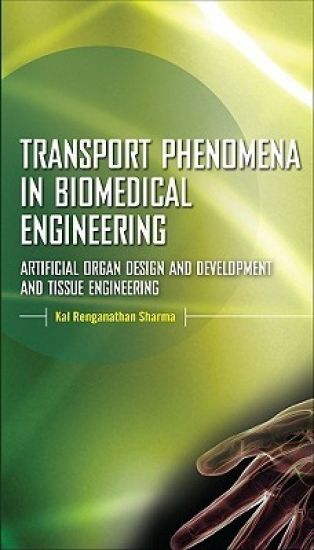
Transport Phenomena in Biomedical Engineering: Artificial organ Design and Development, and Tissue Engineering
Publisher's Note: Products purchased from Third Party sellers are not guaranteed by the publisher for quality, authenticity, or access to any online entitlements included with the product.A Cutting-Edge Guide to Applying Transport Phenomena Principles to Bioengineering SystemsTransport Phenomena in Biomedical Engineering: Artificial Order Design and Development and Tissue Engineering explains how to apply the equations of continuity, momentum, energy, and mass to human anatomical systems. This authoritative resource presents solutions along with term-by-term medical significance. Worked exercises illustrate the equations derived, and detailed case studies highlight real-world examples of artificial organ design and human tissue engineering.Coverage includes:Fundamentals of fluid mechanics and principles of molecular diffusionOsmotic pressure, solvent permeability, and solute transportRheology of blood and transportGas transportPharmacokineticsTissue designBioartificial organ design and immunoisolationBioheat transport541 end-of-chapter exercises and review questions106 illustrations1,469 equations derived from first principles
Gene, Drug, and Tissue Engineering

Gene, Drug, and Tissue Engineering

SPRINGER-VERLAG NEW YORK INC.
2022
sidottu
This book combines discursive chapters that present the latest progress in molecular biology, drug discovery, organ-tissue engineering, and related fields, with a number of descriptive chapters on methods, protocols, and case studies. Structured into four parts, this volume walks the reader through the latest in cellular biology, with discussions on novel medicinal plant metabolites, nanotechnology in precision medicine, nucleic acid-based therapeutics and vaccines, genetic engineering, computational aid, bioinformatics, synthetic organs for transplantation, and organ-tissue engineering. Written for the highly successful Methods in Molecular Biology series, chapters include the kind of detail and expert implementation advice that ensures quality results in the lab. Authoritative and informative, Gene, Drug, and Tissue Engineering serves as an ideal guide for undergraduate students, postgraduate researchers, and senior researchers working in biomedicine and its underlying technologies, stimulating both computational and experimental development and fostering the exchange of new ideas.
Gene, Drug, and Tissue Engineering

Gene, Drug, and Tissue Engineering

SPRINGER-VERLAG NEW YORK INC.
2023
nidottu
This book combines discursive chapters that present the latest progress in molecular biology, drug discovery, organ-tissue engineering, and related fields, with a number of descriptive chapters on methods, protocols, and case studies. Structured into four parts, this volume walks the reader through the latest in cellular biology, with discussions on novel medicinal plant metabolites, nanotechnology in precision medicine, nucleic acid-based therapeutics and vaccines, genetic engineering, computational aid, bioinformatics, synthetic organs for transplantation, and organ-tissue engineering. Written for the highly successful Methods in Molecular Biology series, chapters include the kind of detail and expert implementation advice that ensures quality results in the lab. Authoritative and informative, Gene, Drug, and Tissue Engineering serves as an ideal guide for undergraduate students, postgraduate researchers, and senior researchers working in biomedicine and its underlying technologies, stimulating both computational and experimental development and fostering the exchange of new ideas.
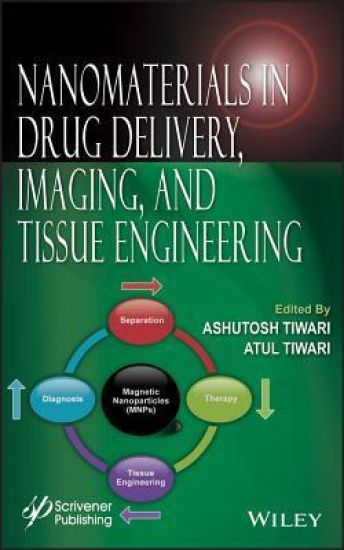
Nanomaterials in Drug Delivery, Imaging, and Tissue Engineering
This comprehensive volume provides the reader valuable insight into the major areas of biomedical nanomaterials, advanced nanomedicine, nanotheragnostics, and cutting-edge nanoscaffolds. The ability to control the structure of materials allows scientists to accomplish what once appeared impossible before the advent of nanotechnology. It is now possible to generate nanoscopic self-assembled and self-destructive robots for effective utilization in therapeutics, diagnostics, and biomedical implants. Nanoscopic therapeutic systems incorporate therapeutic agents, molecular targeting, and diagnostic imaging capabilities and they have emerged as the next generation of multifarious nanomedicine to improve the therapeutic outcome including chemo and translational therapy. Nanomaterials in Drug Delivery, Imaging, and Tissue Engineering comprises fifteen chapters authored by senior scientists, and is one of the first books to cover nanotheragnostics, which is the new developmental edge of nanomedicine combining both diagnostic and therapeutic elements at the nano level. This large multidisciplinary reference work has four main parts: biomedical nanomaterials; advanced nanomedicine; nanotheragnostics; and nanoscaffolds technology. This groundbreaking volume also covers: Multifunctional polymeric nanostructures for therapy and diagnosisMetalla-assemblies acting as drug carriersNanomaterials for management of lung disorders and drug deliveryResponsive polymer-inorganic hybrid nanogels for optical sensing, imaging, and drug deliveryCore/shell nanoparticles for drug delivery and diagnosisTheranostic nanoparticles for cancer imaging and therapyMagnetic nanoparticles in tissue regenerationCore-sheath fibers for regenerative medicine
Molecular, Cellular, and Tissue Engineering

Molecular, Cellular, and Tissue Engineering

Joseph D. Bronzino; Donald R. Peterson

CRC Press Inc
2015
sidottu
Known as the bible of biomedical engineering, The Biomedical Engineering Handbook, Fourth Edition, sets the standard against which all other references of this nature are measured. As such, it has served as a major resource for both skilled professionals and novices to biomedical engineering.Molecular, Cellular, and Tissue Engineering, the fourth volume of the handbook, presents material from respected scientists with diverse backgrounds in molecular biology, transport phenomena, physiological modeling, tissue engineering, stem cells, drug delivery systems, artificial organs, and personalized medicine.More than three dozen specific topics are examined, including DNA vaccines, biomimetic systems, cardiovascular dynamics, biomaterial scaffolds, cell mechanobiology, synthetic biomaterials, pluripotent stem cells, hematopoietic stem cells, mesenchymal stem cells, nanobiomaterials for tissue engineering, biomedical imaging of engineered tissues, gene therapy, noninvasive targeted protein and peptide drug delivery, cardiac valve prostheses, blood substitutes, artificial skin, molecular diagnostics in personalized medicine, and bioethics.
Molecular, Cellular, and Tissue Engineering of the Vascular System
This book introduces the latest research in molecular, cellular, and tissue engineering of the vascular system. Topics covered include the roles of endothelial surface glycocalyx as a mechano-sensor and transducer for blood flow, a barrier to water and solute transport across the vascular wall and to the interaction between circulating cells and the vessel wall, the roles of nuclear envelope proteins and nuclear lamina in regulating vascular functions under blood flow-induced forces, and the roles of smooth muscle cells and extracellular components in arterial vasoconstriction. Other topics covered include non-surgical vascular interventions for coronary artery diseases, genesis and mechanisms of atherosclerotic plaque microcalcifications and human abdominal aortic aneurysms, experiments and modelling for red blood cell and tumor cell movement in microcirculation, transport across the blood-brain barrier and its role in Alzheimer’s disease, mathematical models for cell survival after hyperthermia, application of hypothermia in enhancing treatment for brain and spinal cord injuries, and damage of eardrums due to blast waves. This is an ideal book for biomedical engineers and researchers, medical researchers, and students in biomedical engineering and medical sciences.