Kirjojen hintavertailu. Mukana 12 016 292 kirjaa ja 12 kauppaa.

Kirjahaku

Etsi kirjoja tekijän nimen, kirjan nimen tai ISBN:n perusteella.

1000 tulosta hakusanalla Brian H Appleton

Brain Injury Treatment

Brain Injury Treatment

Jose Leon-Carrion; Klaus R. H. von Wild; George A. Zitnay

Taylor Francis Ltd
2013
nidottu
Brain Injury Treatment: Theories and Practices is a thorough and wide-ranging account of the rehabilitation of brain injury.Written from an international perspective, this book presents a detailed discussion of the basic science of brain injury. It explains the treatments used in brain injury rehabilitation and covers new methods of rehabilitation, including complementary medicine theories. It contains a wealth of information on different neurosurgical and neuropsychological treatments. It also includes a comprehensive reference to the theories underlying rehabilitation practices and chapters on community reentry and family dynamics following brain injury.It will be an invaluable tool to students from psychology, medicine, physical and occupational therapy studying the treatment and aftercare of people with brain injury.

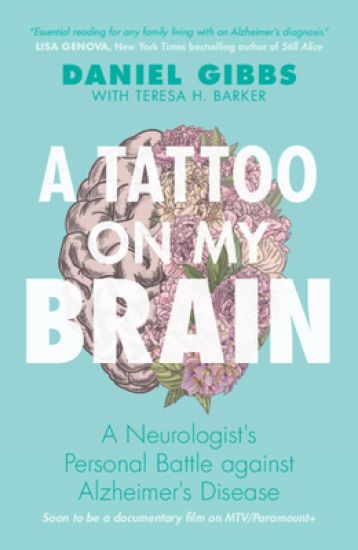
A Tattoo on my Brain

A Tattoo on my Brain

Daniel Gibbs; Teresa H. Barker

Cambridge University Press
2023
pokkari
Dr Daniel Gibbs is one of 50 million people worldwide with an Alzheimer's disease diagnosis. Unlike most patients with Alzheimer's, however, Dr Gibbs worked as a neurologist for twenty-five years, caring for patients with the very disease now affecting him. Also unusual is that Dr Gibbs had begun to suspect he had Alzheimer's several years before any official diagnosis could be made. Forewarned by genetic testing showing he carried alleles that increased the risk of developing the disease, he noticed symptoms of mild cognitive impairment long before any tests would have alerted him. In this highly personal account, Dr Gibbs documents the effect his diagnosis has had on his life and explains his advocacy for improving early recognition of Alzheimer's. Weaving clinical knowledge from decades caring for dementia patients with his personal experience of the disease, this is an optimistic tale of one man's journey with early-stage Alzheimer's disease. Soon to be a documentary film on MTV/Paramount +.
A Tattoo on my Brain

A Tattoo on my Brain

Daniel Gibbs; Teresa H. Barker

Cambridge University Press
2021
sidottu
Dr Daniel Gibbs is one of 50 million people worldwide with an Alzheimer's disease diagnosis. Unlike most patients with Alzheimer's, however, Dr Gibbs worked as a neurologist for twenty-five years, caring for patients with the very disease now affecting him. Also unusual is that Dr Gibbs had begun to suspect he had Alzheimer's several years before any official diagnosis could be made. Forewarned by genetic testing showing he carried alleles that increased the risk of developing the disease, he noticed symptoms of mild cognitive impairment long before any tests would have alerted him. In this highly personal account, Dr Gibbs documents the effect his diagnosis has had on his life and explains his advocacy for improving early recognition of Alzheimer's. Weaving clinical knowledge from decades caring for dementia patients with his personal experience of the disease, this is an optimistic tale of one man's journey with early-stage Alzheimer's disease.
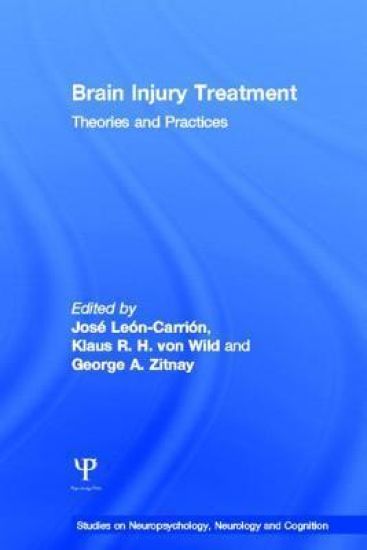
Brain Injury Treatment

Brain Injury Treatment

Jose Leon-Carrion; Klaus R. H. von Wild; George A. Zitnay

Psychology Press Ltd
2006
sidottu
Brain Injury Treatment: Theories and Practices is a thorough and wide-ranging account of the rehabilitation of brain injury.Written from an international perspective, this book presents a detailed discussion of the basic science of brain injury. It explains the treatments used in brain injury rehabilitation and covers new methods of rehabilitation, including complementary medicine theories. It contains a wealth of information on different neurosurgical and neuropsychological treatments. It also includes a comprehensive reference to the theories underlying rehabilitation practices and chapters on community reentry and family dynamics following brain injury.It will be an invaluable tool to students from psychology, medicine, physical and occupational therapy studying the treatment and aftercare of people with brain injury.

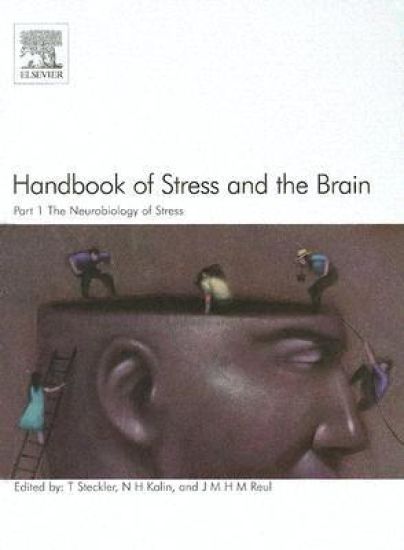
Handbook of Stress and the Brain Part 1: The Neurobiology of Stress

Handbook of Stress and the Brain Part 1: The Neurobiology of Stress

Thomas Steckler; N.H. Kalin; J.M.H.M. Reul

Elsevier Science Ltd
2005
sidottu
The Handbook of Stress and the Brain focuses on the impact of stressful events on the functioning of the central nervous system; how stress affects molecular and cellular processes in the brain, and in turn, how these brain processes determine our perception of and reactivity to, stressful challenges - acutely and in the long-run. Written for a broad scientific audience, the Handbook comprehensively reviews key principles and facts to provide a clear overview of the interdisciplinary field of stress. The work aims to bring together the disciplines of neurobiology, physiology, immunology, psychology and psychiatry, to provide a reference source for both the non-clinical and clinical expert, as well as serving as an introductory text for novices in this field of scientific inquiry.Part 1 addresses basic aspects of the neurobiology of the stress response including the involvement of neuropeptide, neuroendocrine and neurotransmitter systems and its corollaries regarding gene expression and behavioural processes such as cognition, motivation and emotionality.
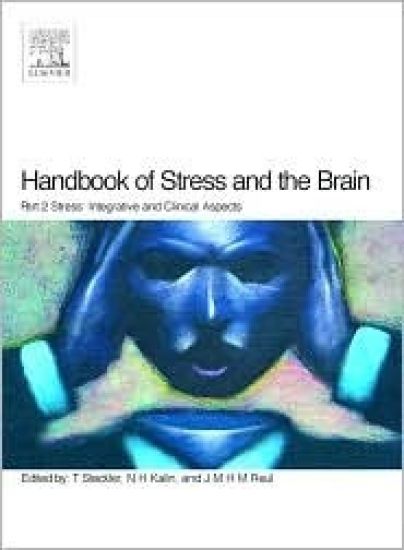
Handbook of Stress and the Brain Part 2: Stress: Integrative and Clinical Aspects

Handbook of Stress and the Brain Part 2: Stress: Integrative and Clinical Aspects

Thomas Steckler; N.H. Kalin; J.M.H.M. Reul

Elsevier Science Ltd
2005
sidottu
The Handbook of Stress and the Brain focuses on the impact of stressful events on the functioning of the central nervous system; how stress affects molecular and cellular processes in the brain, and in turn, how these brain processes determine our perception of and reactivity to, stressful challenges - acutely and in the long-run. Written for a broad scientific audience, the Handbook comprehensively reviews key principles and facts to provide a clear overview of the interdisciplinary field of stress. The work aims to bring together the disciplines of neurobiology, physiology, immunology, psychology and psychiatry, to provide a reference source for both the non-clinical and clinical expert, as well as serving as an introductory text for novices in this field of scientific inquiry.Part 2 treats the complexity of short-term and long-term regulation of stress responsivity, the role of stress in psychiatric disorders as based on both preclinical and clinical evidence, and the current status with regard to new therapeutic strategies targetting stress-related disorders.
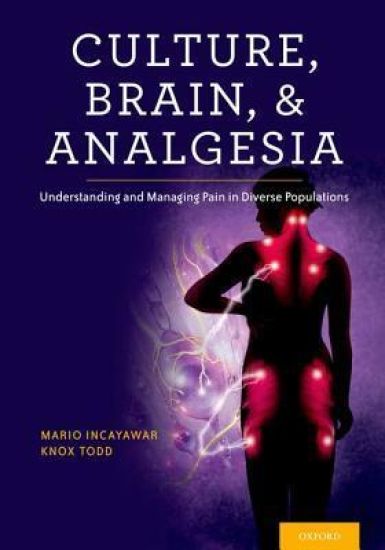
Culture, Brain, and Analgesia

Culture, Brain, and Analgesia

Mario Incayawar; Knox H. Todd

Oxford University Press Inc
2013
sidottu
In this book, the authors have placed culture in the forefront of their approach to study pain in an integrative manner. Culture should not be considered solely for knowing more about patients' values, beliefs, and practices. It should be studied with the purpose of unveiling its effects upon biological systems and the pain neuromatrix. The book discusses how a multidisciplinary and integrative approach to pain and analgesia should be considered. Some familiarity with the cultural background of patients and awareness of the provider's own cultural characteristics will allow the pain practitioner to better understand patients' values, attitudes and preferences. Knowledge of patients' cultural practices will allow determining the impact of culture on biological processes, including the origin and development of pain-related disease, and the patients' response to pharmacological and non-pharmacological treatments. Acknowledging the interactions of molecules, genes and culture could yield a more appropriate and effective personalized pain medicine. Furthermore, this approach has the potential to transform the way pain medicine is taught to young students and future pain professionals, and in so doing meet the need of trained clinicians who are versed in multiple disciplines and are able to use an integrative approach to diagnose and treat pain. A personalized medicine will have non-negligible positive effects in improving doctor patient relationships, patient satisfaction, adherence to treatment plans, and health outcomes and inequities. It is hoped that the material in this volume will appeal to a broad cross-section of health practitioners, students and academicians, including pain medicine specialists, psychiatrists, psychologists, social workers, mental health, community and public health workers, health policy makers, and health administrators.
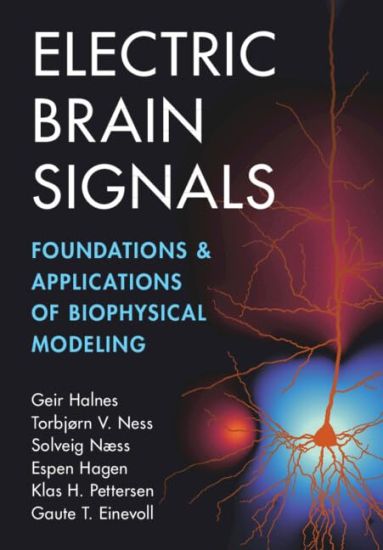
Electric Brain Signals

Electric Brain Signals

Geir Halnes; Torbjørn V. Ness; Solveig Næss; Espen Hagen; Klas H. Pettersen; Gaute T. Einevoll

Cambridge University Press
2024
pokkari
It is common to study the electric activity of neurons by measuring the electric potential in the extracellular space of the brain. However, interpreting such measurements requires knowledge of the biophysics underlying the electric signals. Written by leading experts in the field, this volume presents the biophysical foundations of the signals as well as results from long-term research into biophysics-based forward-modeling of extracellular brain signals. This includes applications using the open-source simulation tool LFPy, developed and provided by the authors. Starting with the physical theory of electricity in the brain, this book explains how this theory is used to simulate neuronal activity and the resulting extracellular potentials. Example applications of the theory to model representations of real neural systems are included throughout, making this an invaluable resource for students and scientists who wish to understand the brain through analysis of electric brain signals, using biophysics-based modeling.
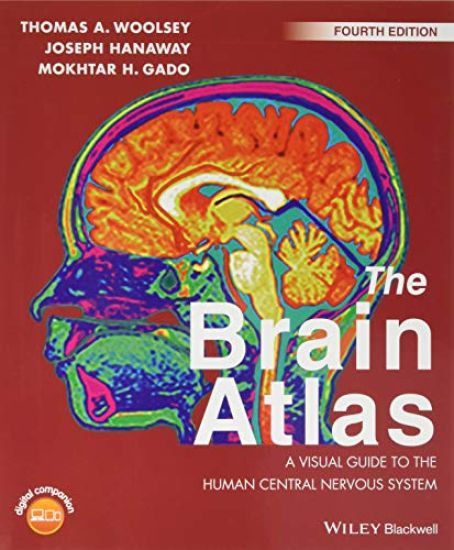
The Brain Atlas

The Brain Atlas

Thomas A. Woolsey; Joseph Hanaway; Mokhtar H. Gado

John Wiley Sons Inc
2017
nidottu
The Brain Atlas: A Visual Guide to the Human Central Nervous System integrates modern neuroscience with clinical practice and is now significantly revised and updated for a Fourth Edition. The book's five sections cover: Background Information, The Brain and Its Blood Vessels, Brain Slices, Histological Sections, and Pathways. These are depicted in over 350 high quality intricate figures making it the best available visual guide to human neuroanatomy.
Electric Brain Signals

Electric Brain Signals

Geir Halnes; Torbjørn V. Ness; Solveig Næss; Espen Hagen; Klas H. Pettersen; Gaute T. Einevoll

Cambridge University Press
2024
sidottu
It is common to study the electric activity of neurons by measuring the electric potential in the extracellular space of the brain. However, interpreting such measurements requires knowledge of the biophysics underlying the electric signals. Written by leading experts in the field, this volume presents the biophysical foundations of the signals as well as results from long-term research into biophysics-based forward-modeling of extracellular brain signals. This includes applications using the open-source simulation tool LFPy, developed and provided by the authors. Starting with the physical theory of electricity in the brain, this book explains how this theory is used to simulate neuronal activity and the resulting extracellular potentials. Example applications of the theory to model representations of real neural systems are included throughout, making this an invaluable resource for students and scientists who wish to understand the brain through analysis of electric brain signals, using biophysics-based modeling.
The Brain Without Oxygen

The Brain Without Oxygen

P.L. Lutz; G.E. Nilsson; H.M. Prentice

Springer-Verlag New York Inc.
2003
sidottu
It is well known and researched, that deprivation of oxygen to the brain can quickly result in irreversible damage and death. What is less well known, is that some vertebrate species are exceptionally tolerant of brain hypoxia. The Brain Without Oxygen: Causes of failure - Physiological and molecular mechanisms for survival, Third edition, discusses the mechanisms of brain hypoxia tolerance in these exceptional vertebrates, which include diving marine mammals, high altitude dwellers and the hibernating mammal. Special attention is given to the extraordinary adaptations that allow a few turtle and fish species to tolerate months of brain anoxia. This third, fully updated edition addresses the potential of these animal models as targets for human clinical intervention. Perhaps the most interesting of these, are those involved in the suppression of metabolic activities to new set points well below their normoxic minima or maintenance levels. This volume will be valuable reading for researchers in physiology, medicine and general biological sciences, and of great importance to pharmaceutical companies researching novel models for stroke and brain ischemia.
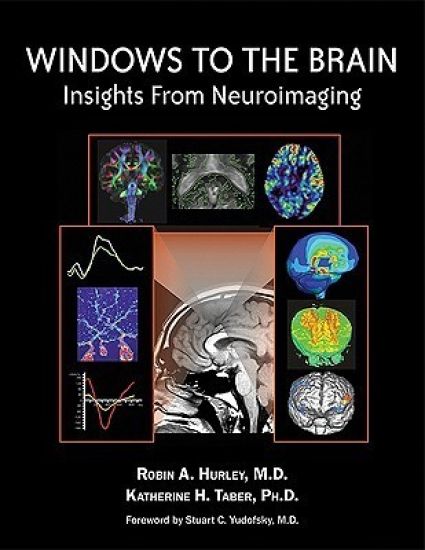
Windows to the Brain

Windows to the Brain

Robin A. Hurley; Katherine H. Taber; Stuart C. Yudofsky; Robert E. Hales

American Psychiatric Association Publishing
2008
sidottu
Windows to the Brain is the only book to synthesize neuroanatomical and imaging research as it pertains to selected neuropsychiatric diseases, containing all of the "Windows to the Brain" papers published from 1999-2006 in the Journal of Neuropsychiatry and Clinical Neurosciences. These reader-friendly summaries by more than sixty contributors present modern imaging techniques that assist in the diagnosis of neuropsychiatric illness, enhanced by easily understood color graphics of the neuroanatomical circuits of behavior, memory, and emotion. They provide a basic understanding of how to apply a variety of imaging techniques to the study of adult neuropsychiatric disease and how to use neuroimaging to assist in diagnostic work-ups for conditions ranging from sleep disorders to epilepsy to borderline personality. Integrated, color-coded graphics present functional anatomical information in a manner that promotes understanding and use in clinical practice, while the text encompasses a wide range of diseases and injuries across the adult lifespan. The book is organized into four sections that will help readers increase their appreciation of the wide range of research and clinical applications for imaging in neuropsychiatry: chapters on imaging techniques discuss underlying principles, strengths and weaknesses, and applications; chapters on specific diseases demonstrate a range of investigative techniques; anatomy/circuit chapters focus on particular brain structures or functional neuropsychiatric circuits; and final chapters present image-based approaches to understanding or selecting treatment options. Some of the applications described are: • Use of fMRI in posttraumatic stress disorder to reveal the delicate balance between the structures of the emotion and memory tracks;• Use of high-resolution MRI and nuclear imaging to distinguish between panic disorder and simple partial seizure disorder;• Use of functional imaging studies to detect corticobasal degeneration, as a means of better understanding dementia;• Use of newer imaging techniques in identifying progressive multifocal leukoencephalopathy, to enable more rapid and reliable tailoring of individual therapy for HIV;• Use of functional neuroimaging in the study of fear, in order to better understand and treat anxiety-based psychiatric disorders;• Use of neuroimaging studies in conversion disorder, showing implications for the disruption of selfhood in dissociative identity disorder and schizophrenia;• Use of FDG-PET scans to look for predictors of treatment response in childhood-onset obsessive-compulsive disorder. Windows to the Brain can help bring less-experienced readers up to speed on advanced imaging and anatomical details that pertain to the modern practice of neuropsychiatry. It is must-reading for specialists in neuropsychiatry and cognitive/behavioral neurology, or for general psychiatrists with an interest in neuroimaging.
The Brain Without Oxygen

The Brain Without Oxygen

P.L. Lutz; G.E. Nilsson; H.M. Prentice

Springer
2010
nidottu
It is well known and researched, that deprivation of oxygen to the brain can quickly result in irreversible damage and death. What is less well known, is that some vertebrate species are exceptionally tolerant of brain hypoxia. The Brain Without Oxygen: Causes of failure - Physiological and molecular mechanisms for survival, Third edition, discusses the mechanisms of brain hypoxia tolerance in these exceptional vertebrates, which include diving marine mammals, high altitude dwellers and the hibernating mammal. Special attention is given to the extraordinary adaptations that allow a few turtle and fish species to tolerate months of brain anoxia. This third, fully updated edition addresses the potential of these animal models as targets for human clinical intervention. Perhaps the most interesting of these, are those involved in the suppression of metabolic activities to new set points well below their normoxic minima or maintenance levels. This volume will be valuable reading for researchers in physiology, medicine and general biological sciences, and of great importance to pharmaceutical companies researching novel models for stroke and brain ischemia.