Kirjahaku
Etsi kirjoja tekijän nimen, kirjan nimen tai ISBN:n perusteella.
1000 tulosta hakusanalla Collin Hansen







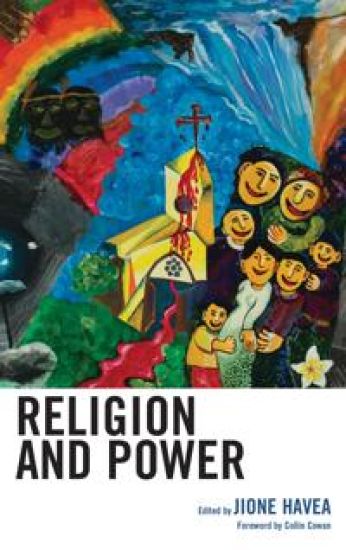
Religion has power structures that require and justify its existence, spread its influence, and mask its collaboration with other power structures. Power, like religion, is in collaboration. Along this line, this book affirms that one could see and study the power structures and power relations of a religion in and through the missions of empires. Empires rise and roam with the blessings and protections of religious power structures (e.g., scriptures, theologies, interpretations, traditions) that in return carry, propagate and justify imperial agendas. Thus, to understand the relation between religion and power requires one to also study the relation between religion and empires. Christianity is the religion that receives the most deliberation in this book, with some attention to power structures and power relations in Hinduism and Buddhism. The cross-cultural and inter-national contributors share the conviction that something within each religion resists and subverts its power structures and collaborations. The authors discern and interrogate the involvements of religion with empires past and present, political and ideological, economic and customary, systemic and local. The upshot is that the book troubles religious teachings and practices that sustain, as well as profit from, empires.
Religion has power structures that require and justify its existence, spread its influence, and mask its collaboration with other power structures. Power, like religion, is in collaboration. Along this line, this book affirms that one could see and study the power structures and power relations of a religion in and through the missions of empires. Empires rise and roam with the blessings and protections of religious power structures (e.g., scriptures, theologies, interpretations, traditions) that in return carry, propagate and justify imperial agendas. Thus, to understand the relation between religion and power requires one to also study the relation between religion and empires.Christianity is the religion that receives the most deliberation in this book, with some attention to power structures and power relations in Hinduism and Buddhism. The cross-cultural and inter-national contributors share the conviction that something within each religion resists and subverts its power structures and collaborations. The authors discern and interrogate the involvements of religion with empires past and present, political and ideological, economic and customary, systemic and local. The upshot is that the book troubles religious teachings and practices that sustain, as well as profit from, empires.
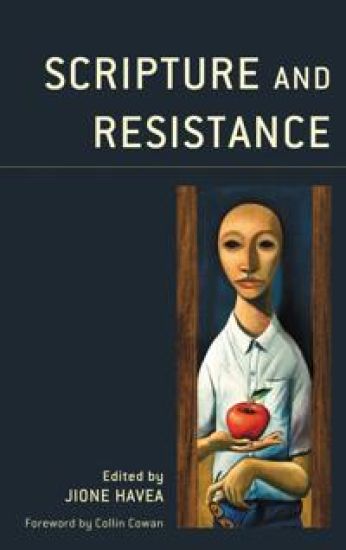
Resistance against unjust (wicked) cultures and imperial powers is at the heart of scripture. In many cases, the resistance is waged against external systems or the misappropriation of scriptural texts and traditions. In some cases, however, scripture resists oppressive cultures and powers that it also requires, certifies and protects. At other times, and in different settings, the minders of scripture speak against the abusive cultures and power systems that they inherited and whose benefits they milk. Scripture and Resistance contains reflections by authors from East and West, South and North, on resistance and the Christian scriptures around a rainbow of concerns: the colonial legacies of the Bible; the people (esp. native and indigenous people) who were subjugated and minoritized for the sake of the Bible; the courage for resistance among ordinary and normal people, and the opportunities that arise from their realities and struggles; the imperializing tendencies that lurk behind so-called traditional biblical scholarship; the strategies of and energies in post- and de-colonial criticisms; the Bible as a profitable product, and a site of struggle; and the multiple views or perspectives in the Bible about empire and resistance. In other words, the contributors, as a collective, affirm that the Bible contains (pun intended) resistance.
Resistance against unjust (wicked) cultures and imperial powers is at the heart of scripture. In many cases, the resistance is waged against external systems or the misappropriation of scriptural texts and traditions. In some cases, however, scripture resists oppressive cultures and powers that it also requires, certifies and protects. At other times, and in different settings, the minders of scripture speak against the abusive cultures and power systems that they inherited and whose benefits they milk.Scripture and Resistance contains reflections by authors from East, West, South, and North — on resistance and the Christian scriptures regarding a rainbow of concerns: the colonial legacies of the Bible; the people (especially native and indigenous people) who were subjugated and minoritized for the sake of the Bible; the courage for resistance among ordinary and normal people, and the opportunities that arise from their realities and struggles; the imperializing tendencies that lurk behind so-called traditional biblical scholarship; the strategies of and energies in post- and de-colonial criticisms; the Bible as a profitable product, and a site of struggle; and the multiple views or perspectives in the Bible about empire and resistance. In other words, the contributors, as a collective, affirm that the Bible contains (pun intended) resistance.
In Vulnerability and Resilience, vulnerability is not the final word. Rather, resilience provides the cutting edge and living breath in the stories of subjects who are vulnerable. And they have many stories: stories of being trapped in bodies, teachings, and/or situations that make them (and others like them) vulnerable to discrimination, hatred, and rejection; stories of being trapped because of their bodies, theologies, and/or cultures; and stories of being trapped for no-good reason. For subjects who are vulnerable, life is like a maze of traps, and stories of resilience keep them going.The contributors to Vulnerability and Resilience refuse to be trapped. At the intersection of body and liberation theologies, the contributors tell their stories in the hope that they will expose cultures that make individuals and communities vulnerable, and that those stories will encourage vulnerable subjects to be resilient and bring change to theological institutions that conserve vulnerability. Because of the location of the contributors—in the Americas, Africa, Asia, Europe, Caribbean, and Oceania—this book is testimony that vulnerability is present all over the world, and that resilience is a liberating alternative.
In Vulnerability and Resilience, vulnerability is not the final word. Rather, resilience provides the cutting edge and living breath in the stories of subjects who are vulnerable. And they have many stories: stories of being trapped in bodies, teachings, and/or situations that make them (and others like them) vulnerable to discrimination, hatred, and rejection; stories of being trapped because of their bodies, theologies, and/or cultures; and stories of being trapped for no-good reason. For subjects who are vulnerable, life is like a maze of traps, and stories of resilience keep them going.The contributors to Vulnerability and Resilience refuse to be trapped. At the intersection of body and liberation theologies, they tell their stories in the hope that they will expose cultures that make individuals and communities vulnerable, and that those stories will encourage vulnerable subjects to be resilient and bring change to theological institutions that conserve vulnerability. Because of the location of the contributors—the Americas, Africa, Asia, Europe, Caribbean, and Oceania—this book is a testimony that vulnerability is present all over the world, and that resilience is a liberating alternative.
Mission is contrived from and performed over lived contexts, but the visions that guide and drive mission are oftentimes blinded by power, position, protection, and plenitude. This collection visits those matters with queering attention to the shadows empires cast over the contexts of mission, and to the collusion and complicity of Christians and churches with empires past (as in the case of Rome) and present (as in the case of the United States of America). In the interests of those in mission fields who survived, but continue to agonize under the burdens of empires, the contributors to this work dare to re-vision the course and cause of mission.Writing from minoritized settings in Africa, Asia, the Americas, and Oceania, the authors interweave the principles and practices of mission with the opportunities in decolonial theology and hermeneutics, minoritized and migrant Christologies, repatriation and the courage to get up and get out, indigenous insights and wisdom, mission archives, stories of resistance and endurance in zones of contact and violence, restless souls and returning spirits, and life-centered spiritual (en)countering. In Mission and Context as with previous volumes in this series—empires do not have the final word, nor the final world.
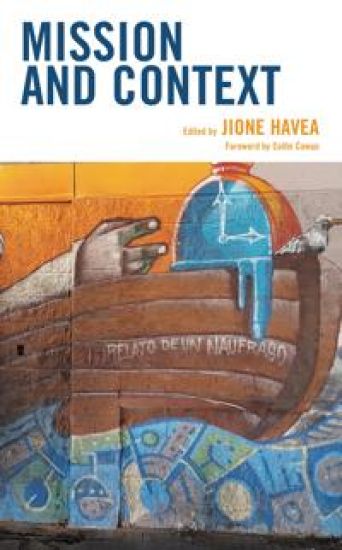
Mission is contrived from and performed over lived contexts, but the visions that guide and drive mission are oftentimes blinded by power, position, protection, and plenitude. This collection visits those matters with queering attention to the shadows that empires cast over the contexts of mission, and to the collusion and complicity of Christians and churches with empires past (as in the case of Rome) and present (as in the case of the United States of America). In the interests of those in mission fields who survived, but continue to agonize under the burdens of empires, the contributors to this work dare to re-vision the course and cause of mission.Writing from minoritized settings in Africa, Asia, the Americas, and Oceania, the authors interweave the principles and practices of mission with the opportunities in decolonial theology and hermeneutics, minoritized and migrant Christologies, repatriation and the courage to get up and get out, indigenous insights and wisdom, mission archives, stories of resistance and endurance in zones of contact and violence, restless souls and returning spirits, and life-centered spiritual (en)countering. In Mission and Context as with previous volumes in this series—empires do not have the final word, nor are they the final world.

Desert Vibes Coloring Book
Collin McShirley
Createspace Independent Publishing Platform
2018
nidottu
Excited to travel? Ready for that vacation? Sit back, relax, and be in the present moment in the desert with this adult coloring book. Travel to Palm Springs, Joshua Tree, and have a spa getaway all from your home. Get centered and color 15 original stress relieving designs that capture the essence of the desert and 15 original therapeutic mantras that will help you be more mindful. All of the mantras in this book were created by a licensed therapist. Take this little book on the go and always have an escape to the desert. Various Levels Of Intricacy Keeping You Excited And Engaged For Hours Desert inspired Designs, nature, life style, and travel inspired Patterns Each Coloring Page Is Designed To Help Relax And Stay Inspired Perfect For Every Skill Level Perfect With Your Choice Of Coloring Tools (Crayon, Gel Pens, Markers, Colored Pencils) Each Coloring Page Is On One Sheet. Printed One Sided.

The Adventures of Finn and JJ: Spell Slingers
Collin Matthew Helein
Createspace Independent Publishing Platform
2019
nidottu
The second in a series of educational children's books directed towards kids age 2-7. Spell Slingers focuses on teaching kids to expand their vocabulary and imagination. Teaching children at a young age to use elevated diction is imperative to their growth. This provides a fun avenue to start doing so