

Kirjahaku
Etsi kirjoja tekijän nimen, kirjan nimen tai ISBN:n perusteella.
1000 tulosta hakusanalla Georg P. Loczewski

The State of the Roman World at the Birth of Christ
George P. Fisher
Literary Licensing, LLC
2014
nidottu


Dignity is seen, commonly, as an ethical obligation owed to human persons. The dimensions of this obligation are subject to wide discussion and defy universal agreement. Dignity is seen, commonly, as an ethical obligation owed to human persons. Dignity as a Human Right? examines dignity within the prism of death, and more particularly, its humane and dignified management. Although there is no domestic or international right to die with dignity, within the right to life should, arguably, be a right to dignity and self-determination especially at its end-stage; for, a powerful interface exists between the right to human dignity and the very right to life, to love and humanity as well as compassion at its conclusion. Legislative efforts--nationally and internationally--have begun to recognize a right to die with dignity when a condition of medical futility exists. There are presently five states and the District of Columbia, together with a judicial interpretation from the Montana Supreme Court, which recognize death assistance for the terminally ill. Internationally, Canada, Belgium, the Netherlands, and Switzerland are seen as leaders in this recognition. The United Nations has played a significant role in framing end-of-life decision making within the ambit of human rights protection. The UN Charter states unequivocally that the dignity and worth of the human person must be protected and safeguarded. Similarly, among other instruments, the Universal Declaration on Human Rights acknowledges that all human beings are born free and equal in dignity and rights.

Dignity is seen, commonly, as an ethical obligation owed to human persons. The dimensions of this obligation are subject to wide discussion and defy universal agreement. Dignity is seen, commonly, as an ethical obligation owed to human persons. Dignity as a Human Right? examines dignity within the prism of death, and more particularly, its humane and dignified management. Although there is no domestic or international right to die with dignity, within the right to life should, arguably, be a right to dignity and self-determination especially at its end-stage; for, a powerful interface exists between the right to human dignity and the very right to life, to love and humanity as well as compassion at its conclusion. Legislative efforts--nationally and internationally--have begun to recognize a right to die with dignity when a condition of medical futility exists. There are presently five states and the District of Columbia, together with a judicial interpretation from the Montana Supreme Court, which recognize death assistance for the terminally ill. Internationally, Canada, Belgium, the Netherlands, and Switzerland are seen as leaders in this recognition. The United Nations has played a significant role in framing end-of-life decision making within the ambit of human rights protection. The UN Charter states unequivocally that the dignity and worth of the human person must be protected and safeguarded. Similarly, among other instruments, the Universal Declaration on Human Rights acknowledges that all human beings are born free and equal in dignity and rights.

Discovering and Fulfilling Your Unique Purpose
George P. Dennis Jr
Createspace Independent Publishing Platform
2014
nidottu

The Standard Operas: Their Plots, Their Music, and Their Composers: A Handbook
George P. Upton
Createspace Independent Publishing Platform
2014
nidottu


After being appointed the United States Minister Resident to the Ottoman Empire in 1849, George P. Marsh had the opportunity to travel the world and visit the sites of ancient civilizations. Troubled by what he saw, Marsh came to the conclusion that these societies were victims of self-destruction and that the same fate could be in store for the nations of today. Moved to action, Marsh would go on to publish Man and Nature: Or, Physical Geography as Modified by Human Action in 1864. Considered to be the first major work of environmental literature, Man and Nature would help to raise global awareness about the effect of human behavior on the natural world. Second only to Charles Darwin’s On the Origin of the Species in impact and influence, the book would be instrumental to the creation of the United States National Forest and launch the conservation movement into high gear within the United States. Professionally typeset with a beautifully designed cover, this edition of Man and Nature is a classic of environmental literature, reimagined for modern readers.

The grounds of theistic and Christian belief
George P. Fisher
Createspace Independent Publishing Platform
2015
nidottu
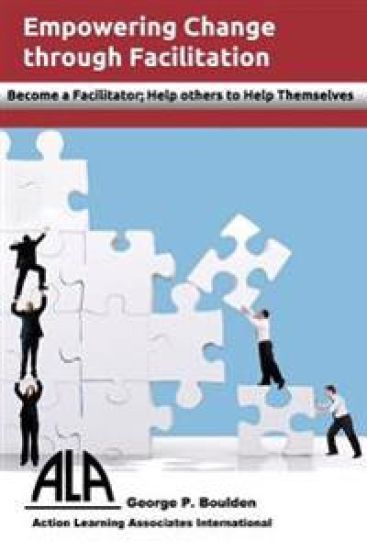
Empowering Change Through Facilitation: Become a Facilitator; Help Others to Help Themselves
George P. Boulden
Createspace Independent Publishing Platform
2016
nidottu
The focal point of the Action learning philosophy is Revan's original idea that mature people learn best 'with and from each other'. In Action Learning programmes the learning opportunity is provided by a specific task, a project that each participant agrees with their 'client'. During the process participants meet together every few weeks with a facilitator. The role of the facilitator is to encourage participants to share their project experiences and reflect on the outcomes to identify their learning needs. With the help of the facilitator and the other participants these needs are then converted into 'learning projects' thus providing an environment in which action and learning are linked thus providing participants with the opportunity to both identify and acquire the Knowledge, Skills, Experience and Behaviours necessary for them to achieve their project goals.Note. Whilst the book focuses on the Action Learning approach to Facilitated Learning all activities which have as their core purpose the goal of helping people to change their behaviour are facilitating learning. Thus AA, Weight Watchers, Stop (Smoking) et al and all coaching activities like Well Bring Programmes, Personal Training, Life Style Coaching, Sport of all types et al use the same underlying philosophy of Recognition, Decision, Permission and Action.
Discussions in history and theology
George P. Fisher
Createspace Independent Publishing Platform
2016
nidottu

Presenting Professionally: Wow your audience; win Hearts and Minds
George P. Boulden
Createspace Independent Publishing Platform
2016
nidottu
Being able to present yourself and your ideas to others is the key to the door of success. No one gets anywhere in life on their own, we all need the help of others. Some of us are lucky, we are 'born' into influence others have natural skills which make them 'stand out' but for most of us we only stand out, because we stand up. We have to work on 'selling' ourselves in the market place. This means being able to;- present ourselves as a person with something to offer- communicate about ourselves- make a compelling case for what we want. This book is one in a series which focus on helping you the reader to optimist your interpersonal communication skills. It uses the Action Learning philosophy to enable you to develop your presentation skills. It starts with an explanation of how World Class presenters prepare and deliver their presentations. This is followed by an opportunity for you to assess your current level of presentation skills and create a Personal Development Plan setting out the actions necessary for you to become a competent presenter.

The Game Fowl: For the Pit or the Spit: Game Fowl Chickens Book 6
George P. Burnham
Createspace Independent Publishing Platform
2016
nidottu

Tucson Restaurant Guide 2017: Best Rated Restaurants in Tucson, Arizona - 500 Restaurants, Bars and Cafés recommended for Visitors, 2017
George P. Martin
Createspace Independent Publishing Platform
2016
nidottu

Tucson Restaurant Guide 2018: Best Rated Restaurants in Tucson, Arizona - 500 Restaurants, Bars and Cafés recommended for Visitors, 2018
George P. Martin
Createspace Independent Publishing Platform
2017
nidottu
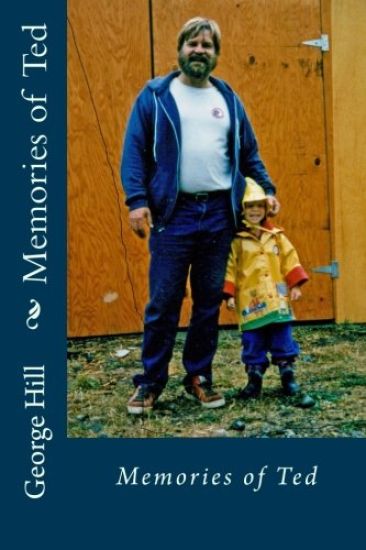
This collection of family memories was my way grieve and tell a story of a mischievous man.
Increasingly, legislators at the state and federal levels of government are forced to evaluate and act upon the unique problems presented by an aging American public. A domino effect has occurred, evoking concern in educational circles to deal with the varied, complex issues associated with the "new" gerontology. This expanded focus brings in not only mental and public health delivery issues, but reaches and impacts on the social sciences, ethics, law and medicine as well as public policy. In response to these matters, Legal and Healthcare Ethics for the Elderly provides a balanced analytical presentation of the complicated socio-legal, medico-ethical and political perspectives which interact with gerontology as a field of study. In a straightforward and unambiguous style, it covers information on access and financing healthcare, the ethics of rationing healthcare and the inevitable link to the quality of life, guardianship issues in a nursing home setting, informed consent, living wills and durable powers of attorney, elder abuse, and death with dignity. The economics of care giving is charted and directed by the sometimes harsh realities of the marketplace. Thus, the various philosophical and ethical dilemmas which confront the process of aging are examined here both from a micro- and from a macro-economic perspective. This book exemplifies that it is vitally important to be educated now, to be prepared for the future and thereby make informed decisions - for both ourselves and our loved ones.
Increasingly, legislators at the state and federal levels of government are forced to evaluate and act upon the unique problems presented by an aging American public. A domino effect has occurred, evoking concern in educational circles to deal with the varied, complex issues associated with the "new" gerontology. This expanded focus brings in not only mental and public health delivery issues, but reaches and impacts on the social sciences, ethics, law and medicine as well as public policy. In response to these matters, Legal and Healthcare Ethics for the Elderly provides a balanced analytical presentation of the complicated socio-legal, medico-ethical and political perspectives which interact with gerontology as a field of study. In a straightforward and unambiguous style, it covers information on access and financing healthcare, the ethics of rationing healthcare and the inevitable link to the quality of life, guardianship issues in a nursing home setting, informed consent, living wills and durable powers of attorney, elder abuse, and death with dignity. The economics of care giving is charted and directed by the sometimes harsh realities of the marketplace. Thus, the various philosophical and ethical dilemmas which confront the process of aging are examined here both from a micro- and from a macro-economic perspective. This book exemplifies that it is vitally important to be educated now, to be prepared for the future and thereby make informed decisions - for both ourselves and our loved ones.