Kirjahaku
Etsi kirjoja tekijän nimen, kirjan nimen tai ISBN:n perusteella.
1000 tulosta hakusanalla V.C.Clinton- Baddeley
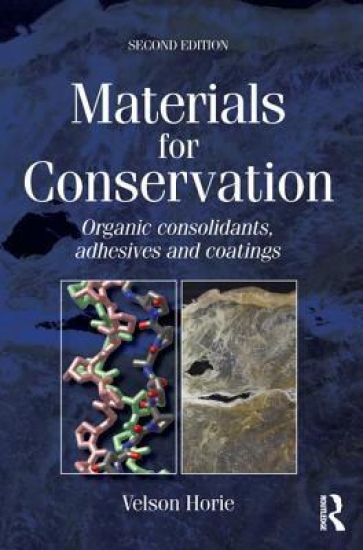
Materials in Conservation is the definitive introduction to the properties of materials used in conservation. The continual struggle of conservators to ameliorate the deterioration of objects has led to increasing use of synthetic polymers. These materials are part of the sophisticated technology that has been developed to augment and often replace traditional materials and methods. Conservators therefore have a wider range of techniques available. However, they must be able to appreciate the potentials and pitfalls of any proposed technique.The first section explains physical and chemical properties which are important in the conservation process, i.e. application, ageing, reversal. The topics covered include molecular weight, glass transition temperature, solubility and solvents, polymerisation and degradation reactions. The second section provides a detailed consideration of the individual materials, current and obsolete, used in conservation, drawing out the factors relevant to their effects on objects. The conservation uses of each material are summarised and referenced to allow further study. In five appendices, the properties of the polymers, solvents and their interactions are tabulated, with a list of suppliers and conversion table of physical units. IUPAC and SI nomenclature is used throughout the book.In this second edition, this classic text is revised and updated to include modern materials such as cyclododecane, and current ideas on adhesion, consolidation and reversibility, making Materials in Conservation the definitive source of vital information in the field.This handy reference book should be on the bench of every conservator and available wherever objects, from steam engines to dried plants, are preserved.

The first edition of Cold and Chilled Storage Technology was prepared at a time when great changes were taking place in the industry that were hard to put into clear perspective. For example, the CFClozone layer problem was identified, the Montreal Protocol was signed and experts from many disci plines were already proposing 'solutions' to the problems seen at the time. Not only were there the usual differences in approach to the problems, there were different understandings of the problems themselves. For in stance, some authoritative voices were saying HCFC 22 was 'part of the solution, not part of the problem' and recommending it as the main refrig erant for the future, others said the opposite. As editor, I have taken the view that this should be a 'reference book' and, as such, it should contain information that points in the direction of tried and proven good practice. To avoid the risk of misdirecting readers, I decided that the CFC issue was too unclear to be usefully discussed in the first edition and left it out altogether. This was the main criticism of the first edition at the time of its publication but, in view of the developments since then, I stand by my decision to avoid premature comment in that instance. The matter is discussed in this edition in Chapters 4 and 7, which include summaries of other related factors, in a way that was certainly not possible in 1989.
The Economics of Sustainability
John C.V. Pezzey; Michael A. Toman
Ashgate Publishing Limited
2002
sidottu
Before the late 1980s, when the ideas of sustainability and sustainable development to the forefront of public debate, conventional, neo-classical economic thinking about development and growth had rarely given any consideration to the needs of future generations, or the sustainability of natural resource use. Defining sustainability broadly as intergenerational fairness in the long-term decision making of a whole society, and using established economic concepts, this selection of refereed journal articles brings a famously ill-defined concept into sharp focus, providing academics at all levels with a formidable research tool. Spanning thirty years of the most important philosophical, theoretical and empirical contributions from both critics and defenders of neo-classical assumptions and methods of economic analysis, this focused collection of papers constitutes a unique, balanced resource on the full range of intellectual debates surrounding the economics of sustainability.
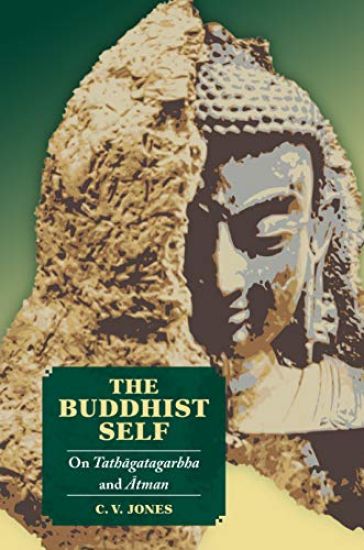
The assertion that there is nothing in the constitution of any person that deserves to be considered the self (atman) - a permanent, unchanging kernel of personal identity in this life and those to come - has been a cornerstone of Buddhist teaching from its inception. Whereas other Indian religious systems celebrated the search for and potential discovery of one's "true self," Buddhism taught about the futility of searching for anything in our experience that is not transient and ephemeral. But a small yet influential set of Mahayana Buddhist texts, composed in India in the early centuries CE, taught that all sentient beings possess at all times, and across their successive lives, the enduring and superlatively precious nature of a Buddha. This was taught with reference to the enigmatic expression tathagatagarbha - the "womb" or "chamber" for a Buddha - which some texts refer to as a person's true self.The Buddhist Self is a methodical examination of Indian teaching about the tathagatagarbha (otherwise the presence of one's "Buddha-nature") and the extent to which different Buddhist texts and authors articulated this in terms of the self. C. V. Jones attends to each of the Indian Buddhist works responsible for explaining what is meant by the expression tathagatagarbha, and how far this should be understood or promoted using the language of selfhood. With close attention to these sources, Jones argues that the trajectory of Buddha-nature thought in India is also the history and legacy of a Buddhist account of what deserves to be called the self: an innovative attempt to equip Mahayana Buddhism with an affirmative response to wider Indian interest in the discovery of something precious or even divine in one's own constitution. This argument is supplemented by critical consideration of other themes that run through this distinctive body of Mahayanist literature: the relationship between Buddhist and non-Buddhist teachings about the self, the overlap between the tathagatagarbha and the nature of the mind, and the originally radical position that the only means of becoming liberated from rebirth is to achieve the same exalted status as the Buddha.
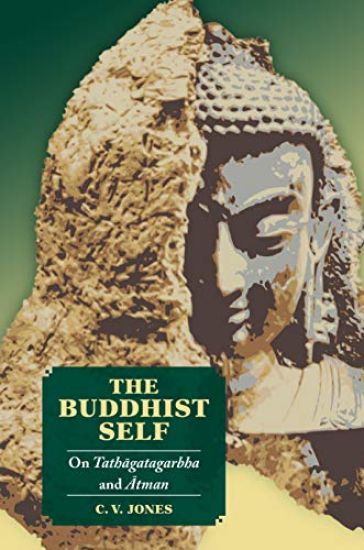
Winner of the 2021 Toshihide Numata Book Award in BuddhismThe assertion that there is nothing in the constitution of any person that deserves to be considered the self (atman)—a permanent, unchanging kernel of personal identity in this life and those to come—has been a cornerstone of Buddhist teaching from its inception. Whereas other Indian religious systems celebrated the search for and potential discovery of one’s "true self," Buddhism taught about the futility of searching for anything in our experience that is not transient and ephemeral. But a small yet influential set of Mahayana Buddhist texts, composed in India in the early centuries CE, taught that all sentient beings possess at all times, and across their successive lives, the enduring and superlatively precious nature of a Buddha. This was taught with reference to the enigmatic expression tathagatagarbha—the "womb" or "chamber" for a Buddha—which some texts refer to as a person’s true self.The Buddhist Self is a methodical examination of Indian teaching about the tathagatagarbha (otherwise the presence of one’s "Buddha-nature") and the extent to which different Buddhist texts and authors articulated this in terms of the self. C. V. Jones attends to each of the Indian Buddhist works responsible for explaining what is meant by the expression tathagatagarbha, and how far this should be understood or promoted using the language of selfhood. With close attention to these sources, Jones argues that the trajectory of Buddha-nature thought in India is also the history and legacy of a Buddhist account of what deserves to be called the self: an innovative attempt to equip Mahayana Buddhism with an affirmative response to wider Indian interest in the discovery of something precious or even divine in one’s own constitution. This argument is supplemented by critical consideration of other themes that run through this distinctive body of Mahayanist literature: the relationship between Buddhist and non-Buddhist teachings about the self, the overlap between the tathagatagarbha and the nature of the mind, and the originally radical position that the only means of becoming liberated from rebirth is to achieve the same exalted status as the Buddha.

Jiddu Krishnamurti World Philosopher Revised Edition
C V Williams
Sydney School of Arts and Humanities
2015
pokkari



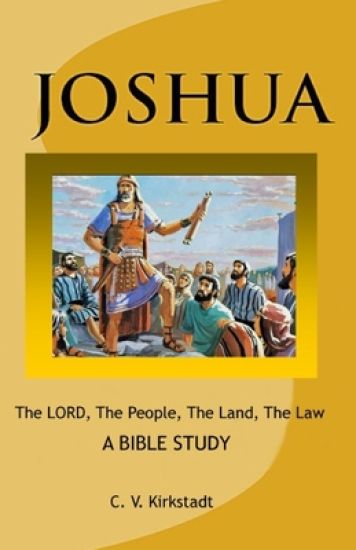
This study of the Book of Joshua found in the Old Testament is well worth your time. It is not just about war and the invasion of Canaan by the Israelites. The story in the Book of Joshua is real history. History has a direction and a purpose. This study can give you a new perspective on this famous story in the Bible.For example: How to select leaders.The importance of "Telling the Story".Who is God?Does God "fight" for us?Whose rules should we follow?Making good choices.Who are the Palestinians?What is special about "The land"?This bible study of the Book of Joshua is available in three formats: KindlePaperback (5.5 x 8.5 size) ISBN 978-0-9982088-0-0Paperback - LARGE PRINT (8.5 x 11) ISBN 978-0-9982088-4-8
An easy, step by step approach is presented, you can do this By investing a few hours each month you can achieve financial well-being. Take control of your money. This book gives you all the basics - how to plan, how to save, how to control your spending and why you should give. You will learn why planning is important - how to create a plan and also how to work your plan. Learn about what rules to follow to succeed. If you answer yes to the following questions, this book can help you.Are you living from paycheck to paycheck?Would you like to live debt free? Do you compare yourself to others and constantly wish you had more $ ? Do you shop for entertainment ? Is your garage so full of stuff you park your car in the driveway ? Do you believe $ can buy happiness ? success ? Does your $ control you ?
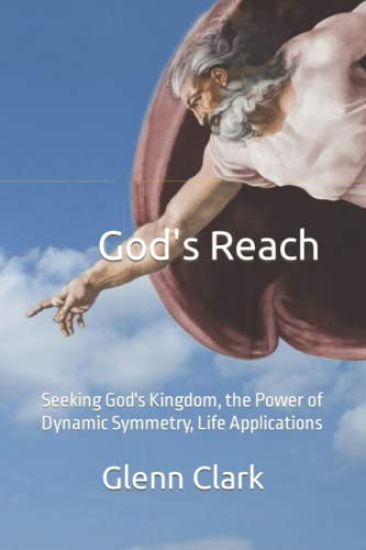
Are you looking for help? Are you aware that God is reaching for you? God has a Divine Plan for each of us. Clark describes Seven Dimensions of Spiritual Growth. Each dimension increases your ability to trust and obey God, to be able to love your neighbor, and to pray. Clark advice about prayer is extremely helpful. He says, "The most powerful prayer that one can pray is the one that is made up of two ingredients - one-half an ardent, sincere desire for the thing prayed for, and one-half an equally sincere relinquishing of the desire completely into the hands of the Father to grant or deny as He sees best."Clark describes the importance of understanding the over-all laws of the universe. He helps you understand these laws by telling about personal events in his life in an interesting and practical way. In the Applications to the Problems of Life section of this book, each dimension is described including ways they influence your daily living. This edition of Glenn Clark's book God's Reach, contains the full text from the First Edition published by Macalester Park Publishing in 1951 plus a Foreword by C. V. Kirkstadt and information about Camps Farthest Out. Glenn Clark (1882-1956) is the author of more than thirty books and pamphlets that have gone into more than a million homes in the United States.
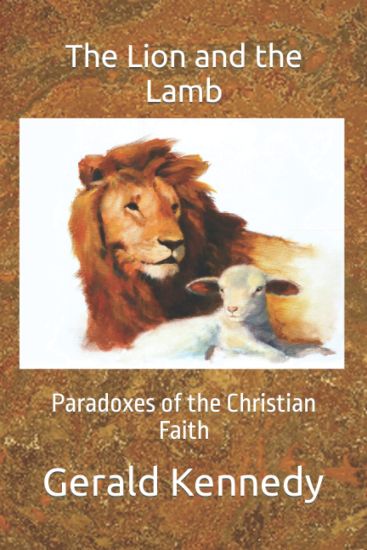
How can you look at the worst and see the best? How can you at the same time judge and forgive? How can you face weakness and find strength, possess humility and be self-assured?These are but a few of the obligations Christianity demands. And to every Christian there must come the means of understanding these paradoxes, of applying them in everyday life and thought. With acute insight, psychological knowledge, and deep religions discernment, this book explains some of the most difficult paradoxes of the Christian faith."The courage to proclaim saving paradoxes," says Bishop Kennedy, "is Christianity's saving strength." In twenty-one chapters he takes up the paradoxical truths of the gospel - humility and assurance, sin and grace, tension and peace, death and life, and others. To explain these essential paradoxes - the essence of the Christian message - is the purpose of this book.The Lion and the Lamb is a very real contribution to the understanding of the nature and meaning of the Christian faith - the book includes vital messages enforced by vivid illustrations, offering fresh approaches to the richest texts of Scripture, bringing a practical, inspiring Christian philosophy for our time.(This description taken for the 1950 edition book cover)
This work has been selected by scholars as being culturally important and is part of the knowledge base of civilization as we know it.This work is in the public domain in the United States of America, and possibly other nations. Within the United States, you may freely copy and distribute this work, as no entity (individual or corporate) has a copyright on the body of the work.Scholars believe, and we concur, that this work is important enough to be preserved, reproduced, and made generally available to the public. To ensure a quality reading experience, this work has been proofread and republished using a format that seamlessly blends the original graphical elements with text in an easy-to-read typeface.We appreciate your support of the preservation process, and thank you for being an important part of keeping this knowledge alive and relevant.

Soap-Bubbles and the Forces Which Mould Them
C V (Charles Vernon) Boys
Anson Street Press
2025
pokkari

Soap-Bubbles and the Forces Which Mould Them
C V (Charles Vernon) Boys
Anson Street Press
2025
sidottu

The Mormon Prophet and His Harem
C V (Catherine Van Valkenburg) Waite
Anson Street Press
2025
pokkari

The Mormon Prophet and His Harem
C V (Catherine Van Valkenburg) Waite
Anson Street Press
2025
sidottu