Kirjojen hintavertailu. Mukana 11 699 587 kirjaa ja 12 kauppaa.

Kirjahaku

Etsi kirjoja tekijän nimen, kirjan nimen tai ISBN:n perusteella.

427 tulosta hakusanalla "Tissue Engineering"

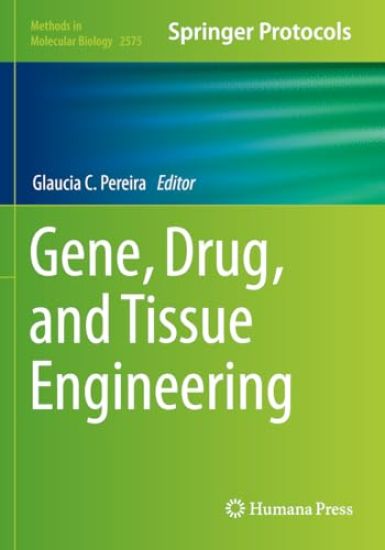
Gene, Drug, and Tissue Engineering

Gene, Drug, and Tissue Engineering

SPRINGER-VERLAG NEW YORK INC.
2023
nidottu
This book combines discursive chapters that present the latest progress in molecular biology, drug discovery, organ-tissue engineering, and related fields, with a number of descriptive chapters on methods, protocols, and case studies. Structured into four parts, this volume walks the reader through the latest in cellular biology, with discussions on novel medicinal plant metabolites, nanotechnology in precision medicine, nucleic acid-based therapeutics and vaccines, genetic engineering, computational aid, bioinformatics, synthetic organs for transplantation, and organ-tissue engineering. Written for the highly successful Methods in Molecular Biology series, chapters include the kind of detail and expert implementation advice that ensures quality results in the lab. Authoritative and informative, Gene, Drug, and Tissue Engineering serves as an ideal guide for undergraduate students, postgraduate researchers, and senior researchers working in biomedicine and its underlying technologies, stimulating both computational and experimental development and fostering the exchange of new ideas.
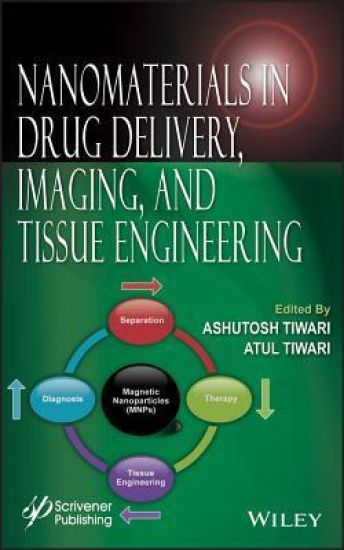
Nanomaterials in Drug Delivery, Imaging, and Tissue Engineering
This comprehensive volume provides the reader valuable insight into the major areas of biomedical nanomaterials, advanced nanomedicine, nanotheragnostics, and cutting-edge nanoscaffolds. The ability to control the structure of materials allows scientists to accomplish what once appeared impossible before the advent of nanotechnology. It is now possible to generate nanoscopic self-assembled and self-destructive robots for effective utilization in therapeutics, diagnostics, and biomedical implants. Nanoscopic therapeutic systems incorporate therapeutic agents, molecular targeting, and diagnostic imaging capabilities and they have emerged as the next generation of multifarious nanomedicine to improve the therapeutic outcome including chemo and translational therapy. Nanomaterials in Drug Delivery, Imaging, and Tissue Engineering comprises fifteen chapters authored by senior scientists, and is one of the first books to cover nanotheragnostics, which is the new developmental edge of nanomedicine combining both diagnostic and therapeutic elements at the nano level. This large multidisciplinary reference work has four main parts: biomedical nanomaterials; advanced nanomedicine; nanotheragnostics; and nanoscaffolds technology. This groundbreaking volume also covers: Multifunctional polymeric nanostructures for therapy and diagnosisMetalla-assemblies acting as drug carriersNanomaterials for management of lung disorders and drug deliveryResponsive polymer-inorganic hybrid nanogels for optical sensing, imaging, and drug deliveryCore/shell nanoparticles for drug delivery and diagnosisTheranostic nanoparticles for cancer imaging and therapyMagnetic nanoparticles in tissue regenerationCore-sheath fibers for regenerative medicine
Molecular, Cellular, and Tissue Engineering

Molecular, Cellular, and Tissue Engineering

Joseph D. Bronzino; Donald R. Peterson

CRC Press Inc
2015
sidottu
Known as the bible of biomedical engineering, The Biomedical Engineering Handbook, Fourth Edition, sets the standard against which all other references of this nature are measured. As such, it has served as a major resource for both skilled professionals and novices to biomedical engineering.Molecular, Cellular, and Tissue Engineering, the fourth volume of the handbook, presents material from respected scientists with diverse backgrounds in molecular biology, transport phenomena, physiological modeling, tissue engineering, stem cells, drug delivery systems, artificial organs, and personalized medicine.More than three dozen specific topics are examined, including DNA vaccines, biomimetic systems, cardiovascular dynamics, biomaterial scaffolds, cell mechanobiology, synthetic biomaterials, pluripotent stem cells, hematopoietic stem cells, mesenchymal stem cells, nanobiomaterials for tissue engineering, biomedical imaging of engineered tissues, gene therapy, noninvasive targeted protein and peptide drug delivery, cardiac valve prostheses, blood substitutes, artificial skin, molecular diagnostics in personalized medicine, and bioethics.
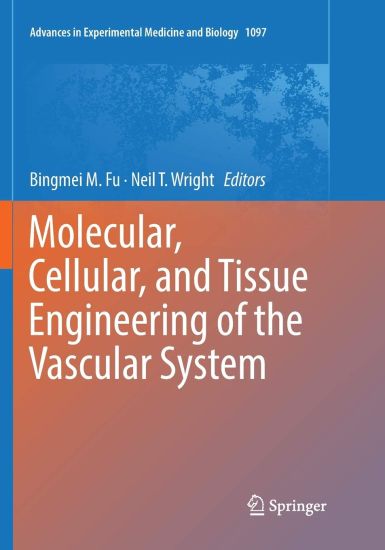
Molecular, Cellular, and Tissue Engineering of the Vascular System
This book introduces the latest research in molecular, cellular, and tissue engineering of the vascular system. Topics covered include the roles of endothelial surface glycocalyx as a mechano-sensor and transducer for blood flow, a barrier to water and solute transport across the vascular wall and to the interaction between circulating cells and the vessel wall, the roles of nuclear envelope proteins and nuclear lamina in regulating vascular functions under blood flow-induced forces, and the roles of smooth muscle cells and extracellular components in arterial vasoconstriction. Other topics covered include non-surgical vascular interventions for coronary artery diseases, genesis and mechanisms of atherosclerotic plaque microcalcifications and human abdominal aortic aneurysms, experiments and modelling for red blood cell and tumor cell movement in microcirculation, transport across the blood-brain barrier and its role in Alzheimer’s disease, mathematical models for cell survival after hyperthermia, application of hypothermia in enhancing treatment for brain and spinal cord injuries, and damage of eardrums due to blast waves. This is an ideal book for biomedical engineers and researchers, medical researchers, and students in biomedical engineering and medical sciences.
Molecular, Cellular, and Tissue Engineering of the Vascular System
This book introduces the latest research in molecular, cellular, and tissue engineering of the vascular system. Topics covered include the roles of endothelial surface glycocalyx as a mechano-sensor and transducer for blood flow, a barrier to water and solute transport across the vascular wall and to the interaction between circulating cells and the vessel wall, the roles of nuclear envelope proteins and nuclear lamina in regulating vascular functions under blood flow-induced forces, and the roles of smooth muscle cells and extracellular components in arterial vasoconstriction. Other topics covered include non-surgical vascular interventions for coronary artery diseases, genesis and mechanisms of atherosclerotic plaque microcalcifications and human abdominal aortic aneurysms, experiments and modelling for red blood cell and tumor cell movement in microcirculation, transport across the blood-brain barrier and its role in Alzheimer’s disease, mathematical models for cell survival after hyperthermia, application of hypothermia in enhancing treatment for brain and spinal cord injuries, and damage of eardrums due to blast waves. This is an ideal book for biomedical engineers and researchers, medical researchers, and students in biomedical engineering and medical sciences.
World Scientific Encyclopedia Of Nanomedicine And Bioengineering I, The: Nanotechnology For Translational Medicine: Tissue Engineering, Biological Sensing, Medical Imaging, And Therapeutics (A 4-volume Set)
This two-part multivolume set provides a comprehensive overview of current achievements in biomedical applications of nanotechnology, including stem cell based regenerative medicine, medical imaging, cell targeting, drug delivery, and photothermal/photodynamic cancer therapy. New approaches in early cancer diagnosis and treatment are introduced with extensive experimental results. In particular, some novel materials have been synthesized with new properties that are most effective in cancer therapy. Some of the key issues are also addressed with these recent discoveries such as bio safety and bio degradability, that are essential in the success of nano medicine.An important aspect of this book set is the introduction of nanotechnology to the medical communities that are searching for new treatments of cancer. It may also break the barriers between the physical and medical sciences so that more MDs will be able to appreciate the new discoveries and establishments in medical diagnosis and therapy that will allow the effective handling of major clinical issues.This major reference publication will be important as the field of nanomedicine has been rapidly developing with a great deal of new information. It is anticipated that the research will soon advance into the pre-clinical stage. Therefore, this reference set can serve as valuable background information for future clinical studies.