
Kirjahaku
Etsi kirjoja tekijän nimen, kirjan nimen tai ISBN:n perusteella.
1000 tulosta hakusanalla Amos Perry






This interpretation reflects the insight that the book of Amos received its structure and decisive orientation during the Exile. It follows the development of reinterpretations of the original prophetic words to this final stage and emphasizes the topical relevance of this message for later generations.

Structural Equation Modeling with AMOS
Asoka Malawi Arachchige
Lap Lambert Academic Publishing
2025
nidottu

The Theology of Amos Yong and the New Face of Pentecostal Scholarship
BRILL
2017
nidottu
In The Theology of Amos Yong and the New Face of Pentecostal Scholarship, Wolfgang Vondey and Martin William Mittelstadt gather a table of experts on one of the most influential voices in current Pentecostal theology. The authors provide an introduction and critical assessment of Yong’s biblical foundations, hermeneutics, epistemology, philosophical presuppositions, trinitarian theology, theology of religions, ecumenical and interfaith relations, theology of disability, engagement with contemporary culture, and participation in the theology and science conversation. These diverse topics are pursued through the complementary perspectives that together shape Yong’s methodology: pneumatology, pentecostalism, and the possibility of renewal. The contributors invite a more thorough reading of Yong’s work and propose a more substantial engagement with the new face of Pentecostal scholarship. Contributors include Andrew Carver, Jacob D. Dodson, Jeff Hittenberger, Mark Mann, Martin William Mittelstadt, L. William Oliverio, Jr., David A. Reed, Tony Richie, Christopher A. Stephenson, Steven M. Studebaker, Paraskevè (Eve) Tibbs, and Wolfgang Vondey.
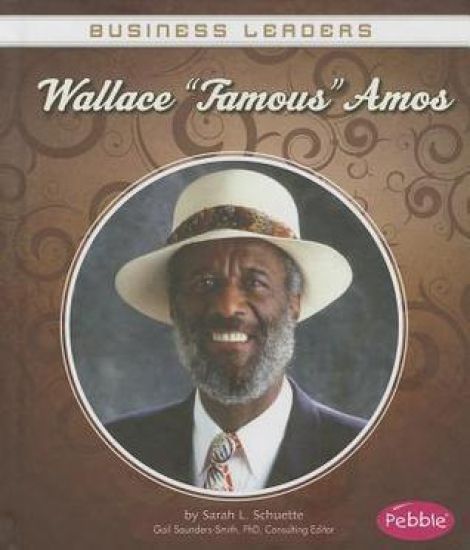
Explore the life and achievements of Wallace Amos, entrepreneur and founder of Famous Amos cookies.

de Profetie Van Amos
BRILL
1900
sidottu
This is an essential how-to guide on the application of structural equation modeling (SEM) techniques with the AMOS software, focusing on the practical applications of both simple and advanced topics.Written in an easy-to-understand conversational style, the book covers everything from data collection and screening to confirmatory factor analysis, structural model analysis, mediation, moderation, and more advanced topics such as mixture modeling, censored date, and non-recursive models. Through step-by-step instructions, screen shots, and suggested guidelines for reporting, Collier cuts through abstract definitional perspectives to give insight on how to actually run analysis. Unlike other SEM books, the examples used will often start in SPSS and then transition to AMOS so that the reader can have full confidence in running the analysis from beginning to end. Best practices are also included on topics like how to determine if your SEM model is formative or reflective, making it not just an explanation of SEM topics, but a guide for researchers on how to develop a strong methodology while studying their respective phenomenon of interest. With a focus on practical applications of both basic and advanced topics, and with detailed work-through examples throughout, this book is ideal for experienced researchers and beginners across the behavioral and social sciences.
This is an essential how-to guide on the application of structural equation modeling (SEM) techniques with the AMOS software, focusing on the practical applications of both simple and advanced topics.Written in an easy-to-understand conversational style, the book covers everything from data collection and screening to confirmatory factor analysis, structural model analysis, mediation, moderation, and more advanced topics such as mixture modeling, censored date, and non-recursive models. Through step-by-step instructions, screen shots, and suggested guidelines for reporting, Collier cuts through abstract definitional perspectives to give insight on how to actually run analysis. Unlike other SEM books, the examples used will often start in SPSS and then transition to AMOS so that the reader can have full confidence in running the analysis from beginning to end. Best practices are also included on topics like how to determine if your SEM model is formative or reflective, making it not just an explanation of SEM topics, but a guide for researchers on how to develop a strong methodology while studying their respective phenomenon of interest. With a focus on practical applications of both basic and advanced topics, and with detailed work-through examples throughout, this book is ideal for experienced researchers and beginners across the behavioral and social sciences.
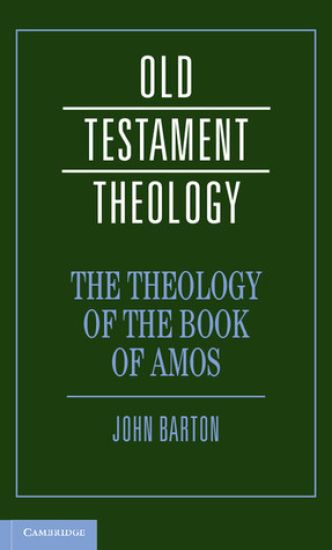
In modern times Amos has come to be considered one of the most important prophets, mainly for his uncompromising message about social justice. This book provides a detailed exploration of this theme and other important elements of the theology underlying the book of Amos. It also includes chapters on the text itself, providing a critical assessment of how the book came to be, the original message of Amos and his circle, which parts of the book may have been added by later scribes, and the finished form of the book. The author also considers the book's reception in ancient and modern times by interpreters as varied as rabbis, the Church Fathers, the Reformers and liberation theologians. Throughout, the focus is on how to read the book of Amos holistically to understand the organic development of the prophet's message through the many stages of the book's development and interpretation.
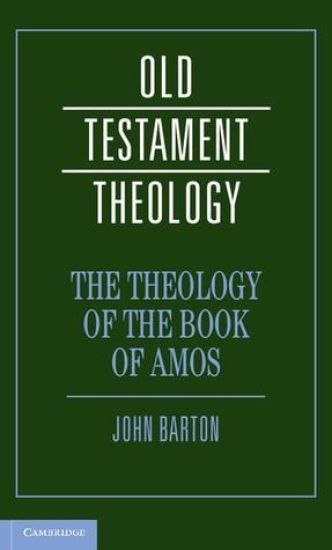
In modern times Amos has come to be considered one of the most important prophets, mainly for his uncompromising message about social justice. This book provides a detailed exploration of this theme and other important elements of the theology underlying the book of Amos. It also includes chapters on the text itself, providing a critical assessment of how the book came to be, the original message of Amos and his circle, which parts of the book may have been added by later scribes, and the finished form of the book. The author also considers the book's reception in ancient and modern times by interpreters as varied as rabbis, the Church Fathers, the Reformers and liberation theologians. Throughout, the focus is on how to read the book of Amos holistically to understand the organic development of the prophet's message through the many stages of the book's development and interpretation.
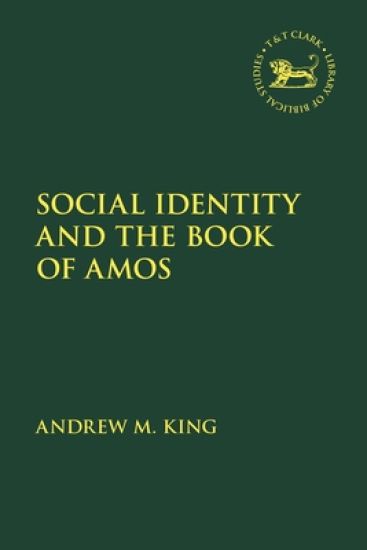
What, according to the Book of Amos, does it mean to be the people of God?In this book, Andrew M. King employs a Social Identity Approach (SIA), comprised of Social Identity Theory and Self-Categorization Theory, to explore the relationship between identity formation and the biblical text. Specifically, he examines the identity-forming strategies embedded in the Book of Amos. King begins by outlining the Social Identity Approach, especially its use in Hebrew Bible scholarship. Turning to the Book of Amos, he analyzes group dynamics and intergroup conflicts (national and interpersonal), as well as Amos’s presentation of Israel’s history and Israel’s future. King provides extensive insight into the rhetorical strategies in Amos that shape the trans-temporal audience’s sense of self. To live as the people of God, according to Amos, readers and hearers must adopt norms defined by a proper relationship to God that results in the proper treatment of others.
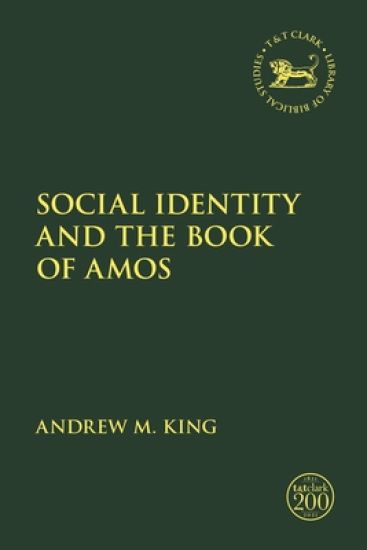
What, according to the Book of Amos, does it mean to be the people of God?In this book, Andrew M. King employs a Social Identity Approach (SIA), comprised of Social Identity Theory and Self-Categorization Theory, to explore the relationship between identity formation and the biblical text. Specifically, he examines the identity-forming strategies embedded in the Book of Amos. King begins by outlining the Social Identity Approach, especially its use in Hebrew Bible scholarship. Turning to the Book of Amos, he analyzes group dynamics and intergroup conflicts (national and interpersonal), as well as Amos’s presentation of Israel’s history and Israel’s future. King provides extensive insight into the rhetorical strategies in Amos that shape the trans-temporal audience’s sense of self. To live as the people of God, according to Amos, readers and hearers must adopt norms defined by a proper relationship to God that results in the proper treatment of others.