"Although it almost certainly won't get much credit for it, this is a near-perfect example of that rara avis, the impartial report on a white-hot public issue. Each chapter is full of meanigful quotation and value-neutral elucidation, and each is written in a rainwater-clear prose that makes the book nonpareil for learning what, in terms of law and public policy, abortion in the U.S. is all about." – ALA Booklist
The first in-depth exploration of a prominent Seattle-based Issei artistBorn in Japan, acclaimed Seattle artist Kenjiro Nomura (1896–1956) came to the United States as a child of ten, received artistic recognition by age twenty, and in the 1930s became the best-known artist of Japanese descent in the Northwest, his artwork widely exhibited regionally and nationally. Along with more than one hundred thousand Japanese Americans from the West Coast, Nomura was incarcerated during the war but continued to paint, leaving a visual record grounded in place and circumstance. In postwar years he developed a new abstract style that brought him recognition once again.In Kenjiro Nomura, American Modernist, Barbara Johns presents Nomura's life and artistic achievement within their historical context. Her account depicts Seattle as a stronghold of prewar Issei artistic activity, and Nomura's work as providing a meaningful contribution to the history of American art. The book is generously illustrated with artwork tracing Nomura's entire career. David F. Martin, curator of the Cascadia Art Museum, expands the context of Nomura's accomplishment with an account of the artists with whom Nomura associated.This publication is distributed for the Cascadia Art Museum.
Foundations of Astrophysics provides a contemporary and complete introduction to astrophysics for astronomy and physics majors. With a logical presentation and conceptual and quantitative end-of-chapter problems, the material is accessible to introductory astrophysics students taking a two-semester survey course. Starting with the motions of the solar system and a discussion of the interaction of matter and light, the authors explore the physical nature of objects in the solar system, and the exciting new field of exoplanets. The second half of their text covers stellar, galactic, and extragalactic astronomy, followed by a brief discussion of cosmology. This is a reissue of the original 2010 edition, which has established itself as one of the market-leading astrophysics texts, well known for its clarity and simplicity. It has introduced thousands of physical science students to the breadth of astronomy, and helped prepare them for more advanced studies.
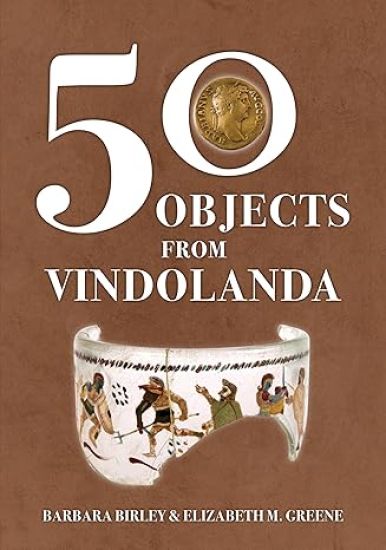
The excavations at Vindolanda have revealed some of the most precious and unique artefacts in Roman history. From leather boxing gloves and children’s shoes to wooden hair combs and the first evidence of female writing in Britain, this collection of artefacts typifies the amazing and diverse array of material culture present in Britain during the Roman period. The objects demonstrate the connections Britain had to the Continent and the Mediterranean world of the Roman Empire in a vibrant and sometimes personal way. These fifty objects illustrate the wealth of knowledge that can be gleaned from everyday items, and through them an understanding of the communities that lived at Vindolanda almost 2,000 years ago.
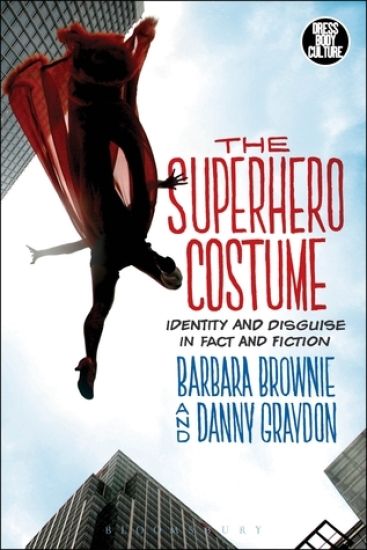
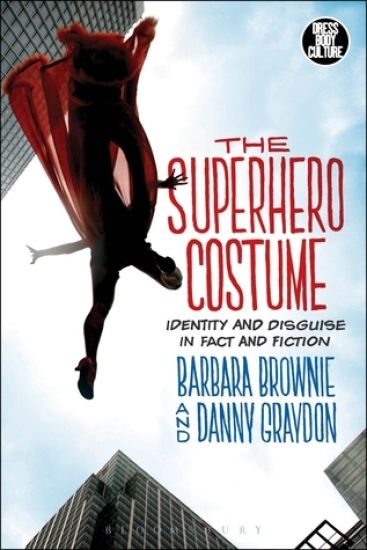
Costume defines the superhero, disguising and distinguishing him or her from the civilian alter ego. The often garish garb expresses a hero’s otherness and empowers its wearers to seek a primal form of justice.This book provides the first interdisciplinary analysis of the superhero costume and investigates wide-ranging issues such as identity, otherness, ritual dress and disguise. Analysis focuses on the implications of wearing superhero costume, exploring interpretations of the costumed hero and the extent to which the costume defines his or her role. Using examples across various media (comic books, film, and television) with case studies including The X-Men, Watchmen, real-life superheroes such as Phoenix Jones and Pussy Riot, and audience activities such as cosplay, The Superhero Costume presents new perspectives on the increasingly popular genre.A lively and thorough account of superhero fashions throughout history, The Superhero Costume will be essential reading for students of visual culture, popular culture, fashion and cultural studies.
Costume defines the superhero, disguising and distinguishing him or her from the civilian alter ego. The often garish garb expresses a hero’s otherness and empowers its wearers to seek a primal form of justice.This book provides the first interdisciplinary analysis of the superhero costume and investigates wide-ranging issues such as identity, otherness, ritual dress and disguise. Analysis focuses on the implications of wearing superhero costume, exploring interpretations of the costumed hero and the extent to which the costume defines his or her role. Using examples across various media (comic books, film, and television) with case studies including The X-Men, Watchmen, real-life superheroes such as Phoenix Jones and Pussy Riot, and audience activities such as cosplay, The Superhero Costume presents new perspectives on the increasingly popular genre.A lively and thorough account of superhero fashions throughout history, The Superhero Costume will be essential reading for students of visual culture, popular culture, fashion and cultural studies.
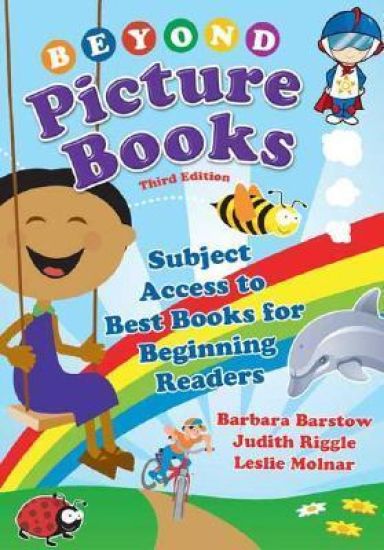
Here's an exciting new edition of a work that helps you to encourage independent reading skills in children ages 4 to 7, to develop your collection of first readers, and to plan thematic, literature-based programs. With a new user-friendly organization, this guide profiles some 3,750 of the best first readers published mostly within the past decade (with a few classic and benchmark titles included as well). These books feature lively interaction between text and illustration, and cover topics and themes with true kid-appeal. Every entry offers bibliographic information, a brief plot summary, and critical comments that help you make informed selection and programming decisions. Detailed indexes of titles, illustrators, series, and reading levels, in addition to the subject index, provide easy access to the books. PreK-3. Here's a brand-new, extensively revised edition of the classic guide to first readers. Use it to encourage independent reading skills in children ages 5-8, to develop your collection for this age group, and to plan thematic literature-based programs. With a user-friendly, subject-based organization like its companion guide to picture books, A to Zoo, this annotated volume profiles some 3,750 of the best books for emerging readers. First readers feature lively interaction between text and illustration, and cover topics with true kid-appeal. Entries cover titles published mostly within the past decade (a few classic and benchmark titles are included as well). Each entry offers bibliographic information, a brief plot summary, and description of illustrations and other features to help you make informed selection and programming decisions. A list of outstanding first readers, chosen for their exceptional language and treatment of subject, makes collection development easy, and four indexes - title, illustrator, series, and reading level - provide additional access points. Lexile levels are given where available, making this volume particularly valuable for reading teachers as well as for librarians and parents, and children in kindergarten through the beginning of third grade who are starting to read independently. A boon to librarians, teachers, and parents. PreK-3.
Great food for inflammation sufferers.Cut your finger accidentally and the area will swell, redden, and heat up. This type of acute inflammatory response is the body's reaction to trauma, and it's an essential part of the healing process. But inflammation can be harmful when it hangs around too long and refuses to leave. When the inflammation switch refuses to turn off, the body operates as if it is always under attack (the older we get, the more likely this is to happen). White blood cells flood the system for weeks, months, and even years. Researchers are now linking low-grade, persistent inflammation to premature aging, heart disease, M.S., diabetes, Alzheimer's, psoriasis, arthritis, and cancer. While anti-inflammatory drugs do exist, they can injure the stomach or suppress the immune system. Fortunately, the situation can be remedied by a change in diet, specifically by altering the kinds of fats you eat. Omega-3 fatty acids tend to decrease inflammation while omega-6 fats and trans-fats increase inflammation. While many foods in the standard American diet (unrefined white flour, sugar, red meat, diary, fast food, and food additives) exacerbate inflammation, a healthy diet made up of fish, nuts, seeds, oils, lean grass-fed meats, and fruits and vegetables can help lessen or prevent inflammation. Likewise, certain spices such as turmeric, cloves, and ginger have proven anti-inflammatory activity.Anti-Inflammatory Foods for Health will help those with inflammation incorporate anti-inflammatory foods into their everyday diet. Sample recipes may include French-Canadian Pea Soup, Sumac Salmon, Maple-Ginger Butternut Squash, Lime-Ginger Glazed Chicken with Fennel Relish, Green Salad with Grapes and Sunflower Seeds, Cod with Saffron Sauce, and more.
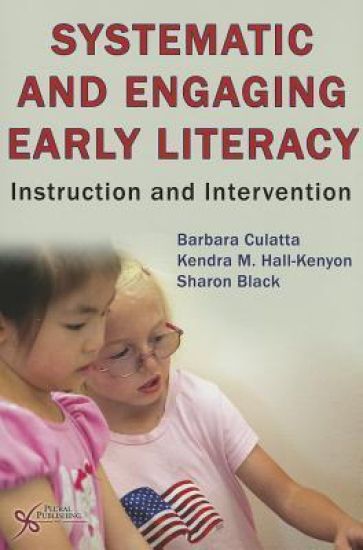
This text provides teachers, speech-language pathologists, and others working with young children with methods for providing systematic and engaging literacy instruction. The approaches it treats are evidence based, being examined and refined by classroom implementation. They cover the array of important early literacy and language skills, both print based and meaning based (phonological awareness, print awareness and letter knowledge, story comprehension and vocabulary, and oral and written language). In a casual style and tone, easily accessible to a wide variety of readers, each chapter presents underlying research, applied principles, and illustrations of a variety of contexts and activities for instructional purposes. Ideas for school-home connections are included as well.While there are a number of texts that focus on emergent and early literacy curriculum (defining curricular components and developmental progression), assessment, and instructional delivery models, this book contains innovative content not found elsewhere, including: Strategies and procedures for coordinating class-wide literacy instruction and activities with supplemental literacy services provided by support personnel Specific ways to use paraeducators and parent or community volunteers to increase instructional opportunities Procedures for conducting effective professional development Integrated arts curriculum and procedures Mechanisms for embedding literacy learning in all classroom contexts with varied participant structures in order to provide intense and frequent opportunities for children to practice literacy skills Primarily targeted at early childhood educators and speech-language pathologists at preservice and practicing professional levels, the content will also be relevant to any education professionals involved with literacy instruction in early childhood settings, including reading specialists, special educators, and teachers of English as a second language. The book is also appropriate for undergraduate or graduate level classes dealing with early language and literacy instruction or with intervention in early childhood education, speech-language pathology, or special education programs.
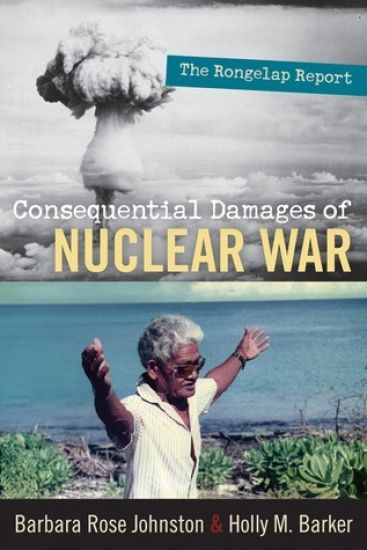
The hydrogen test-bomb Bravo, dropped on the Marshall Islands in 1954, had enormous consequences for the Rongelap people. Anthropologists Barbara Rose Johnston and Holly Barker provide incontrovertible evidence of physical and financial damages to individuals and cultural and psycho-social damages to the community through use of declassified government documents, oral histories and ethnographic research, conducted with the Marshallese community within a unique collaborative framework. Their work helped produce a $1 billion award by the Nuclear Claims Tribunal and raises issues of bioethics, government secrecy, human rights, military testing, and academic activism. The report, reproduced here with accompanying materials, should be read by everyone concerned with the effects of nuclear war and is an essential text for courses in history, environmental studies, bioethics, human rights, and related subjects.
The hydrogen test-bomb Bravo, dropped on the Marshall Islands in 1954, had enormous consequences for the Rongelap people. Anthropologists Barbara Rose Johnston and Holly Barker provide incontrovertible evidence of physical and financial damages to individuals and cultural and psycho-social damages to the community through use of declassified government documents, oral histories and ethnographic research, conducted with the Marshallese community within a unique collaborative framework. Their work helped produce a $1 billion award by the Nuclear Claims Tribunal and raises issues of bioethics, government secrecy, human rights, military testing, and academic activism. The report, reproduced here with accompanying materials, should be read by everyone concerned with the effects of nuclear war and is an essential text for courses in history, environmental studies, bioethics, human rights, and related subjects.
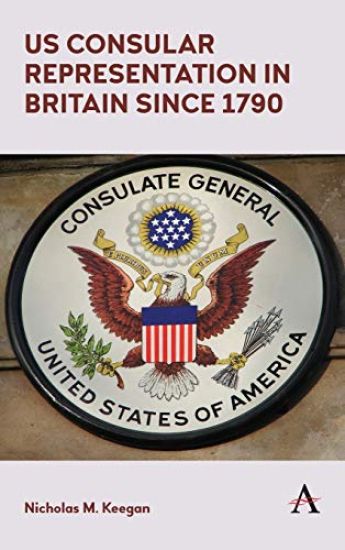
In its early years the United States Consular Service was a relatively amateurish organization, often staffed by unsuitable characters whose appointments had been obtained as political favours from victorious presidential candidates—a practice known as the Spoils System. Most personnel changed every four years when new administrations came in. This compared unfavourably with the consular services of the European nations, but gradually by the turn of the twentieth century things had improved considerably—appointment procedures were tightened up, inspections of consuls and how they managed their consulates were introduced, and the separate Consular Service and Diplomatic Service were merged to form the Foreign Service. The first appointments to Britain were made in 1790, with James Maury becoming the first operational consul in the country, at Liverpool. At one point, there was a network of up to ninety US consular offices throughout the UK, stretching from the Orkney Islands to the Channel Islands. Nowadays, there is only the consular section in the embassy and the consulates general in Edinburgh and Belfast.
In its early years the United States Consular Service was a relatively amateurish organization, often staffed by unsuitable characters whose appointments had been obtained as political favours from victorious presidential candidates—a practice known as the Spoils System. Most personnel changed every four years when new administrations came in. This compared unfavourably with the consular services of the European nations, but gradually by the turn of the twentieth century things had improved considerably—appointment procedures were tightened up, inspections of consuls and how they managed their consulates were introduced, and the separate Consular Service and Diplomatic Service were merged to form the Foreign Service. The first appointments to Britain were made in 1790, with James Maury becoming the first operational consul in the country, at Liverpool. At one point, there was a network of up to ninety US consular offices throughout the UK, stretching from the Orkney Islands to the Channel Islands. Nowadays, there is only the consular section in the embassy and the consulates general in Edinburgh and Belfast.
Metacognition is a set of active mental processes that allows users to monitor, regulate, and direct their personal cognitive strategies. Improving Student Information Search traces the impact of a tutorial on education graduate students’ problem-solving in online research databases. The tutorial centres on idea tactics developed by Bates that represent metacognitive strategies designed to improve information search outcomes. The first half of the book explores the role of metacognition in problem-solving, especially for education graduate students. It also discusses the use of metacognitive scaffolds for improving students’ problem-solving. The second half of the book presents the mixed method study, including the development of the tutorial, its impact on seven graduate students’ search behaviour and outcomes, and suggestions for adapting the tutorial for other users.
This workbook is tailored for teachers looking to further develop their careers and improve their impact on their students. The guidance leads teachers through a self-directed analysis to develop stronger teacher-student, teacher-teacher, and teacher-administrator relationships. The book includes discussions on predictability and supportiveness, teachers as leaders, learned optimism, parenting, revisiting your academic roots, community assessments and responsibility, and much more. "Faculty members are much more productive when they are communicated with clarity, engaged in meaningful work, and have the distinct knowledge that they are cared about by their school leadership. Using the easy-to-follow steps that Teaching Excellence provides with your faculty ensures that they feel supported and encouraged in their professional growth. The book will prove to be a valuable tool in improving your school." -- Nathan Washer, Assistant Head of School, The Pine School (FL) "I became a teacher because I knew that every single child had the capability of being something wonderful, as long as there was someone who believed in them and inspired them. I became an administrator because I knew that these same students deserved to have every one of their teachers be a source of inspiration. For that to happen, great teachers need people who believe in and support them. Teaching Excellence encapsulates these feelings much more eloquently than I can, and provides clear and practical steps to help reinvigorate that original passion for teaching and create a new, meaningful pathway forward." -- Christianna Dakin, Curriculum Director, Saltus Grammar School, Bermuda "After reading Teaching Excellence, I have a sense of renewed purpose. I want to share this book with my level team, the rest of the staff, and the administration If we used this book to reflect on our teaching practices, and really took to heart the 13 Characteristics of Teaching Excellence as identified by ISM's research, I have no doubt that the impact on student enthusiasm, performance, and satisfaction would be significantly positive, to say the least. If we embraced using Teaching Excellence as a staff, as part of a guide to our professional development, I think it'd be impossible to not feel better about the daily work we do. Every new and veteran teacher should have a copy of the book at their fingertips. If administrators want to see great things happening in their schools, then this is a great resource to help in getting there." -- Karen Backenstose, Teacher, The New School (PA) "Resulting from years of data-driven research that demonstrate how student success correlates to predictable and supportive school environments, ISM details 13 essential Teaching Characteristics. These characteristics allow teachers to assess their effectiveness as teacher leaders and hone their ability to move students to learned optimism. Practical examples of effective teaching and self-assessment tools allow teachers to reflect and grow. This workbook will prove beneficial to teachers at any stage of their teaching career, and administrators will find the Faculty Culture Profile a helpful tool to monitor their efforts in cultivating a predictable and supportive faculty culture." -- Jason Erb, Lower School Principal/Bible Teacher, Wesleyan School (GA) This faculty culture instrument links strongly to the ISM findings in its Student Experience Study regarding student performance, student satisfaction, and student enthusiasm. "Predictability and supportiveness"--the paired set of critical classroom conditions and organizational ingredients--have been found in our studies in greatest strength in school environments where the faculty and coaching staffs appear to the students to genuinely desire student success and work to elicit that success. This book is geared to help teachers achieve these goals.