
Kirjahaku
Etsi kirjoja tekijän nimen, kirjan nimen tai ISBN:n perusteella.
1000 tulosta hakusanalla Benedict
Rozw j nauki o komunikacji kulturowej (międzykulturowej i międzykulturowej) nie może byc oddzielony od wkladu antropolog w. Książka ta zawiera wklad myśli Ruth Benedict, wielkiej antropologa, kt ra opisuje status jednostki w ksztaltowaniu wzorc w kultury. Książka ta może byc wykorzystywana przez student w na wydziale antropologii kulturowej i komunikacji kulturowej.
Lo sviluppo della scienza della comunicazione culturale (interculturale e interculturale) non pu essere separato dal contributo degli antropologi. Questo libro contiene il contributo di pensiero di Ruth Benedict, una grande antropologa che descrive lo stato dell'individuo dove si formano i modelli della cultura. Questo libro pu essere utilizzato per gli studenti del dipartimento di antropologia culturale e comunicazione culturale.
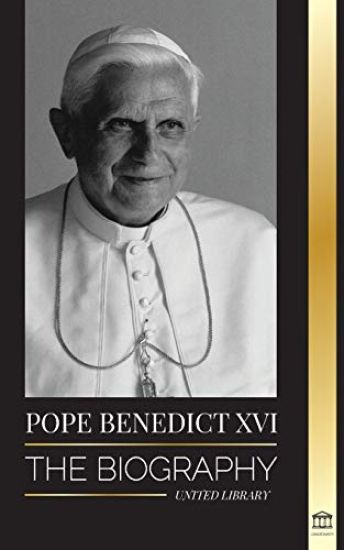

Pope Benedict XII (1334-1342)
Amsterdam University Press
2018
sidottu
This book offers a unique overview on the career and work on Benedict XII, the third pope of Avignon. Benedict XII (ca. 1334-1342) was a key figure of the Avignon papal court, renowned for rooting out heretics and distinguishing himself as a refined theologian. During his reign, he faced the most significant religious and political challenges in the era of the Avignon papacy: theological quarrels, divisions and schisms within the Church, conflicts between European sovereigns, and the growth of Turkish power in the East. In spite of its diminished political influence, the papacy, which had recently moved to France, emerged as an institution committed to the defense and expansion of the Catholic faith in Europe and the East. Benedict made significant contributions to the definition of doctrine, the assessment of pontifical power in Western Europe, and the expansion of Catholicism in the East: in all these different contexts he distinguished himself as a true guardian of orthodoxy.
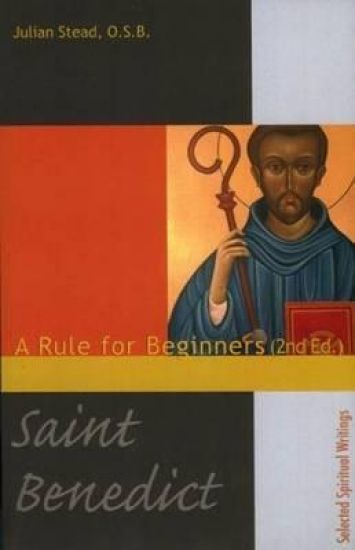
Fr. Julian Stead shows the applicability of the Rule of Saint Benedict to the lives of individuals and of society in the 21st century. After a comprehensive introduction and some selected passages of Gregory the Great's Life of Saint Benedict, Dom Julian presents excerpts of the Rule, intertwining his own commentary. For monks and nuns already following the Rule, this book can be a rediscovery of Benedict's message in the context of their own vocations. For laypeople, it sheds light on how to live their daily commitment to the gospel. "Julian Stead brings a wealth of experience, common sense and scholarship to showing how the Rule of St. Benedict can be lived out today." Pastoral Life "Dom Julian has done an admirable job of showing why the Rule of Saint Benedict remains a classic. For those who might hesitate to approach the Rule directly, here is an aid that will draw them directly to the font itself. Even for those who have spent years living under its guidance, there are refreshing insights."Augustin Cardinal Mayer, OSB "Dom Julian Stead offers a profound commentary on Saint Benedict's life and Rule; it is a valuable guide to all who take seriously God's call to a deeper life." Miriam D. Ukeritis, CJS Director, Institute for Leadership of Religious Organizations

Saint Benedict's Rule
Paulist Press International,U.S.
2004
sidottu
The wisdom of St. Benedict, the eponymous founder of the order that would bear his name, comes vividly to life in this new and sparkling, contemporary English translation of and introduction to Benedict's Rule, the seminal guide for life in Christian monastic community. Benedict of Nursia (c. 480-543), born into nobility, renounced his life of privilege to live an eremitic life of extreme asceticism. He became Abbot of the monastic community of Monte Cassino, where he wrote the Rule, acknowledged as his masterpiece. Modestly referring to the work that would chart the course of Western monasticism as "a little rule for beginners," in 73 brief, intensely focused and sympathetically written treatises and prologue, Benedict prescribed for his monastics a religious life in community with other Christians predicated upon mutual support, obedience, hospitality, tolerance and moderation. The Rule concerns practical matters—the types and characteristics of monastics and their vows, the rules and regulations governing authority, administration and ownership, detailed descriptions of the rights and duties given the entire community. Practical themes, however, remain secondary to its primary focus, the beating heart of the Rule, Jesus and His teachings: Jesus in loving obedience to His father, and Jesus in His message of love for and hospitality toward all. It is upon this bedrock that the Benedictine order is and remains anchored. †
Introducing Benedict's Rule: A Program of Formation
Michael Casey; David Tomlins
EOS - Editions Sankt Ottilien
2006
nidottu
"Introducing Benedict's Rule" is designed principally as a text book to be used in monastic formation, helping those who are making a first systematic acquaintance with the Rule to understand what it is saying and to interpret it in the context of lived experience today. The course was first written in 1979 for the Benedictine Union of Australia and New Zealand, and it has been widely used ever since.
Antipope Benedict XIV
VDM Publishing House
2010
nidottu
Observera att förlaget som ger ut denna produkt baserar innehållet i sina produkter på fria källor som Wikipedia. Boken är med stor sannolikhet endast ett utdrag ur dessa informationskällor, alltså inte en vanlig bok i den bemärkelsen.
Two Benedictions
Oxford University Press
2002
muu
These are two easy and peaceful benedictions for unaccompanied SATB voices. Both unfold from a simple opening, build to a gentle climax, and then close with a decorated 'amen' cadence.
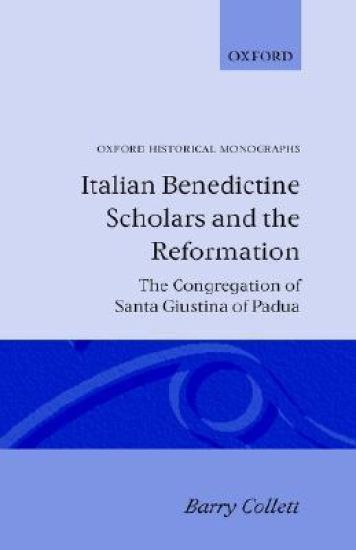
This book examines the Reformation from the point of view of an almost forgotten congregation of Benedictine monks in Italy and southern France whose humanist approach to their studies put them in a unique position to understand the reformers.

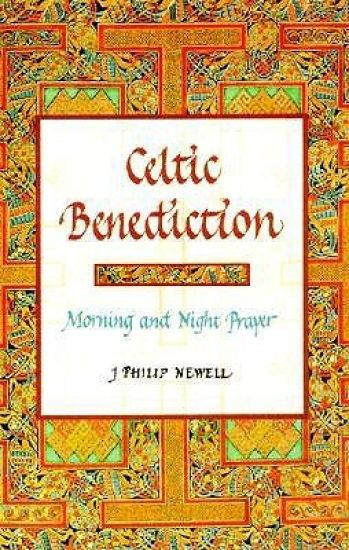
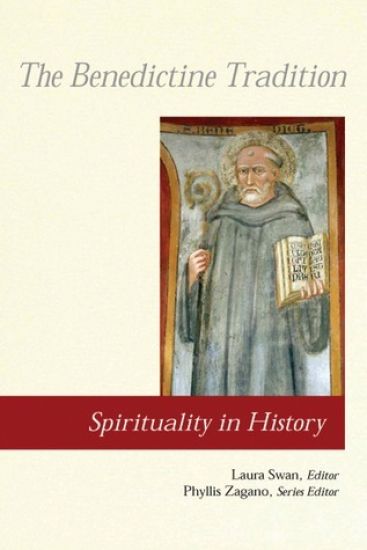
The Benedictine Tradition
Liturgical Press
2007
pokkari
When St. Benedict wrote his little rule for beginners in the fifth century, he could not have known it would shape the lives of religious men and women for more than fifteen hundred years. Offering instruction on prayer and community life, Benedict's Rule espouses the values of humility, prayer, and hospitality that have marked the lives of Benedictines throughout the ages. Benedictines are those persons who commit themselves to the Rule of Benedict, and have been popes and widows, scholars and mystics and lay people from many religious traditions, including Catholics, Anglicans, Methodists, and Lutherans. They have lived in monasteries and ashrams, in busy urban centers, and in desert hermitages. Dedicated to God and the practices of the Liturgy of the Hours and monastic life, Benedictines have made significant contributions to chant, theology, and the preservation of spiritual works of literature and scholarship. Represented here is the work of major Benedictine figures throughout the ages, beginning with Pope Gregory's account of the life of Benedict and arriving at recent statements by the Conference of Benedictine Prioresses on conflict in the world. Along with the Rule, the writing of these Benedictines remains as relevant today as in any age.Laura Swan, OSB, writer and spiritual director, holds graduate degrees in theology and spirituality. She is a member and former prioress of Saint Placid Priory in Lacey, Washington, and is the author of Engaging Benedict: What the Rule Can Teach Us Today (Christian Classics, 2005).