
Kirjahaku
Etsi kirjoja tekijän nimen, kirjan nimen tai ISBN:n perusteella.
1000 tulosta hakusanalla Francesca Gavin
Ancient Legends, Mystic Charms and Superstitions of Ireland
Francesca Speranza Wilde
Kessinger Pub
2007
sidottu

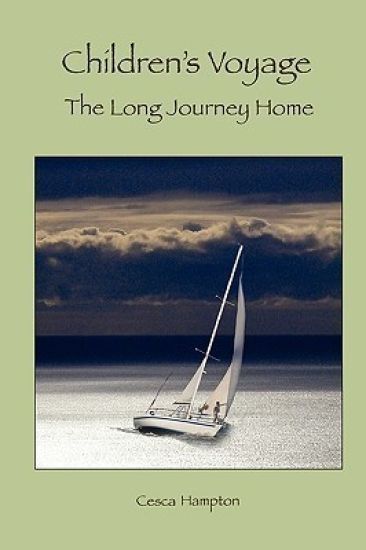
The distance from California to Hawaii is more than 2500 miles, an impossibly long voyage by sea for five troubled youngsters, yet for all of them this daunting journey has come to seem the only way back to families they have lost. Jason Hitole, the eldest at 14, once learned how to manage his fathers yacht, the Makai, in the sunny waters off Hawaii, but now he must navigate it accurately across the greatest ocean on earth, relying only on his own ingenuity and what little he can teach his novice crew in the short time they have. Somehow he must bring home his younger siblings Jenny and Christopher and keep safe their friends 12-year-old Michelle and 11-year-old Jimmy. But when Jason is knocked unconscious in a great storm, the youngsters finally understand this voyage may never reach its destination unless they can figure out how to sail by themselves.
The biblical motif of a land divinely-promised and given to Abraham and his descendants is argued to be an ideological reflex of post-monarchic, territorial disputes between competing socio-religious groups. The important biblical motif of a Promised Land is founded upon the ancient Near Eastern concept of ancestral land: hereditary space upon which families lived, worked, died and were buried. An essential element of concept of ancestral land was the belief in the post-mortem existence of the ancestors, who were venerated with grave offerings, mortuary feasts, bone rituals and standing stones. The Hebrew Bible is littered with stories concerning these practices and beliefs, yet the specific correlation of ancestor veneration and certain biblical land claims has gone unrecognized. The book remedies this in presenting evidence for the vital and persistent impact of ancestor veneration upon land claims. It proposes that ancestor veneration, which formed a common ground in the experiences of various socio-religious groups in ancient Israel, became in the Hebrew Bible an ideological battlefield upon which claims to the land were won and lost.
A highly readable and illuminating approach to biblical scholarship from the author of Christ the Form of Beauty.At a time when new approaches to biblical analysis are proliferating, Francesca Murphy opens up the literary dimension of the Bible using a lively form of narrative criticism, developing a doctrine of revelation which is both original and radically traditional. Murphy argues that the Bible is written imaginatively, and that the best way to understand its meaning is to imagine how to perform or dramatize it. She follows the sequence of heroes and heroines who carry the plot from Genesis to Revelation and presents a fresh and remarkable picture of biblical revelation as the performance of God's image in history, captured by its writers' moral imagination.
Reveals the importance of the sacramental imagination as the key to the renewal of Christology and of modern Christian literature.
The biblical motif of a land divinely-promised and given to Abraham and his descendants is argued to be an ideological reflex of post-monarchic, territorial disputes between competing socio-religious groups. The important biblical motif of a Promised Land is founded upon the ancient Near Eastern concept of ancestral land: hereditary space upon which families lived, worked, died and were buried. An essential element of concept of ancestral land was the belief in the post-mortem existence of the ancestors, who were venerated with grave offerings, mortuary feasts, bone rituals and standing stones. The Hebrew Bible is littered with stories concerning these practices and beliefs, yet the specific correlation of ancestor veneration and certain biblical land claims has gone unrecognized. The book remedies this in presenting evidence for the vital and persistent impact of ancestor veneration upon land claims. It proposes that ancestor veneration, which formed a common ground in the experiences of various socio-religious groups in ancient Israel, became in the Hebrew Bible an ideological battlefield upon which claims to the land were won and lost.
Illuminating Faith
Francesca Aran Murphy; Balázs M. Mezei; Kenneth Oakes
T. T.Clark Ltd
2015
sidottu
This textbook will give students a clear understanding of the connection between faith and reason. Illuminating Faith gives students a clear and accessible introduction to some of the major ways faith and the relationship between faith and reason have been understood within Western Christianity. In twenty-six short and easy to digest units it covers different accounts of faith beginning with Scripture, moving through the history of Christian thought, and ending with contemporary views. Along the way it explores some of the decisive theological and philosophy accounts of faith, such as faith seeking understanding, faith and supernatural virtue, faith and skepticism, and faith and science. Yet it also includes significant issues and movements not typically covered in introductory texts, such as documents from church councils, faith as knowledge, assent, and trust in the Protestant scholastics, faith and the heart in pietism, secularized accounts of faith, faith after Auschwitz, and faith and liberation. The goal of each unit is to introduce students to topical issues surrounding the nature of faith, to provide historical background for each topic, and to generate further discussion and reflection on the nature of faith. The result is a well balanced and unique introduction to various understandings of faith. Designed specifically with classroom use in mind, Illuminating Faith includes a glossary of words, an update-to-date bibliography, and each chapter ends with questions for discussion as well as suggestions for relevant reading material.
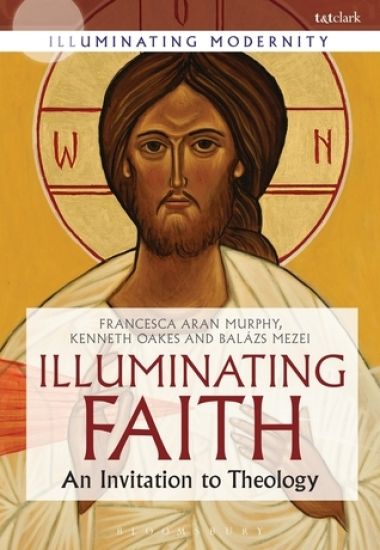
Illuminating Faith
Francesca Aran Murphy; Balázs M. Mezei; Kenneth Oakes
T. T.Clark Ltd
2015
nidottu
This textbook will give students a clear understanding of the connection between faith and reason. Illuminating Faith gives students a clear and accessible introduction to some of the major ways faith and the relationship between faith and reason have been understood within Western Christianity. In twenty-six short and easy to digest units it covers different accounts of faith beginning with Scripture, moving through the history of Christian thought, and ending with contemporary views. Along the way it explores some of the decisive theological and philosophy accounts of faith, such as faith seeking understanding, faith and supernatural virtue, faith and skepticism, and faith and science. Yet it also includes significant issues and movements not typically covered in introductory texts, such as documents from church councils, faith as knowledge, assent, and trust in the Protestant scholastics, faith and the heart in pietism, secularized accounts of faith, faith after Auschwitz, and faith and liberation. The goal of each unit is to introduce students to topical issues surrounding the nature of faith, to provide historical background for each topic, and to generate further discussion and reflection on the nature of faith. The result is a well balanced and unique introduction to various understandings of faith. Designed specifically with classroom use in mind, Illuminating Faith includes a glossary of words, an update-to-date bibliography, and each chapter ends with questions for discussion as well as suggestions for relevant reading material.
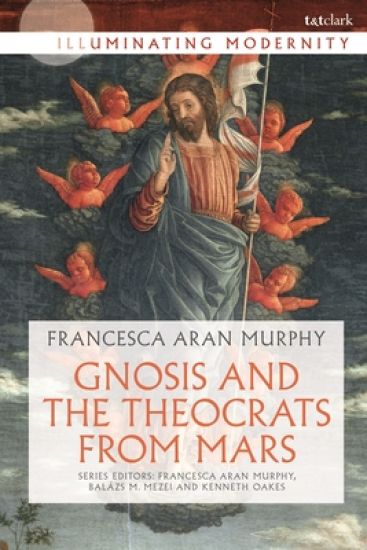
This book provides a creative and highly imaginative critical theological genealogy of modern secular reason and the nature of modernity more generally. Francesca Murphy offers a critical perspective that shapes the exploration of modernity, driven by Catholic traditions and sources.Murphy’s method is unique: she uses artificial intelligence as her framing parable, analyzing the nature and limits of the robotic ‘reasoning’ of several AI characters (Pistis, Gnosis and Cultus). This enables her to develop several interrelated themes, with further didactic chapters offering a mytho-poetic retelling of human history. Her reflections on the absence of creativity and any meaningful relation to ‘time’ further renders an acute critique of the limits of technological rationality. The end result is an unusual and compelling exploration of rationality and fundamental theological anthropology.
This book provides a creative and highly imaginative critical theological genealogy of modern secular reason and the nature of modernity more generally. Francesca Murphy offers a critical perspective that shapes the exploration of modernity, driven by Catholic traditions and sources.Murphy’s method is unique: she uses artificial intelligence as her framing parable, analyzing the nature and limits of the robotic ‘reasoning’ of several AI characters (Pistis, Gnosis and Cultus). This enables her to develop several interrelated themes, with further didactic chapters offering a mytho-poetic retelling of human history. Her reflections on the absence of creativity and any meaningful relation to ‘time’ further renders an acute critique of the limits of technological rationality. The end result is an unusual and compelling exploration of rationality and fundamental theological anthropology.

Goats eat EVERYTHING! Especially when a garden gate is left open and a feast awaits. Not content with strawberries, lemons and beans they continue to munch until all the plants, the shed and then next door's fence has been devoured!
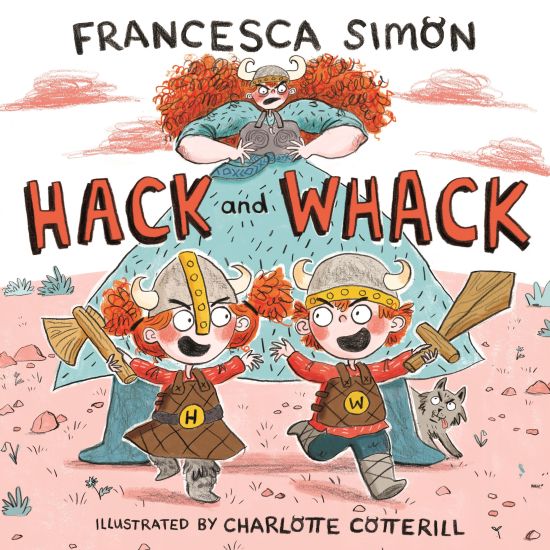
Hack and Whack - two angelic looking Viking toddler twins - are on the attack! As they go marauding around their village, upsetting the apple carts, little do they know there is a force far more powerful than they: their mum! The story ends on the terrible two being plunged into a cold bath!Gloriously funny, slapstick, fast paced action from the queen of funny.
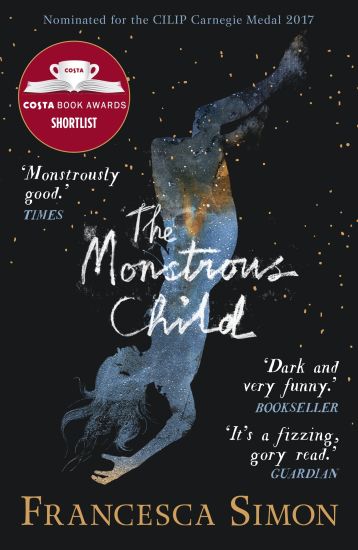
'Before you reject me, before you hate me, remember: I never asked to be Hel's queen.'But being a normal teenager wasn't an option either. Now she's stuck ruling the underworld. For eternity. She doesn't want your pity. But she does demand that you listen. It's only fair you hear her side of the story . . . It didn't have to be like this.
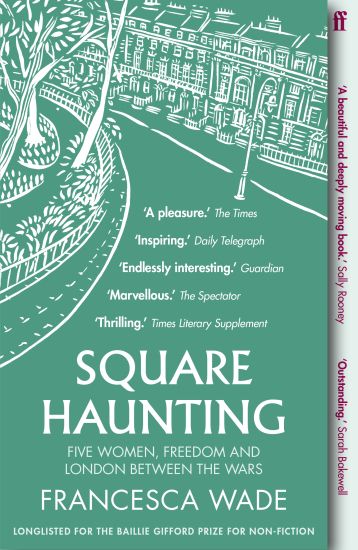
A SUNDAY TIMES LITERARY NON-FICTION BOOK OF THE YEARA GUARDIAN BEST BOOK OF THE YEAR (AS CHOSEN BY AUTHORS)**LONGLISTED FOR THE BAILLIE GIFFORD PRIZE****SHORTLISTED FOR THE RSL ONDAATJE PRIZE**'Outstanding. I'll be recommending this all year.' SARAH BAKEWELL'A beautiful and deeply moving book.' SALLY ROONEY'I like this London life . . . the street-sauntering and square-haunting.' Virginia Woolf, diary, 1925Mecklenburgh Square, on the radical fringes of interwar Bloomsbury, was home to activists, experimenters and revolutionaries; among them were the modernist poet H. D., detective novelist Dorothy L. Sayers, classicist Jane Harrison, economic historian Eileen Power, and writer and publisher Virginia Woolf. They each alighted there seeking a space where they could live, love and, above all, work independently.Francesca Wade's spellbinding group biography explores how these trailblazing women pushed the boundaries of literature, scholarship, and social norms, forging careers that would have been impossible without these rooms of their own.'Elegant, erudite and absorbing, Square Haunting is a startlingly original debut, and Francesca Wade is a writer to watch.' FRANCES WILSON'A fascinating voyage through the lives of five remarkable women - moving and immersive.' EDMUND GORDON
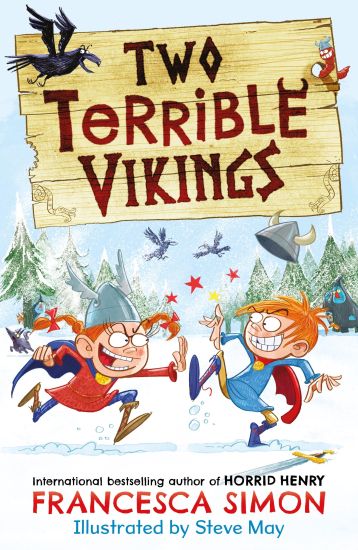
This viking duo will give Horrid Henry a run for his money!What if your parents WANTED you to behave badly?Set in the snowy fjords of a Viking kingdom, the terrible twins, Hack and Whack, are proud to be the best worst vikings. Nothing stops the marauding pair as they steal boats, loot a birthday party, track a troll and sail off to raid Bad Island with their friends Twisty Pants and Dirty Ulf.Well, almost nothing . . .With whip-smart dialogue, and accompanied by Dennis the Menace style anarchic cartoon imagery, this series is as sharp, funny and compelling as you would expect from the reigning Queen of Comedy.'As joyously anarchic as Horrid Henry . . . will have your children laughing out loud.' Cressida Cowell'A treat for kids. A wonderfully absurd, anarchic romp.' Sarah McIntyre
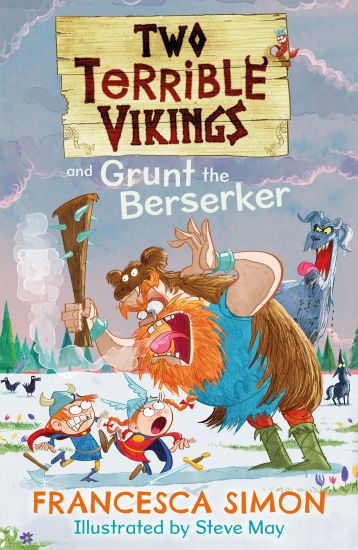
It's not easy being the WORST at everything!Hack and Whack are the very worst Vikings in the village - until a fierce and stinky berserker moves in - NEXT DOOR!WILL the brand new school help the twins outwit this villain and his vicious dog, Muddy Butt?And will Twisty Pants, Dirty Ulf and Elsa Gold-Hair help vanquish this foul fiend?'As joyously anarchic as Horrid Henry.' Cressida Cowell'A great new series for early readers.' BookTrust'A wonderfully absurd, anarchic romp.' Sarah McIntyre'Immensely appealing to children of five and up.' Literary Review
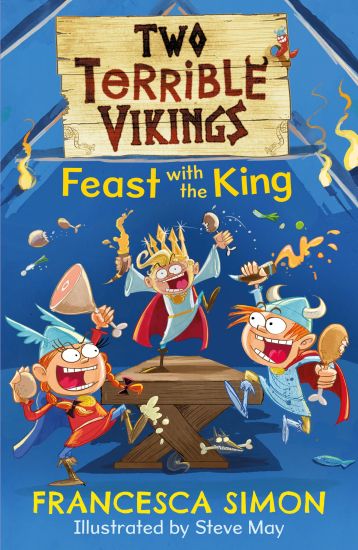
Three fantastic new stories!Hack and Whack babysit a toddler - Fire Hazard - and discover to their horror that they might not be the worst vikings in the village after all . . .Then they manage to secure an exciting invite to feast with the visiting king, but discover that it's three days of having to be on their best behaviour . . . Until the new teenaged king turns out to be a lout - food fights ensue, and he loves them.Unfortunately, that's when the snotty, privileged, wealthy winter guests turn up - distant cousins who can't be turned away. They make everyone's life a misery - can Hack and Whack find a way to get rid of them?Packed full of humour that children will love and illustrated with anarchy by the fabulous Steve May.