Der Niederrhein ist ein Paradies f r Fahrradfahrer und eine reizvolle Kultur- und Naturlandschaft. Felder, Wiesen und W lder pr gen die Region. Viele kleine St dte laden zu einem Besuch ein. Der Niederrhein ist auch eine Region, die auf eine ber 2.000j hrige Geschichte zur ckblicken kann. In diesem Buch wird auch ber die Fauna und Flora dieser Region im Westen Deutschlands berichtet. Nicht nur ber den Niederrhein erf hrt der Leser viel, sondern auch ber Regionen im Norden Deutschlands, die sich f r Radtouren anbieten, wie das M nsterland, das Teufelsmoor bei Bremen, die L neburger Heide, das Emsland und Ostfriesland.
Der Niederrhein ist ein Paradies f r Fahrradfahrer und eine reizvolle Kultur- und Naturlandschaft. Felder, Wiesen und W lder pr gen die Region. Viele kleine St dte laden zu einem Besuch ein. Der Niederrhein ist auch eine Region, die auf eine ber 2.000j hrige Geschichte zur ckblicken kann. In diesem Buch wird auch ber die Fauna und Flora dieser Region im Westen Deutschlands berichtet. Nicht nur ber den Niederrhein erf hrt der Leser viel, sondern auch ber Regionen im Norden Deutschlands, die sich f r Radtouren anbieten, wie das M nsterland, das Teufelsmoor bei Bremen, die L neburger Heide, das Emsland und Ostfriesland.
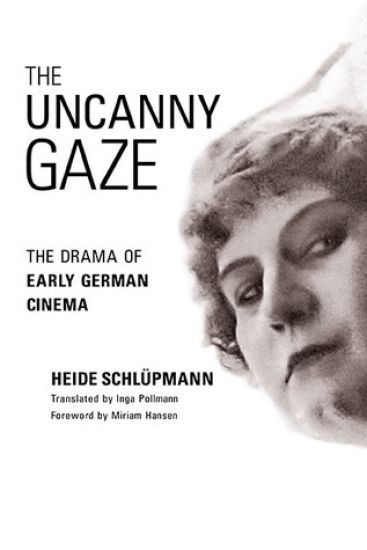
Heide Schlüpmann's classic study of early German cinema was published in German as Unheimlichkeit des Blicks: Das Drama des Frühen deutschen Kinos in 1990. For the first time in English, this translation makes available her feminist examination of German cinema and Germany in the sociopolitical context of Wilhelmine society. By examining then-unknown pre-World War I narrative films, this study paints a picture of the conflicted early years of the German cinema. During this period cinema and film production were able to develop independently from the cultural bourgeoisie and relied on those forces excluded from high "culture": technology, business, performers, showmen, and actors. In cinema, the dime novel and kitsch were exhibited for all, and the internationalism of modernity prevailed over the prevailing nationalism of the period.Featuring a foreword by film scholar Miriam Hansen and a new afterword by Schlüpmann, this volume performs a critical perusal of film commentary and offers an in-depth look at little-known films in early German cinema.
Heide Schlüpmann's classic study of early German cinema was published in German as Unheimlichkeit des Blicks: Das Drama des Frühen deutschen Kinos in 1990. For the first time in English, this translation makes available her feminist examination of German cinema and Germany in the sociopolitical context of Wilhelmine society. By examining then-unknown pre-World War I narrative films, this study paints a picture of the conflicted early years of the German cinema. During this period cinema and film production were able to develop independently from the cultural bourgeoisie and relied on those forces excluded from high "culture": technology, business, performers, showmen, and actors. In cinema, the dime novel and kitsch were exhibited for all, and the internationalism of modernity prevailed over the prevailing nationalism of the period.Featuring a foreword by film scholar Miriam Hansen and a new afterword by Schlüpmann, this volume performs a critical perusal of film commentary and offers an in-depth look at little-known films in early German cinema.
The Japanese urban alleyway, which was once part of people’s personal spatial sphere and everyday life has been transformed by diverse and competing interests. Marginalised through the emergence of new forms of housing and public spaces, re-appropriated by different fields, and re-invented by the contemporary urban design discourse, the social meaning attached to the roji is being re-interpreted by individuals, subcultures and new social movements. The book will introduce and discuss examples of urban practices which take place within the dynamic urban landscape of contemporary Tokyo to portray the life cycle of an urban form being rediscovered, commodified and lost as physical space.