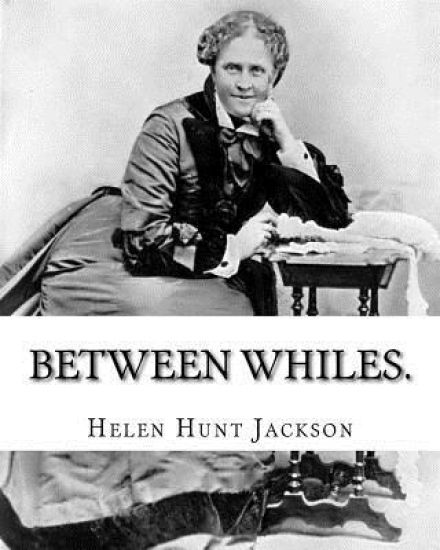
Helen Maria Hunt Jackson, born Helen Fiske (October 15, 1830 - August 12, 1885), was an American poet and writer who became an activist on behalf of improved treatment of Native Americans by the U.S. government. She described the adverse effects of government actions in her history A Century of Dishonor (1881). Her novel Ramona (1884) dramatized the federal government's mistreatment of Native Americans in Southern California after the Mexican-American War and attracted considerable attention to her cause. Commercially popular, it was estimated to have been reprinted 300 times and most readers liked its romantic and picturesque qualities rather than its political content.The novel was so popular that it attracted many tourists to Southern California who wanted to see places from the book.She was born Helen Maria Fiske in Amherst, Massachusetts, the daughter of Nathan Welby Fiske and Deborah Waterman Vinal Fisk. Helen's father was a minister, author, and professor of Latin, Greek, and philosophy at Amherst College. She had two brothers, both of whom died soon after birth, and a sister Anne. They were raised as Unitarian.Anne became the wife of E. C. Banfield, a federal government official who served as Solicitor of the United States Treasury. The girls lost their mother in 1844, when Helen was fifteen. Three years later their father died. He had provided financially for Helen's education and arranged for an uncle to care for her. Fiske attended Ipswich Female Seminary and the Abbott Institute, a boarding school in New York City run by Reverend J.S.C. Abbott. She was a classmate of Emily Dickinson, also from Amherst; Emily became a renowned poet. The two corresponded for the rest of their lives, but few of their letters have surviveed.In 1852 at age 22, Fiske married U.S. Army Captain Edward Bissell Hunt. They had two sons, one of whom, Murray Hunt, died as an infant in 1854 of a brain disease. In 1863, her husband died in a military accident. Her second son Rennie Hunt died of diphtheria in 1865. Hunt traveled widely. In the winter of 1873-1874 she was in Colorado Springs, Colorado at the resort of Seven Falls, seeking rest in hopes of a cure for tuberculosis, which was often fatal before the invention of antibiotics. (See Tuberculosis treatment in Colorado Springs).While in Colorado Springs, Hunt met William Sharpless Jackson, a wealthy banker and railroad executive. They married in 1875 and she took the name Jackson, under which she was best known for her later writings.Helen Hunt began writing after the deaths of her family members. She published her early work anonymously, usually under the name "H.H."Ralph Waldo Emerson admired her poetry and used several of her poems in his public readings. He included five of them in his Parnassus: An Anthology of Poetry (1880). Over the next two years, she published three novels in the anonymous No Name Series, including Mercy Philbrick's Choice and Hetty's Strange History.She also encouraged a contribution from Emily Dickinson to A Masque of Poets as part of the same series........
Helen Maria Hunt Jackson, born Helen Fiske (October 15, 1830 - August 12, 1885), was an American poet and writer who became an activist on behalf of improved treatment of Native Americans by the U.S. government. She described the adverse effects of government actions in her history A Century of Dishonor (1881). Her novel Ramona (1884) dramatized the federal government's mistreatment of Native Americans in Southern California after the Mexican-American War and attracted considerable attention to her cause. Commercially popular, it was estimated to have been reprinted 300 times and most readers liked its romantic and picturesque qualities rather than its political content.The novel was so popular that it attracted many tourists to Southern California who wanted to see places from the book.She was born Helen Maria Fiske in Amherst, Massachusetts, the daughter of Nathan Welby Fiske and Deborah Waterman Vinal Fisk. Helen's father was a minister, author, and professor of Latin, Greek, and philosophy at Amherst College. She had two brothers, both of whom died soon after birth, and a sister Anne. They were raised as Unitarian.Anne became the wife of E. C. Banfield, a federal government official who served as Solicitor of the United States Treasury. The girls lost their mother in 1844, when Helen was fifteen. Three years later their father died. He had provided financially for Helen's education and arranged for an uncle to care for her. Fiske attended Ipswich Female Seminary and the Abbott Institute, a boarding school in New York City run by Reverend J.S.C. Abbott. She was a classmate of Emily Dickinson, also from Amherst; Emily became a renowned poet. The two corresponded for the rest of their lives, but few of their letters have surviveed.In 1852 at age 22, Fiske married U.S. Army Captain Edward Bissell Hunt. They had two sons, one of whom, Murray Hunt, died as an infant in 1854 of a brain disease. In 1863, her husband died in a military accident. Her second son Rennie Hunt died of diphtheria in 1865. Hunt traveled widely. In the winter of 1873-1874 she was in Colorado Springs, Colorado at the resort of Seven Falls, seeking rest in hopes of a cure for tuberculosis, which was often fatal before the invention of antibiotics. (See Tuberculosis treatment in Colorado Springs).While in Colorado Springs, Hunt met William Sharpless Jackson, a wealthy banker and railroad executive. They married in 1875 and she took the name Jackson, under which she was best known for her later writings.Helen Hunt began writing after the deaths of her family members. She published her early work anonymously, usually under the name "H.H."Ralph Waldo Emerson admired her poetry and used several of her poems in his public readings. He included five of them in his Parnassus: An Anthology of Poetry (1880). Over the next two years, she published three novels in the anonymous No Name Series, including Mercy Philbrick's Choice and Hetty's Strange History.She also encouraged a contribution from Emily Dickinson to A Masque of Poets as part of the same series......
Helen Maria Hunt Jackson, born Helen Fiske (October 15, 1830 - August 12, 1885), was an American poet and writer who became an activist on behalf of improved treatment of Native Americans by the U.S. government. She described the adverse effects of government actions in her history A Century of Dishonor (1881). Her novel Ramona (1884) dramatized the federal government's mistreatment of Native Americans in Southern California after the Mexican-American War and attracted considerable attention to her cause. Commercially popular, it was estimated to have been reprinted 300 times and most readers liked its romantic and picturesque qualities rather than its political content.The novel was so popular that it attracted many tourists to Southern California who wanted to see places from the book.She was born Helen Maria Fiske in Amherst, Massachusetts, the daughter of Nathan Welby Fiske and Deborah Waterman Vinal Fisk. Helen's father was a minister, author, and professor of Latin, Greek, and philosophy at Amherst College. She had two brothers, both of whom died soon after birth, and a sister Anne. They were raised as Unitarian.Anne became the wife of E. C. Banfield, a federal government official who served as Solicitor of the United States Treasury. The girls lost their mother in 1844, when Helen was fifteen. Three years later their father died. He had provided financially for Helen's education and arranged for an uncle to care for her. Fiske attended Ipswich Female Seminary and the Abbott Institute, a boarding school in New York City run by Reverend J.S.C. Abbott. She was a classmate of Emily Dickinson, also from Amherst; Emily became a renowned poet. The two corresponded for the rest of their lives, but few of their letters have surviveed.In 1852 at age 22, Fiske married U.S. Army Captain Edward Bissell Hunt. They had two sons, one of whom, Murray Hunt, died as an infant in 1854 of a brain disease. In 1863, her husband died in a military accident. Her second son Rennie Hunt died of diphtheria in 1865. Hunt traveled widely. In the winter of 1873-1874 she was in Colorado Springs, Colorado at the resort of Seven Falls, seeking rest in hopes of a cure for tuberculosis, which was often fatal before the invention of antibiotics. (See Tuberculosis treatment in Colorado Springs).While in Colorado Springs, Hunt met William Sharpless Jackson, a wealthy banker and railroad executive. They married in 1875 and she took the name Jackson, under which she was best known for her later writings.Helen Hunt began writing after the deaths of her family members. She published her early work anonymously, usually under the name "H.H."Ralph Waldo Emerson admired her poetry and used several of her poems in his public readings. He included five of them in his Parnassus: An Anthology of Poetry (1880). Over the next two years, she published three novels in the anonymous No Name Series, including Mercy Philbrick's Choice and Hetty's Strange History.She also encouraged a contribution from Emily Dickinson to A Masque of Poets as part of the same series
Helen Maria Hunt Jackson, born Helen Fiske (October 15, 1830 - August 12, 1885), was an American poet and writer who became an activist on behalf of improved treatment of Native Americans by the U.S. government. She described the adverse effects of government actions in her history A Century of Dishonor (1881). Her novel Ramona (1884) dramatized the federal government's mistreatment of Native Americans in Southern California after the Mexican-American War and attracted considerable attention to her cause. Commercially popular, it was estimated to have been reprinted 300 times and most readers liked its romantic and picturesque qualities rather than its political content.The novel was so popular that it attracted many tourists to Southern California who wanted to see places from the book.She was born Helen Maria Fiske in Amherst, Massachusetts, the daughter of Nathan Welby Fiske and Deborah Waterman Vinal Fisk. Helen's father was a minister, author, and professor of Latin, Greek, and philosophy at Amherst College. She had two brothers, both of whom died soon after birth, and a sister Anne. They were raised as Unitarian.Anne became the wife of E. C. Banfield, a federal government official who served as Solicitor of the United States Treasury. The girls lost their mother in 1844, when Helen was fifteen. Three years later their father died. He had provided financially for Helen's education and arranged for an uncle to care for her. Fiske attended Ipswich Female Seminary and the Abbott Institute, a boarding school in New York City run by Reverend J.S.C. Abbott. She was a classmate of Emily Dickinson, also from Amherst; Emily became a renowned poet. The two corresponded for the rest of their lives, but few of their letters have surviveed.In 1852 at age 22, Fiske married U.S. Army Captain Edward Bissell Hunt. They had two sons, one of whom, Murray Hunt, died as an infant in 1854 of a brain disease. In 1863, her husband died in a military accident. Her second son Rennie Hunt died of diphtheria in 1865. Hunt traveled widely. In the winter of 1873-1874 she was in Colorado Springs, Colorado at the resort of Seven Falls, seeking rest in hopes of a cure for tuberculosis, which was often fatal before the invention of antibiotics. (See Tuberculosis treatment in Colorado Springs).While in Colorado Springs, Hunt met William Sharpless Jackson, a wealthy banker and railroad executive. They married in 1875 and she took the name Jackson, under which she was best known for her later writings.Helen Hunt began writing after the deaths of her family members. She published her early work anonymously, usually under the name "H.H."Ralph Waldo Emerson admired her poetry and used several of her poems in his public readings. He included five of them in his Parnassus: An Anthology of Poetry (1880). Over the next two years, she published three novels in the anonymous No Name Series, including Mercy Philbrick's Choice and Hetty's Strange History.She also encouraged a contribution from Emily Dickinson to A Masque of Poets as part of the same series
Helen Maria Hunt Jackson, born Helen Fiske (October 15, 1830 - August 12, 1885), was an American poet and writer who became an activist on behalf of improved treatment of Native Americans by the U.S. government. She described the adverse effects of government actions in her history A Century of Dishonor (1881). Her novel Ramona (1884) dramatized the federal government's mistreatment of Native Americans in Southern California after the Mexican-American War and attracted considerable attention to her cause. Commercially popular, it was estimated to have been reprinted 300 times and most readers liked its romantic and picturesque qualities rather than its political content.The novel was so popular that it attracted many tourists to Southern California who wanted to see places from the book.She was born Helen Maria Fiske in Amherst, Massachusetts, the daughter of Nathan Welby Fiske and Deborah Waterman Vinal Fisk. Helen's father was a minister, author, and professor of Latin, Greek, and philosophy at Amherst College. She had two brothers, both of whom died soon after birth, and a sister Anne. They were raised as Unitarian.Anne became the wife of E. C. Banfield, a federal government official who served as Solicitor of the United States Treasury. The girls lost their mother in 1844, when Helen was fifteen. Three years later their father died. He had provided financially for Helen's education and arranged for an uncle to care for her. Fiske attended Ipswich Female Seminary and the Abbott Institute, a boarding school in New York City run by Reverend J.S.C. Abbott. She was a classmate of Emily Dickinson, also from Amherst; Emily became a renowned poet. The two corresponded for the rest of their lives, but few of their letters have surviveed.In 1852 at age 22, Fiske married U.S. Army Captain Edward Bissell Hunt. They had two sons, one of whom, Murray Hunt, died as an infant in 1854 of a brain disease. In 1863, her husband died in a military accident. Her second son Rennie Hunt died of diphtheria in 1865. Hunt traveled widely. In the winter of 1873-1874 she was in Colorado Springs, Colorado at the resort of Seven Falls, seeking rest in hopes of a cure for tuberculosis, which was often fatal before the invention of antibiotics. (See Tuberculosis treatment in Colorado Springs).While in Colorado Springs, Hunt met William Sharpless Jackson, a wealthy banker and railroad executive. They married in 1875 and she took the name Jackson, under which she was best known for her later writings.Helen Hunt began writing after the deaths of her family members. She published her early work anonymously, usually under the name "H.H."Ralph Waldo Emerson admired her poetry and used several of her poems in his public readings. He included five of them in his Parnassus: An Anthology of Poetry (1880). Over the next two years, she published three novels in the anonymous No Name Series, including Mercy Philbrick's Choice and Hetty's Strange History.She also encouraged a contribution from Emily Dickinson to A Masque of Poets as part of the same series.......
Helen Maria Hunt Jackson, born Helen Fiske (October 15, 1830 - August 12, 1885), was an American poet and writer who became an activist on behalf of improved treatment of Native Americans by the U.S. government. She described the adverse effects of government actions in her history A Century of Dishonor (1881). Her novel Ramona (1884) dramatized the federal government's mistreatment of Native Americans in Southern California after the Mexican-American War and attracted considerable attention to her cause. Commercially popular, it was estimated to have been reprinted 300 times and most readers liked its romantic and picturesque qualities rather than its political content.The novel was so popular that it attracted many tourists to Southern California who wanted to see places from the book.She was born Helen Maria Fiske in Amherst, Massachusetts, the daughter of Nathan Welby Fiske and Deborah Waterman Vinal Fisk. Helen's father was a minister, author, and professor of Latin, Greek, and philosophy at Amherst College. She had two brothers, both of whom died soon after birth, and a sister Anne. They were raised as Unitarian.Anne became the wife of E. C. Banfield, a federal government official who served as Solicitor of the United States Treasury. The girls lost their mother in 1844, when Helen was fifteen. Three years later their father died. He had provided financially for Helen's education and arranged for an uncle to care for her. Fiske attended Ipswich Female Seminary and the Abbott Institute, a boarding school in New York City run by Reverend J.S.C. Abbott. She was a classmate of Emily Dickinson, also from Amherst; Emily became a renowned poet. The two corresponded for the rest of their lives, but few of their letters have surviveed.In 1852 at age 22, Fiske married U.S. Army Captain Edward Bissell Hunt. They had two sons, one of whom, Murray Hunt, died as an infant in 1854 of a brain disease. In 1863, her husband died in a military accident. Her second son Rennie Hunt died of diphtheria in 1865. Hunt traveled widely. In the winter of 1873-1874 she was in Colorado Springs, Colorado at the resort of Seven Falls, seeking rest in hopes of a cure for tuberculosis, which was often fatal before the invention of antibiotics. (See Tuberculosis treatment in Colorado Springs).While in Colorado Springs, Hunt met William Sharpless Jackson, a wealthy banker and railroad executive. They married in 1875 and she took the name Jackson, under which she was best known for her later writings.Helen Hunt began writing after the deaths of her family members. She published her early work anonymously, usually under the name "H.H."Ralph Waldo Emerson admired her poetry and used several of her poems in his public readings. He included five of them in his Parnassus: An Anthology of Poetry (1880). Over the next two years, she published three novels in the anonymous No Name Series, including Mercy Philbrick's Choice and Hetty's Strange History.She also encouraged a contribution from Emily Dickinson to A Masque of Poets as part of the same series.........
In Greek mythology, Helen, better known as Helen of Sparta or Helen of Troy, was daughter of Zeus and Leda, wife of king Menelaus of Sparta and sister of Castor, Polydeuces and Clytemnestra. Her abduction by Paris brought about the Trojan War. Helen was described as having the face that launched a thousand ships. Helen or Helene is probably derived from the Greek word meaning "torch" or "corposant" or might be related to "selene" meaning "moon".
In Greek mythology, Helen, better known as Helen of Sparta or Helen of Troy, was daughter of Zeus and Leda, wife of king Menelaus of Sparta and sister of Castor, Polydeuces and Clytemnestra. Her abduction by Paris brought about the Trojan War. Helen was described as having the face that launched a thousand ships. Helen or Helene is probably derived from the Greek word meaning "torch" or "corposant" or might be related to "selene" meaning "moon".
In Greek mythology, Helen, better known as Helen of Sparta or Helen of Troy, was daughter of Zeus and Leda, wife of king Menelaus of Sparta and sister of Castor, Polydeuces and Clytemnestra. Her abduction by Paris brought about the Trojan War. Helen was described as having the face that launched a thousand ships. Helen or Helene is probably derived from the Greek word meaning "torch" or "corposant" or might be related to "selene" meaning "moon".
Helen Stuart Campbell (born Helen Stuart; July 5, 1839 - July 22, 1918) was a social reformer and pioneer in the field of home economics. She wrote several important studies about women trapped in poverty, and the role that effective home economics could play in lifting women and families out of poverty.She was born in Lockport, New York to Jane E. (n e Campbell) and Homer H. Stuart. (She later changed her surname to favor her mother's maiden name.) She studied in Warren, Rhode Island and Bloomington, New Jersey. She worked as a professor of economics at the University of Wisconsin from 1893-96, and then as a professor of domestic science at Kansas State Agricultural College from 1896-97
Helen Stuart Campbell (born Helen Stuart; July 5, 1839 - July 22, 1918) was a social reformer and pioneer in the field of home economics. She wrote several important studies about women trapped in poverty, and the role that effective home economics could play in lifting women and families out of poverty.She was born in Lockport, New York to Jane E. (n e Campbell) and Homer H. Stuart. (She later changed her surname to favor her mother's maiden name.) She studied in Warren, Rhode Island and Bloomington, New Jersey. She worked as a professor of economics at the University of Wisconsin from 1893-96, and then as a professor of domestic science at Kansas State Agricultural College from 1896-97
It is Helen James first day at the Academy and two boys who moved there last year decide to pick on Helen. But Helen is more sure of herself now and is willing to fight back. She was in luck as the 'Visitant' Hyming came to collect Helen as she is a 'Good' and they need her for an important mission, the 'Good' Jawake has gone missing. For the first time Helen wanted help from the 'Visitants' Before she would go with him she wanted Hyming to place the two bullies on the school roof. Then she would go with him. Finding Jawake was not easy but she was given the magical Ruby Sword to help her find him. When Helen was returns to the school playground will the boys still be on the roof?