Kirjahaku
Etsi kirjoja tekijän nimen, kirjan nimen tai ISBN:n perusteella.
1000 tulosta hakusanalla Mario Jacoby

Discover the universe of the most famous hero in video games in this one-of-a-kind book! There are some unbelievable stories. People you never thought you would meet. People with incredible personalities! Mitsugu Kikai is the most hardcore Mario collector. Figurines, plushes, T-shirts, pens, boardgames, drinks, phones, notebooks, furniture, audio tapes, bikes, manga and even cotton buds! Kikai shows us his special world and his thousands of Mario items. It is a unique book, full of surprises, dedicated to all the collectors throughout the world. It is the biggest collection of Mario by-products. It features more than 5,000 pictures of this incredible collection. It contains thousands of rare and incredible items. It includes a whole chapter dedicated to the rarest items.
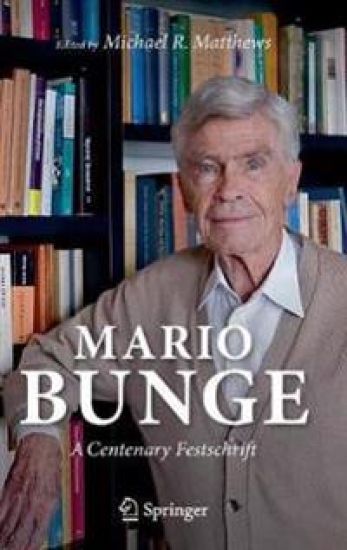
Mario Bunge: A Centenary Festschrift
Springer Nature Switzerland AG
2019
sidottu
This volume has 41 chapters written to honor the 100th birthday of Mario Bunge. It celebrates the work of this influential Argentine/Canadian physicist and philosopher. Contributions show the value of Bunge’s science-informed philosophy and his systematic approach to philosophical problems.The chapters explore the exceptionally wide spectrum of Bunge’s contributions to: metaphysics, methodology and philosophy of science, philosophy of mathematics, philosophy of physics, philosophy of psychology, philosophy of social science, philosophy of biology, philosophy of technology, moral philosophy, social and political philosophy, medical philosophy, and education. The contributors include scholars from 16 countries.Bunge combines ontological realism with epistemological fallibilism. He believes that science provides the best and most warranted knowledge of the natural and social world, and that such knowledge is the only sound basis for moral decision making and social and political reform. Bunge argues for the unity of knowledge. In his eyes, science and philosophy constitute a fruitful and necessary partnership. Readers will discover the wisdom of this approach and will gain insight into the utility of cross-disciplinary scholarship. This anthology will appeal to researchers, students, and teachers in philosophy of science, social science, and liberal education programmes.1. IntroductionSection I. An Academic Vocation (3 chapters)Section II. Philosophy (12 chapters)Section III. Physics and Philosophy of Physics (4 chapters)Section IV. Cognitive Science and Philosophy of Mind (2 chapters)Section V. Sociology and Social Theory (4 chapters)Section VI. Ethics and Political Philosophy (3 chapters)Section VII. Biology and Philosophy of Biology (3 chapters)Section VIII. Mathematics (3 chapters)Section IX. Education (2 chapters)Section X. Varia (3 chapters)Section XI. Bibliography
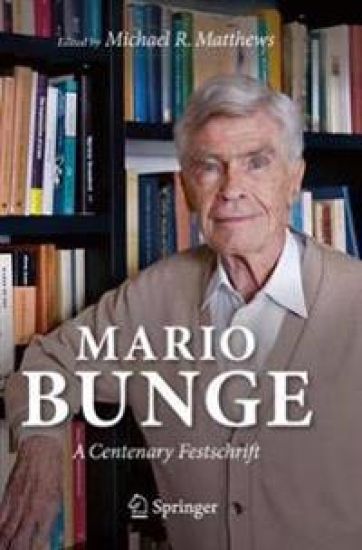
Mario Bunge: A Centenary Festschrift
Springer Nature Switzerland AG
2020
nidottu
This volume has 41 chapters written to honor the 100th birthday of Mario Bunge. It celebrates the work of this influential Argentine/Canadian physicist and philosopher. Contributions show the value of Bunge’s science-informed philosophy and his systematic approach to philosophical problems.The chapters explore the exceptionally wide spectrum of Bunge’s contributions to: metaphysics, methodology and philosophy of science, philosophy of mathematics, philosophy of physics, philosophy of psychology, philosophy of social science, philosophy of biology, philosophy of technology, moral philosophy, social and political philosophy, medical philosophy, and education. The contributors include scholars from 16 countries.Bunge combines ontological realism with epistemological fallibilism. He believes that science provides the best and most warranted knowledge of the natural and social world, and that such knowledge is the only sound basis for moral decision making and social and political reform. Bunge argues for the unity of knowledge. In his eyes, science and philosophy constitute a fruitful and necessary partnership. Readers will discover the wisdom of this approach and will gain insight into the utility of cross-disciplinary scholarship. This anthology will appeal to researchers, students, and teachers in philosophy of science, social science, and liberal education programmes.1. IntroductionSection I. An Academic Vocation (3 chapters)Section II. Philosophy (12 chapters)Section III. Physics and Philosophy of Physics (4 chapters)Section IV. Cognitive Science and Philosophy of Mind (2 chapters)Section V. Sociology and Social Theory (4 chapters)Section VI. Ethics and Political Philosophy (3 chapters)Section VII. Biology and Philosophy of Biology (3 chapters)Section VIII. Mathematics (3 chapters)Section IX. Education (2 chapters)Section X. Varia (3 chapters)Section XI. Bibliography
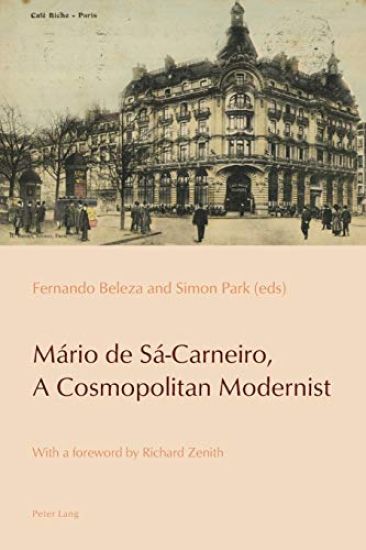
Mário de Sá-Carneiro, A Cosmopolitan Modernist
Peter Lang AG, Internationaler Verlag der Wissenschaften
2016
nidottu
Although he committed suicide at the age of twenty-five, Mário de Sá-Carneiro left behind a rich corpus of texts that is inventive, playful, even daring. The first collection in English to be dedicated to his work, this volume brings together scholars from Portugal, Brazil, and the USA to reassess Sá-Carneiro’s contribution to Portuguese and European Modernism(s). In the book, established researchers and younger scholars delve into the complexities and paradoxes of his work, exploring not only the acclaimed novella Lucio’s Confession, but also his poetry, short fiction, and correspondence. Each essay engages in the necessary task of placing Sá-Carneiro’s work in a wider literary and artistic context, bringing back to his texts the creative energy of early twentieth-century Europe. Plural in their methods, the essays propose multiple lenses through which to tackle key aspects of Sá-Carneiro’s œuvre: his aesthetic and artistic influences and preoccupations; his negotiations/performances of identity; and the ways in which his work emerges in dialogue with other Modernist authors and how they in turn engage with his work. Though he is sometimes overshadowed by his more famous friend and artistic comrade, Fernando Pessoa, this collection shows just how much one misses, if one overlooks Sá-Carneiro and other writers of the Orpheu generation.
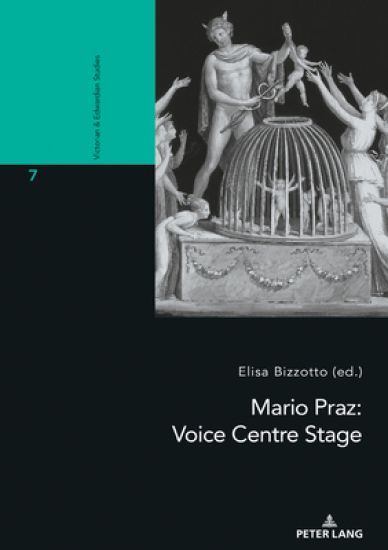
Mario Praz: Voice Centre Stage
Peter Lang AG, Internationaler Verlag der Wissenschaften
2019
nidottu
Mario Praz: Voice Centre Stage is the first collection of essays in English on Italian writer Mario Praz (1896-1982), a central figure of twentieth-century culture and international literary relations. Praz’s formidable oeuvre spanned six decades and covered such topics as comparative literature, interior design, history of art and culture, collecting, interart and intermedial studies, translation, journalism, travelling and autobiography. His colossal erudition encompassed an enthusiasm for the eccentric, the interstitial, the erotic and the macabre. This book, based on pluri- and interdisciplinary critical approaches by a variety of specialists, sheds ample light on an author who still awaits full appreciation as a unique cross-cultural ‘voice inside the scene’ of literature and art.


Mario y el mar. Spanische Lektüre für die Klassen 8 und 9
Felisa Tomé Ortega
Klett Ernst /Schulbuch
2020
lehtivihko, moniste

Mario und der Zauberer. EinFach Deutsch ...verstehen
Thomas Mann; Roland Kroemer
Schoeningh Verlag
2011
nidottu

Mario und der Zauberer von Thomas Mann: Lektüreschlüssel mit Inhaltsangabe, Interpretation, Prüfungsaufgaben mit Lösungen, Lernglossar. (Reclam Lektüreschlüssel XL)
Thomas Mann; Swantje Ehlers
Reclam Philipp Jun.
2022
pokkari

"Mario und der Zauberer" von Thomas Mann verstehen (Klasse 11, Deutsch)
Anonymous
GRIN Verlag
2021
nidottu

Mario Lanza: Die Stimme des Jahrhunderts
tredition
2024
pokkari
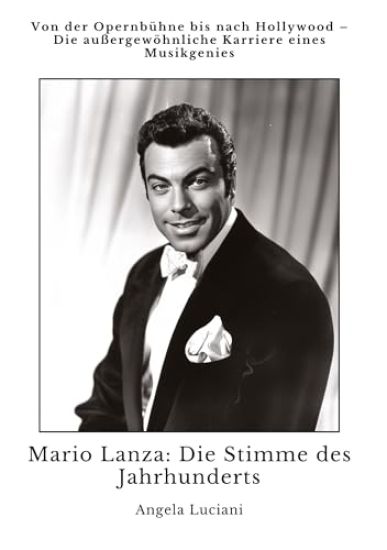
Mario Lanza: Die Stimme des Jahrhunderts
tredition
2024
sidottu
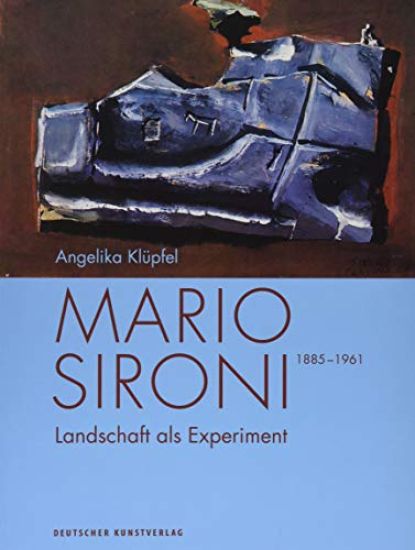
Mario Sironi gehörte in seinen Anfängen zum inneren Kreis der Futuristen. Nach dem Ersten Weltkrieg erlangte er als Maler der Industrieviertel in der Mailänder Peripherie und klassisch heroischer Figuren Bekanntheit. Berühmt wurde er letztlich durch seine Wandmalerei für das faschistische Italien. Dass der Futurismus sein gesamtes Werk beeinflusste, wird in dieser Abhandlung zum ersten Mal dargestellt. Das Thema der Landschaft, weitab vom Politischen, befreite Sironi zu Bilderfindungen geistiger Landschaften, den paesaggi dello spirito. Er löste sich kaum ganz vom Gegenstand, dennoch sind die Bilder jenseits der classicità von überraschender Abstraktion und vieldeutigem Raum. Seine Landschaftsscherben und die composizioni der Nachkriegszeit sind singulär. Sironi führt alle seine Motive in Schichtung und Streuung neu zusammen, bis sie in großer Dichte nahezu unkenntlich werden. Nicht nur die Abkehr von der Zentralperspektive erweist sich als Rückgriff auf den Futurismus: Der gekappte Baum ist Ausdruck für Zeit als durée im Sinne Henri Bergsons. Wie das Buch zeigt, war Sironi bis in seine letzten Jahre voll Energie und Mut zu neuen Entwicklungen – als Einziger unter den Zeitgenossen.



Studienarbeit aus dem Jahr 2011 im Fachbereich Germanistik - Sonstiges, Universit t Potsdam (Institut f r Germanistik), Veranstaltung: Thomas Manns Novellen und Erz hlungen, Sprache: Deutsch, Abstract: Eines der bekanntesten Werke Thomas Manns ist die Novelle "Mario und der Zauberer. Ein tragisches Reiseerlebnis," welches er 1929 w hrend eines Aufenthaltes an der Ostsee schrieb und das im Jahr 1930 erschien. Es ist gleichzeitig eines der meistanalysierten Werke Manns. In der Forschung sind sehr viele und sehr verschiedene Interpretationen und Interpretationsans tze vertreten. Dies liegt wohl haupts chlich an den unterschiedlichen Aussagen, die der Autor im Laufe der Zeit zu der Novelle get tigt hat, beruhend auf seinen wechselnden politischen Ansichten. Die Novelle beruht auf einem zweiw chigen Badeurlaub, den Thomas Mann mit seiner Familie im September 1926 nach Forte dei Marmi unternahm. Einige der erz hlten Vorf lle hat die Familie tats chlich so erlebt. So wird denn auch ber einen wachsenden Nationalismus und Fremdenfeindlichkeit berichtet. Aber war der einzige Zweck, zu dem Thomas Mann die Novelle schrieb, der, einen Reisebericht abzuliefern? Oder wollte er noch mehr? Er sah, wie sich die faschistische Diktatur in Italien immer mehr etablierte. Sah er auch Gleiches in Deutschland herannahen und wollte davor warnen? Dies zu kl ren ist das Ziel der vorliegenden Arbeit. Daraus resultierend wird als erstes der italienische Faschismus behandelt um einen berblick ber den geschichtlichen Kontext zu gewinnen. Anschlie end wird auf Thomas Manns Verh ltnis zu Italien und sp ter auch zur Politik eingegangen. Danach wird der Inhalt der Novelle kurz gekl rt, um schlie lich die Warnungen in "Mario und der Zauberer" herauszuarbeiten.