Forster's novels have always given great pleasure to the general reader but they do present particular problems for those who wish to study them in a more systematic way. The elusiveness of Forster's irony, the complexity of his symbolism and the formal ambiguities in structure that are such a marked feature in all his novels, make any analysis surprisingly challenging. In this book, Nigel Messenger shows you how to set about this task.
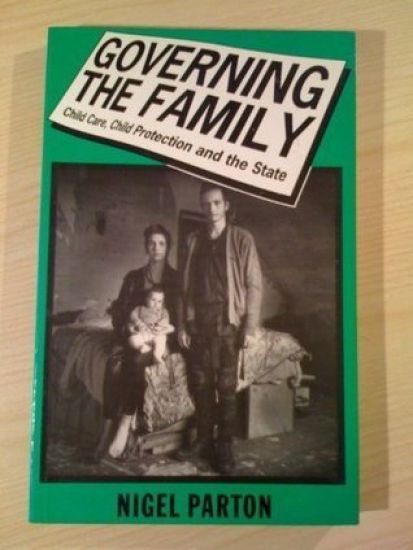
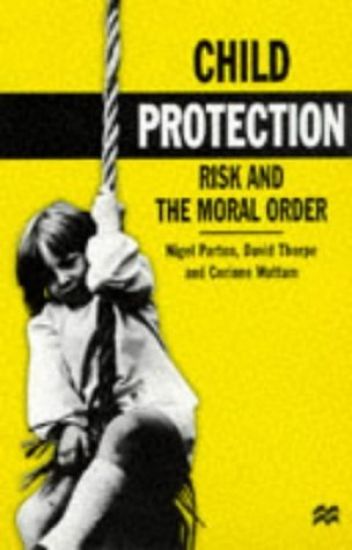
Drawing on original research this book provides a challenging and instructive analysis of the nature of the heated and often contradicting arguments of recent years about how to reform the child care system, and the emergence of a central concern with child protection.It provides a unique insight into the political influences on the 1989 Children Act and the issues it attempted to address, the bargains that were struck in the process of it becoming law and the new balances it introduced between the role of the state, the responsibilities of parents and the rights of children.
The issues of growth performance and structural change are critical to an appreciation of British economic development. This new text reviews Britain's growth performance and considers the changing structure of the economy. It also incorporates a discussion of the controversial political issues in this sphere: disindustrialisation, North Sea oil and the environmental cost of economic growth. Against this background, the book analysis the evolution of supply-side policy in the post war years, and speculates on its likely development in the 21st century.
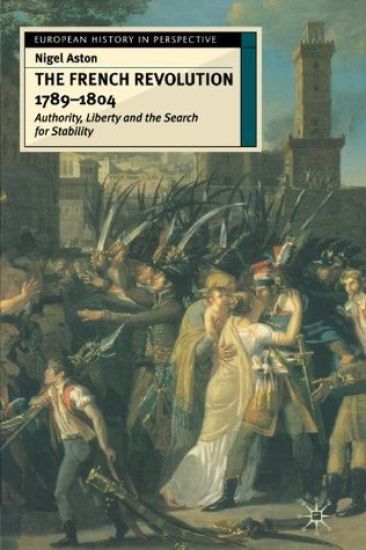
What was the appeal of the values of the Revolution? When did disillusionment set in, and why? Why did so few women identify with the Revolution? These are some of the questions which recur in this fresh study which focuses on some of the major themes at the heart of the current debate on the French Revolution and the Counter-Revolution. The French Revolution, 1789-1804: - Examines the human cost of Revolutionary change and the political ruthlessness of its key players - Explores the continuities and ruptures in the unfolding of the Revolution up to 1804 and Napoleon's coronation as emperor - Discusses the emergence of a new political culture, institutions, political participation and rhetoric - Considers the social history of the 1790s with an assessment of the militarisation of France, violence and vandalism, and the social effects of economic changes - Adopts a wide perspective and looks at the reception of Revolutionary values in Europe, the French colonies, and the United States Nigel Aston's concise study is essential reading for all those with an interest in this crucial moment in the creation of the modern world.
Drawing on original research, this book provides a major critique of contemporary child protection research, policy and practice. In particular, it challenges current attempts to reorder priorities and reconstruct the balance between family support and child protection. In the process, it provides a unique insight into the nature of child protection work and the way practitioners respond to the inherent tensions and difficulties involved. It is essential reading for anyone interested in this major personal and social issue.
There has been increased international interest in the relevance of social theories associated with postmodernism, social constructionism and narrative approaches for social work. The central aim of this book is to demonstrate how such ideas can make a contribution to social work practice.
Recent years have witnessed increased international interest in the relevance of social theories associated with postmodernism, social constructionism and narrative approaches for social work. The central aim of this unique book is to demonstrate how such ideas can make a direct and positive contribution to social work practice. The innovative approach is affirmative and reflexive and emphasis is given to dialogue, process and plurality of knowledge and voice. Richly illustrated by case examples, the book is an ideal introduction to a crucially important new area of social work theory.
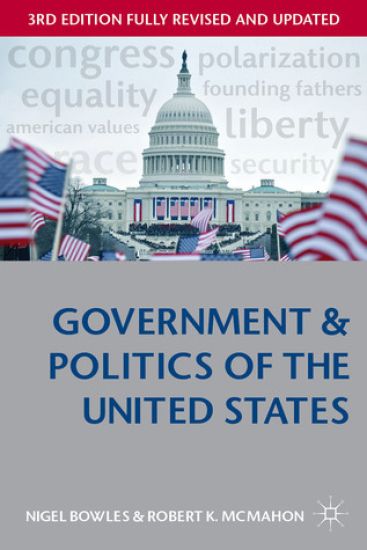
This extensively revised new edition offers a broad-ranging, systematic and sophisticated introduction contemplating the institutions and processes of government in the US set in a clear historical context.
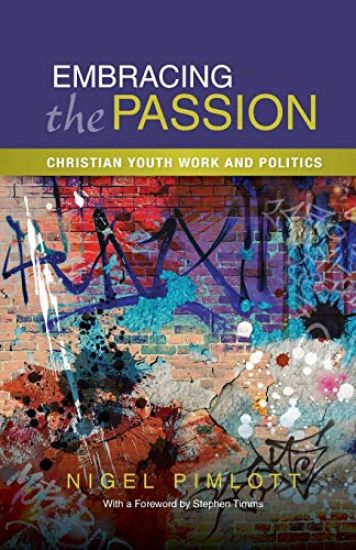
Convention suggests it is best not to talk about faith and politics: this book talks about both! It argues that Jesus was a political figure who championed the rights of the marginalised, the oppressed and voiceless. In this challenging and accessible book, Nigel Pimlott argues young people are often marginalised, oppressed and rarely heard in a world favouring the rich and powerful. Young people are opinionated, passionate about what they think is right and wrong, and are concerned about the world they live in. Yet research indicates young people are disengaged from mainstream political processes where they can express their views - young adults have stopped voting in elections in unprecedented numbers. This is something of a paradox. Nigel contends that by more effectively equipping Christian youth workers and ministers to do politicking, they will be able to better equip and disciple young people to be more politically engaged in their own contexts. This unique research-based book provides a concise overview of how youth workers might best help young people flourish and realise the common good. It engages those interested in politics – and more importantly – encourages those not interested to get interested and make a difference in the world!
This book focuses upon the relationship between effectiveness and improvement in schools and colleges. The main theories and research findings concerning organizational effectiveness and improvement are brought together within this single volume. The book aims to provide an understanding of the way in which organizational effectiveness is conceptualized, measured and realized in practice. It also explores the ways in which change associated with organizational improvement is effectively managed. The emphasis throughout the book is upon making theory accessible and of practical use to those concerned with organizational effectiveness and improvement. It will assist practitioners and managers to understand how improvement can be initiated, managed and sustained at all levels within the organization.This volume forms part of the Leadership and Management in Education series. This four book series provides a carefully chosen selection of high quality readings on key contemporary themes in educational management: professional development, reflection on practice, leadership, team working, effectiveness and improvement, quality, strategy and resources. The series will be an important resource for classroom teachers and lecturers as well as those holding designated management posts in schools and colleges and will provide a valuable basis for professional development programmes.
What can computer simulation contribute to the social sciences?Which of the many approaches to simulation would be best for my social science project?How do I design, carry out and analyse the results from a computer simulation?Interest in social simulation has been growing rapidly worldwide as a result of increasingly powerful hardware and software and also a rising interest in the application of ideas of complexity, evolution, adaptation and chaos in the social sciences. Simulation for the Social Scientist is a practical textbook on the techniques of building computer simulations to assist understanding of social and economic issues and problems. This authoritative book details all the common approaches to social simulation, to provide social scientists with an appreciation of the literature and allow those with some programming skills to create their own simulations. New for this edition:A new chapter on designing multi-agent systems, to support the fact that multi-agent modelling has become the most common approach to simulationNew examples and guides to current softwareUpdated throughout to take new approaches into accountThe book is an essential tool for social scientists in a wide range of fields, particularly sociology, economics, anthropology, geography, organizational theory, political science, social policy, cognitive psychology and cognitive science. It will also appeal to computer scientists interested in distributed artificial intelligence, multi-agent systems and agent technologies.
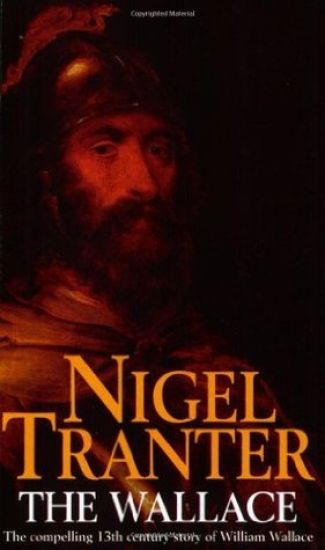
At the end of the 13th century, Scotland was a blood-torn country suffering under the harsh domination of a tyrant usurper, the hated Plantagenet, Edward Longshanks. During the appalling violence of those unsettled days, one man rose to become leader of the Scots. That man was William Wallace.Motivated at first by revenge for the slaughter of his father, Wallace vowed to cleanse his country of the English and set the rightful king, Robert the Bruce, upon the Scottish throne.Though Wallace was a heroic figure, he was but a man - and his chosen path was to lead him through grievous danger and personal tragedy before the final outcome . . .Praise for Nigel Tranter:'One of Scotland's most prolific and respected writers' Times'Through his imaginative dialogue, he provides a voice for Scotland's heroes' Scotland on Sunday
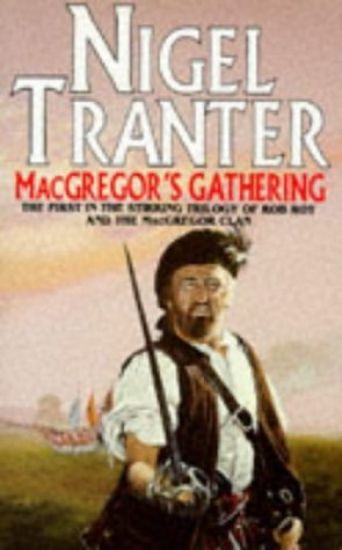
At the beginning of the eighteenth century, one of the most exciting and romantic periods of British history, the famous Rob Roy MacGregor and his gallant nephew Gregor, a fierce young Highlander loyal to the cause, led the MacGregor clan into battle against the English Army. Outlawed and landless, they still clung to Glengyle, one small remaining corner of their ancient territories, and held fast in their loyalty to the Stuart King over the water. But in the midst of the political struggle young Gregor still managed to find time to pay court to Mary Hamilton, a lovely girl who at first rejected his rough Highland ways... 'Through his imaginative dialogue, he provides a voice for Scotland's heroes' Scotland on Sunday
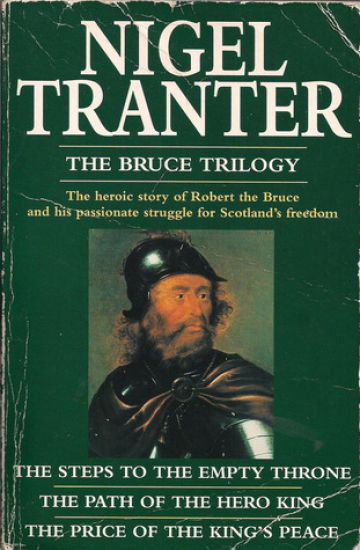
Hero or traitor? King or outlaw? Discover the life of Scottish hero Robert the Bruce in this thrilling trilogy. Master storyteller Nigel Tranter tells the tale of the legendary warrior, and future King of Scots. Tutored and encouraged by William Wallace, Robert the Bruce determined to continue the fight for an independent Scotland, sustained by a passionate love for his land. This edition collects together Steps to the Empty Throne, Price of the King's Peace and Path of the Hero King, from the master of Scottish historical fiction. Praise for Nigel Tranter:'One of Scotland's most prolific and respected writers' Times'Through his imaginative dialogue, he provides a voice for Scotland's heroes' Scotland on Sunday
A riveting tale of romance, treachery and heartbreak, set in 15th century Scotland: the story of Mary Stewart, eldest sister of James III of Scotland and her part in making Orkney and Shetland part of Scotland. After young James the Third's accession to the Scottish throne, the ambitious Boyd family of Kilmarnock seized power in a bloodless coup. Mary Stewart, James' eldest sister, was at first unwilling to marry Thomas Boyd, future Earl of Arran - but she had now choice. Eventually, however, she learned to love him, and when he was sent to the Danish court to negotiate with King Christian, she discovered a unique talent for diplomacy. In exchange for Princess Margaret of Denmark marrying her brother, Princess Mary at length persuaded the Danes to hand over the islands of Orkney and Shetland to Scottish dominion. But when the fortunes of the all-powerful Boyd family took a turn for the worse, Mary was to find herself in an extremely awkward and dangerous position . . . .'Through his imaginative dialogue, he provides a voice for Scotland's heroes' Scotland on Sunday
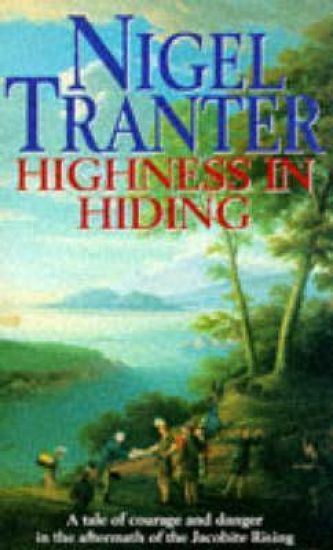
The quashing of the Jacobite Rising of 1745 saw an end to the ambitions of the exiled house of Stuart. But somehow the young pretender, Prince Charles Edward, otherwise known as Bonnie Prince Charlie, manage to avoid arrest.For six extraordinary months the handsome young prince, often starving, sometimes barefoot and in rags, ranged the Western Highlands and the Outer and Inner Hebrides, hiding, lurking, fleeing.Despite dire threats of punishment to all who might aid and abet him, the royal fugitive was hidden by brave and trusty supporters, each of whom could have betrayed him for the massive £30,000 reward offered by the English.This story stands as a tribute to the loyalty and staunch courage of the Highland clansfolk.'Through his imaginative dialogue, he provides a voice for Scotland's heroes' Scotland on Sunday
Now divided into four parts, the second edition of Cancer Pain delivers broad coverage of the issues that arise in the management of malignancy-related pain, from basic science, through end of life care and associated ethical issues, to therapies, both medical and complementary.Part One reviews basis considerations in cancer pain management, including epidemiology, pharmacology, history-taking and patient evaluation and teamworking.Part Two brings together the drug therapies for cancer pain, their underlying basis, and potential side-effects.Part Three covers the non-drug therapies, including nerve blocks, stimulation-induced analgesia, radiotherapy, complementary therapies and psychological interventions. The control of symptoms other than pain, so critical to cancer patients, is also considered here.Part Four describes special situations. Cancer pain management in children and older patients, and in the community setting, and pain in the dying patient and the cancer survivor are all covered here.
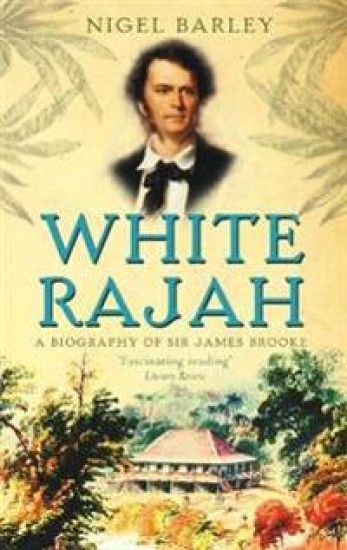
Sir James Brooke was an extraordinary 'eminent' Victorian, whose life was the stuff of legend.His curious career began in 1841 when he was caught up in a war in Brunei which had started because a party of local Dayaks had refused to furl their umbrellas in the presence of the Sultan. Brooke was an opportunist who, with the Sultan's backing, made war on the Dayaks tribespeople and eventually found himself ruling over Sarawak - a kingdom the size of England - as a result. How he achieved it is a romantic, sometimes horrifying story. Brooke is someone that George Macdonald Fraser would scarcely dare to invent. Errol Flynn wanted to play him in a movie, seventy years after his death and his dynasty is remembered throughout South-East Asia.
There are now thousands of students completing Mindfulness-Based Stress Reduction, Mindfulness-Based Cognitive Therapy and other mindfulness programmes around the world. However, on completion many will struggle to continue or will stop, with the intention of starting again in the future. Why Can't I Meditate? addresses this problem. It combines accounts by new meditators of their struggles, and successes, with insights from a wide variety of the most accomplished teachers, representing every school of mindfulness teaching. It identifies, investigates and offers many practical solutions to get our mindfulness unstuck and firmly establish a regular practice. This is a book for anyone who has sat on their meditation seat or cushion and wondered whether they should go on. Contributors include: Stephen Batchelor, Rebecca Crane, Christina Feldman, Geshe Tashi Tsering, Choji Lama Rabsang, Willem Kuyken, Tsoknyi Rinpoche, Franklin Sills, Philippa Vick and Martin Wells.