

Kirjahaku
Etsi kirjoja tekijän nimen, kirjan nimen tai ISBN:n perusteella.
1000 tulosta hakusanalla Bryan Healey

Paladins are nothing but trouble. Stories about paladins are everywhere, noble warriors riding magic steeds into battle against terrible foes. Champions of their gods. Heroes to everyone, except those who already have everything. Paladins are notorious for upsetting the balance of power, to the detriment of any who don't worship their deity.So when Krell is called to service by the capricious god of the seas and skies, ReckNor, those with wealth and power can't help but be concerned. ReckNor hasn't called a paladin in years, and his nature is ever-changing and erratic. The fact that Krell is also an uneducated nobody with a stubborn streak as wide as the sea turns their concerns into fear.All of which matters less than the threat clawing its way from the waves, ready to turn the ocean red with spilled blood...

Paladins are nothing but trouble. Stories about paladins are everywhere, noble warriors riding magic steeds into battle against terrible foes. Champions of their gods. Heroes to everyone, except those who already have everything. Paladins are notorious for upsetting the balance of power, to the detriment of any who don't worship their deity.So when Krell is called to service by the capricious god of the seas and skies, ReckNor, those with wealth and power can't help but be concerned. ReckNor hasn't called a paladin in years, and his nature is ever-changing and erratic. The fact that Krell is also an uneducated nobody with a stubborn streak as wide as the sea turns their concerns into fear.All of which matters less than the threat clawing its way from the waves, ready to turn the ocean red with spilled blood...

Paladins are nothing but trouble. When Krell, an uneducated nobody with a stubborn streak as wide as the sea, hears the call from ReckNor, the capricious god of the seas and skies, the attention of the rich and powerful turn their gaze toward him. Paladins are notorious for upsetting the balance of power, to the detriment of any who don't worship their deity.When Krell stands against the might of the sea devils and emerges victorious, concern and interest turn to fear-fear of their secrets and plans being revealed and exposed, of the ruin that often follows in a paladin's wake. Now he stands in defense of a pitiful town at the edge of nowhere, even as the sea devil menace grows more dire for each day that passes.For as deadly as the sea devils are to Krell, his past choices and the consequences of his actions may be deadlier still . . .

Paladins are nothing but trouble. When Krell, an uneducated nobody with a stubborn streak as wide as the sea, hears the call from ReckNor, the capricious god of the seas and skies, the attention of the rich and powerful turn their gaze toward him. Paladins are notorious for upsetting the balance of power, to the detriment of any who don't worship their deity.When Krell stands against the might of the sea devils and emerges victorious, concern and interest turn to fear-fear of their secrets and plans being revealed and exposed, of the ruin that often follows in a paladin's wake. Now he stands in defense of a pitiful town at the edge of nowhere, even as the sea devil menace grows more dire for each day that passes.For as deadly as the sea devils are to Krell, his past choices and the consequences of his actions may be deadlier still . . .
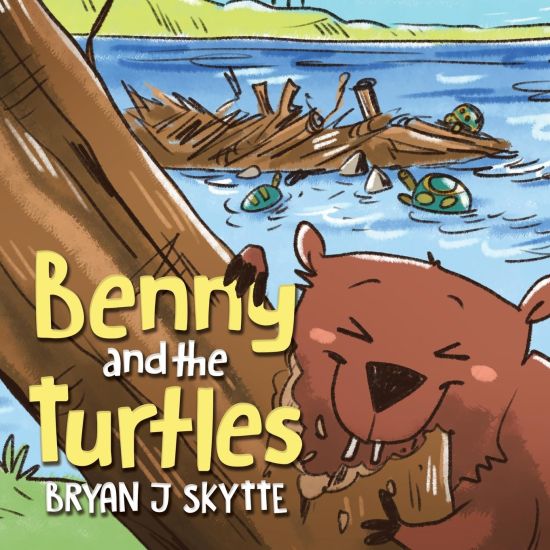
Get ready for an adventure with Benny and the Turtles JoinBenny and his friends as they face a problem that threatens their peaceful homein the lake. With teamwork, determination, and a little bit of ingenuity, theydiscover a solution that saves their community and brings new life to the lake.This heartwarming tale is perfect for young readers who love stories aboutfriendship, problem solving, and making a difference. Don't miss out on thisinspiring story that shows how even the smallest creatures can have a bigimpact.

This broad-ranging assessment of US power in the twenty-first century covers not just the nature and mechanics of foreign policy but the broad array of economic, military, political, social and ideological forces that shape America's global position and role, all set in a clear historical context.

This broad-ranging assessment of US power in the twenty-first century covers not just the nature and mechanics of foreign policy but the broad array of economic, military, political, social and ideological forces that shape America's global position and role, all set in a clear historical context.
The field of performance studies analyses the production and impact of on-stage performance, such as in a theatre or circus, and off-stage performance, such as cultural rituals and political protests. Performance Studies: Key Words, Concepts and Theories introduces students to 34 key topics seen as paramount to the future of performance studies in a series of short, engaging essays by an international team of distinguished scholars. Each essay contributes to the wide-ranging, adventurous and conscientious nature that makes performance studies such an innovative, valuable and exciting field.
The field of performance studies analyses the production and impact of on-stage performance, such as in a theatre or circus, and off-stage performance, such as cultural rituals and political protests. Performance Studies: Key Words, Concepts and Theories introduces students to 34 key topics seen as paramount to the future of performance studies in a series of short, engaging essays by an international team of distinguished scholars. Each essay contributes to the wide-ranging, adventurous and conscientious nature that makes performance studies such an innovative, valuable and exciting field.

This is a self-contained book and audio CD pack focusing on language and communication skills for a wide range of meeting contexts. The book is suitable for both self-study and classroom use. In the classroom context, it can be used to supplement other courses or as a main coursebook for short, intensive training sessions. Input is in the form of written texts and audio dialogues with accompanying practice exercises and answers at the back of the book.

Worked Solutions for CSEC® Examinations 2007-2011: Biology
Bryan Hollamby; Gill Hollamby
Macmillan Caribbean
2013
nidottu
Worked Solutions for CSEC® 2007-2011: Human and Social Biology
Bryan Hollamby; Gill Hollamby
Macmillan
2013
nidottu
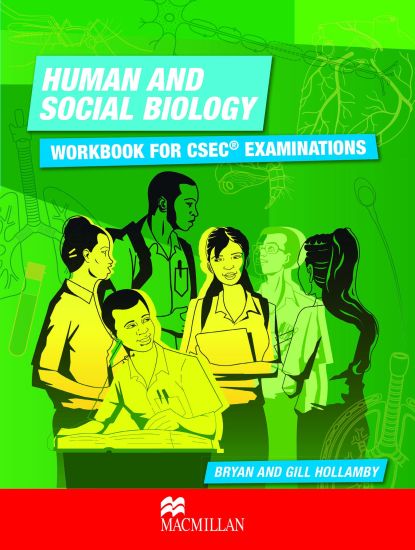
Human and Social Biology: Workbook for CSEC® Examinations
Bryan Hollamby; Gill Hollamby
Macmillan
2014
nidottu
• Content of each topic is linked to specific syllabus objectives • Can be used alongside any CSEC® textbook currently on the market • Features a range of exam-type practice questions including multiple choice and structured questions • Key learning points are highlighted at the beginning of each topic • Includes a glossary of biological terms with short explanations• Answers to all questions are included
Though China's economy is projected to become the world's largest within the next twenty years, industrial pollution threatens both the health of the country's citizens and the natural resources on which their economy depends. Capturing the consequences of this reality, Bryan Tilt conducts an in-depth, ethnographic study of Futian Township, a rural community reeling from pollution. The industrial township is located in the populous southwestern province of Sichuan. Three local factories-a zinc smelter, a coking plant, and a coal-washing plant-produce air and water pollution that far exceeds the standards set by the World Health Organization and China's Ministry of Environmental Protection. Interviewing state and company officials, factory workers, farmers, and scientists, Tilt shows how residents cope with this pollution and how they view its effects on health and economic growth. Striking at the heart of the community's environmental values, he explores the intersection between civil society and environmental policy, weighing the tradeoffs between protection and economic growth. Tilt ultimately finds that the residents are quite concerned about pollution, and he investigates the various strategies they use to fight it. His study unravels the complexity of sustainable development within a rapidly changing nation.
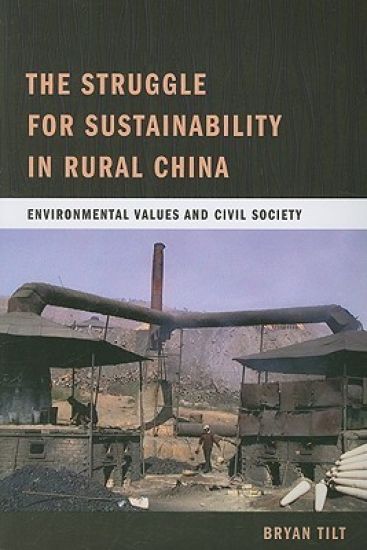
Though China's economy is projected to become the world's largest within the next twenty years, industrial pollution threatens both the health of the country's citizens and the natural resources on which their economy depends. Capturing the consequences of this reality, Bryan Tilt conducts an in-depth, ethnographic study of Futian Township, a rural community reeling from pollution. The industrial township is located in the populous southwestern province of Sichuan. Three local factories-a zinc smelter, a coking plant, and a coal-washing plant-produce air and water pollution that far exceeds the standards set by the World Health Organization and China's Ministry of Environmental Protection. Interviewing state and company officials, factory workers, farmers, and scientists, Tilt shows how residents cope with this pollution and how they view its effects on health and economic growth. Striking at the heart of the community's environmental values, he explores the intersection between civil society and environmental policy, weighing the tradeoffs between protection and economic growth. Tilt ultimately finds that the residents are quite concerned about pollution, and he investigates the various strategies they use to fight it. His study unravels the complexity of sustainable development within a rapidly changing nation.
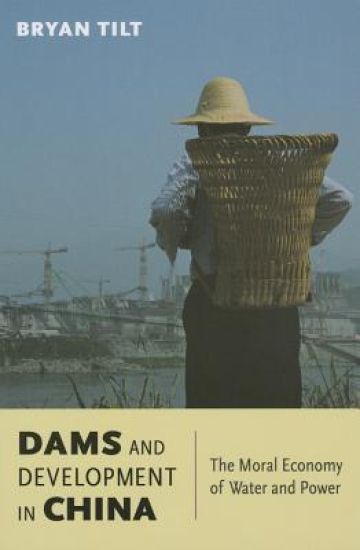
China is home to half of the world's large dams and adds dozens more each year. The benefits are considerable: dams deliver hydropower, provide reliable irrigation water, protect people and farmland against flooding, and produce hydroelectricity in a nation with a seeimingly insatiable appetite for energy. As hydropower responds to a larger share of energy demand, dams may also help to reduce the consumption of fossil fuels, welcome news in a country where air and water pollution have become dire and greenhouse gas emissions are the highest in the world. Yet the advantages of dams come at a high cost for river ecosystems and for the social and economic well-being of local people, who face displacement and farmland loss. This book examines the array of water-management decisions faced by Chinese leaders and their consequences for local communities. Focusing on the southwestern province of Yunnan-a major hub for hydropower development in China-which encompasses one of the world's most biodiverse temperate ecosystems and one of China's most ethnically and culturally rich regions, Bryan Tilt takes the reader from the halls of decision-making power in Beijing to Yunnan's rural villages. In the process, he examines the contrasting values of government agencies, hydropower corporations, NGOs, and local communities and explores how these values are linked to longstanding cultural norms about what is right, proper, and just. He also considers the various strategies these groups use to influence water-resource policy, including advocacy, petitioning, and public protest. Drawing on a decade of research, he offers his insights on whether the world's most populous nation will adopt greater transparency, increased scientific collaboration, and broader public participation as it continues to grow economically.
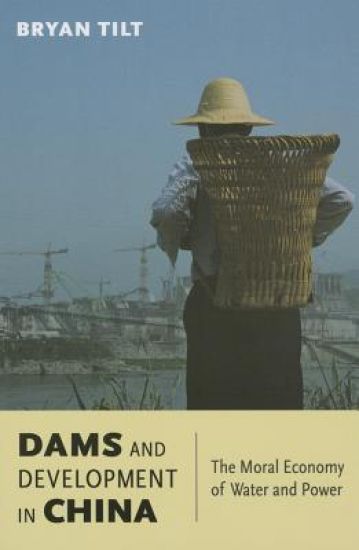
China is home to half of the world's large dams and adds dozens more each year. The benefits are considerable: dams deliver hydropower, provide reliable irrigation water, protect people and farmland against flooding, and produce hydroelectricity in a nation with a seeimingly insatiable appetite for energy. As hydropower responds to a larger share of energy demand, dams may also help to reduce the consumption of fossil fuels, welcome news in a country where air and water pollution have become dire and greenhouse gas emissions are the highest in the world. Yet the advantages of dams come at a high cost for river ecosystems and for the social and economic well-being of local people, who face displacement and farmland loss. This book examines the array of water-management decisions faced by Chinese leaders and their consequences for local communities. Focusing on the southwestern province of Yunnan-a major hub for hydropower development in China-which encompasses one of the world's most biodiverse temperate ecosystems and one of China's most ethnically and culturally rich regions, Bryan Tilt takes the reader from the halls of decision-making power in Beijing to Yunnan's rural villages. In the process, he examines the contrasting values of government agencies, hydropower corporations, NGOs, and local communities and explores how these values are linked to longstanding cultural norms about what is right, proper, and just. He also considers the various strategies these groups use to influence water-resource policy, including advocacy, petitioning, and public protest. Drawing on a decade of research, he offers his insights on whether the world's most populous nation will adopt greater transparency, increased scientific collaboration, and broader public participation as it continues to grow economically.
Are American colleges and universities failing their students by refusing to teach the philosophical traditions of China, India, Africa, and other non-Western cultures? This biting and provocative critique of American higher education says yes. Even though we live in an increasingly multicultural world, most philosophy departments stubbornly insist that only Western philosophy is real philosophy and denigrate everything outside the European canon. In Taking Back Philosophy, Bryan W. Van Norden lambastes academic philosophy for its Eurocentrism, insularity, and complicity with nationalism and issues a ringing call to make our educational institutions live up to their cosmopolitan ideals. In a cheeky, agenda-setting, and controversial style, Van Norden, an expert in Chinese philosophy, proposes an inclusive, multicultural approach to philosophical inquiry. He showcases several accessible examples of how Western and Asian thinkers can be brought into productive dialogue, demonstrating that philosophy only becomes deeper as it becomes increasingly diverse and pluralistic. Taking Back Philosophy is at once a manifesto for multicultural education, an accessible introduction to Confucian and Buddhist philosophy, a critique of the ethnocentrism and anti-intellectualism characteristic of much contemporary American politics, a defense of the value of philosophy and a liberal arts education, and a call to return to the search for the good life that defined philosophy for Confucius, Socrates, and the Buddha. Building on a popular New York Times opinion piece that suggested any philosophy department that fails to teach non-Western philosophy should be renamed a "Department of European and American Philosophy," this book will challenge any student or scholar of philosophy to reconsider what constitutes the love of wisdom.
Are American colleges and universities failing their students by refusing to teach the philosophical traditions of China, India, Africa, and other non-Western cultures? This biting and provocative critique of American higher education says yes. Even though we live in an increasingly multicultural world, most philosophy departments stubbornly insist that only Western philosophy is real philosophy and denigrate everything outside the European canon. In Taking Back Philosophy, Bryan W. Van Norden lambastes academic philosophy for its Eurocentrism, insularity, and complicity with nationalism and issues a ringing call to make our educational institutions live up to their cosmopolitan ideals. In a cheeky, agenda-setting, and controversial style, Van Norden, an expert in Chinese philosophy, proposes an inclusive, multicultural approach to philosophical inquiry. He showcases several accessible examples of how Western and Asian thinkers can be brought into productive dialogue, demonstrating that philosophy only becomes deeper as it becomes increasingly diverse and pluralistic. Taking Back Philosophy is at once a manifesto for multicultural education, an accessible introduction to Confucian and Buddhist philosophy, a critique of the ethnocentrism and anti-intellectualism characteristic of much contemporary American politics, a defense of the value of philosophy and a liberal arts education, and a call to return to the search for the good life that defined philosophy for Confucius, Socrates, and the Buddha. Building on a popular New York Times opinion piece that suggested any philosophy department that fails to teach non-Western philosophy should be renamed a "Department of European and American Philosophy," this book will challenge any student or scholar of philosophy to reconsider what constitutes the love of wisdom.