
Kirjahaku
Etsi kirjoja tekijän nimen, kirjan nimen tai ISBN:n perusteella.
1000 tulosta hakusanalla Edwin Booth
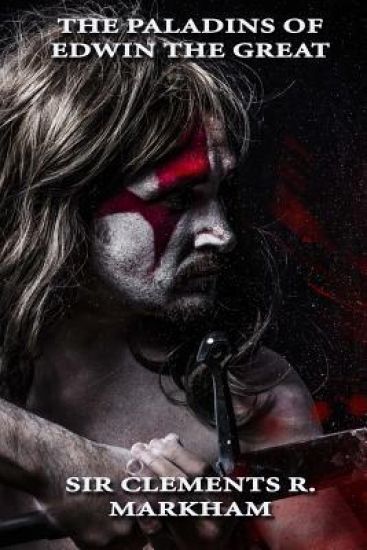
The Paladins of Edwin the Great
Clements R. Markham
Createspace Independent Publishing Platform
2014
nidottu
Very little is known for certain of one of the most important events in the history of the world, the coming of the Englishmen to England. It took a long time, fully a century, from 450 A.D. to 550 A.D., and they came constantly, in small detachments for the most part, landing on the coast, in all directions, from the Forth to the Isle of Wight. They came amidst the ruins of the mighty Roman Empire, a new race of empire-founders, with all the germs of a still mightier future. The new-comers from the older Angeln or England, now called Sleswig, came in the greatest numbers. We know not why, but it certainly was a wholesale movement. They kept launching their small fleets of dragon ships, and crossing the North Sea with their gods, their doorposts, and their beautiful golden-haired wives and children, until none were left. They brought with them all the deep religious feeling, all the imaginative mythology, all the heroic tales of the old land. They first disembarked on the coast between the Forth and the Tees, driving back the natives into Strathclyde, after a struggle which lasted for many years. Among them came Ida the son of Eoppa, with twelve sons, in forty dragon ships full of English warriors. He founded the castle of Bambrough on the coast, which was at first surrounded with a hedge and afterwards with a wall; and in 547 A.D. he became king of the country of Bernicia, between the Forth and the Tees. Ida was surnamed the "Flame-bearer." He reigned for twelve years in Bernicia, when Ethelric his son succeeded him. Many more warriors landed on the coast between the Tees and the Humber. In 559 A.D. their Eolderman, named Ella, the son of Iffi, the son of Wuscfrea, and 12th in descent from Woden, became king of the more southern Northumbrian kingdom of Deira. When they were settled in their kingdom of Deira, with Ella as their king, and Elfric as their leader in war, the sea-rovers became farmers, ready to defend their possessions and to fight for the acquisition of more territory for their countrymen. They were the ceorls or freemen assembling in communities of families, within a boundary or mark, and known by a common name with the addition of the patronymic ing. The ceorl owned a hide of land, bore arms, had a vote, and took part in the thing, or general assembly of his mark. The union of marks formed a wapentake (Vopnatak), from the custom of touching the chief's spear in token of fealty. The union of Wapentakes formed the Scire or Shire with its Shirem t. The Ceorl was the freeman, while the Eorl was the nobleman or chief in peace and war, and the Eolderman was a prince of the family of the Cyning (from cyne, generous) or king, who wore the cynehelm or circlet of gold. The Englishmen came with their immemorial gods, and their grand old traditions. Woden was their All-father and Creator, Thor the mighty enemy of giants and trolls, Tyr the god of war. They invoked Balder the bright and fair of aspect; Freyr, who presided over rain and sunshine; Niord, who ruled the winds; gir, god of the ocean; and many more. "Our forefathers derived comfort in affliction, support in difficulty, from the belief that the gods watched over them. They bent in gratitude for the blessings they conferred, and were guided and directed in the daily business of life by the conviction of their responsibility to higher powers than any which they recognised in the world around them." A religious feeling was the basis of their respect for law-of their loyalty, of their free institutions, and of those customs and habits of thought which were the foundation-stones of the edifice of English liberty. These old warriors brought with them to their new homes all those germs which were fertilised by their virtues, and watered with the lifeblood of their valour, until, in the course of centuries, they grew up to form the greatest nation this earth has ever seen, a fruitful and beneficent tree, spreading its branches far and wide round the world.
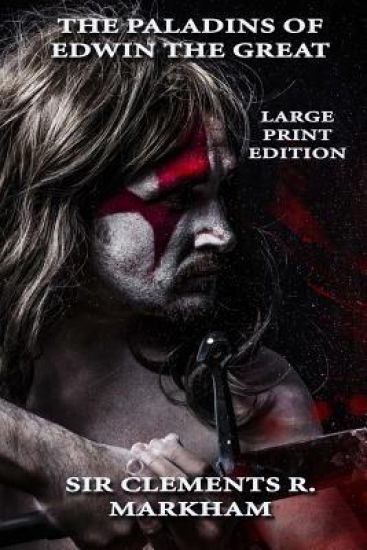
The Paladins of Edwin the Great - Large Print Edition
Clements R. Markham
Createspace Independent Publishing Platform
2014
nidottu
Very little is known for certain of one of the most important events in the history of the world, the coming of the Englishmen to England. It took a long time, fully a century, from 450 A.D. to 550 A.D., and they came constantly, in small detachments for the most part, landing on the coast, in all directions, from the Forth to the Isle of Wight. They came amidst the ruins of the mighty Roman Empire, a new race of empire-founders, with all the germs of a still mightier future. The new-comers from the older Angeln or England, now called Sleswig, came in the greatest numbers. We know not why, but it certainly was a wholesale movement. They kept launching their small fleets of dragon ships, and crossing the North Sea with their gods, their doorposts, and their beautiful golden-haired wives and children, until none were left. They brought with them all the deep religious feeling, all the imaginative mythology, all the heroic tales of the old land. They first disembarked on the coast between the Forth and the Tees, driving back the natives into Strathclyde, after a struggle which lasted for many years. Among them came Ida the son of Eoppa, with twelve sons, in forty dragon ships full of English warriors. He founded the castle of Bambrough on the coast, which was at first surrounded with a hedge and afterwards with a wall; and in 547 A.D. he became king of the country of Bernicia, between the Forth and the Tees. Ida was surnamed the "Flame-bearer." He reigned for twelve years in Bernicia, when Ethelric his son succeeded him. Many more warriors landed on the coast between the Tees and the Humber. In 559 A.D. their Eolderman, named Ella, the son of Iffi, the son of Wuscfrea, and 12th in descent from Woden, became king of the more southern Northumbrian kingdom of Deira. When they were settled in their kingdom of Deira, with Ella as their king, and Elfric as their leader in war, the sea-rovers became farmers, ready to defend their possessions and to fight for the acquisition of more territory for their countrymen. They were the ceorls or freemen assembling in communities of families, within a boundary or mark, and known by a common name with the addition of the patronymic ing. The ceorl owned a hide of land, bore arms, had a vote, and took part in the thing, or general assembly of his mark. The union of marks formed a wapentake (Vopnatak), from the custom of touching the chief's spear in token of fealty. The union of Wapentakes formed the Scire or Shire with its Shirem t. The Ceorl was the freeman, while the Eorl was the nobleman or chief in peace and war, and the Eolderman was a prince of the family of the Cyning (from cyne, generous) or king, who wore the cynehelm or circlet of gold. The Englishmen came with their immemorial gods, and their grand old traditions. Woden was their All-father and Creator, Thor the mighty enemy of giants and trolls, Tyr the god of war. They invoked Balder the bright and fair of aspect; Freyr, who presided over rain and sunshine; Niord, who ruled the winds; gir, god of the ocean; and many more. "Our forefathers derived comfort in affliction, support in difficulty, from the belief that the gods watched over them. They bent in gratitude for the blessings they conferred, and were guided and directed in the daily business of life by the conviction of their responsibility to higher powers than any which they recognised in the world around them." A religious feeling was the basis of their respect for law-of their loyalty, of their free institutions, and of those customs and habits of thought which were the foundation-stones of the edifice of English liberty. These old warriors brought with them to their new homes all those germs which were fertilised by their virtues, and watered with the lifeblood of their valour, until, in the course of centuries, they grew up to form the greatest nation this earth has ever seen, a fruitful and beneficent tree, spreading its branches far and wide round the world.
The Mystery of Edwin Drood: (Charles Dickens Classics Collection)
Charles Dickens
Createspace Independent Publishing Platform
2014
nidottu
The novel is named after Edwin Drood, but it mostly tells the story of his uncle, a Jekyll-and-Hyde-esque choirmaster named John Jasper, who is in love with his pupil, Rosa Bud. Miss Bud is Drood's fianc e, and has caught the eye of the high-spirited and hot-tempered Neville Landless, who comes from Ceylon (now Sri Lanka) with his twin sister, Helena, and immediately makes an enemy of Drood.
The Problem of Edwin Drood
William Robertson Nicoll
Createspace Independent Publishing Platform
2015
nidottu
The Mystery of Edwin Drood is the final novel by Charles Dickens. The novel was unfinished at the time of Dickens's death and his ending for it is unknown. The matured state of Dickens unique and brilliant authorship is clearly reflected in the novel. Although named after the character Edwin Drood, the story focuses on Drood's uncle, precentor, choirmaster and opium addict, John Jasper, who is in love with his pupil, Rosa Bud. Miss Bud, Drood's fianc e, has also caught the eye of the high-spirited and hot-tempered Neville Landless, who comes from Ceylon with his twin sister, Helena. Landless and Drood take an instant dislike to one another. Drood later disappears under mysterious circumstances. The story is set in Cloisterham, a lightly disguised Rochester.
Charles Dickens's last and unfinished novel, "The Mystery of Edwin Drood" was originally published in 1870. When Dickens died in 1870, just six of the intended twelve chapters had been completed, with no remaining plan or indication to how the story should continue. Despite this, numerous other writers have tried to complete the novel. The story revolves around the titular character's uncle, John Jasper, an opium addict and choirmaster who falls in love with his student and nephew's fianc e, Rosa Bud. Rosa, however, has also attracted the attention of one Neville Landless, whom Edwin immediately dislikes. Charles John Huffam Dickens (1812-1870) was an English writer and social critic famous for having created some of the world's most well-known fictional characters. His works became unprecedentedly popular during his life, and today he is commonly regarded as the greatest Victorian-era novelist. Although perhaps better known for such works as "Oliver Twist" or "A Christmas Carol", Dickens first gained success with the 1836 serial publication of "The Pickwick Papers", which turned him almost overnight into an international literary celebrity thanks to his humour, satire, and astute observations concerning society and character. This classic work is being republished now in a new edition complete with an introductory chapter from "Appreciations and Criticisms of the Works of Charles Dickens" by G. K. Chesterton.

Charles Dickens's last and unfinished novel, "The Mystery of Edwin Drood" was originally published in 1870. When Dickens died in 1870, just six of the intended twelve chapters had been completed, with no remaining plan or indication to how the story should continue. Despite this, numerous other writers have tried to complete the novel. The story revolves around the titular character's uncle, John Jasper, an opium addict and choirmaster who falls in love with his student and nephew's fianc e, Rosa Bud. Rosa, however, has also attracted the attention of one Neville Landless, whom Edwin immediately dislikes. Charles John Huffam Dickens (1812-1870) was an English writer and social critic famous for having created some of the world's most well-known fictional characters. His works became unprecedentedly popular during his life, and today he is commonly regarded as the greatest Victorian-era novelist. Although perhaps better known for such works as "Oliver Twist" or "A Christmas Carol", Dickens first gained success with the 1836 serial publication of "The Pickwick Papers", which turned him almost overnight into an international literary celebrity thanks to his humour, satire, and astute observations concerning society and character. This classic work is being republished now in a new edition complete with an introductory chapter from "Appreciations and Criticisms of the Works of Charles Dickens" by G. K. Chesterton.

Edwin Wiek is a true wildlife warrior.A rebel from childhood, this Dutchman is the founder of Asia's largest multispecies wildlife rescue centre, a fearless interrupter of illicit wildlife trafficking and an advisor to the Thai government on animal law reform. This was not always his life. A serious car accident led him to turn his back on a 'perfect', easy living in the fashion business in the search for meaning.He has been raided, arrested several times, injured and threatened, but his focus is unwavering. Edwin has been featured liberally on Bondi Vet, Animal Planet and National Geographic and ABC's Foreign Correspondent. He is rude, rebellious and recalcitrant, but no one has done more in Asia to give so many rescued animals as close to a wild life as possible. No holds are barred in this thorough biography of a remarkable game-changer.
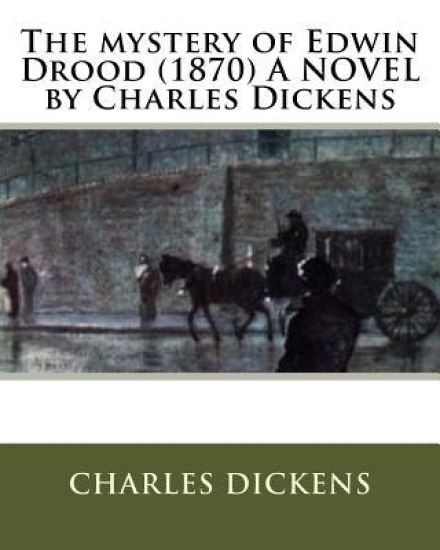
The mystery of Edwin Drood (1870) A NOVEL by Charles Dickens
Charles Dickens
Createspace Independent Publishing Platform
2016
nidottu
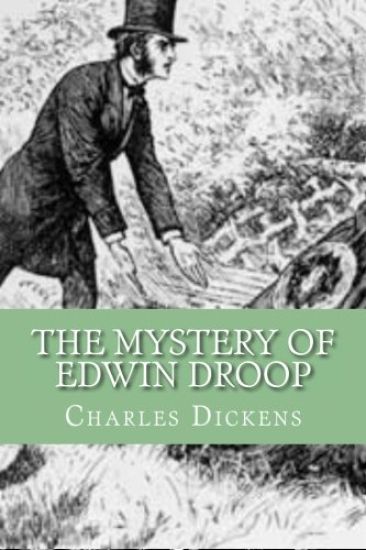
The Mystery of Edwin Droop (English Edition)
Charles Dickens
Createspace Independent Publishing Platform
2016
nidottu
The mystery of Edwin Drood (1870), by Charles Dickens A NOVEL (illustrated): Sir Samuel Luke Fildes (3 October 1843 - 28 February 1927) was an English
Sir Samuel Luke Fildes; Charles Dickens
Createspace Independent Publishing Platform
2016
nidottu
Though the novel is named after the character Edwin Drood, the story focuses on Drood's uncle, precentor, choirmaster and opium addict, John Jasper, who is in love with his pupil, Rosa Bud. Miss Bud, Drood's fianc e, has also caught the eye of the high-spirited and hot-tempered Neville Landless, who comes from Ceylon with his twin sister, Helena. Landless and Drood take an instant dislike to one another. Drood later disappears under mysterious circumstances. The story is set in Cloisterham, a lightly disguised Rochester. Mr Crisparkle, for example, lives in a clergy house in Minor Canon Corner, which corresponds to a genuine address within the precincts of Rochester Cathedral, namely Minor Canon Row.