Kirjojen hintavertailu. Mukana 12 390 323 kirjaa ja 12 kauppaa.

Kirjahaku

Etsi kirjoja tekijän nimen, kirjan nimen tai ISBN:n perusteella.

1000 tulosta hakusanalla Jan Fergus

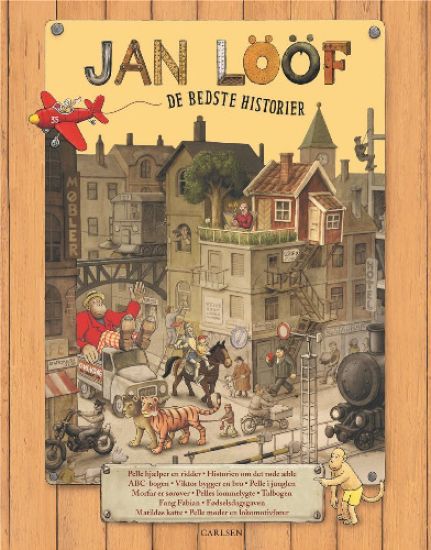
Jan Lööf - De bedste historier

Jan Lööf - De bedste historier

Jan Lööf

Lindhardt og Ringhof
2018
sidottu
I dette flotte samlebind hyldes en af Sveriges største børnebogsforfattere og tegnere. I mere end 50 år har Jan Lööf skrevet og tegnet børnebøger i en helt særlig og magisk stil, der både kendetegner ham som forfatter og gør, at man aldrig bliver træt af hans bøger. Bogen indeholder 12 af Jan Lööfs allerbedste historier, bl.a. Morfar er sørøver, Historien om det røde æble, Pelles lommelygte og Viktor bygger en bro - selvfølgelig akkompagneret af hans fine og finurlige tegninger. Bogen indeholder derudover et fyldigt forord og et interview med forfatteren. Jan Lööf har modtaget adskillige priser for sit forfatterskab, bl.a. Astrid Lindgren-prisen i 2011.
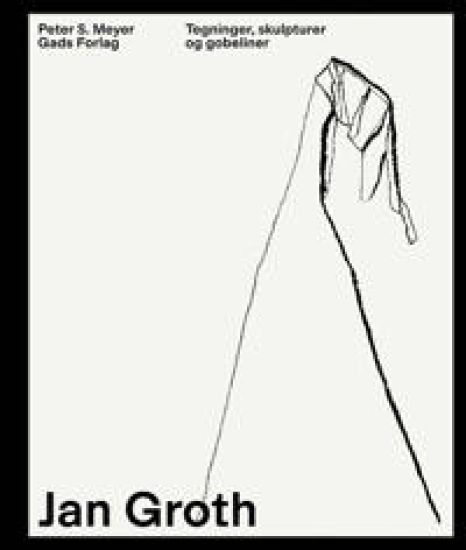
Jan Groth

Jan Groth

Peter S. Meyer

G. E. C. Gads Forlag
2024
sidottu
"Jeg er på desperat jagt efter balancepunktet mellem noget og absolut intet ... Kunst må føles og motiveres, før den kan forklares." Sådan udtalte den dansk-norske kunstner Jan Groth (1938-2022), der dedikerede sin kunstneriske praksis til at undersøge linjen i tegninger, skulpturer og gobeliner. Fra lyrisk-abstrakte malerier i 1950’erne bevægede han sig til et minimalistisk og monokromt formsprog, hvor stregen blev det bærende motiv. Med sit internationale gennembrud på Betty Parsons Gallery i New York i 1972 kom han blandt ligesindede på den amerikanske avantgardekunstscene, og han er i dag repræsenteret på førende kunstmuseer i USA og Europa. I Jan Groth. Tegninger, skulpturer og gobeliner skildrer kunsthistoriker Peter S. Meyer den kompromisløse kunstners liv og praksis. Med afsæt i en undersøgelse af tegningen i et udvidet felt åbner bogen op for intensiteten i et kunstnerskab, der mere end noget andet beskæftiger sig med kunstværkets tilblivelse og de følelser, det vækker i beskueren.
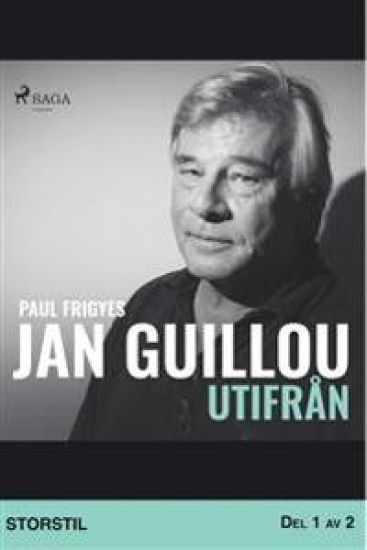
Jan Guillou - utifrån. Del 1

Jan Guillou - utifrån. Del 1

Paul Frigyes

Saga Egmont
2019
nidottu
Detta är en storstilsutgåva som kommer i två band Paul Frigyes tes, att Jan Guillou är "larger than life", bekräftades kanske när utgivningen av boken från början stoppades på Guillous begäran. Biografin innehåller nu ett nytt kapitel som behandlar historien. Personen, yrkesmannen och fenomenet Jan Guillou skildras med rätt och fel som absoluta kategorier. Guillou rannsakade på egen hand myndigheters maktmissbruk men var samtidigt en kontroversiell skriftställare och en stor idrottstalang. Paul Frigyes föddes 1962 i Malmö. Han är en svensk journalist och författare. På 80-talet skrev han om Desktop Publishing och mellan 95-98 var han redaktör för tidskriften Tidningsteknik. Förutom det har han även skrivit böcker om grafisk formgivning.
Jan får en vän

Jan får en vän

Hans-Eric Hellberg

Saga Egmont
2019
nidottu
Jan väntar med spänning på vem som ska flytta in i den gula villan som stått tom en längre tid. Men så en dag flyttar uppfinnaren Professor Olofsson in med sin svarthåriga och blåögda dotter Ann-Charlotte. Jan får snabbt en ny vän och tillsammans undersöker de mysteriet med de två männen som snokar runt bland professorns uppfinningar. -
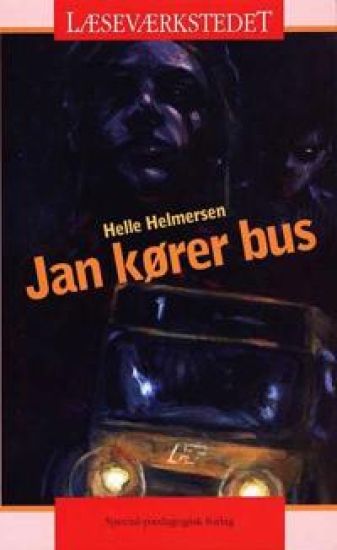
Jan kører bus, Rødt niveau

Jan kører bus, Rødt niveau

Helle Helmersen

Nyt Teknisk Forlag
2000
nidottu
Dette er en flergangsbog, der kan anvendes som et supplement i danskundervisningen på FVU. TilgangLæseværkstedet tilbyder et stort udvalg af frilæsningsbøger til unge og voksne, der har svært ved at læse. Bøgerne er overskuelige, og emnerne er udvalgt, så de er relevante for målgruppen. Størstedelen af bøgerne er fiktion, andre er bibliografier, og nogle er inspireret af virkelige hændelser. Serien er inddelt i fire niveauer: Rødt niveau (lix 7-10) Grønt niveau (lix 13) Gult niveau (lix 20) Blåt niveau (lix 25-30). IndholdJan er buschauffør. Han er glad for sit arbejde, selvom han til tider har travlt med at overholde køreplanerne. En ung, vred mand generer ham. En aften kommer den vrede mand og hans ven ind i bussen. De er fulde, og Jan er alene. Det bliver et voldsomt møde.
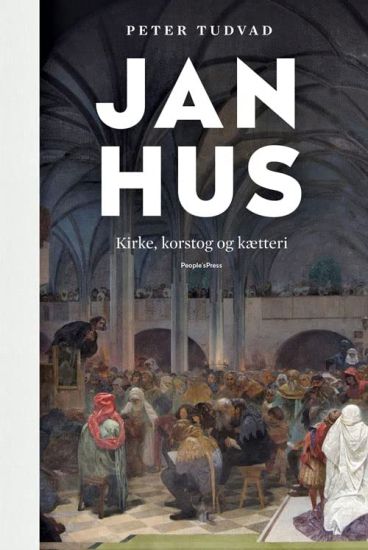
JAN HUS

JAN HUS

Peter Tudvad

Peoples Press
2018
sidottu
En sommerdag i det Herrens år 1415 fængede kætterbålet på en eng uden for Konstanz, den store rigsstad ved Bodensee for foden af Alperne. Røgen steg til vejrs, ilden døde hen, og asken blev smidt i Rhinen. Kætteren var død og borte, men et ganske andet bål ulmede langt derfra, i hans hjemby Prag. Fire år senere flammede kætteriet atter op og rejste sig til en ildstorm, der i årevis hærgede store dele af det centrale Europa. Fem korstog blev udkommanderet mod brandstifterne, men alle fem blev slået tilbage af dem, af ‘husitterne’. Sådan kaldtes de genstridige tjekker, der gjorde oprør i deres kætterdømte landsmands navn: Jan Hus.Hundrede år før Martin Luther gjorde Jan Hus op med afladshandlen, med paven som Guds ligeværdige stedfortræder og med kirkens verdslige magt. Og som tyskeren insisterede allerede tjekken på Skriften som kristendommens afgørende instans og på at forkynde Evangeliet på modersmålet i stedet for latin. Men hvor Hus med sin død støbte kuglerne til en revolution, reddede Luther sit liv ved at sanktionere nedslagtningen af ethvert oprør mod øvrigheden som et oprør mod Guds orden. Og hvor Hus betroede sin reformation til folket, satte Luther sin i pant hos fyrsterne. Jan Hus er med andre ord ikke bare navnet på en tjekkisk reformator, men også på en europæisk revolutionær. Med ham blev kontinentet podet med en dynamisk kraft, der både var svanger med pietisme og pacifisme, med kritik og konfrontation. Husittismen fandt bestandigt nye skikkelser, som førte oprøret videre: I 1618 kastede husitter to katolikker ud gennem vinduerne på slottet i Prag og gav dermed stødet til Trediveårskrigen. Og i 1918 tjente Jan Hus tjekkerne som national samlingsfigur under deres løsrivelse fra Østrig-Ungarn. Andre uden politiske ambitioner besindede sig på den religiøse arv fra Hus, nemlig Brødremenigheden, som med kolonier i Christiansfeld, København og Nuuk nåede helt til Danmark og verdens ende.
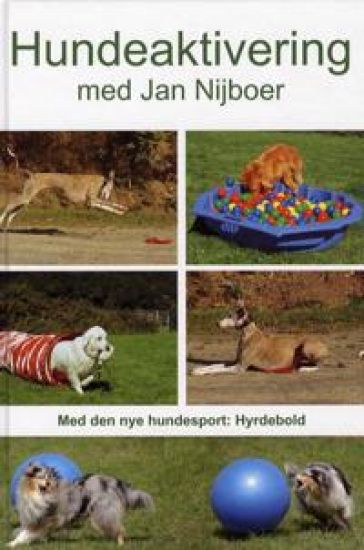
Hundeaktivering med Jan Nijboer

Hundeaktivering med Jan Nijboer

Jan Nijboer

Forlaget Tro-fast
2010
sidottu
En hund, der hjælper med havearbejdet, henter telefonen og avisen eller sorterer vasketøjet – hvilken hundeejer drømmer ikke om sådan en firbenet hushjælp? Hunden elsker at blive inddraget i hverdagens gøremål, og dagsrutinen bliver på denne måde til en sjov beskæftigelse for både hund og ejer. Apportering og næsearbejde og dogdancing er andre sjove aktiviteter, der kan give både hund og ejer meget glæde. Og så er der et kapitel om den nye, sjove hundesport ”Hyrdebold”. Det er naturligvis en sport som især hyrdehunde kan få stor glæde af, men faktisk også alle mulige andre hunde, så det er ikke forbeholdt hyrdehunderacerne. I bogen ”Hundeaktivering” præsenterer Jan Nijboer nye idéer til aktivering af hunden ved hjælp af hans dummy belønnings koncept”. Herfra kan du vælge de idéer, der passer til netop dig og din hund. Der er praktiske trin-for-trin vejledninger til øvelsesopbygning med dummy og overskuelig problemløsnings-hjælp, når det ikke rigtig vil lykkes.
Jan  Toftlund

Jan Toftlund

Ehrhorn Hummerston

-
2013
sidottu
Jan Toftlund – Flagermussang og sjælemedicin D. 5. juli 1990 døde sanger og tekstforfatter Jan Toftlund. Han havde gennem to årtier givet samfundets svageste en stemme med sine fantastiske tekster, men han kunne meget mere end at tale de svagestes sag. Toftlunds ærinde var på ingen måde kommercielt, og han vandt aldrig større indpas i den brede befolkning. I dag huskes han bedst for teksten til ”Syrenprinsessen”, som Kim Larsen gjorde så berømt; en tekst, som Toftlund selv havde sorteret fra.Denne udgivelse ønsker at øge kendskabet til Toftlunds unikke evne til at registrere sin omverden og ikke mindst evnen til at videreformidle observationerne. Toftlunds poesi er blevet sammenlignet med Emil Aarestrups, og den sammenligning kan man finde rigeligt belæg for i denne bog. Den rummer et udvalg så omfattende, at selv den inderligste fan vil se sig tilfredsstillet, mens nye øjne vil måbe over kvantitet og kvalitet. Siden Toftlunds død har hans manuskripter været gemt væk i en kuffert, og det er fundet af kufferten, som har gjort udgivelsen af denne bog mulig. Manuskripterne er affotograferet og gengivet i oprindelig størrelse, og selv om det aldrig var intentionen at publicere Toftlunds tekster i et trykt format, er denne bog nok det tætteste et forlag kan komme på at give Toftlund en stemme igen. De mere end 400 manuskripter, hvoraf mange aldrig har været udgivet før, er gengivet så autentisk, at Toftlunds indignation skinner igennem, når hans skrivemaskine har slået hul på papiret. Vi håber, at indignationen og passionen kan inspirere nutidens udøvende kunstnere, for teksterne er om muligt mere relevante i dag, end da de blev skrevet. Ud over teksterne rummer bogens 600 sider en række portrætter af Jan Toftlund, som han blev opfattet af venner, kollegaer og familie; portrætter der også tegner et billede af Toftlunds samtid.
Jan Fabre

Jan Fabre

SILVANA
2023
sidottu
Jan Fabre’s latest series of works includes brilliant coral sculptures, as if ready to be offered to a temple, and blood drawings. The practice of comprehension of the mystery makes him dialogue with the artists and alchemists of the Renaissance, who tried to explain both the enigma of human formation and the origin of art on the basis of laboratory research, as well as with those religious writers who tried to understand the essence of the sacrament of marriage, one of the five (or seven) great sacraments, through the detailed study of sanctified texts. - Dimitri Ozerkov In Fabre’s artistic universe, beauty is a daimon that takes on a thousand forms, some even uncomfortable, disturbing, and acts as a bait to communicate a profound sense of life. The tension in his works and the astonishment they arouse are always infused with a spirituality that harmonises contrasts. The narrated caritas by Fabre is the universal act of love, which survives over the centuries and is all that matters. - Melania Rossi Texts by: Dimitri Ozerkov, Melania Rossi, Sara Liuzzi, Barbara De Coninck
Jan Fabre. Mosaics

Jan Fabre. Mosaics

Forma Edizioni
2024
sidottu
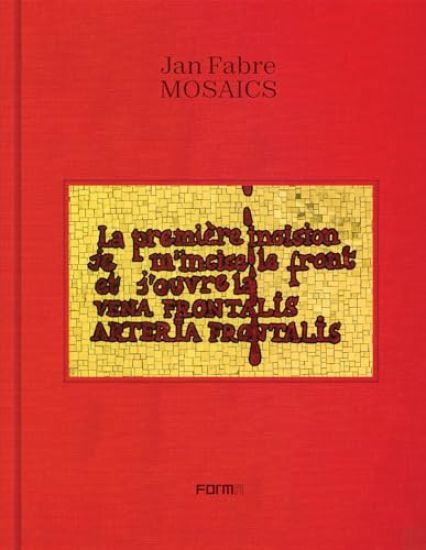
Through the pages of this volume, one embarks on a mesmerising journey into the world of glass mosaic, guided by the works of Jan Fabre. His talent and dedication to his craft culminate in a body of work that not only challenges the boundaries of traditional art forms, but also shows the limitless possibilities that lie within the humble, yet infinitely versatile medium of glass. The four new series upon which this book focuses are brilliant explorations on the themes of research, experimentation and turning the world upside down. As a Belgian artist such as Jan Fabre, the carnivalesque, and the celebration of the flesh, are recurrent elements in his oeuvre.
Jan Fabre
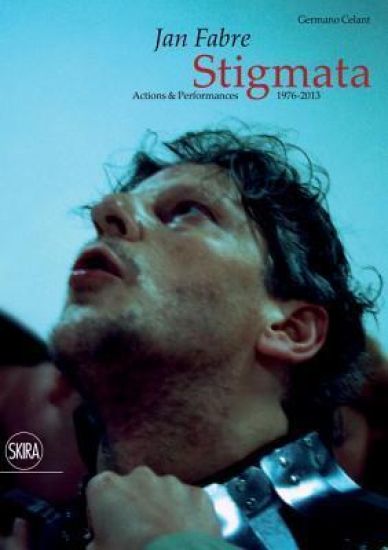
Visual artist, choreographer, writer and director, Jan Fabre has been one of the most influential figures on the European scene for over twenty years. His provocative forays into all different art forms are aimed at breaking down the artistic and moral barriers of his times. Published on the occasion of the exhibition of Fabre’s works at the MAXXI in Rome, the monograph brings together, for the first time, the action art and performances of the Belgian artist from the 70s to the present: drawings, “thinking models”, collages, films, photos and other documentation that lay the groundwork for a rediscovery of dozens of Fabre’s performances and interventions, both public and private, held in Belgium and abroad. The extreme, even brazen exploration of the human body, which frequently scandalizes viewers, is linked to the idea of metamorphosis, which Fabre may have derived from that passion for the sciences he inherited from his great-grandfather, the esteemed entomologist Jean-Henri Fabre. Jan Fabre has devoted much of his career to studying the human body and its transfiguration, central themes in his work; the artist considers performance art a “per-for-a(c)tion” of the body with respect to the outer world: a way to explore its limits, actions and reactions, both inside and out.
Jan Fabre

Jan Fabre

Jan Fabre

Skira
2015
sidottu
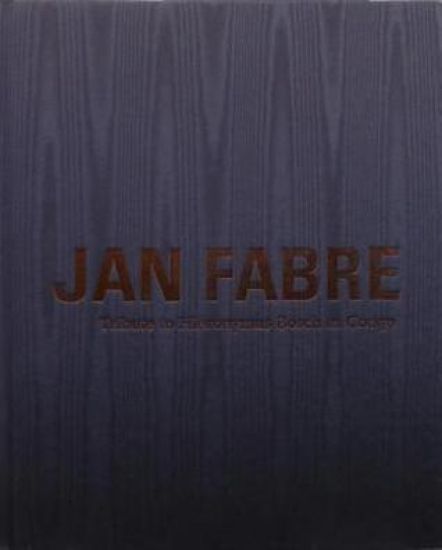
Jan Fabre has created a monumental new cycle of his mosaics for the PinchukArtCentre in Kiev. This publication presents the two grand series—Tribute to Belgian Congo and Tribute to Hieronymus Bosch in Congo, where the artist again grapples artistically with his country’s colonial past. All works from both series impress by their large size, but above all by the use of millions upon millions of jewel beetle wing cases. Utilizing the various colour tones of this iridescent material, Jan Fabre takes us into an indeterminate zone, between Paradise and the Belgian Congo. The first volume Tribute to Belgian Congo presents the artist’s final step in dealing with Belgium’s colonial past, presenting 23 single mosaics and one triptych, elaborating his critical reflections on the history of Belgian Congo. The work is inspired by the enslavement of millions of Congolese and the atrocities committed against them as well as the greed of the colonialists, who stole as much as possible of the natural riches the country had to offer. Fabre depicts the brand logos and products of companies that co-organized the horrors in the name of profit, the whole pride of Belgian industrialists of the late 19th century. The second book, Tribute to Hiëronymus Bosch in Congo, deals with the absurdity and horror of what happened in the country in a more symbolical way, using both the iconography and imagery of paintings by Hiëronymus Bosch. The works give artistic form to evil deeds and stand as an arresting critique of the folly that ensues when men lose their bearings in life. Both volumes are presented by Eckhard Schneider, general director of the PinchukArtCentre and are introduced by a specialist on the subject, with a collection of texts by more than thirty international art professionals.
Jan Welters: Profile

Jan Welters: Profile

Steve Hiett

Damiani
2019
sidottu
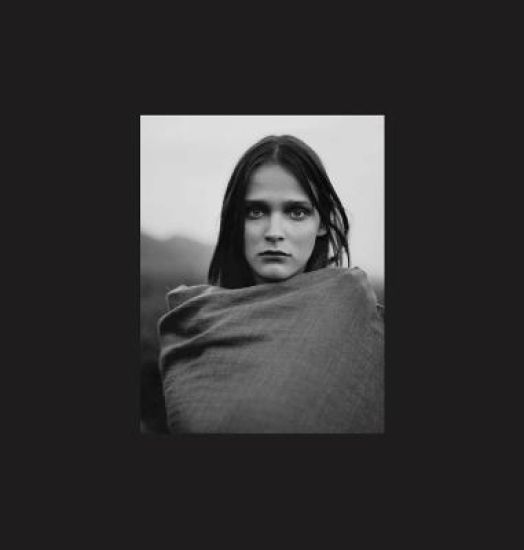
Profile is a highly personal selection of Jan’s work from the early ‘90’s to 2018. Jan’s defining images cross all kinds of fashion barriers. His respect for the models he works with is evident. His models are raw, sometimes slighty unconventional beauties, quite often with very little hair and make-up. Jan’s images are pure, powerful and evocative, getting to the very soul of the subject. Whether its an androgynous looking girl with a cowboy hat, a model smoking a cigarette on a beach, a movie star or a picture of his wife or children, the pictures are captivating in their simplicity with a very clear style that belongs only to him. His approach to his craft remains unchanged over decades, his style clear, avant-gard and transcendent of trends. Featured are among others Cate Blanchett, Helena Christensen, Eva Herzigova, PJ Harvey, Drew Barrymore, Kirsten Owen, Kylie Minogue, Tatjana Patitz, Jessica Chastain, Christy Turlington, Tilda Swinton, Vanessa Paradis, Gisele Bundchen, Natalia Vodianova, Courtney Love, Doutzen Kroes, Laetitia Casta, Charlotte Gainsbourg, Jennifer Connelly, Milla Jovovich, Bella Haddid and Helen Mirren.
Jan Patocka and the Heritage of Phenomenology
Whereas for the wider public Jan Patocka is known mainly as a defender of human rights and one of the first spokespersons of Charter 77, who died in Prague several days after long interrogations by secret police of the Communist regime, the international philosophical community sees in him an important and inspiring thinker, who in an original way elaborated the great impulses of European thought – mainly Husserl’s phenomenology and Heidegger’s philosophy of existence. Patocka also reflected on history and the future of humanity in a globalized world and laid the foundations of an original philosophy of history. His work is a subject of lively philosophical discussion especially in French and German-speaking countries, and recently also in Spanish-speaking, in U.S.A., and in the Far East. Scholars from around the world who are interested in the philosophy of Jan Patocka gathered in Prague to commemorate his centenary and the thirtieth anniversary of his death. The conference explored the significance of his work and its continuing influence on contemporary philosophy. The volume presents selected papers from the conference in English language.
Jan Cox: Living One's Art

Jan Cox: Living One's Art

Claire Van Damme; Herwig Todts; Valerie Verhack

Stichting Kunstboek BVBA
2008
sidottu
Jan Cox (1919-1980) was born in The Hague and spent his youth in Amsterdam. Shortly before World War II, he moved to Antwerp with his parents and his brother, the composer Harry Cox, and studied History of Art at the State University of Ghent. After the war he settled down in Brussels to become a co-founder of the Jeune Peinture Belge (Young Belgian Painting). He had contacts with the members of Cobra and became close friends with Hugo Claus and Pierre Alechinsky. In 1956 Jan Cox left for the USA where he was appointed Head of the Painting Department at the School of the Museum of Fine Arts in Boston. In 1974 he returned to Belgium and found a new home in the circle of the Gallery De Zwarte Panter (The Black Panther) in Antwerp.Jan Cox thought of his artistic calling as an artistic and a humanist project. His painting has a strong surreal and magical bias but he also created imposing expressionist images. He liked classical themes: the myth of Orpheus, Homer's Iliad, Judith and Holofernes, the Calvary. Jan Cox managed to merge autobiographical elements with the universal problems of human existence. His paintings invite the beholder to reflect on the human condition, hope and the terrors of the modern world.
Jan Dibbets, The Photographic Work

Jan Dibbets, The Photographic Work

Erik Verhagen

Leuven University Press
2014
pokkari
The first monograph covering Dibbets's iconic photographic oeuvre. Dutchman Jan Dibbets (b. 1941) is one of the principal artists to have introduced photography into the plastic arts, and this as early as the 1960s. At a time when photography has massively invaded contemporary art institutions - not without generating confusion and excess - it is not easy to evaluate the full radicality of Dibbets's approach. This radicalism has nothing to do with modernist overkill. Dibbets did not merely go further than others; rather, he simply went 'elsewhere'. Beginning in 1967, he embarked on a long-range project which, as we advance into the 21st century, he seems not to have abandoned: the 'pictorializing' of photography. Jan Dibbets is one of the few artists of his generation and reputation not to have seen his oeuvre accorded full monographic coverage. This exhaustive study seeks to fill this gap by covering almost fifty years of his photographic oeuvre.This publication is GPRC-labeled (Guaranteed Peer-Reviewed Content).
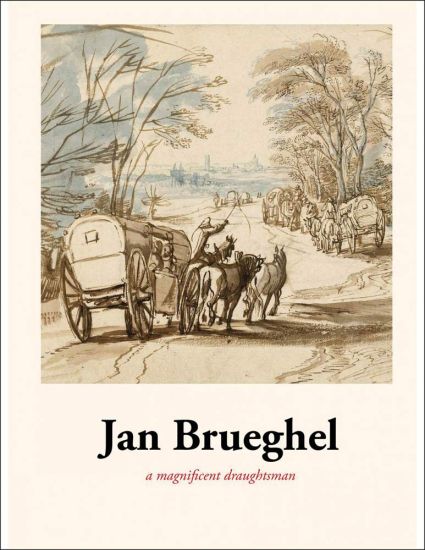
Jan Brueghel

Jan Brueghel

Teréz Gerszi; Louisa Wood Ruby

BAI NV
2019
sidottu
Jan Brueghel was a prominent painter in his hometown of Antwerp, a good friend and frequent collaborator of Rubens. What is perhaps less well known is that Jan was also an exceptional draughtsman. At the Snijders&Rockox House in Antwerp, some seventy works by Jan Brueghel have been brought together to create a unique exhibition. These drawings hail from collections held around the globe, including print rooms in Berlin, Paris, New York, Amsterdam, London and Stockholm, and is the first time they have all been on view together, presenting a significant cross-section of Jan Brueghel's authentic drawn oeuvre. Jan Brueghel - A magnificent draughtsman has been created by the publishing firm BAI, in collaboration with the Snijders&Rockox House to celebrate this exhibition. The book includes a biography, essays by Dr.Teréz Gerszi and Dr Wood Ruby on his draughtsmanship and six chapters in which the drawings are discussed according to their theme: sojourning in Italy, riverside and village scenes, study-sheets, roads and travellers, views of the sea and ports and coastal scenes, and impressions while travelling. The authors also place Brueghel's draughtsmanship within the context of his complete works and the times in which he lived, in the process signalling relationships and making enlightening comparisons.
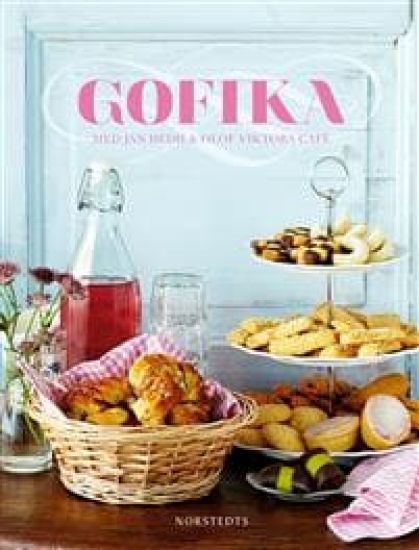
Gofika : med Jan Hedh & Olof Viktors café
Att fika är lika svenskt som Dalahästar, dansen runt midsommarstången och surströmming - själva ordet är något som utländska besökare snabbt lär sig. Men det är ingen riktig fika om det inte serveras något gott till kaffet. Den här boken är en hyllning till fikakulturen och innehåller 75 recept på våra allra mest älskade bakverk: sju sorters kakor, wienerbröd, rulltårtor och andra klassiker.Mästerkonditorn Jan Hedh och Olof Viktors Café (som 2013 utsågs till Årets Bästa Café av White Guide) står för recepten. Miljön är också avgörande för en bra fikaupplevelse och bilderna i boken är tagna på plats hos Olof Viktors ute på idylliska Österlen, dit tusentals besökare beger sig varje år för en riktigt härlig fikastund.Eftersom fikastunden även har en så viktig funktion på jobbet får läsaren lite fikafakta att svänga sig med till förmiddagskaffet, skrivet av Lina Sturfelt, doktor i historia vid Lunds universitet.Boken innehåller 75 recept, bland annat klassiska sju sorters kakor, småbröd som mazariner, vaniljhjärtan och kokostoppar, variationer av vete- och kanelbullar eller kransar, wienerbröd, sockerkakor, rulltårtor, bakelser, gräddtårtor samt klassiska julkakor.För den som inte vill eller kan äta sötsaker till sin fikastund finns också flera brödrecept med tips på tillbehör. Jan Hedh behöver ingen presentation för den som är intresserad av bakning och hans expertis är vida känd, men i den här boken har Jan förenklat sina recept för att passa vardagspusslet och delar frikostigt med sig av tips och knep. Även Olof Viktors får många förfrågningar efter sina recept - deras morotskaka, chokladtrianglar och festivalbakelser är prisbelönta - och här får alla Olof Viktors fans sitt lystmäte.Det här är en perfekt presentbok till den som älskar att fika - och vem gör inte det?