

Kirjahaku
Etsi kirjoja tekijän nimen, kirjan nimen tai ISBN:n perusteella.
1000 tulosta hakusanalla Kristen Howe

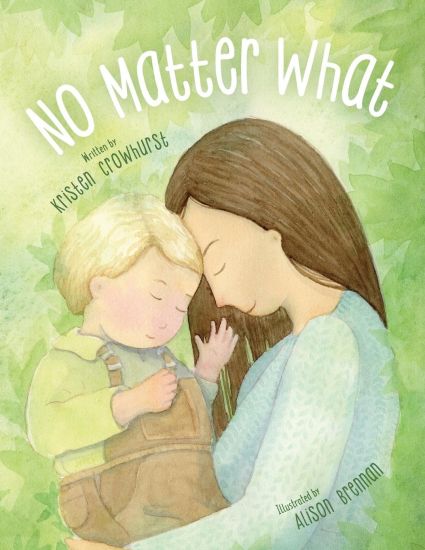
'I love you when you're happy, I love you when you're sad, I love you when you're silly, I love you when you're mad.'No Matter What is a beautifully illustrated book for both children and parents that playfully explores the concept of unconditional love and the power of mindfulness in achieving this. Structured as a poem flowing across wonderful images of everyday life with young children, this book invites the reader to consider love as the bedrock for a secure connection and the development of emotional insight and resilience.You and your children will be drawn time and again to the musicality of the verse and the tranquillity of the illustrations, together generating a powerful calm, and you may find the words surfacing during moments when your reserve of unconditional love is most needed.No Matter What is a timeless book that will enrich experiences of both parenting and childhood alike.
'I love you when you're happy, I love you when you're sad, I love you when you're silly, I love you when you're mad.'No Matter What is a beautifully illustrated book for both children and parents that playfully explores the concept of unconditional love and the power of mindfulness in achieving this. Structured as a poem flowing across wonderful images of everyday life with young children, this book invites the reader to consider love as the bedrock for a secure connection and the development of emotional insight and resilience. You and your children will be drawn time and again to the musicality of the verse and the tranquillity of the illustrations, together generating a powerful calm, and you may find the words surfacing during moments when your reserve of unconditional love is most needed. No Matter What is a timeless book that will enrich experiences of both parenting and childhood alike.

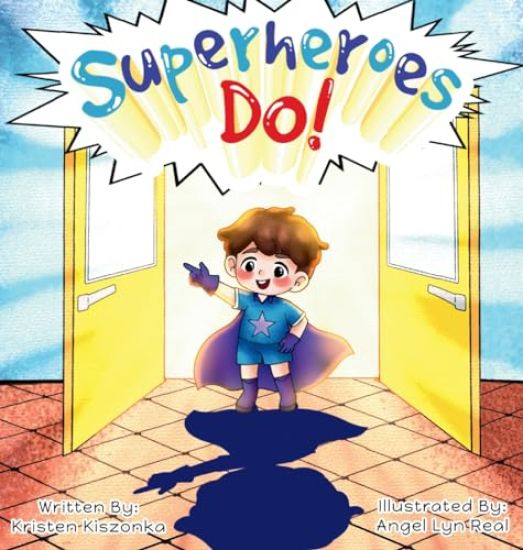
"Superhero who? Superhero you, you're a superhero and superheroes do "Thomas has been diagnosed with Autism Spectrum Disorder and is anxious about his first day of preschool. With the help of some wonderful people, Thomas uses a range of strategies to help make his day a success. He proves to himself that he is a superhero and can achieve anything.All children are superheroes
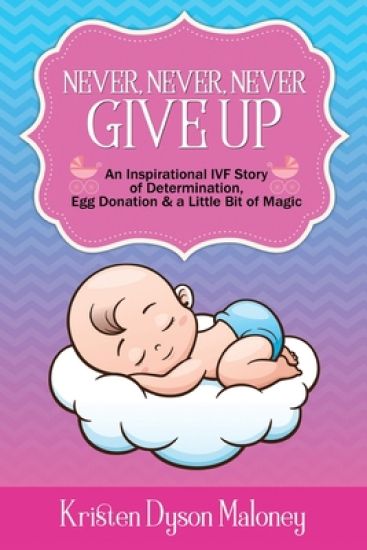
At 34, Kristen felt like she was living the dream. She'd recently married the love of her life, her career was thriving, and she had the most amazing family and friends. Only one thing evaded her - a baby As the years passed and the baby dream grew stronger, Kristen turned to IVF in the pursuit of starting a family. But where does one turn when IVF fails?This personal and candid memoir follows Kristen and Richard across the world on their unconventional quest to become parents via donor eggs. It's an epic journey of self-discovery, heartbreak and hope. Demonstrating the resilience of the human spirit, whilst also acting as an informative and enlightening handbook for other prospective parents requiring IVF intervention.This captivating story takes you on a raw and honest human rollercoaster ride filled with highs and lows, warmth and humour, deep sadness and spiritual awakening. A must read for anyone facing the struggles of infertility or loss, and an inspiring reminder that almost anything is possible, providing you never, never, never give up
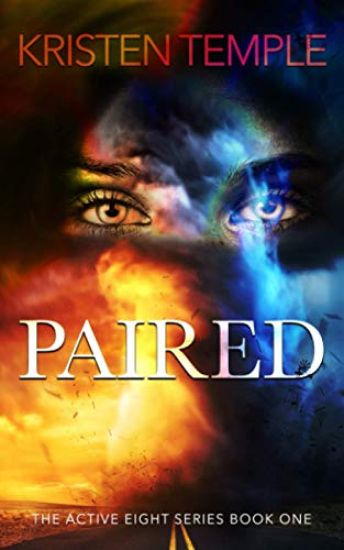
A sheltered girl. An awakening power. Can she defend against an enemy who wants her dead?Kaylee Saunders longs to make her own choices, but her controlling mother refuses to give her the freedom a seventeen-year-old should enjoy. Full of defiance, Kaylee sneaks out to a party. The overwhelming sights and sounds trigger a panic attack, releasing her undiscovered powers in an eruption of force, sending those around her scrambling.Vincent, who witnessed her outburst, tracks her down and reveals the truth: they harness the power to control the elements.Vincent helps Kaylee embrace what she is and the consequences that come with it, but is it all too late? Kaylee must find the strength to control her element beyond imagination or her kind will perish at the hands of an enemy that has been hunting them for centuries.
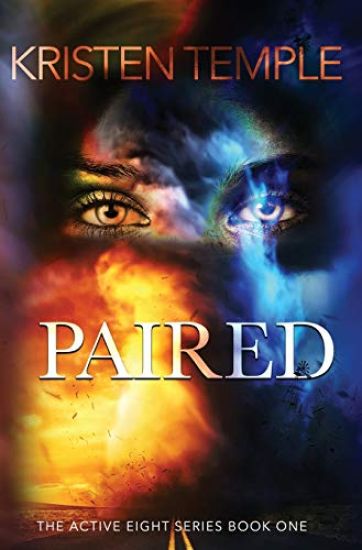
A sheltered girl. An awakening power. Can she defend against an enemy who wants her dead?Kaylee Saunders longs to make her own choices, but her controlling mother refuses to give her the freedom a seventeen-year-old should enjoy. Full of defiance, Kaylee sneaks out to a party. The overwhelming sights and sounds trigger a panic attack, releasing her undiscovered powers in an eruption of force, sending those around her scrambling.Vincent, who witnessed her outburst, tracks her down and reveals the truth: they harness the power to control the elements.Vincent helps Kaylee embrace what she is and the consequences that come with it, but is it all too late? Kaylee must find the strength to control her element beyond imagination or her kind will perish at the hands of an enemy that has been hunting them for centuries.
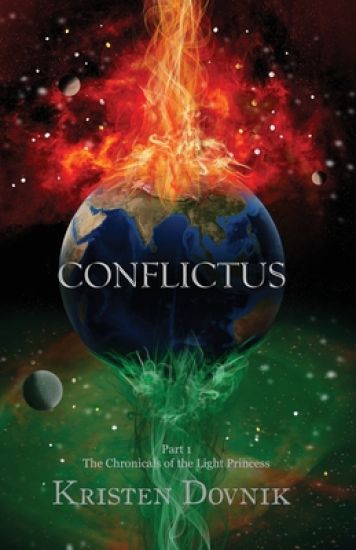
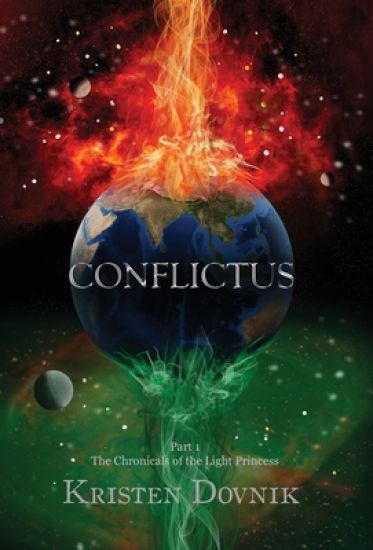
Kyra has been instructed since the moment she took her very first breath, to prevent the Darkness from rising and wreaking havoc on Earth. Finding the Dark Prince has always been her life's purpose. However, all of that changes the day she meets her friends "hot date".Lies are exposed and enemies emerge. Bringing unexpected challenges and countless battles she will have to fight. Within her is the power to stop what is coming but will Kyra choose to follow what she has always known or will fate intervene?
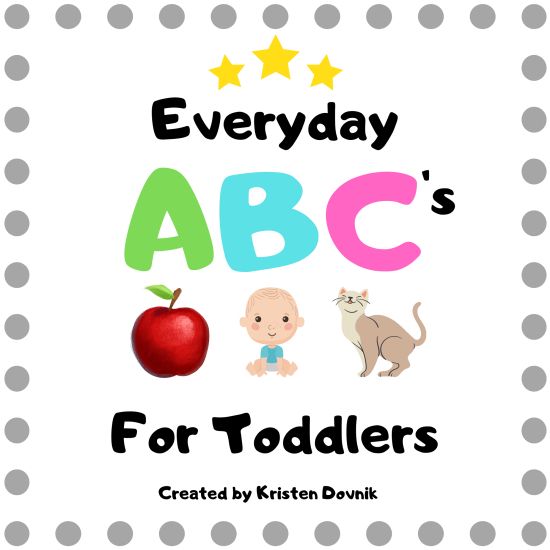
This book is designed to encourage children to interact with words by using bright colours and illustrations. Each scene is filled with multiple images to assist with your child's cognitive learning.
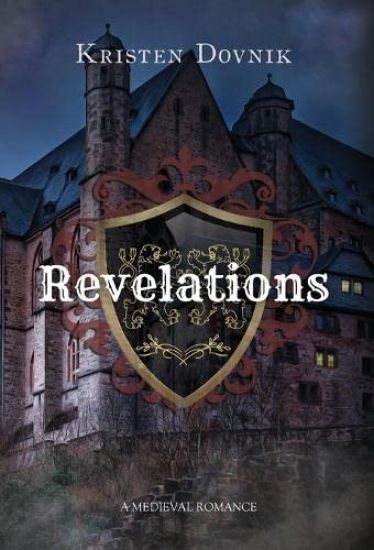
Sadie lives her days as the Queens most trusted ladies maid. She cannot recall a time where a war hasn't raged between the Queen's husband, the King and his younger brother, Duke Stephan.No one knows what caused the rift between them, only that the Duke was exiled to live in the Highlands soon after his return from a mission in the Sway.They have been at war for years and with the Duke's armies getting closer everyday, the castle is on high alert and Sadie is finding it increasingly difficult to steal time for her and her lover, Sir Joshua, a Knight of Castle Rae.While assisting the groundsman one day, Sir Joshua stumbles across some papers hidden deep within a trunk in the west wing. Not knowing what they mean, he seeks Sadie's help to uncover the secrets hidden within the letters. What secrets have they unburied, and will Sadie uncover the truth before the Dukes armies arrive and destroy it all?Due to strong sexual content, coarse language and mature subject matter this book is not suitable for anyone under the age of 18.
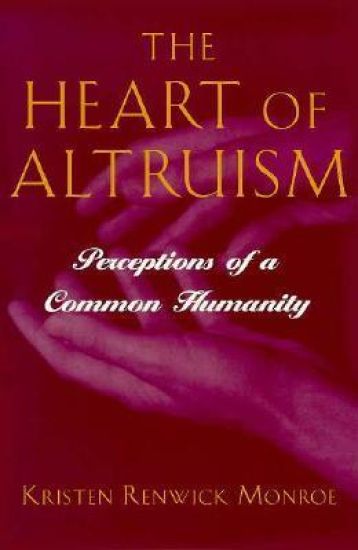
Is all human behavior based on self-interest? Many social and biological theories would argue so, but such a perspective does not explain the many truly heroic acts committed by people willing to risk their lives to help others. In The Heart of Altruism, Kristen Renwick Monroe boldly lays the groundwork for a social theory receptive to altruism by examining the experiences described by altruists themselves: from Otto, a German businessman who rescued over a hundred Jews in Nazi Germany, to Lucille, a newspaper poetry editor, who, armed with her cane, saved a young girl who was being raped. Monroe's honest and moving interviews with these little-known heroes enable her to explore the causes of altruism and the differences between altruists and other people. By delineating an overarching perspective of humanity shared by altruists, Monroe demonstrates how social theories may begin to account for altruism and debunks the notions of scientific inevitability that stem from an overemphasis on self-interest. As Monroe has discovered, the financial and religious backgrounds of altruists vary greatly--as do their views on issues such as welfare, civil rights, and morality. Altruists do, however, share a certain way of looking at the world: where the rest of us see a stranger, altruists see a fellow human being. It is this perspective that many social theories overlook. Monroe restores altruism to a general theory of ethical political behavior. She argues that to understand what makes one person act out of concern for others and not the self, we need to ask how that individual's perspective sets the range of options he or she finds available.
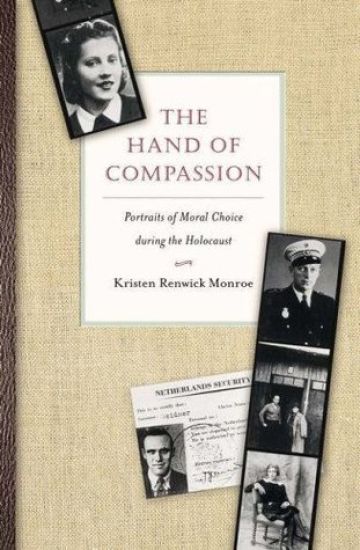
Through moving interviews with five ordinary people who rescued Jews during the Holocaust, Kristen Monroe casts new light on a question at the heart of ethics: Why do people risk their lives for strangers and what drives such moral choice? Monroe's analysis points not to traditional explanations--such as religion or reason--but to identity. The rescuers' perceptions of themselves in relation to others made their extraordinary acts spontaneous and left the rescuers no choice but to act. To turn away Jews was, for them, literally unimaginable. In the words of one German Czech rescuer, "The hand of compassion was faster than the calculus of reason." At the heart of this unusual book are interviews with the rescuers, complex human beings from all parts of the Third Reich and all walks of life: Margot, a wealthy German who saved Jews while in exile in Holland; Otto, a German living in Prague who saved more than 100 Jews and provides surprising information about the plot to kill Hitler; John, a Dutchman on the Gestapo's "Most Wanted List"; Irene, a Polish student who hid eighteen Jews in the home of the German major for whom she was keeping house; and Knud, a Danish wartime policeman who took part in the extraordinary rescue of 85 percent of his country's Jews. We listen as the rescuers themselves tell the stories of their lives and their efforts to save Jews. Monroe's analysis of these stories draws on philosophy, ethics, and political psychology to suggest why and how identity constrains our choices, both cognitively and ethically. Her work offers a powerful counterpoint to conventional arguments about rational choice and a valuable addition to the literature on ethics and moral psychology. It is a dramatic illumination of the power of identity to shape our most basic political acts, including our treatment of others. But always Monroe returns us to the rescuers, to their strong voices, reminding us that the Holocaust need not have happened and revealing the minds of the ethically exemplary as they negotiated the moral quicksand that was the Holocaust.
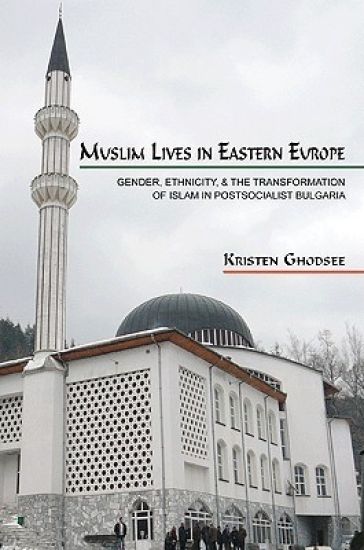
Muslim Lives in Eastern Europe examines how gender identities were reconfigured in a Bulgarian Muslim community following the demise of Communism and an influx of international aid from the Islamic world. Kristen Ghodsee conducted extensive ethnographic research among a small population of Pomaks, Slavic Muslims living in the remote mountains of southern Bulgaria. After Communism fell in 1989, Muslim minorities in Bulgaria sought to rediscover their faith after decades of state-imposed atheism. But instead of returning to their traditionally heterodox roots, isolated groups of Pomaks embraced a distinctly foreign type of Islam, which swept into their communities on the back of Saudi-financed international aid to Balkan Muslims, and which these Pomaks believe to be a more correct interpretation of their religion. Ghodsee explores how gender relations among the Pomaks had to be renegotiated after the collapse of both Communism and the region's state-subsidized lead and zinc mines. She shows how mosques have replaced the mines as the primary site for jobless and underemployed men to express their masculinity, and how Muslim women have encouraged this as a way to combat alcoholism and domestic violence. Ghodsee demonstrates how women's embrace of this new form of Islam has led them to adopt more conservative family roles, and how the Pomaks' new religion remains deeply influenced by Bulgaria's Marxist-Leninist legacy, with its calls for morality, social justice, and human solidarity.
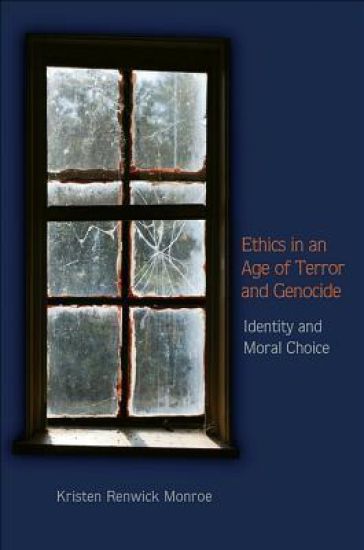
Ethics in an Age of Terror and Genocide
Kristen Renwick Monroe
Princeton University Press
2011
pokkari
What causes genocide? Why do some stand by, doing nothing, while others risk their lives to help the persecuted? Ethics in an Age of Terror and Genocide analyzes riveting interviews with bystanders, Nazi supporters, and rescuers of Jews during the Holocaust to lay bare critical psychological forces operating during genocide. Monroe's insightful examination of these moving--and disturbing--interviews underscores the significance of identity for moral choice. Monroe finds that self-image and identity--especially the sense of self in relation to others--determine and delineate our choice options, not just morally but cognitively. She introduces the concept of moral salience to explain how we establish a critical psychological relationship with others, classifying individuals in need as "people just like us" or reducing them to strangers perceived as different, threatening, or even beyond the boundaries of our concern. Monroe explicates the psychological dehumanization that is a prerequisite for genocide and uses her knowledge of human behavior during the Holocaust to develop a broader theory of moral choice, one applicable to other forms of ethnic, religious, racial, and sectarian prejudice, aggression, and violence. Her book fills a long-standing void in ethics and suggests that identity is more fundamental than reasoning in our treatment of others.