

Kirjahaku
Etsi kirjoja tekijän nimen, kirjan nimen tai ISBN:n perusteella.
1000 tulosta hakusanalla Robert L Perry
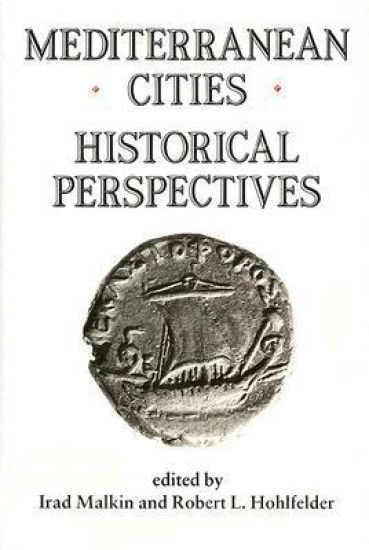
First published in 1988. This is a collection of works where the Mediterranean provides the context for all the cities which appear in this volume: all are (or have been) port cities, and as such their harbours played a significant role in shaping their histories. In essence, the question of ‘interaction between man and sea’ is one of the influence of the maritime position on the human communities constituting the ‘Mediterranean cities’: the connections between them, and the link of each city with its hinterland, as well as the influence of its position on the city’s internal development and character.

George Cruikshank's Life, Times and Art: Volume I: 1792-1835
Robert L. Patten
LUTTERWORTH PRESS
2018
sidottu
The etchings and wood-engravings of George Cruikshank (1792-1878) recorded, commented on and satirised his times to such an extent that they have frequently been used to represent the age. Cruikshank, a popular artist in the propaganda war against Napoleon, an ardent campaigner for Reform and Temperance, and the foremost illustrator of such classics as Grimms' Fairy Tales, The etchings and wood-engravings of George Cruikshank (1792-1878) recorded, commented on and satirised his times to such an extent that they have frequently been used to represent the age. Cruikshank, a popular artist in the propaganda war against Napoleon, an ardent campaigner for Reform and Temperance, and the foremost illustrator of such classics as Grimms' Fairy Tales, Scott's novels and Dicken's Oliver Twist, is known for his versatility, imagination, humour and incisive images. His long life, marked by a ceaseless struggle to win recognition for his art, intersected with the lives of many of Britain's important political, social and cultural leaders. In this first volume of Robert Patten's two-volume biography, which covers the artist's Regency caricatures and early book illustrations, Patten demonstrates the ways in which Cruikshank was, as his contemporaries frequently declared, the Hogarth of the nineteenth century. Having reviewed over 8,500 unpublished letters and most of Cruikshank's 12,000 or more printed images, Patten gives a thorough and reliable account of the artist's career. He puts Cruikshank's achievement into a variety of larger contexts - publishing history, political and cultural history, the traditions of figuration practised by Cruikshank's contemporaries, and the literary and social productions of nineteenth century Britain. This biography provides both the general reader and the specialist with a wealth of new information conveyed in lively, non-technical prose. Patten's book contributes to current investigation of the rich interactions between high art and low, texts and pictures, politics and imagination. Scott's novels and Dicken's Oliver Twist, is known for his versatility, imagination, humour and incisive images. His long life, marked by a ceaseless struggle to win recognition for his art, intersected with the lives of many of Britain's important political, social and cultural leaders. In this first volume of Robert Patten's two-volume biography, which covers the artist's Regency caricatures and early book illustrations, Patten demonstrates the ways in which Cruikshank was, as his contemporaries frequently declared, the Hogarth of the nineteenth century. Having reviewed over 8,500 unpublished letters and most of Cruikshank's 12,000 or more printed images, Patten gives a thorough and reliable account of the artist's career. He puts Cruikshank's achievement into a variety of larger contexts - publishing history, political and cultural history, the traditions of figuration practised by Cruikshank's contemporaries, and the literary and social productions of nineteenth century Britain. This biography provides both the general reader and the specialist with a wealth of new information conveyed in lively, non-technical prose. Patten's book contributes to current investigation of the rich interactions between high art and low, texts and pictures, politics and imagination. The etchings and wood-engravings of George Cruikshank (1792-1878) recorded, commented on and satirised his times to such an extent that they have frequently been used to represent the age. Cruikshank, a popular artist in the propaganda war against Napoleon, an ardent campaigner for Reform and Temperance, and the foremost illustrator of such classics as Grimms' Fairy Tales, The etchings and wood-engravings of George Cruikshank (1792-1878) recorded, commented on and satirised his times to such an extent that they have frequently been used to represent the age. Cruikshank, a popular artist in the propaganda war against Napoleon, an ardent campaigner for Reform and Temperance, and the foremost illustrator of such classics as Grimms' Fairy Tales, Scott's novels and Dicken's Oliver Twist, is known for his versatility, imagination, humour and incisive images. His long life, marked by a ceaseless struggle to win recognition for his art, intersected with the lives of many of Britain's important political, social and cultural leaders. In this first volume of Robert Patten's two-volume biography, which covers the artist's Regency caricatures and early book illustrations, Patten demonstrates the ways in which Cruikshank was, as his contemporaries frequently declared, the Hogarth of the nineteenth century. Having reviewed over 8,500 unpublished letters and most of Cruikshank's 12,000 or more printed images, Patten gives a thorough and reliable account of the artist's career. He puts Cruikshank's achievement into a variety of larger contexts - publishing history, political and cultural history, the traditions of figuration practised by Cruikshank's contemporaries, and the literary and social productions of nineteenth century Britain. This biography provides both the general reader and the specialist with a wealth of new information conveyed in lively, non-technical prose. Patten's book contributes to current investigation of the rich interactions between high art and low, texts and pictures, politics and imagination. Scott's novels and Dicken's Oliver Twist, is known for his versatility, imagination, humour and incisive images. His long life, marked by a ceaseless struggle to win recognition for his art, intersected with the lives of many of Britain's important political, social and cultural leaders. In this first volume of Robert Patten's two-volume biography, which covers the artist's Regency caricatures and early book illustrations, Patten demonstrates the ways in which Cruikshank was, as his contemporaries frequently declared, the Hogarth of the nineteenth century. Having reviewed over 8,500 unpublished letters and most of Cruikshank's 12,000 or more printed images, Patten gives a thorough and reliable account of the artist's career. He puts Cruikshank's achievement into a variety of larger contexts - publishing history, political and cultural history, the traditions of figuration practised by Cruikshank's contemporaries, and the literary and social productions of nineteenth century Britain. This biography provides both the general reader and the specialist with a wealth of new information conveyed in lively, non-technical prose. Patten's book contributes to current investigation of the rich interactions between high art and low, texts and pictures, politics and imagination. The etchings and wood-engravings of George Cruikshank (1792-1878) recorded, commented on and satirised his times to such an extent that they have frequently been used to represent the age. Cruikshank, a popular artist in the propaganda war against Napoleon, an ardent campaigner for Reform and Temperance, and the foremost illustrator of such classics as Grimms' Fairy Tales, The etchings and wood-engravings of George Cruikshank (1792-1878) recorded, commented on and satirised his times to such an extent that they have frequently been used to represent the age. Cruikshank, a popular artist in the propaganda war against Napoleon, an ardent campaigner for Reform and Temperance, and the foremost illustrator of such classics as Grimms' Fairy Tales, Scott's novels and Dicken's Oliver Twist, is known for his versatility, imagination, humour and incisive images. His long life, marked by a ceaseless struggle to win recognition for his art, intersected with the lives of many of Britain's important political, social and cultural leaders. In this first volume of Robert Patten's two-volume biography, which covers the artist's Regency caricatures and early book illustrations, Patten demonstrates the ways in which Cruikshank was, as his contemporaries frequently declared, the Hogarth of the nineteenth century. Having reviewed over 8,500 unpublished letters and most of Cruikshank's 12,000 or more printed images, Patten gives a thorough and reliable account of the artist's career. He puts Cruikshank's achievement into a variety of larger contexts - publishing history, political and cultural history, the traditions of figuration practised by Cruikshank's contemporaries, and the literary and social productions of nineteenth century Britain. This biography provides both the general reader and the specialist with a wealth of new information conveyed in lively, non-technical prose. Patten's book contributes to current investigation of the rich interactions between high art and low, texts and pictures, politics and imagination. Scott's novels and Dicken's Oliver Twist, is known for his versatility, imagination, humour and incisive images. His long life, marked by a ceaseless struggle to win recognition for his art, intersected with the lives of many of Britain's important political, social and cultural leaders. In this first volume of Robert Patten's two-volume biography, which covers the artist's Regency caricatures and early book illustrations, Patten demonstrates the ways in which Cruikshank was, as his contemporaries frequently declared, the Hogarth of the nineteenth century. Having reviewed over 8,500 unpublished letters and most of Cruikshank's 12,000 or more printed images, Patten gives a thorough and reliable account of the artist's career. He puts Cruikshank's achievement into a variety of larger contexts - publishing history, political and cultural history, the traditions of figuration practised by Cruikshank's contemporaries, and the literary and social productions of nineteenth century Britain. This biography provides both the general reader and the specialist with a wealth of new information conveyed in lively, non-technical prose. Patten's book contributes to current investigation of the rich interactions between high art and low, texts and pictures, politics and imagination.

George Cruikshank's Life, Times and Art: Volume II: 1835-1878
Robert L. Patten
LUTTERWORTH PRESS
2018
sidottu
In the conclusion to the biography of the caricaturist and illustrator George Cruikshank, Robert Patten narrates the second half of the artist's long career. It is an examination of Cruikshank's cooperations with some of the writers who are known as remakers of British fiction, particularly Harrison Ainsworth, Charles Dickens and William Makepeace Thackeray. Patten also examines Cruikshank's illustrated periodicals, especially the Comic Almernack, which preceded Punch, and which contains an invaluable record of three decades of London life in the artist's hundreds of etchings. Beginning in 1847, Cruikshank became a leading advocate of Temperance, producing two dramatic series of prints, a gigantic oil painting, and many other forms of propaganda. Patten provides the fullest account ever of Cruikshank's many friendships and contextualises his art, showing how the subjects, mediums, treatments, publishers and audiences affected the artist's productions. He is especially good at elucidating Dickens' very public quarrel with Cruikshank, a quarrel that severed twenty years of friendship. The artist's friendship with John Ruskin, who became for a time Cruikshank's patron and champion, is also illuminated by Patten. Cruikshank's later years were not successful either artistically or financially. He was bedevilled by economic crisis, inadequate commissions, and the upkeep of two households - one with his second wife and the other with his mistress and ten children. This volume of the biography foregrounds the changing image of the artist, as he refashioned himself and is refashioned by others to suit or to offend Victorian sensibilities. The intertwining of charity and art, Temperance and propaganda, children's imagination and adult's criticism, Scots heritage and English propriety, complicated and confused Cruikshank's declining years. Patten's engaging and energetic narrative sorts out the contradictory impulses within Cruikshank's life, times and art. This title is named as the Best Biography of the '90s by "The Guardian". Also available in this series is: "Volume I: 1792-1835"
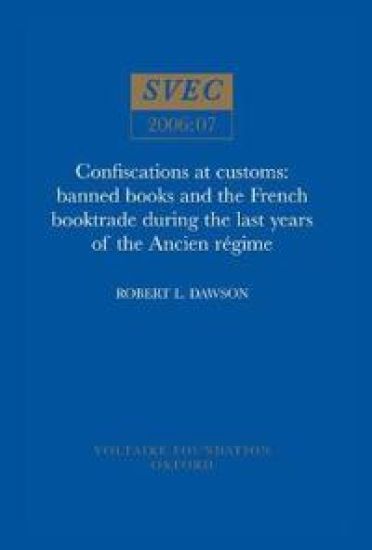
The French Enlightenment takes place against a background of State censorship. During the last decade or so of the Ancien régime, the French government fluctuated considerably regarding its approach to banned books: on the one hand, many were not overtly prohibited but were nonetheless seized; on the other, banned books were often allowed through. The inconsistencies of officials provide revealing insights into the innermost workings of the system on the eve of the Revolution and show the scope of changing mentalities during those crucial years. Beyond the customs records, numerous sources have been exploited in order to clarify these inconsistencies of practice, even as the author analyses archival records relevant to the French booktrade and to works considered dangerous. Confiscations at customs focuses on specific issues concerning banned books and their importation into Paris, including works by Voltaire, Fleuriot de Langle and Raynal, as well as discussing piracies and works published or imported by virtue of the tacit permit. Numerous titles can now be added to the recently published lists of books seized at customs based on a close reading of hitherto unpublished archival sources. Substantial appendices complete the discussion; they range from lists of banned books to unpublished letters concerning Voltaire's Œuvres. Several other appendices are freely available online at http://uts.cc.texas.edu/~dawson/index.html.

To save the world from certain destruction, three siblings and their shapeshifting alien guide embark on an out-of-this-world adventure in search of an ancient, all-powerful weapon. Slugger, Flint, and Scout are always out exploring the mountains of New Mexico near their home. When a cherry-picking expedition puts them in the path of a peculiar pooch in peril, the three siblings have no idea what unstoppable calamity has just been set in motion. The dog they call Robin Hood isn’t what he appears to be. And neither are the O’Ryan kids. Together, the three unlikely heroes and their trusty “canine” companion must journey the cosmos to snatch Earth back from the clutches of catastrophic evil. And they just might be successful. If only they could find that legendary sword . . . ***The Sapphire Sword is book one in The Sapphire Saga trilogy (to be followed by The Sapphire Song and The Sapphire Star) of suspenseful sci-fi novels for middle-grade readers. This gripping series teaches kids the value of family, forgiveness, and faith in the face of impossible odds.
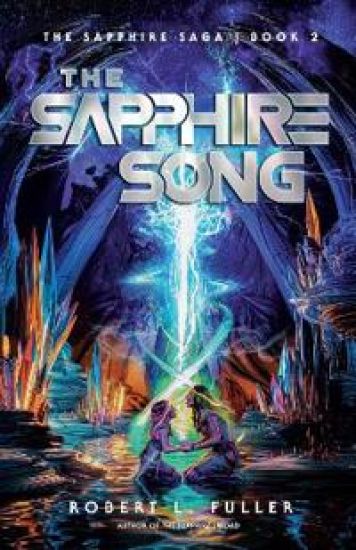
BOOK TWO IN THE SAPPHIRE SAGA TRILOGY Three space-dwelling siblings learn a shocking secret and embark on a treacherous, interplanetary mission to save an alien civilization from imminent peril. After wielding the unparalleled power of the Sapphire Sword to save Earth, Slugger, Flint, and Scout, spend their days cruising the cosmos and exploring the infinite possibilities aboard the Nautilus, their all-galaxy-class spaceship. Life is a sweet adventure—until their dad reveals a mind-blowing bit of intel that changes everything. Soon, they are whisked away to a strange planet in search of an ancient, all-seeing entity. Could the one they call Luminor shed some light on their father’s revelation? Together with their curious new companion, the O’Ryan clan faces dangers that will test their faith and fortitude as a faint melody beckons them onward: Peace be still.
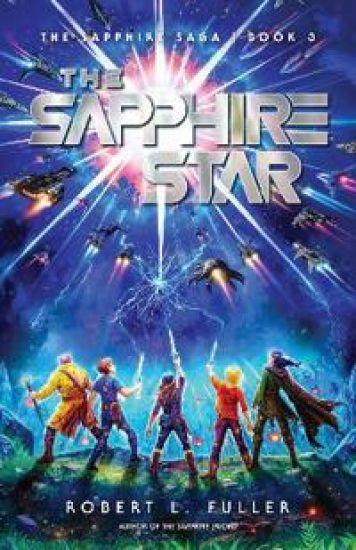
THE FINAL BOOK IN THE SAPPHIRE SAGA TRILOGY The O’Ryan family’s interstellar adventure reaches its thrilling conclusion. Join Slugger, Flint, Scout, and their father as they embark on their final and most dangerous quest—a journey to the center of the universe. For Slugger, Flint, and Scout, the future has never seemed so uncertain. Their father is poisoned and clinging to life. Slugger is marooned on a strange planet. Flint is racing to find the life-giving elixir that will save his dad. And Scout? Who knows where on earth, or elsewhere, that she is. Will all three siblings finally be reunited with their long-lost mother? Can the pestilence be stopped before it wipes out all of civilization? What eternal secrets lie at the center of the universe? The O’Ryan family's journey reaches its final and most intriguing chapter. Or will they find that the end is really a whole new beginning?
The Difficult Passages in Revelation
Robert L. Furrow; Mark Hitchcock
HARVEST HOUSE PUBLISHERS,U.S.
2026
pokkari
Clear Answers to Tough Questions About Revelation If we want to understand the full, complete, and eternal Jesus, we need the book of Revelation. But whether we approach the book with Jesus as our focus or to better grasp God’s plans for the future, there are many statements and passages that are a challenge to understand and can leave us scratching our heads. That’s why Robert Furrow wrote The Difficult Passages in Revelation. This informative, conversational, and clarifying guide focuses specifically on those troublesome passages in the search for helpful and practical answers. In the journey for clarity, you’ll discover many other portions of Scripture that help bring greater light to the final book in God’s Word—a book that is especially relevant to us now as we approach the end times. As you learn to use the Bible to interpret the Bible, the puzzling parts of Revelation will not only become clearer, but will reveal the character of our risen Lord more deeply, inspiring you to live with more peace, confidence, and boldness today.
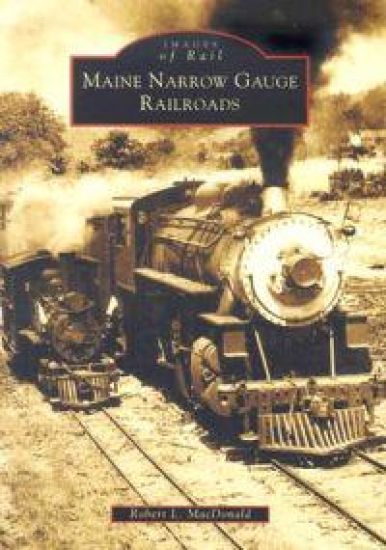
The narrow gauge railroad arrived in the United States in the late nineteenth century. Based on the Welsh two-foot gauge, the American narrow gauge was expanded by railroad engineers to a three-foot gauge that became the standard track width for narrow gauge railroads in the United States. Maine, however, adopted the two-foot gauge that was developed by George E. Mansfield in Massachusetts. The narrow track width was ideally suited to the mountainous terrain, and the maneuverability of the trains proved highly beneficial to companies and passengers traveling to remote locations. The narrow gauge railroad served Maine for over fifty years until the early 1940s.Maine Narrow Gauge Railroads is a comprehensive pictorial record of the history of the narrow gauge railroad in Maine. From the one-hundred-twelve-mile Sandy River and Rangeley Lakes Railroad to the five-mile Kennebec Central, Maine Narrow Gauge Railroads features the toylike miniature trains of Maine as they appeared at different stages in their history. The Bridgton and Harrison Railroad, the Monson Railroad, and the Wiscasset, Waterville and Farmington Railway lines are documented within, as well as the current restoration projects that are under way.
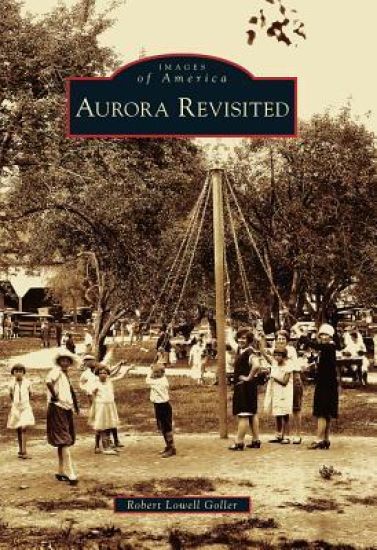
The town of Aurora was settled in 1804 and soon became a social and commercial center in Western New York. Visitors came to Aurora to get a glimpse of world-famous trotting horses at the Hamlin and Jewett farms and to see the Roycroft community of writers and craftsmen. Aurora Revisited tells the stories of notable citizens, including the 13th US president, Millard Fillmore, who established his first law office on Main Street; Iowa governor Horace Boies; and artist Margaret Evans Price, who designed the first pull toys for her husband's company. With more than 200 images spanning over a century, Aurora Revisited pays tribute to the men and women who sacrificed during times of war and chronicles the community's transition into a suburb that cherishes and promotes its historic roots.
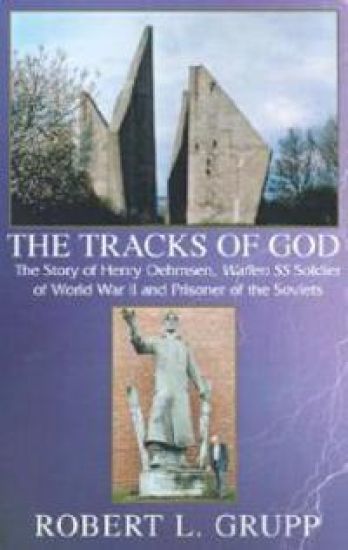
I first met Henry Oehmsen in the peaceful setting of George, Iowa. He dropped by my office to talk about God and his personal life — and very specifically in relation to what he had been through as a young soldier during World War II, in the war's aftermath, and to the present. I learned that Henry had enlisted in the Waffen SS, the military branch of the Schutzstaffel. These elite units served heroically on the eastern front — and with enormous losses of life. Henry firmly believed that God had been tracking him all his life. Far from simplistic, his theology went deep as he discovered God's Presence and guidance even in times of terrible and terrifying adversity. I quickly discovered that this remarkable person had been to hell and back. Captured by the Americans at the end of World War II, the very next day he and his compatriots were turned over to the Soviets. One of the agreements at Yalta dictated that all Waffen SS soldiers who had served in the German Sixth Army were to be delivered into the hands of the Russians. Of all the thousands of German soldiers imprisoned in the slave labor camps of the Soviet Union less than half finally returned home. The rest died from the brutality inflicted on them, or were killed outright by their captors. In speaking of this, Henry pointed out with customary candor and fairness that much of this was also true of the Russians who became prisoners of German forces. For the 32 months of his confinement in the Soviet camps, Henry Oehmsen fought for survival. One of the most crushing blows was a 20 year sentence for stealing a loaf of bread. But he persevered. This is Henry Oehmsen's fascinating story. I consider it a high privilege to helphim tell it. Robert L. Grupp — Le Mars, Iowa

Gathering together scholars from across the social sciences, Black Family Violence is one of the first books to chart new courses for research, while simultaneously serving as a fundamental introduction to family relationship issues in the study of black family life.
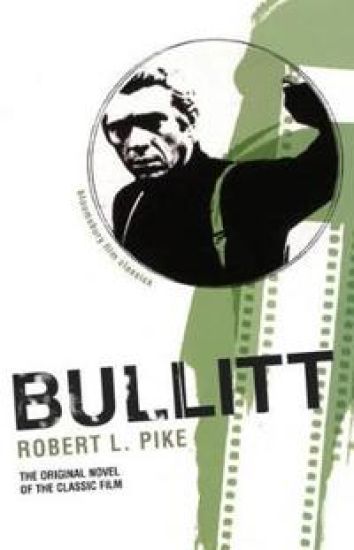
'Rossi isn't dead yet. And from what I hear, the Rossi brothers are pretty tough monkeys.' Clancy's knuckles whitened on the steering wheel. 'Yeah,' he said. 'They're all tough monkeys. Until they lose those precious ten pints...' Lieutenant Clancy, a tough cop from New York's 52nd Precinct, has been handpicked for an assignment. Assistant District Attorney Chalmers needs him to protect a witness whose testimony is vital. That man is Johnny Rossi, an infamous gangster involved in every West Coast racket from prostitution to gambling, who has turned into a whistle-blower. Shacked up in a fleabag hotel, Rossi should be safe. But when a hood with a shotgun breaks past the police guard and blasts Rossi into a critical condition, Clancy has just seventy-two hours to find out why Chalmers can't keep his mouth shut about his so-called secret case, why Rossi came to New York in the first place, who else knows where he is and when they are coming to finish the job off.
Although the current economic crisis creates a sense of urgency, we have always had and will always have a large number of people who are unemployed. For many, it is the most difficult time that they have ever faced. Without help, the unemployed face an increased risk of binge drinking, depression, anxiety and suicide. For many, there is a decreased quality of mental health, life satisfaction and objective physical wellbeing. Most feel alone and helpless.Dr Robert Leahy has worked with many unemployed people over the years, examining the psychological consequences of unemployment and exploring ways to help people cope with the emotional fallout of losing their job. This book gives readers psychological tools to handle their period of unemployment and simple, self-help strategies that can be used immediately to help them feel better and act better. The book draws on cognitive behavioural therapy (CBT) as well as practices such as mindfulness to help readers boost their self-esteem and confidence, decrease anxiety and feelings of helplessness, and develop resiliance and strength going forward.
Strategic Learning in a Knowledge Economy
Robert L Cross; Sam Israelit
Butterworth-Heinemann Ltd
2000
nidottu
Strategic Learning in a Knowledge Economy defines unique and powerful ways that organizations can foster learning at the individual, group and organizational levels, a capability critical to both strategic objectives and business performance. The book explains how individuals and organizations learn, clarifying cognitive and social aspects of the topic. Readers will understand how learning enables organizations and individuals to better create, assimilate, and transfer knowledge. Strategic Learning in a Knowledge Economy helps managers create individual and collective processes that maximize the quality of the knowledge created and learned and ensures this knowledge is effectively used. The book appropriately redefines the frequently narrow and technology-oriented view of learning and explains how an effective learning strategy ensures that a broad base of employees learn and implement vital organizational lessons. Strategic Learning in a Knowledge Economy features focused discussions of organizational core competencies, learning and innovation, communities of practice, assessing organizational learning capabilities, and other important learning topics. This authoritative compendium helps readers master organizational issues crucial in today's knowledge economy by:

Handbook of Neuro-Ophthalmology
Robert L. Tomsak; Mark R. Levine
Butterworth-Heinemann Ltd
2003
nidottu
The revised and updated 2nd Edition of this popular handbook offers practical, clinical guidance on the diagnosis and therapeutic management of the 23 most common neuro-ophthalmic disorders. Pocket-sized for portability, it's organised to make essential information easy to find. Each chapter follows the same consistent format-overview and aetiology, physical examination, differential diagnosis, investigation and treatment. Photographs, figures, and tables summarise data for quick reference, and case reports throughout illustrate approaches to treatment. Six brand-new chapters on orbital disease reflect the growing prevalence of this disorder in practice. Provides portable, quick access to information on diagnosis and treatment. Includes case reports, illustrating specific treatment approaches. Presents abundant photographs, figures and tables, summarizing data for quick reference. Follows a consistent format from chapter to chapter outlining etiology · physical examination · differential diagnosis · investigation · and treatment. Features 5 new chapters: Orbital Fractures Ptosis Malignant Eyelid Tumors Lacrimal Gland Tumors and Orbital Tumors. Covers the hottest topics in the field, including headaches low tension glaucoma traumatic optic neuropathy orbital fractures ptosis orbital tumors · optic neuritis · nystagmous · anterior ischemic optic neuropathy · temporal arteritis · and many more.