Kirjojen hintavertailu. Mukana 12 016 292 kirjaa ja 12 kauppaa.

Kirjahaku

Etsi kirjoja tekijän nimen, kirjan nimen tai ISBN:n perusteella.

1000 tulosta hakusanalla W. D. Howells

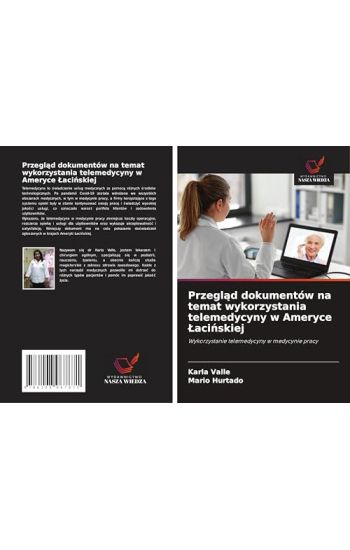
Przegląd dokumentów na temat wykorzystania telemedycyny w Ameryce Lacińskiej
Telemedycyna to świadczenie uslug medycznych za pomocą r żnych środk w technologicznych. Po pandemii Covid-19 zostala wdrożona we wszystkich obszarach medycznych, w tym w medycynie pracy, a firmy korzystające z tego systemu opieki byly w stanie kontynuowac swoją pracę i świadczyc wysokiej jakości uslugi, co oznaczalo wzrost portfela klient w i zadowolenia użytkownik w.Wykazano, że telemedycyna w medycynie pracy zmniejsza koszty operacyjne, rozszerza opiekę i uslugi dla użytkownik w oraz wykazuje akceptowalnośc i satysfakcję. Niniejszy dokument ma na celu pokazanie doświadczeń zgloszonych w krajach Ameryki Lacińskiej.

The Films of D. W. Griffith

The Films of D. W. Griffith

Simmon Scott

Cambridge University Press
1993
sidottu
The Films of D. W. Griffith serves as an introduction to, and a cultural argument for, the work of the first widely acknowledged master filmmaker. Situating D. W. Griffith within film history and American studies, Scott Simmon addresses Griffith's competing reputations as a genius of cinematic form and a retrograde purveyor of reactionary and racist tales. His study includes extended discussion of Griffith's controversial drama of the Civil War and Reconstruction, The Birth of a Nation, and of his grandiose historical epic, Intolerance, but identifies his enduring work within the approximately 450 shorter films that he directed for the Biograph Company between 1908 and 1913, years of rapid change in the film industry. Major discussion is given to the evolution of Griffith's Biograph films about contemporary city life and to his early domestic melodramas or 'woman's films'. In this cultural reading, Griffith's films are located at a crisis point between two centuries, drawing power from the popular attitudes of nineteenth-century America as they create the patterns for the twentieth century's most distinctive art form.
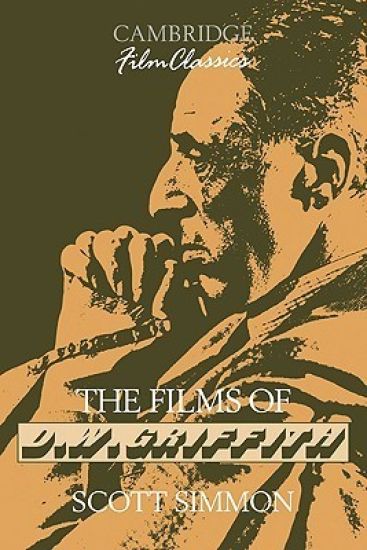
The Films of D. W. Griffith

The Films of D. W. Griffith

Scott Simmon

Cambridge University Press
1993
pokkari
The Films of D. W. Griffith serves as an introduction to, and a cultural argument for, the work of the first widely acknowledged master filmmaker. Situating D. W. Griffith within film history and American studies, Scott Simmon addresses Griffith's competing reputations as a genius of cinematic form and a retrograde purveyor of reactionary and racist tales. His study includes extended discussion of Griffith's controversial drama of the Civil War and Reconstruction, The Birth of a Nation, and of his grandiose historical epic, Intolerance, but identifies his enduring work within the approximately 450 shorter films that he directed for the Biograph Company between 1908 and 1913, years of rapid change in the film industry. Major discussion is given to the evolution of Griffith's Biograph films about contemporary city life and to his early domestic melodramas or 'woman's films'. In this cultural reading, Griffith's films are located at a crisis point between two centuries, drawing power from the popular attitudes of nineteenth-century America as they create the patterns for the twentieth century's most distinctive art form.
Dinner with D. W. Griffith and Other Memories
Join writer Joseph Woodson Oglesby on a memorable trip through his boyhood years in the 1930s and 40s, when he: . Sits down to Sunday dinner with Cousin David (legendary film director D. W. Griffith) and other relatives and witnesses an unexpected confrontation. . Attends a siance where an uninvited guest "materializes" with a cryptic message for Madame Stone, the medium. . Narrowly escapes the raging waters of the Great Flood of 1937 to find refuge and adventure in the village of Peewee Valley. . Experiences the pleasures and pangs of first love as he and his best friend fall for the same girl. Accompanying these and many other memories are rare, previously unpublished photos of D. W. Griffith, classic photos by noted Kentucky photographer Kate Matthews, and black and whites from the author's collection.
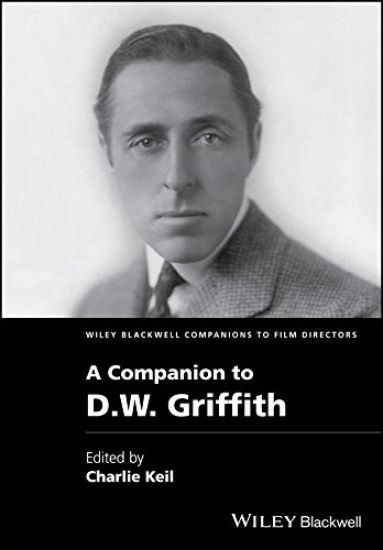
A Companion to D. W. Griffith
The most comprehensive volume on one of the most controversial directors in American film history A Companion to D.W. Griffith offers an exhaustive look at the first acknowledged auteur of the cinema and provides an authoritative account of the director’s life, work, and lasting filmic legacy. The text explores how Griffith’s style and status advanced along with cinema’s own development during the years when narrative became the dominant mode, when the short gave way to the feature, and when film became the pre-eminent form of mass entertainment. Griffith was at the centre of each of these changes: though a contested figure, he remains vital to any understanding of how cinema moved from nickelodeon fixture to a national pastime, playing a significant role in the cultural ethos of America. With the renewed interest in Griffith’s contributions to the film industry, A Companion to D.W. Griffith offers a scholarly look at a career that spanned more than 25 years. The editor, a leading scholar on D.W. Griffith, and the expert contributors collectively offer a unique account of one of the monumental figures in film studies. Presents the most authoritative, complete account of the director’s life, work, and lasting legacyBuilds on the recent resurgence in the director’s scholarly and popular reputationEdited by a leading authority on D.W. Griffith, who has published extensively on this controversial director Offers the most up-to-date, singularly comprehensive volume on one of the monumental figures in film studies