
Kirjahaku
Etsi kirjoja tekijän nimen, kirjan nimen tai ISBN:n perusteella.
1000 tulosta hakusanalla William D. Howells
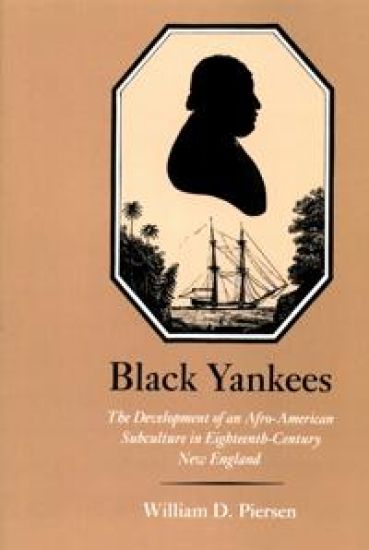
This book examines the development of an Afro-American subculture in eighteenth-century New England. Piersen concerns himself not with the machinery of slave control or the political and social disabilities of bondage, but with the processes of cultural change and creation from the black bondsman's point of view. What was it like to be an African immigrant in colonial New England? What attitudes and assumptions underlay the Afro-American response to Yankee culture? What does the development within the confines of a predominantly white and ethnocentric New England of an Afro-American folk culture in religion, public rituals, folk arts and crafts, social mores, and daily behavior say about the creation of American culture? On the face of it, the master class called the tunes and slaves danced the beat. Blacks who were taken into New England's bondage were clearly engulfed in a pervasive, narrow-minded Euro-American society that had no interest in fostering Afro-American autonomy. The New England experience was often cruel, and the numbers alone suggest it was among the most unequal of black/white cultural contacts in the New World. Nonetheless, despite the strictures of bondage, the black Yankees of eighteenth-century New England created a sustaining folk culture of their own.
Political scientists have long relied on quantitative studies and model-driven analyses of the electorate to describe the politics of local government. These studies are valuable for understanding the overall picture of a political district, but they fall short of understanding the culture and people of that district. In Not All Politics is Local: Reflections of a Former County Chairman, William D. Angel Jr. details the party fight that led to Angel's ascent to chairmanship and describes the long period of turmoil, counterplotting, and dissension that followed. Angel offers fascinating insight into the people who made up the party at this time: Charlie Hauenstein, the tough chairman whom Angel and his pals toppled from power; Rochelle Twining, the feminist candidate for state representative; John Hevener, a history professor who masterminded Hauenstein's overthrow; and an assortment of hardworking, if sometimes vexing, activists. But more than just portraying the internal dynamics of a political party, Not All Politics Is Local affords the reader an insight into political life and the contributions to society made by local parties. For Angel, political parties do more than register voters and win elections: they engage the public in dialogue and challenge citizens to take responsibility for their government.
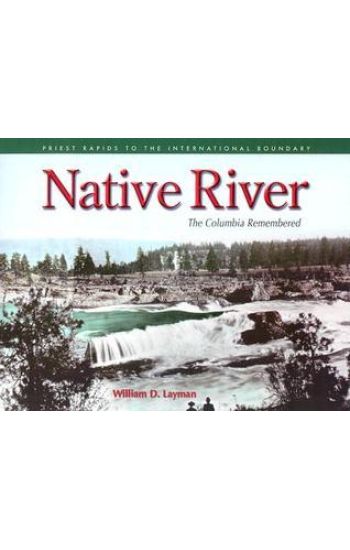
In images and narratives, Native River recreates a vision of the mighty Columbia River as it appeared when it ran wild and free. Featuring a wealth of illustrations, maps, and photographs, many never before published, this finely crafted book focuses on the 350-mile reach of the middle Columbia River-from Priest Rapids in south-central Washington to the U.S.-Canadian border. Layman gives us the unique opportunity of picturing the great river, and humankind's relationship to it, prior to the building of seven major dams that now harness the Columbia's power and obscure its former features under reservoirs. The author affords each segment of this waterway its own unique rich visual documentation. This forms a backdrop to compelling river stories, told in a variety of perspectives and voices. Included are Native American legends and lore, the cryptic messages of ancient rock art, accounts of white explorers and immigrants, and Layman's own insightful observations. In his research, Layman forged a special, cooperative relationship with the indigenous peoples who still call the Columbia River valley their home. The artful blending of geological, cultural, and historical story telling in Native River unifies the reader's experience of the untamed Columbia.

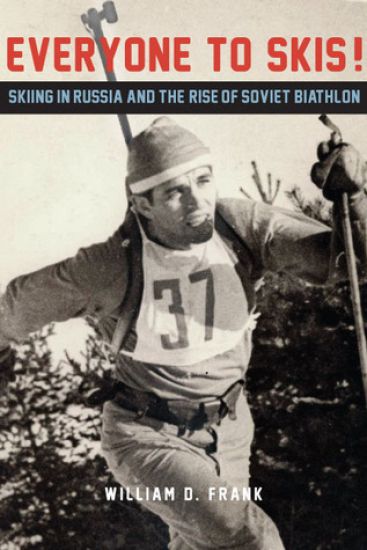
Nowhere in the world was the sport of biathlon, a combination of cross-country skiing and rifle marksmanship, taken more seriously than in the Soviet Union, and no other nation garnered greater success at international venues. From the introduction of modern biathlon in 1958 to the USSR's demise in 1991, athletes representing the Soviet Union won almost half of all possible medals awarded in world championship and Olympic competition. Yet more than sheer technical skill created Soviet superiority in biathlon. The sport embodied the Soviet Union's culture, educational system and historical experience and provided the perfect ideological platform to promote the state's socialist viewpoint and military might, imbuing the sport with a Cold War sensibility that transcended the government's primary quest for post-war success at the Olympics. William D. Frank's book is the first comprehensive analysis of how the Soviet government interpreted the sport of skiing as a cultural, ideological, political and social tool throughout the course of seven decades. In the beginning, the Soviet Union owned biathlon, and so the stories of both the state and the event are inseparable. Through the author's unique perspective on biathlon as a former nationally-ranked competitor and current professor of Soviet history, Everyone to Skis! will appeal to students and scholars of Russian and Soviet history as well as to general readers with an interest in skiing and the development of twentieth-century sport.
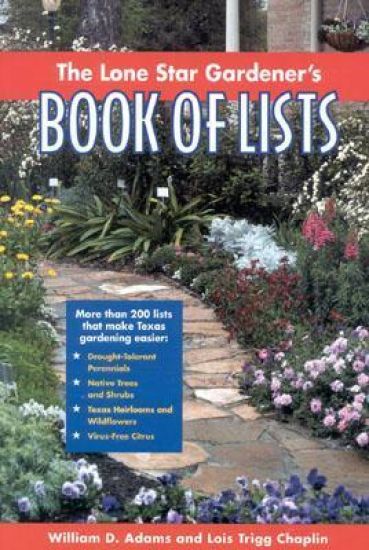
The Lone Star Gardener's Book of Lists
William D. Adams; Lois Trigg Chaplin
Taylor Trade Publishing
2000
pokkari
With more than 200 lists of plants and garden resources, this guide has the answers on what to plant where and on how to handle the toughest of Texas conditions. William D. Adams and Lois Trigg Chaplin offer numerous recommendations, noting the best growing zones and bringing together helpful hints and information from dozens of gardeners, nurseries, and horticultural professionals across the state.
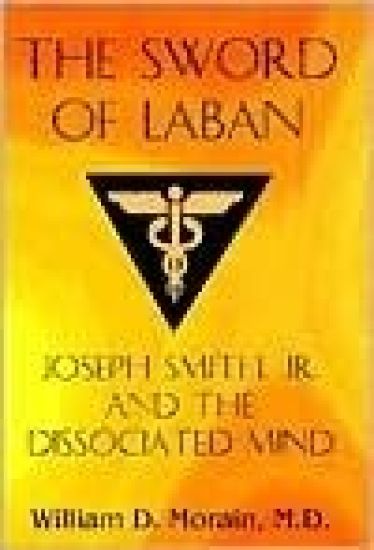
The Sword of Laban examines the Mormon prophet's enigmatic life in light of current understanding of post-traumatic stress disorder and the dissociation that accompanies it. Dr. Morain traces the repetitive patterns of behavior and fantasies of Smith's adult life.
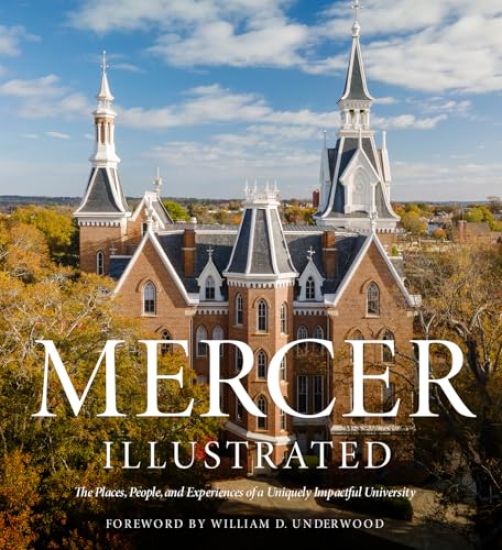
Mercer Illustrated
William D. Underwood; Gordon Johnston; Jan Horne Crocker
MERCER UNIVERSITY PRESS
2024
sidottu
This folio of more than two hundred-fifty photographs with a foreword by President William D. Underwood and accompanying text by Gordon Johnston celebrates Georgia's oldest private university. Since its founding in 1833 in Penfield as Mercer Institute, Mercer University has educated tens of thousands of undergraduate, graduate, and professional students, counting among its alumni twelve governors, twenty-five congressional representatives, a U.S. Attorney General, two Rhodes Scholars, two Pulitzer Prize winners, and many physicians, artists, poets, engineers, scientists, ministers, musicians, educators, judges, attorneys, business leaders, nurses, and pharmacists. Mercer University enrolls more than 9,000 students each academic year in twelve colleges and schools on campuses in Macon, Atlanta, Savannah, and Columbus, and at centers in Henry and Douglas Counties. Mercer Illustrated highlights the places, people, spirit, and experiences that collectively contribute to Mercer's impact on the world. With sections depicting the university's campuses in Macon, Atlanta, Columbus, and Savannah and the academic, athletic, arts, service, and social events that nourish mind and soul and build community in each location, this collection offers a slice of Mercer life from all the areas of the world and the state that the University has come to call home over the last 191 years.
The role of motion pictures in the popularity of rock music became increasingly significant in the latter twentieth century. Rock music and its interaction with film is the subject of this significant book that re-examines and extends Serge Denisoff's pioneering observations of this relationship.Prior to Saturday Night Fever rock music had a limited role in the motion picture business. That movie's success, and the success of its soundtrack, began to change the silver screen. In 1983, with Flashdance, the situation drastically evolved and by 1984, ten soundtracks, many in the pop/rock genre, were certified platinum. Choosing which rock scores to discuss in this book was a challenging task. The authors made selections from seminal films such as The Graduate, Easy Rider, American Grafitti, Saturday Night Fever, Help!, and Dirty Dancing. However, many productions of the period are significant not because of their success, but because of their box office and record store failures.Risky Business chronicles the interaction of two major mediums of mass culture in the latter twentieth century. This book is essential for those interested in communications, popular culture, and social change.
Orange County, North Carolina Deed Books 1 and 2, 1752-1786, Abstracts Of. (Volume #1)
William D. Bennett
Southern Historical Press
2018
nidottu
By: Wlliam D. Bennett, Pub. 1989, Reprinted 2018, 184 pages, Index, ISBN #0-89308-957-5.Orange county was formed in 1752 from Granville, Johnston, and Bladen counties with Granville having been formed from Edgecombe County. Rowan County was formed from the western boundary of Orange in 1753. Counties formed from Orange were Guildford in 1785; Chatham in 1770 with a small portion of it taken to become part of Wake County in 1770; and in 1771 Caswell County was taken from Orange with Person County taken from Caswell in 1792. Deeds are GREAT source for genealogical research due to the many and varied family members that are mentioned. Not only will the reader find the deed transaction itself, but often times such things as: occupations, marriages, relinquishment of dower, divisions of family farms among heirs, current and/or former residences, remarriages of widows are just a few of the matters you can anticipate finding within records of deeds.
Orange County, North Carolina Deed Book 3, 1752-1786, Abstracts Of. (Volume #2)
William D. Bennett
Southern Historical Press
2018
nidottu
By: Wlliam D. Bennett, Pub. 1989, Reprinted 2018, 172 pages, Index, ISBN #0-89308-958-3.Orange county was formed in 1752 from Granville, Johnston, and Bladen counties with Granville having been formed from Edgecombe County. Rowan County was formed from the western boundary of Orange in 1753. Counties formed from Orange were Guildford in 1785; Chatham in 1770 with a small portion of it taken to become part of Wake County in 1770; and in 1771 Caswell County was taken from Orange with Person County taken from Caswell in 1792. Deeds are GREAT source for genealogical research due to the many and varied family members that are mentioned. Not only will the reader find the deed transaction itself, but often times such things as: occupations, marriages, relinquishment of dower, divisions of family farms among heirs, current and/or former residences, remarriages of widows are just a few of the matters you can anticipate finding within records of deeds.
Orange County, North Carolina Deed Book 4, 1787-1793, Abstracts Of. (Volume #3)
William D. Bennett
Southern Historical Press
2018
nidottu
By: Wlliam D. Bennett, Pub. 1991, Reprinted 2018, 194 pages, Index, ISBN #0-89308-959-1.Orange county was formed in 1752 from Granville, Johnston, and Bladen counties with Granville having been formed from Edgecombe County. Rowan County was formed from the western boundary of Orange in 1753. Counties formed from Orange were Guildford in 1785; Chatham in 1770 with a small portion of it taken to become part of Wake County in 1770; and in 1771 Caswell County was taken from Orange with Person County taken from Caswell in 1792. Deeds are GREAT source for genealogical research due to the many and varied family members that are mentioned. Not only will the reader find the deed transaction itself, but often times such things as: occupations, marriages, relinquishment of dower, divisions of family farms among heirs, current and/or former residences, remarriages of widows are just a few of the matters you can anticipate finding within records of deeds.
Orange County, North Carolina Deed Book 5, 1793-1797, Abstracts of. (Volume #4)
William D. Bennett
Southern Historical Press
2018
nidottu
By: Wlliam D. Bennett, Pub. 1991, Reprinted 2018, 186 pages, Index, ISBN #0-89308-960-5.Orange county was formed in 1752 from Granville, Johnston, and Bladen counties with Granville having been formed from Edgecombe County. Rowan County was formed from the western boundary of Orange in 1753. Counties formed from Orange were Guildford in 1785; Chatham in 1770 with a small portion of it taken to become part of Wake County in 1770; and in 1771 Caswell County was taken from Orange with Person County taken from Caswell in 1792. Deeds are GREAT source for genealogical research due to the many and varied family members that are mentioned. Not only will the reader find the deed transaction itself, but often times such things as: occupations, marriages, relinquishment of dower, divisions of family farms among heirs, current and/or former residences, remarriages of widows are just a few of the matters you can anticipate finding within records of deeds.
Orange County, North Carolina Deed Books 6 and 7, 1797-1799. (Volume #5)
William D. Bennett
Southern Historical Press
2019
nidottu
By: William D. Bennett, Pub. 1991, Reprinted 2019, 156 pages, Index, ISBN #0-89308-961-3.Orange county was formed in 1752 from Granville, Johnston, and Bladen counties with Granville having been formed from Edgecombe County. Rowan County was formed from the western boundary of Orange in 1753. Counties formed from Orange were Guildford in 1785; Chatham in 1770 with a small portion of it taken to become part of Wake County in 1770; and in 1771 Caswell County was taken from Orange with Person County taken from Caswell in 1792. Deeds are GREAT source for genealogical research due to the many and varied family members that are mentioned. Not only will the reader find the deed transaction itself, but often times such things as: occupations, marriages, relinquishment of dower, divisions of family farms among heirs, current and/or former residences, remarriages of widows are just a few of the matters you can anticipate finding within records of deeds.
Orange County, North Carolina Deed Books 8 and 9, 1799-1802. (Volume #6)
William D. Bennett
Southern Historical Press
2019
nidottu
By: William D. Bennett, Pub. 1991, Reprinted 2019, 162 pages, Index, ISBN #0-89308-962-1.Orange county was formed in 1752 from Granville, Johnston, and Bladen counties with Granville having been formed from Edgecombe County. Rowan County was formed from the western boundary of Orange in 1753. Counties formed from Orange were Guildford in 1785; Chatham in 1770 with a small portion of it taken to become part of Wake County in 1770; and in 1771 Caswell County was taken from Orange with Person County taken from Caswell in 1792. Deeds are GREAT source for genealogical research due to the many and varied family members that are mentioned. Not only will the reader find the deed transaction itself, but often times such things as: occupations, marriages, relinquishment of dower, divisions of family farms among heirs, current and/or former residences, remarriages of widows are just a few of the matters you can anticipate finding within records of deeds.
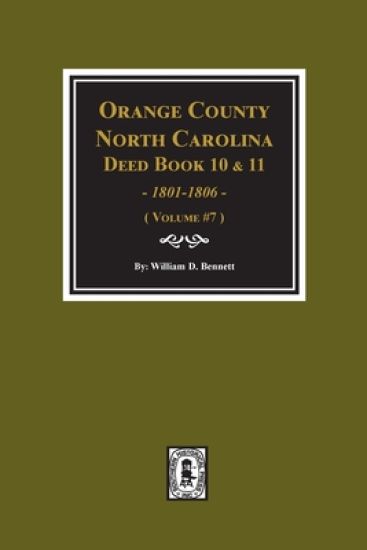
Orange County, North Carolina Deed Books 10 and 11, 1801-1806. (Volume #7)
William D. Bennett
Southern Historical Press
2019
nidottu
By: William D. Bennett, Pub. 1991, Reprinted 2019, 176 pages, Index, ISBN #0-89308-963-X.Orange county was formed in 1752 from Granville, Johnston, and Bladen counties with Granville having been formed from Edgecombe County. Rowan County was formed from the western boundary of Orange in 1753. Counties formed from Orange were Guildford in 1785; Chatham in 1770 with a small portion of it taken to become part of Wake County in 1770; and in 1771 Caswell County was taken from Orange with Person County taken from Caswell in 1792. Deeds are GREAT source for genealogical research due to the many and varied family members that are mentioned. Not only will the reader find the deed transaction itself, but often times such things as: occupations, marriages, relinquishment of dower, divisions of family farms among heirs, current and/or former residences, remarriages of widows are just a few of the matters you can anticipate finding within records of deeds.
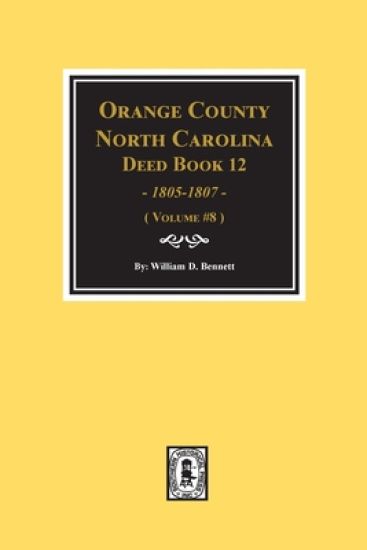
Orange County, North Carolina Deed Books 12, 1805-1807. (Volume #8)
William D. Bennett
Southern Historical Press
2019
nidottu
By: William D. Bennett, Pub. 1991, Reprinted 2019, 104 pages, Index, ISBN #0-89308-964-8.Orange county was formed in 1752 from Granville, Johnston, and Bladen counties with Granville having been formed from Edgecombe County. Rowan County was formed from the western boundary of Orange in 1753. Counties formed from Orange were Guildford in 1785; Chatham in 1770 with a small portion of it taken to become part of Wake County in 1770; and in 1771 Caswell County was taken from Orange with Person County taken from Caswell in 1792. Deeds are GREAT source for genealogical research due to the many and varied family members that are mentioned. Not only will the reader find the deed transaction itself, but often times such things as: occupations, marriages, relinquishment of dower, divisions of family farms among heirs, current and/or former residences, remarriages of widows are just a few of the matters you can anticipate finding within records of deeds.
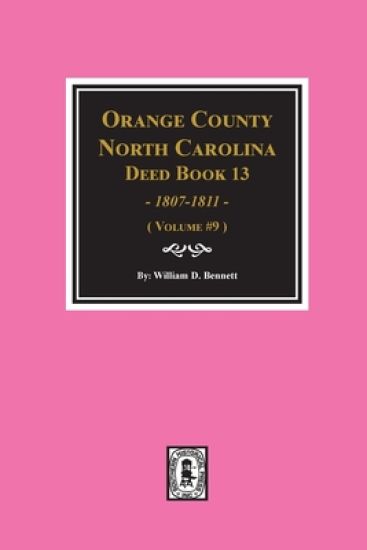
Orange County, North Carolina Deed Books 13, 1808-1811. (Volume #9)
William D. Bennett
Southern Historical Press
2019
nidottu
By: William D. Bennett, Pub. 1996, Reprinted 2019, 172 pages, soft cover, Index, ISBN #0-89308965-6 Orange county was formed in 1752 from Granville, Johnston, and Bladen counties with Granville having been formed from Edgecombe County. Rowan County was formed from the western boundary of Orange in 1753. Counties formed from Orange were Guildford in 1785; Chatham in 1770 with a small portion of it taken to become part of Wake County in 1770; and in 1771 Caswell County was taken from Orange with Person County taken from Caswell in 1792. Deeds are GREAT source for genealogical research due to the many and varied family members that are mentioned. Not only will the reader find the deed transaction itself, but often times such things as: occupations, marriages, relinquishment of dower, divisions of family farms among heirs, current and/or former residences, remarriages of widows are just a few of the matters you can anticipate finding within records of deeds.