Kirjojen hintavertailu. Mukana 12 384 032 kirjaa ja 12 kauppaa.

Kirjahaku

Etsi kirjoja tekijän nimen, kirjan nimen tai ISBN:n perusteella.

1000 tulosta hakusanalla ART WIEDERHOLD

Art, Awakening, and Modernity in the Middle East
This edited scholarly volume offers a perspective on the history of the genre of the nude in the Middle East and includes contributions written by scholars from several disciplines (art history, history, anthropology). Each chapter provides a distinct perspective on the early days of the fine arts genre of the nude, as its author studies a particular aspect through analysis of artworks and historical documents from the late nineteenth- and early twentieth-centuries. The volume examines a rich body of reproductions of both primary documents and of works of art made by Lebanese, Egyptian, Syrian artists or of anonymous book illustrations from the nineteenth century Ottoman erotic literature.
Art Therapy and Career Counseling

Art Therapy and Career Counseling

Barbara Parker-Bell; Debra Osborn

TAYLOR FRANCIS LTD
2022
nidottu
Art Therapy and Career Counseling is a comprehensive career development guide that offers creative approaches for understanding, assessing, and supporting ethical career development strategies.This book expands on traditional approaches by adding a robust art therapy lens to topics such as career development theories, relational approaches, career resource identification, multicultural concerns, and ethical practices. Additionally, research and practice findings of art therapists, counselors, psychologists, educators, and students are utilized as sources for career-centered art-based strategies.Art therapy educators, art therapists, counselors, and psychologists will appreciate creative approaches to teaching and applying career development through the lifespan.
Art Therapy and Career Counseling

Art Therapy and Career Counseling

Barbara Parker-Bell; Debra Osborn

TAYLOR FRANCIS LTD
2022
sidottu
Art Therapy and Career Counseling is a comprehensive career development guide that offers creative approaches for understanding, assessing, and supporting ethical career development strategies.This book expands on traditional approaches by adding a robust art therapy lens to topics such as career development theories, relational approaches, career resource identification, multicultural concerns, and ethical practices. Additionally, research and practice findings of art therapists, counselors, psychologists, educators, and students are utilized as sources for career-centered art-based strategies.Art therapy educators, art therapists, counselors, and psychologists will appreciate creative approaches to teaching and applying career development through the lifespan.
Art Worlding

Art Worlding

Julie Crawshaw

TAYLOR FRANCIS LTD
2021
sidottu
Tracing the associations between artists, planners and engineers with and within the materials of our environment, this book introduces the relational theory of ‘art worlding’ as a way of coming to know our organic continuity. Through a series of ‘sculptural’ ethnographies of the making and doing of art in urban and rural contexts, the author re-orientates the art-planning relationship in recognition of art practice as a mode of inquiry and way of knowing. Methodologically innovative, the book traces public art as practice and integrates artistic practice within planning research. Inspired by the classical pragmatism of John Dewey the fieldwork illuminates the opportunity afforded by the art-planning relationship in understanding relational continuity at differing scales. It introduces a new paradigm for the field of public art and for art and planning practice more broadly. Art Worlding: Planning Relations will appeal to sociologists and social anthropologists with interests in art, as well as artists and art scholars, and those working in the fields of urban and rural planning, urban regeneration, art and ecology, curating, public art, and cultural management.
Art Worlding

Art Worlding

Julie Crawshaw

TAYLOR FRANCIS LTD
2023
nidottu
Tracing the associations between artists, planners and engineers with and within the materials of our environment, this book introduces the relational theory of ‘art worlding’ as a way of coming to know our organic continuity. Through a series of ‘sculptural’ ethnographies of the making and doing of art in urban and rural contexts, the author re-orientates the art-planning relationship in recognition of art practice as a mode of inquiry and way of knowing. Methodologically innovative, the book traces public art as practice and integrates artistic practice within planning research. Inspired by the classical pragmatism of John Dewey the fieldwork illuminates the opportunity afforded by the art-planning relationship in understanding relational continuity at differing scales. It introduces a new paradigm for the field of public art and for art and planning practice more broadly. Art Worlding: Planning Relations will appeal to sociologists and social anthropologists with interests in art, as well as artists and art scholars, and those working in the fields of urban and rural planning, urban regeneration, art and ecology, curating, public art, and cultural management.
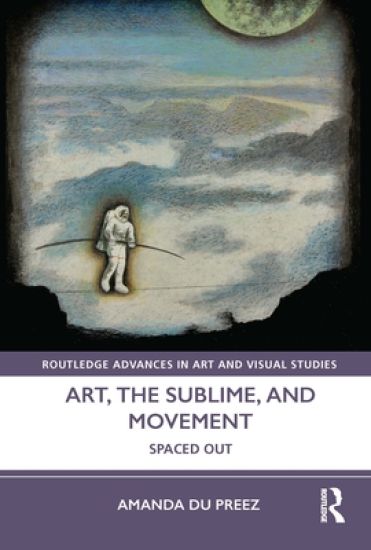
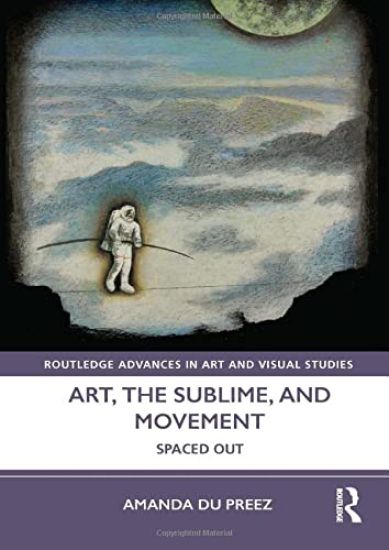
Art, the Sublime, and Movement

Art, the Sublime, and Movement

Amanda du Preez

TAYLOR FRANCIS LTD
2022
sidottu
This book is a critical interdisciplinary approach to the study of contemporary visual culture and image studies, exploring ideas about space and place and ultimately contributing to the debates about being human in the digital age. The upward and downward pull seem in a constant contest for humanity’s attention. Both forces are powerful in the effects and affects they invoke. When tracing this iconological history, Amanda du Preez starts in the early nineteenth century, moving into the twentieth century and then spanning the whole century up to contemporary twenty-first century screen culture and space travels. Du Preez parses the intersecting pathways between Heaven and Earth, up and down, flying and falling through the concept of being “spaced out”. The idea of being “spaced out” is applied as a metaphor to trace the visual history of sublime encounters that displace Earth, gravity, locality, belonging, home, real life, and embodiment. The book will be of interest to scholars working in art history, visual culture, media and cultural studies, phenomenology, digital culture, mobility studies, and urban studies.
Art, the Sublime, and Movement

Art, the Sublime, and Movement

Amanda du Preez

TAYLOR FRANCIS LTD
2024
nidottu
This book is a critical interdisciplinary approach to the study of contemporary visual culture and image studies, exploring ideas about space and place and ultimately contributing to the debates about being human in the digital age. The upward and downward pull seem in a constant contest for humanity’s attention. Both forces are powerful in the effects and affects they invoke. When tracing this iconological history, Amanda du Preez starts in the early nineteenth century, moving into the twentieth century and then spanning the whole century up to contemporary twenty-first century screen culture and space travels. Du Preez parses the intersecting pathways between Heaven and Earth, up and down, flying and falling through the concept of being “spaced out”. The idea of being “spaced out” is applied as a metaphor to trace the visual history of sublime encounters that displace Earth, gravity, locality, belonging, home, real life, and embodiment. The book will be of interest to scholars working in art history, visual culture, media and cultural studies, phenomenology, digital culture, mobility studies, and urban studies.
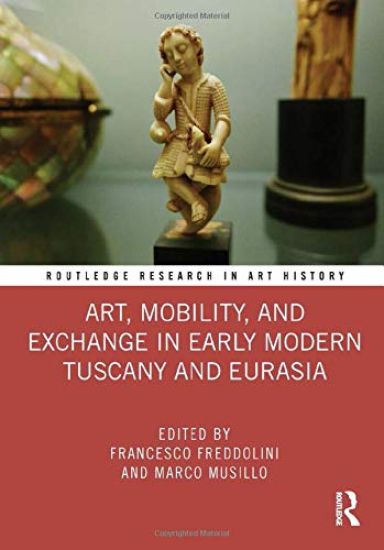
Art, Mobility, and Exchange in Early Modern Tuscany and Eurasia
This book explores how the Medici Grand Dukes pursued ways to expand their political, commercial, and cultural networks beyond Europe, cultivating complex relations with the Ottoman Empire and other Islamicate regions, and looking further east to India, China, and Japan.The chapters in this volume discuss how casting a global, cross-cultural net was part and parcel of the Medicean political vision. Diplomatic gifts, items of commercial exchange, objects looted at war, maritime connections, and political plots were an inherent part of how the Medici projected their state on the global arena. The eleven chapters of this volume demonstrate that the mobility of objects, people, and knowledge that generated the global interactions analyzed here was not unidirectional—rather, it went both to and from Tuscany. In addition, by exploring evidence of objects produced in Tuscany for Asian markets,this book reveals hitherto neglected histories of how Western cultures projected themselves eastwards.
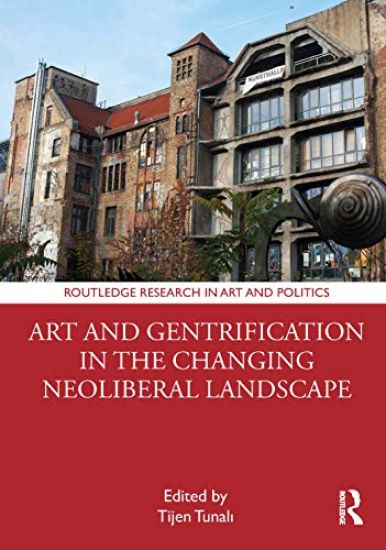
Art and Gentrification in the Changing Neoliberal Landscape
Art and Gentrification in the Changing Neoliberal Landscape brings together various disciplinary perspectives and diverse theories on art’s dialectical and evolving relationship with urban regeneration processes. It engages in the accumulated discussions on art’s role in gentrification, yet changes the focus to the growing phenomenon of artistic protests and resistance in the gentrified neighborhoods.Since the 1980s, art and artists’ role?s in gentrification ha?ve been at the forefront of urban geography research in the subjects of housing, regeneration, displacement and new urban planning. In these accounts the artists have been noted to contribute at all stages of gentrification, from triggering it to eventually being displaced by it themselves. The current presence of art in our neoliberal urban space?s illustrates the constant negotiation between power and resistance?. And there is a growing need to recognize art’s shifting and conflicting relationship with gentrification. The chapters presented here share a common thesis that the aesthetic reconfiguration of the neoliberal city does not only allow uneven and exclusionary urban redevelopment strategies but also facilitates the growth of anti-gentrification resistance.The book will be of interest to scholars working in art history, urban cultures, cultural geography and urban studies as well as contemporary art practitioners and policymakers.
Art and Gentrification in the Changing Neoliberal Landscape
Art and Gentrification in the Changing Neoliberal Landscape brings together various disciplinary perspectives and diverse theories on art’s dialectical and evolving relationship with urban regeneration processes. It engages in the accumulated discussions on art’s role in gentrification, yet changes the focus to the growing phenomenon of artistic protests and resistance in the gentrified neighborhoods.Since the 1980s, art and artists’ role?s in gentrification ha?ve been at the forefront of urban geography research in the subjects of housing, regeneration, displacement and new urban planning. In these accounts the artists have been noted to contribute at all stages of gentrification, from triggering it to eventually being displaced by it themselves. The current presence of art in our neoliberal urban space?s illustrates the constant negotiation between power and resistance?. And there is a growing need to recognize art’s shifting and conflicting relationship with gentrification. The chapters presented here share a common thesis that the aesthetic reconfiguration of the neoliberal city does not only allow uneven and exclusionary urban redevelopment strategies but also facilitates the growth of anti-gentrification resistance.The book will be of interest to scholars working in art history, urban cultures, cultural geography and urban studies as well as contemporary art practitioners and policymakers.
Art, Memoir and Jung

Art, Memoir and Jung

Juliet Miller

Routledge
2020
sidottu
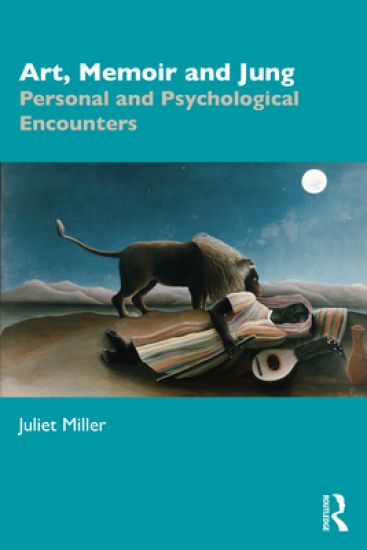
In this intimate study Juliet Miller maps the artworks that have influenced her throughout her life and examines how she has integrated them into her development as a psychotherapist.Working from the premise that our initial reactions to art provide a crucial key to self-analysis, Miller interrogates the significance of different artists, including Bourgeois, Vermeer, Rousseau and Kahlo, and analyses how personal circumstances, recollections and emotions have affected responses to their work. Chapters incorporate clinical material from Miller’s practice, linking into her own anxieties about sitting with and connecting with patients, and touching on themes including creativity, character, identity and communication. Through this exploration she questions many of the conventions of art and psychotherapy and suggests ways in which looking at art can be used as a psychological tool. Art, Memoir and Jung offers a highly personal and innovative perspective on meaning in art and how it can be used to explore Jungian thought as based in the aesthetic, and how the aesthetic can inform depth psychology.
Art, Memoir and Jung

Art, Memoir and Jung

Juliet Miller

Routledge
2020
nidottu
In this intimate study Juliet Miller maps the artworks that have influenced her throughout her life and examines how she has integrated them into her development as a psychotherapist.Working from the premise that our initial reactions to art provide a crucial key to self-analysis, Miller interrogates the significance of different artists, including Bourgeois, Vermeer, Rousseau and Kahlo, and analyses how personal circumstances, recollections and emotions have affected responses to their work. Chapters incorporate clinical material from Miller’s practice, linking into her own anxieties about sitting with and connecting with patients, and touching on themes including creativity, character, identity and communication. Through this exploration she questions many of the conventions of art and psychotherapy and suggests ways in which looking at art can be used as a psychological tool. Art, Memoir and Jung offers a highly personal and innovative perspective on meaning in art and how it can be used to explore Jungian thought as based in the aesthetic, and how the aesthetic can inform depth psychology.
Art and Activism in the Age of Systemic Crisis
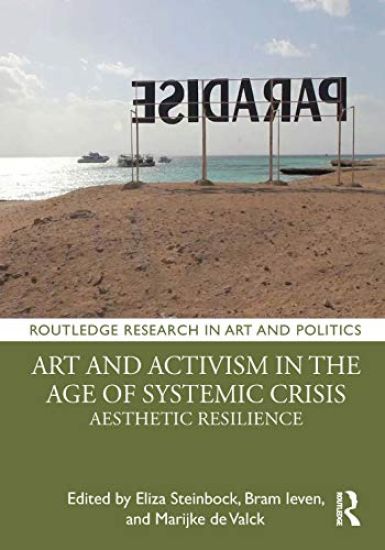
This book examines how renewed forms of artistic activism were developed in the wake of the neoliberal repression since the 1980s. The volume shows the diverse ways in which artists have sought to confront systemic crises around the globe, searching for new and enduring forms of building communities and reimagining the political horizon. The authors engage in a dialogue with these artistic efforts and their histories – in particular the earlier artistic activism that was developed during the civil rights era in the 1960s and 70s – providing valuable historical insight and new conceptual reflection on the future of aesthetic resilience. This book will be of interest to scholars in contemporary art, history of art, film and literary studies, protest movements, and social movements.
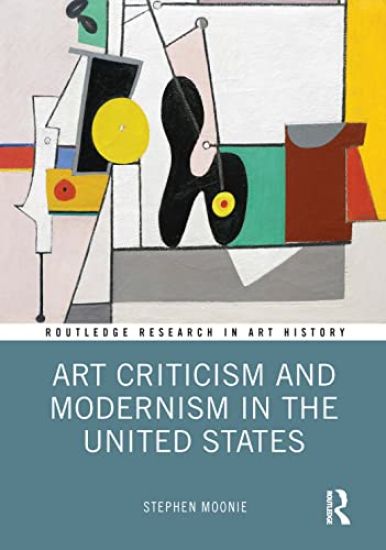
Art Criticism and Modernism in the United States

Art Criticism and Modernism in the United States

Stephen Moonie

TAYLOR FRANCIS LTD
2022
sidottu
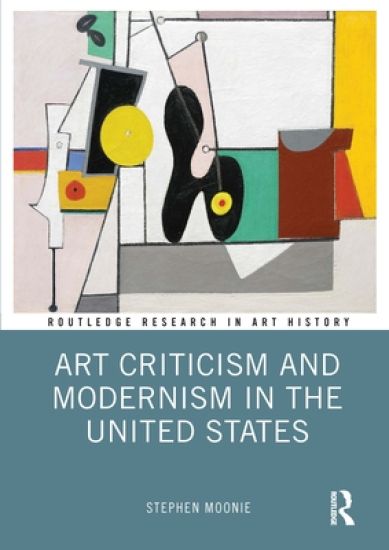
This study is an analysis of 'high' and 'late' modernist criticism in New York during the 1960s and early 1970s. Through a close reading of a selection of key critics of the period—which will expand the remit beyond the canonical texts—the book examines the ways that modernist criticism’s discourse remains of especial disciplinary interest.Despite its alleged narrowness and exclusion, the debates of the 1960s raised fundamental questions concerning the nature of art writing. Those include arguments around the nature of value and judgement; the relationship between art criticism and art history; and the related problem of what we mean by the ‘contemporary.’ Stephen Moonie argues that within those often-fractious debates, there exists a shared discourse. And further, contrary to the current consensus that modernists were elitist, dogmatic, and irrelevant to contemporary debates on art, the study shows that there is much that we can learn from reconsidering their writings.The book will be of interest to scholars working in art history, modern art, art criticism, and literary studies.
Art Criticism and Modernism in the United States

Art Criticism and Modernism in the United States

Stephen Moonie

TAYLOR FRANCIS LTD
2024
nidottu
This study is an analysis of 'high' and 'late' modernist criticism in New York during the 1960s and early 1970s. Through a close reading of a selection of key critics of the period—which will expand the remit beyond the canonical texts—the book examines the ways that modernist criticism’s discourse remains of especial disciplinary interest.Despite its alleged narrowness and exclusion, the debates of the 1960s raised fundamental questions concerning the nature of art writing. Those include arguments around the nature of value and judgement; the relationship between art criticism and art history; and the related problem of what we mean by the ‘contemporary.’ Stephen Moonie argues that within those often-fractious debates, there exists a shared discourse. And further, contrary to the current consensus that modernists were elitist, dogmatic, and irrelevant to contemporary debates on art, the study shows that there is much that we can learn from reconsidering their writings.The book will be of interest to scholars working in art history, modern art, art criticism, and literary studies.
Art as Unlearning

Art as Unlearning

John Baldacchino

Routledge
2020
nidottu
Art as Unlearning makes an argument for art’s unlearning as a manneristpedagogy. Art’s pedagogy facilitates a form of forgetfulness by extending what happens in the practice of the arts in their visual, auditory and performative forms. The concept of learning has become predominantly hijacked by foundational paradigms such as developmental narratives whose positivistic approach has limited the field of education to a narrow practice within the social sciences. This book moves away from these strictures by showing how the arts confirm that unlearning is not contingent on learning, but rather anticipates and avoids it. This book cites the experience and work of artists who, by unlearning the canon, have opened a diversity of possibilities by which we make and live the world. Moving beyond clichés of art’s teachability and what we have to learn through the arts, it advances a scenario where unlearning is uniquely presented to us by the diverse practices that we identify with the arts. The very notion of art as unlearning stems from and represents a fundamental critique of the constructivist pedagogies that have dominated arts education for over half a century. This book will be of great interest to academics, researchers and postgraduate students in the fields of education, philosophy of education, history of education, pedagogy of art and art education. It will also appeal to educators, art educators, and artists interested in the pedagogy of art.
Art in Social Work Practice
This is the first book ever to be published on arts use in social work. Bringing together theoretical connections between arts and social work, and with practice examples of arts in micro and macro social work practice from around the world, the book aims to inspire the reader with new ideas. It provides specific skills, defines what is social rather than fine or projective art use, and explains the theoretical connection between art and social work. It has chapters from all over the world, showing how arts are adjusted to different cultural contexts.Section I explores the theoretical connections between art and social work, including theories of resilience, empowerment, inclusion and creativity as they relate to art use in social work. Section II describes specific interventions with different populations. Each chapter also summarizes the skills and hands-on knowledge needed for social workers to use the practical elements of using arts for social workers not trained in these fields. The third section does the same for arts use in community work and as social change and policy. Using Art in Social Work Practice provides theoretical but also hands-on knowledge about using arts in social work. It extends the fields of both social work and arts therapy and serves as a key resource for students, academics and practitioners interested in gaining the theoretical understanding and specific skills for using social arts in social work, and for arts therapists interested in using social theories.
Art and Mysticism
From the visual and textual art of Anglo-Saxon England onwards, images held a surprising power in the Western Christian tradition. Not only did these artistic representations provide images through which to find God, they also held mystical potential, and likewise mystical writing, from the early medieval period onwards, is also filled with images of God that likewise refracts and reflects His glory. This collection of essays introduces the currents of thought and practice that underpin this artistic engagement with Western Christian mysticism, and explores the continued link between art and theology.The book features contributions from an international panel of leading academics, and is divided into four sections. The first section offers theoretical and philosophical considerations of mystical aesthetics and the interplay between mysticism and art. The final three sections investigate this interplay between the arts and mysticism from three key vantage points. The purpose of the volume is to explore this rarely considered yet crucial interface between art and mysticism. It is therefore an important and illuminating collection of scholarship that will appeal to scholars of theology and Christian mysticism as much as those who study literature, the arts and art history.
Art and Cultural Production in the Gulf Cooperation Council
State-driven investments in art and cultural production in the states of the Gulf Cooperation Council (GCC) are an important part of the search for longer-term alternatives to the longer-term unsustainability of the hydrocarbon-based economic development model. They also are an element in the search for soft power and status, and intersect with the nation-building project. The long-term planned––and unplanned––effects of such cultural initiatives include a necessary opening up to a future of unexpected and often undesired cultural encounters, whether in the classroom, the art gallery, the sports stadium, or the labor office. As states driven by a desire to raise both their regional and international status, but needing to satisfy their domestic conservative constituencies, their greatest test will be their judicious negotiating of the conflicting sociocultural elements of an increasingly globalized world. This volume offers a comprehensive multi-disciplinary analysis of this complex arena and the state of art and cultural production in these Gulf societies, through original studies on identity formation and an emerging museology; the aesthetics of censorship; the question of authenticity; cultural projects as state-driven soft power efforts; the phenomenon of public art; and artistic engagements with migrant labor communities.The chapters originally published as a special issue in the Journal of Arabian Studies.
Art Psychotherapy Groups in The Hostile Environment of Neoliberalism
This book explores how ‘the hostile environment’ of neoliberalism affects art therapy in Britain. It shows how ambiguity in art and in psychoanalytically understood relationships can enable art psychotherapy groups to engage with class dynamics and aspire to democracy. The book argues that art therapy needs to become a political practice if it is to resist collusion with a system that marginalises collectivity and holds individuals responsible for both their suffering and their recovery. It provides accounts of the contradictions that are thrown up by neoliberalism in art therapists’ workplaces as well as accounts of art therapy groups with those affected by the fire at Grenfell Tower, in an acute ward, a women’s prison, a community art studio and in a refugee camp.Written by art psychotherapists for arts therapists and other mental health workers, the book will bring political awareness and consideration of resistance into all art therapy relationships, whatever the context and client group.