Louise Erdrich positions herself as a contemporary tribal storyteller with her interlocking tales of her Chippewa people and her German-American ancestors. From the tribe's struggle to survive (Tracks), to the Depression (The Beet Queen), to the mid-twentieth century (Love Medicine), to contemporary times (The Bingo Palace, Tales of Burning Love, and The Antelope Wise), Erdrich sympathetically, compassionately, and realistically renders a portrait of people striving to survive governmental bureaucracy, Catholic Church intrusion, and climatic severity.
This book offers an extensive introduction to the philosophical work of Catharine Macaulay, as expressed in her Letters on Education (1790). It traces the theme of gender and education comparing Macaulay's ideas to those of her contemporaries, Jean-Jacques Rousseau, Hester Chapone, and Stephanie de Genlis. In the process, it presents a clear picture of the eighteenth-century quarrel that debates the interassociation among gender, education, and intellectual attainment. This book intends to initiate an informed conversation with contemporary readers about Macaulay's work on education within its own historical context so that fair assessments of her work can be made. It also argues that any complete history of the philosophy of education must include Macaulay's work.
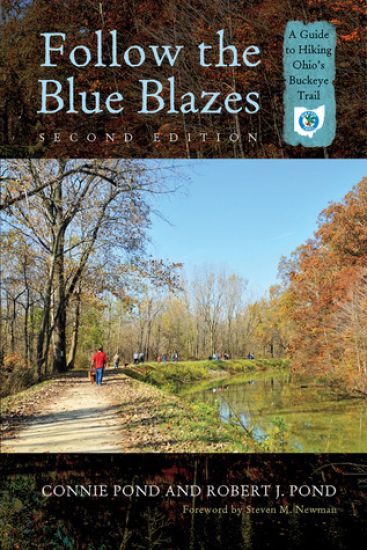
Many changes have taken place in the decade since Follow the Blue Blazes was first published, changes in the trails themselves and in the way we hike them. The Buckeye Trail still wends its way around the state of Ohio, following the course marked out by the characteristic blue blazes on trees and signposts along the way. In the intervening years, however, sections of the trail have changed their route, added amenities, or just grown more interesting. From the startling rock formations and graceful waterfalls of Old Man’s Cave, to Native American mounds, battlefields, and scenic rivers, Connie and Robert J. Pond provide a captivating guide to often-overlooked treasures around the state. Each chapter features an overview of a 100-mile section of the trail and three self-guided featured hikes. The overviews and the accompanying maps may be read consecutively to acquaint the reader with the entire course of the trail. But most readers will best enjoy the trail by taking the guide along on one of the featured hikes. Each route is outlined on an easy-to-read map with GPS coordinates and waypoints to guide the hiker, as well as explicit directions from parking lot to trailhead. The Buckeye Trail is readily accessible from Cincinnati, Dayton, Toledo, Cleveland, and Akron. Even a short trip can lead to an adventure near your own backyard.
Set against a fantastic backdrop of religious imagery, myth and dreams, science fiction, and the stark realities of a northern factory town, Voisine's poems carefully detail the life of a common hero and his family.
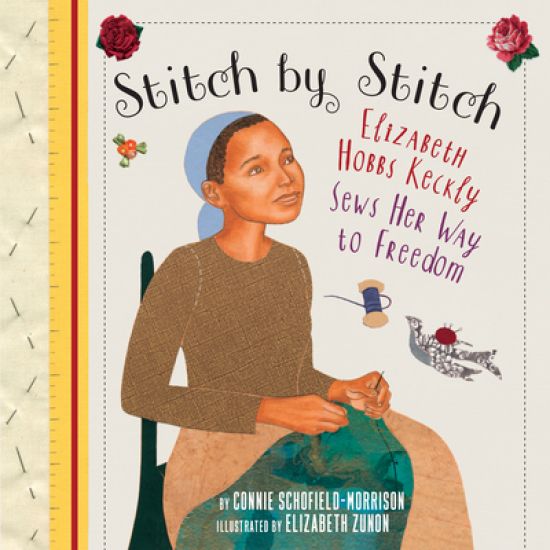
An awe-inspiring African American woman A talented seamstress, born a slave, bought freedom for herself and her son. Elizabeth Hobbs Keckley was born in 1818, enslaved to a Virginian plantation owner. As a teenager, Lizzie was sent to work as the only slave on a small plantation, where the work was endless, and the masters treated her with unspeakable cruelty. A new master, learning Lizzie could sew, sent her to work for a tailor, who paid the master, not Lizzie, for Lizzie's work. The beautiful gowns that Lizzie created were displayed in the tailor's window and soon attracted the attention of the wealthiest women in Virginia. Among them was Mrs. Jefferson Davis who also introduced Lizzy to Mary Todd Lincoln. Though Lizzie first had to borrow money from her wealthy patrons to buy her freedom, once she was free, she was able to earn money of her own and pay them all back. Connie Morrison writes with straightforward honesty and clarity. This inspiring story about an unsung hero is beautifully illustrated with digital collage by Elizabeth Zunon. A Junior Library Guild Gold Standard Selection
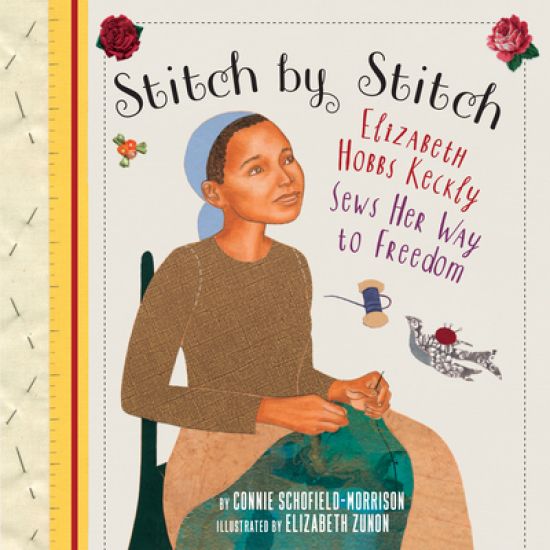
An awe-inspiring African American woman A talented seamstress, born a slave, bought freedom for herself and her son. This picture book biography weaves together historical details, vibrant collages, and the words of her own journals to bring to light the life and beautiful work Elizabeth Hobbs Keckley, the seamstress who bought herself and son out of slavery. Lizzy's story of hardship and resilience offers an untold side of history during a time of great injustice and change. Born enslaved in 1818 on a Virginian plantation, Lizzy experienced and witnessed unspeakable cruelty. When she was sent to workfor a tailor, her wages went to her master, not Lizzy. However, the beautiful gowns that Lizzy created attracted the attention of the wealthiest women in Virginia, even Mrs. Jefferson Davis. With money from her patrons, Lizzy bought her freedom and her son's freedom working tirelessly stitch by stitch, going on to design gowns for the First Lady Mary Todd Lincoln and grow an influentialcareer. This inspiring story about an unsung hero is beautifully illustrated with oil paint, cut paper and fabric collage and hand-embroidery by Elizabeth Zunon that brings Lizzy's dresses to life. Connie Morrison writes with straightforward honesty and clarity, seamlesslyincluding research on fashion, life, and politics of the time. The backmatter includes a bibliography for further reading.
This is a very practical and easy to read book that could be very useful for nurses starting out in their careers. As the foreword states, it could be a resource for formal mentoring programs, residency programs, and nursing educational programs. The information and advice in this book may also keep new nurses from leaving the field if they are able to develop successful mentoring relationships. It is a bargain at $25.00."--Choice For those looking for a mentor, this book provides invaluable advice on what attracts mentors and makes them believe in you and be willing to support your development...This book is an excellent resource for mentors and protvàgvàs."--Nurse Educator Dr. Vance's pioneering work on mentorship has provided us with the language, understanding, and strategies for building these essential professional support relationships. This book extends her work in practical and useful ways that will help us build the new generation of excellent clinical experts, advocates, and nurse leaders." From the Foreword by Diana J. Mason, PhD, RN, FAAN Editor-in-Chief Emeritus, The American Journal of Nursing This newest addition to the Fast Facts series provides insight for protvàgvàs and mentors on using mentoring to build new generations of successful nurses. It covers a quick history of why mentoring is important, how a protvàgvà can identify and mentor, and how to develop and maintain a healthy mentor-protvàgvà relationship. It also contains the necessary tools to help novice nurses benefit from mentor support through difficult and sometimes frightening and confusing times. Written by Connie Vance, an innovator in nursing mentorship research, this book presents new nurses with tools to identify the perfect "mentor match" and cultivate the mentor relationship in ways that result in valuable career-building insight. It includes guidelines to ensure a truly valuable and influential mentor relationship, contributing to career success in nursing. Key Features: Contains guidelines for creating a personal mentor action plan, complete with a chart for use in mentoring practice Provides 10 tips on raising mentor intelligence and how to use it as a source for career success Highlights resources for networking and collective mentoring to assist in career development
The end of the twentieth century saw the easing of East-West tension but not the end of violent conflict_especially within states. There has been growing consensus that the international community needs to find more effective ways of preventing such internal conflicts. This book argues that the most sustainable means of promoting peace within states is the development of good governance, which can address the root causes of conflict and meet basic human security needs. Good governance offers groups a 'voice' in resolving grievances at an early stage before they grow into major problems, safeguards human rights, and promotes a fairer distribution of resources. The author suggests that the focus of good international and regional governance should be the promotion of more effective national and local governance, and she outlines the efforts of the United Nations, regional organizations_such as the Organization for Security and Cooperation in Europe, the Organization of African Unity, and the Organization of American States_and NGOs, such as the Carter Center. The most successful approaches of these organizations could be applied through proposed Regional Centers for Sustainable Peace.
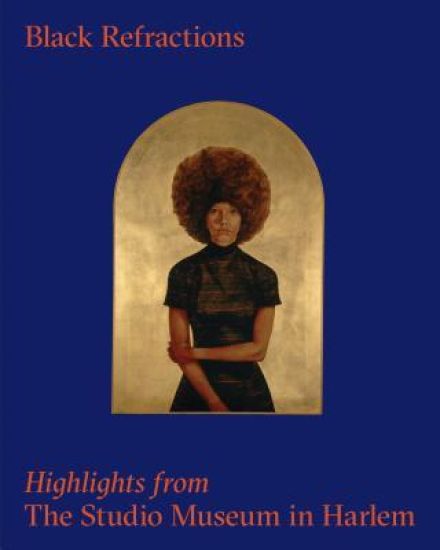
The artists featured in Black Refractions, including Kerry James Marshall, Faith Ringgold, Nari Ward, Norman Lewis, Wangechi Mutu, and Lorna Simpson, are drawn from the renowned collection of the Studio Museum in Harlem. Through exhibitions, public programs, artist-in-residencies, and bold acquisitions, this pioneering institution has served as a nexus for artists of African descent locally, nationally, and internationally since its founding in 1968. Rather than aim to construct a single history of black art, Black Refractions emphasizes a plurality of narratives and approaches, traced through 125 works in all media from the 1930s to the present. An essay by Connie Choi and entries by Eliza A. Butler, Akili Tommasino, Taylor Aldridge, Larry Ossei Mensah, Daniela Fifi , and other luminaries contextualize the works and provide detailed commentary. A dialogue between Thelma Golden, Connie Choi, and Kellie Jones draws out themes and challenges in collecting and exhibiting modern and contemporary art by artists of African descent. More than a document of a particular institution s trailblazing path, or catalytic role in the development of American appreciation for art of the African diaspora, this volume is a compendium of a vital art tradition.
A popular book in its first edition, The Food Chemistry Laboratory: A Manual for Experimental Foods, Dietetics, and Food Scientists, Second Edition continues to provide students with practical knowledge of the fundamentals of designing, executing, and reporting the results of a research project. Presenting experiments that can be completed, in many cases, without requiring extensive student laboratory facilities, the authors include new exercises in the areas of physical properties, lipids, proteins, and gelatin. Also new in this edition are a brief introduction to each laboratory exercise and a listing of materials needed, approximate time needed for completion, and possible complications and/or pitfalls. Tested and refined for over 20 years, and performed by thousands of students, experiments are presented within 12 planned laboratory sessions. This flexible format allows you to create your own laboratory sessions by choosing the number and order of sessions and experiments to be performed. In addition to the well-tested experiments, The Food Chemistry Laboratory, Second Edition provides students with information on accessing food chemistry literature, research proposal preparation, preparing oral and written technical reports, and an evaluation score sheet. Guidelines for preparing laboratory notebooks are also included and a handy appendix allows rapid access to directions for setting up a difference testing experiment.
Sor María de Santa Isabel, writing under the pseudonym Marcia Belisarda, was one of the most prolific female poets of seventeenth-century Spain. The body of her known work is preserved in one manuscript in the Biblioteca Nacional Española (Madrid), ms. 7469, prepared for publication but never published. Belisarda has received some critical attention; she is represented in a number of anthologies of women’s writings from Iberia, and a recent edition of her poems appeared in Spanish (2015). The present edition provides students and researchers with the first transcription of ms. 7469 together with an English translation for those interested in women’s writing from the early Modern Period but who are not trained as Hispanists.
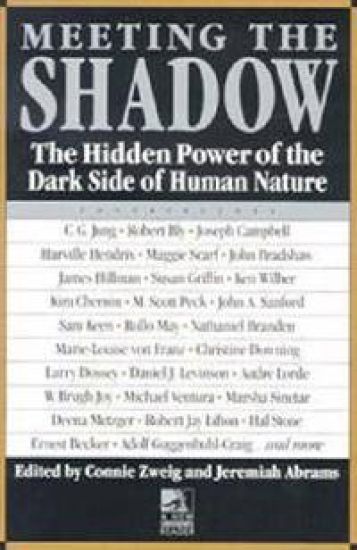
The author offers exploration of self and practical guidance dealing with the dark side of personality based on Jung's concept of "shadow," or the forbidden and unacceptable feelings and behaviors each of us experience.
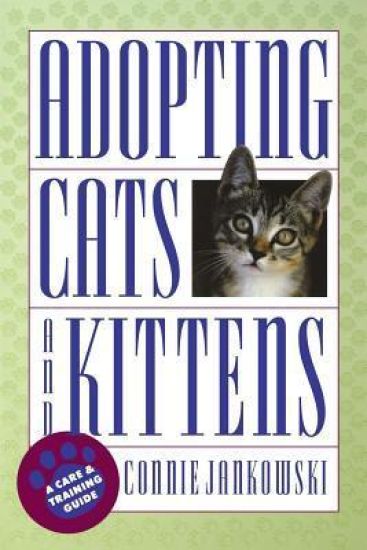
That there is a tremendous overpopulation of cats in the United States is both common knowledge and a matter of grave concern. For many who would acquire a new pet, adoption is viewed as the most responsible means of finding the right cat. However, it is important to understand that if you decide to open your home to a stray or adopt from a shelter, an extra measure of patience, love and understanding is essential.Adopting Cats and Kittens: A Care and Training Guide reflects the special circumstances that surround the "recycled" cat and helps the new owner provide the cat with the secure, nurturing environment every pet deserves. This book offers sensible guidance on what your new cat needs to be happy and healthy and what to do to keep from contributing to the pet population explosion. Adopting Cats and Kittens is a book with a mission and a message of hope and concern for all who love cats and seek an end to their cruel treatment and abuse.
In the winter of 1856, a storm delays the lighthouse keeper's return to an island off the coast of Maine, and his daughter Abbie must keep the lights burning by herself. Full-color illustrations.
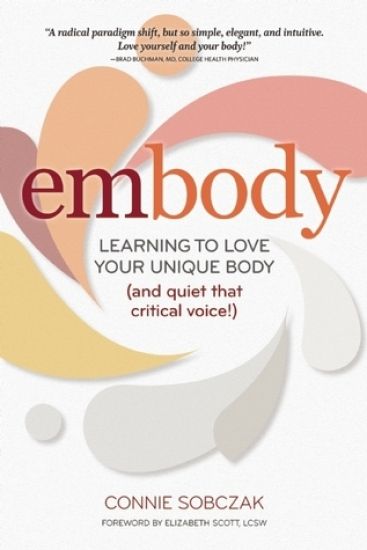
This book’s message is rooted in the belief that people inherently possess the wisdom necessary to make healthy choices and live in balance. It emphasizes that self-love, acceptance of genetic diversity in body size, celebration of the unique beauty of every individual, and intuitive self-care are fundamental to achieving good physical and emotional health.Embody guides readers step by step through five core competencies:– Reclaim Health– Practice Intuitive Self-Care– Cultivate Self-Love– Declare Your Own Authentic Beauty– Build CommunityAnyone can practice these fundamental skills on a daily basis to honor their innate wisdom and take good care of their whole selves, and research indicates that this work significantly improves people’s ability to regulate eating, decreases depression and anxiety, and increases self-esteem.Rather than receiving a prescriptive set of rules to follow, readers are guided through patient, mindful inquiry to find what works uniquely in their own lives to bring about ? and sustain ? positive self-care changes and a peaceful relationship with their bodies.
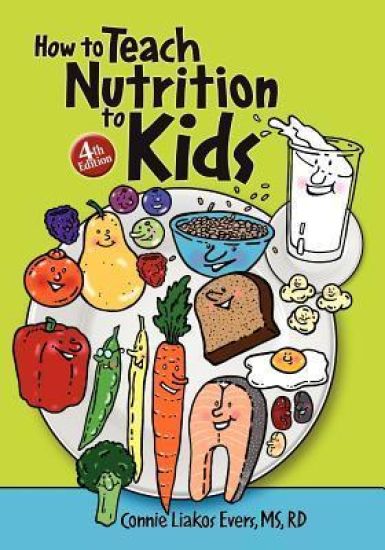
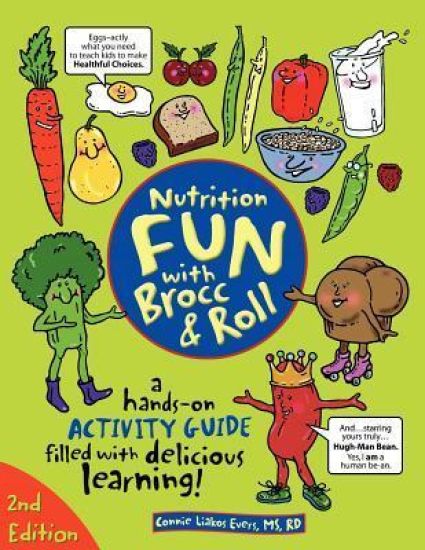
Teaching nutrition to children early and often is the key to developing healthy eating habits. The fourth edition of How to Teach Nutrition to Kids includes over 200 cross-curricular activities featuring the MyPlate food guide, children's books, gardening, recipes, food art, label reading, fitness and more. Fun, integrated, and behavior-focused, How to Teach Nutrition to Kids weaves nutrition education with math, science, language arts, social studies, performing arts, physical education, health education and the school cafeteria.Packed with ideas that empower children to evaluate nutrition information, make smart food choices and creatively prepare food, this book is used in schools, hospitals, scouting programs, 4-H, summer camps, and many other youth-focused initiatives.