
Kirjahaku
Etsi kirjoja tekijän nimen, kirjan nimen tai ISBN:n perusteella.
1000 tulosta hakusanalla Harriet Pyne Grove
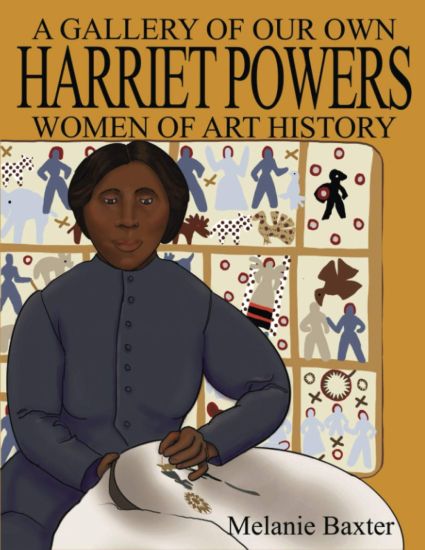
A Gallery of Our Own: Women of Art History seeks to balance art history and art appreciation by teaching the artistic contributions of women. This series will teach about the artists, the art movements they were a part of, the history during the time period in which they lived, and the forms of art they created. It also includes hands-on projects using a variety of mediums and techniques, observation activities and a journal to keep track of what you learn.Learn through: Digestible texts interspersed with colorful illustrations and video linksObserving and interacting with artworkHands on art projects offered at a variety of levelsNotebooking pages to organize, reinforce, and review their new knowledgeSuggested resources for deeper explorationIn this volume, learn about: Harriet Power's life, art career, and the world events that surrounded her lifeQuiltingStorytellingArt vocabulary
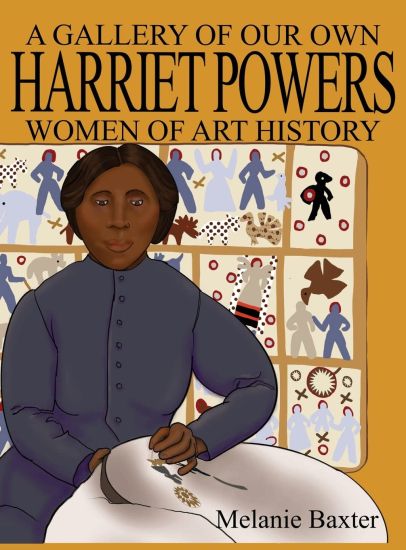
A Gallery of Our Own: Women of Art History seeks to balance art history and art appreciation by teaching the artistic contributions of women. This series will teach about the artists, the art movements they were a part of, the history during the time period in which they lived, and the forms of art they created. It also includes hands-on projects using a variety of mediums and techniques, observation activities and a journal to keep track of what you learn. Learn through: Digestible texts interspersed with colorful illustrations and video linksObserving and interacting with artworkHands on art projects offered at a variety of levelsNotebooking pages to organize, reinforce, and review their new knowledgeSuggested resources for deeper explorationIn this volume, learn about: Harriet Power's life, art career, and the world events that surrounded her lifeQuiltingStorytellingArt vocabulary
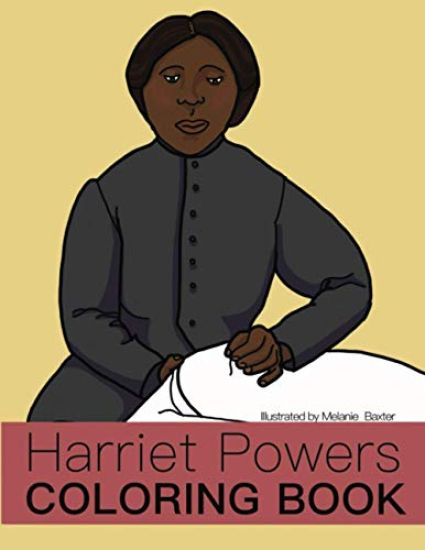
Harriet Powers Coloring Book
Silver Paw Publishing
2020
pokkari
The Harriet Powers Coloring Book has 27 illustrations of Harriet and her work. Harriet Powers was a black quilter in the late 19th Century. Born enslaved, she was freed after the Civil War and went on to create two of the most important quilts in art history. A great companion to A Gallery of Our Own: Women of Art History.

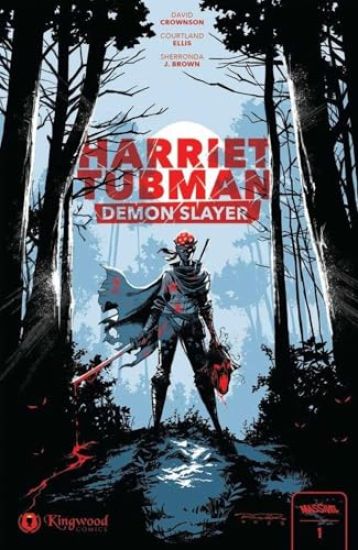
Django Unchained meets Buffy The Vampire Slayer in Harriet Tubman: Demon Slayer, a supernatural comic series based on the true life of the freedom fighter herself that is flavored with genre liberties in the spirit of Abraham Lincoln: Vampire Hunter. When slave owners can't stop the formidable warrior Harriet Tubman, they call on the help of Vampires, Werewolves, Witches, and Demons to stop her. Harriet Tubman must lead a family of slaves to freedom while battling an army of darkness.
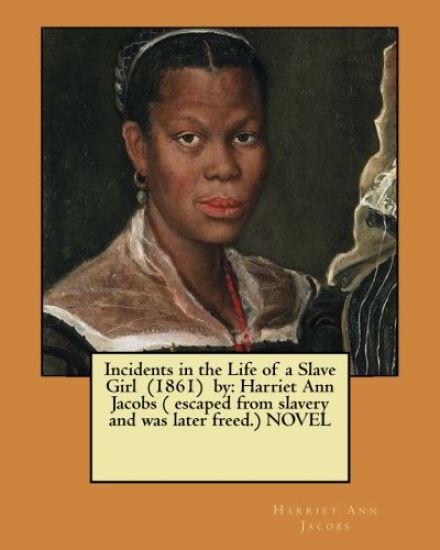
Incidents in the Life of a Slave Girl (1861) by: Harriet Ann Jacobs ( escaped from slavery and was later freed.) NOVEL
Harriet Ann Jacobs
Createspace Independent Publishing Platform
2017
nidottu
Harriet Heads for Hollywood: Living a life of service while in pursuit of your goals.
Karen S. Meyer
Createspace Independent Publishing Platform
2017
nidottu
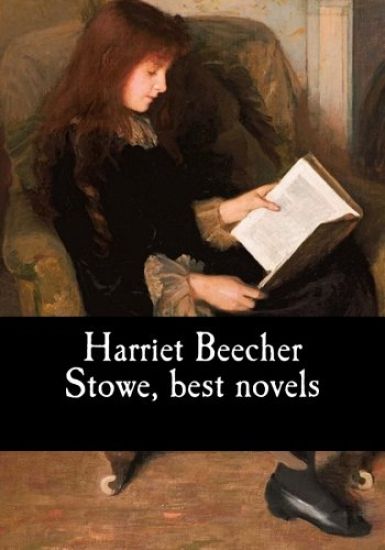
Harriet Beecher Stowe, best novels
Harriet Beecher Stowe
Createspace Independent Publishing Platform
2017
nidottu
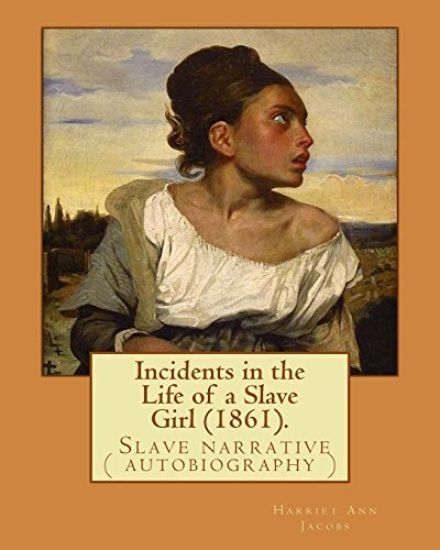
Incidents in the Life of a Slave Girl (1861). By: Harriet Ann Jacobs: Jacobs wrote an autobiographical novel, Incidents in the Life of a Slave Girl, f
Harriet Ann Jacobs
Createspace Independent Publishing Platform
2017
nidottu
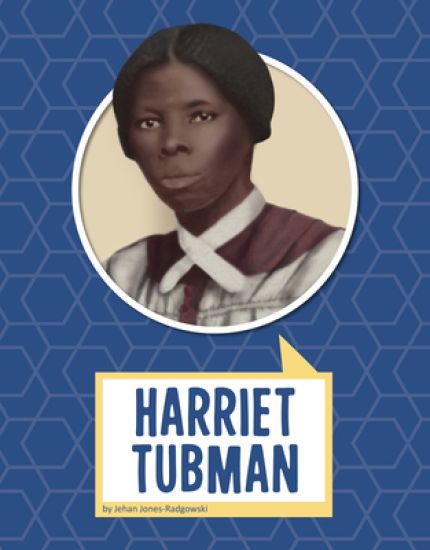
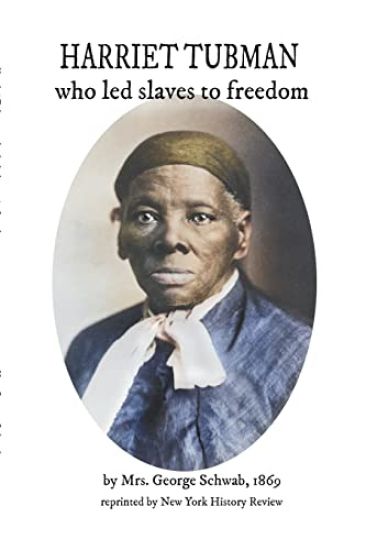
How much do you know about Harriet Tubman? Find out the facts you need to know about this conductor on the Underground Railroad. You'll learn about the early life, challenges, and major accomplishments of this important American.
How much do you know about Harriet Tubman? Find out the facts you need to know about this conductor on the Underground Railroad. You'll learn about the early life, challenges, and major accomplishments of this important American.
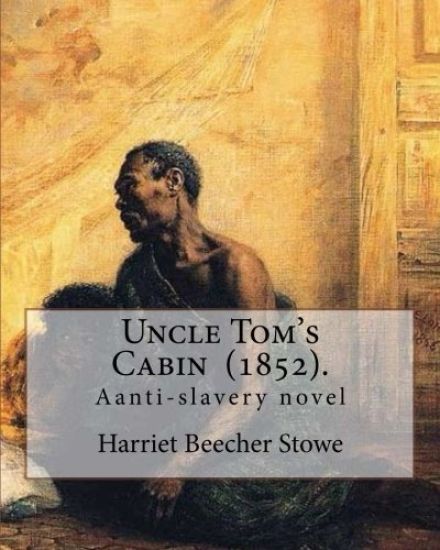
Uncle Tom's Cabin (1852). By: Harriet Beecher Stowe: Uncle Tom's Cabin; or, Life Among the Lowly, is an anti-slavery novel by American author Harrie
Harriet Beecher Stowe
Createspace Independent Publishing Platform
2017
nidottu
Uncle Tom's Cabin; or, Life Among the Lowly, is an anti-slavery novel by American author Harriet Beecher Stowe. Published in 1852, the novel "helped lay the groundwork for the Civil War", according to Will Kaufman. Stowe, a Connecticut-born teacher at the Hartford Female Seminary and an active abolitionist, featured the character of Uncle Tom, a long-suffering black slave around whom the stories of other characters revolve. The sentimental novel depicts the reality of slavery while also asserting that Christian love can overcome something as destructive as enslavement of fellow human beings. Uncle Tom's Cabin was the best-selling novel of the 19th century and the second best-selling book of that century, following the Bible.It is credited with helping fuel the abolitionist cause in the 1850s. In the first year after it was published, 300,000 copies of the book were sold in the United States; one million copies in Great Britain. In 1855, three years after it was published, it was called "the most popular novel of our day." The impact attributed to the book is great, reinforced by a story that when Abraham Lincoln met Stowe at the start of the Civil War, Lincoln declared, "So this is the little lady who started this great war."The quote is apocryphal; it did not appear in print until 1896, and it has been argued that "The long-term durability of Lincoln's greeting as an anecdote in literary studies and Stowe scholarship can perhaps be explained in part by the desire among many contemporary intellectuals ... to affirm the role of literature as an agent of social change." The book and the plays it inspired helped popularize a number of stereotypes about black people.These include the affectionate, dark-skinned "mammy"; the "pickaninny" stereotype of black children; and the "Uncle Tom", or dutiful, long-suffering servant faithful to his white master or mistress. In recent years, the negative associations with Uncle Tom's Cabin have, to an extent, overshadowed the historical impact of the book as a "vital antislavery tool." The book opens with a Kentucky farmer named Arthur Shelby facing the loss of his farm because of debts. Even though he and his wife Emily Shelby believe that they have a benevolent relationship with their slaves, Shelby decides to raise the needed funds by selling two of them-Uncle Tom, a middle-aged man with a wife and children, and Harry, the son of Emily Shelby's maid Eliza-to a slave trader. Emily Shelby is averse to this idea because she had promised her maid that her child would never be sold; Emily's son, George Shelby, hates to see Tom go because he sees the man as his friend and mentor. When Eliza overhears Mr. and Mrs. Shelby discussing plans to sell Tom and Harry, Eliza determines to run away with her son. The novel states that Eliza made this decision because she fears losing her only surviving child (she had already miscarried two children). Eliza departs that night, leaving a note of apology to her mistress. Tom is sold and placed on a riverboat which sets sail down the Mississippi River. While on board, Tom meets and befriends a young white girl named Eva. Eva's father Augustine St. Clare buys Tom from the slave trader and takes him with the family to their home in New Orleans. Tom and Eva begin to relate to one another because of the deep Christian faith they both share.... Harriet Elisabeth Beecher Stowe ( June 14, 1811 - July 1, 1896) was an American abolitionist and author. She came from the Beecher family, a famous religious family, and is best known for her novel Uncle Tom's Cabin (1852), which depicts the harsh conditions for enslaved African Americans. The book reached millions as a novel and play, and became influential in the United States and Great Britain, energizing anti-slavery forces in the American North, while provoking widespread anger in the South........
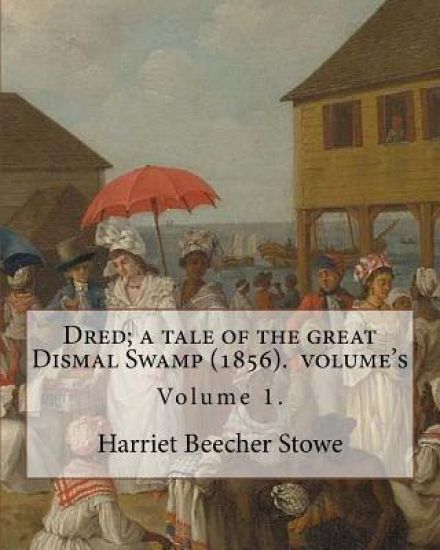
Dred; a tale of the great Dismal Swamp (1856). By: Harriet Beecher Stowe ( Volume 1 ). in two volume's: Novel (Original Classics)
Harriet Beecher Stowe
Createspace Independent Publishing Platform
2017
nidottu
Dred: A Tale of the Great Dismal Swamp is the second popular novel from American author Harriet Beecher Stowe. It was first published in two volumes by Phillips, Sampson and Company in 1856. Although it enjoyed better initial sales than her previous, and more famous, novel Uncle Tom's Cabin, it was ultimately less popular. Dred was of a more documentary nature than Uncle Tom's Cabin and thus lacked a character like Uncle Tom to evoke strong emotion from readers. Plot summary: Dred is the story of Nina Gordon, an impetuous young heiress to a large southern plantation, whose land is rapidly becoming worthless. It is run competently by one of Nina's slaves, Harry, who endures a murderous rivalry with Nina's brother Tom Gordon, a drunken, cruel slaveowner. Nina is a flighty young girl, and maintains several suitors, before finally settling down with a man named Clayton. Clayton is socially and religiously liberal, and very idealistic, and has a down-to-earth perpetual-virgin sister, Anne. In addition to Harry (who, as well as being the administrator of Nina's estate, is secretly also her and Tom's half-brother), the slave characters include the devoutly Christian Milly (actually the property of Nina's Aunt Nesbit), and Tomtit, a joker-type character. There is also a family of poor whites, who have but a single, devoted slave, Old Tiff. Dred, the titular character, is one of the Great Dismal Swamp maroons, escaped slaves living in the Great Dismal Swamp, preaching angry and violent retribution for the evils of slavery and rescuing escapees from the dog of the slavecatchers......... Harriet Elisabeth Beecher Stowe ( June 14, 1811 - July 1, 1896) was an American abolitionist and author. She came from the Beecher family, a famous religious family, and is best known for her novel Uncle Tom's Cabin (1852), which depicts the harsh conditions for enslaved African Americans. The book reached millions as a novel and play, and became influential in the United States and Great Britain, energizing anti-slavery forces in the American North, while provoking widespread anger in the South. Stowe wrote 30 books, including novels, three travel memoirs, and collections of articles and letters. She was influential for both her writings and her public stances on social issues of the day. Life and work: Harriet Elisabeth Beecher was born in Litchfield, Connecticut, on June 14, 1811. She was the seventh of 13 children born to outspoken Calvinist preacher Lyman Beecher and Roxana (Foote), a deeply religious woman who died when Stowe was only five years old. Roxana's maternal grandfather was General Andrew Ward of the Revolutionary War. Her notable siblings included a sister, Catharine Beecher, who became an educator and author, as well as brothers who became ministers: including Henry Ward Beecher, who became a famous preacher and abolitionist, Charles Beecher, and Edward Beecher. Harriet enrolled in the Hartford Female Seminary run by her older sister Catharine, where she received a traditional academic education usually reserved for males at the time with a focus in the classics, including studies of languages and mathematics. Among her classmates was Sarah P. Willis, who later wrote under the pseudonym Fanny Fern. In 1832, at the age of 21, Harriet Beecher moved to Cincinnati, Ohio to join her father, who had become the president of Lane Theological Seminary. There, she also joined the Semi-Colon Club, a literary salon and social club whose members included the Beecher sisters, Caroline Lee Hentz, Salmon P. Chase (future governor of the state and Secretary of Treasury under President Lincoln), Emily Blackwell and others. Cincinnati's trade and shipping business on the Ohio River was booming, drawing numerous migrants from different parts of the country, including many free blacks, as well as Irish immigrants who worked on the state's canals and railroads....
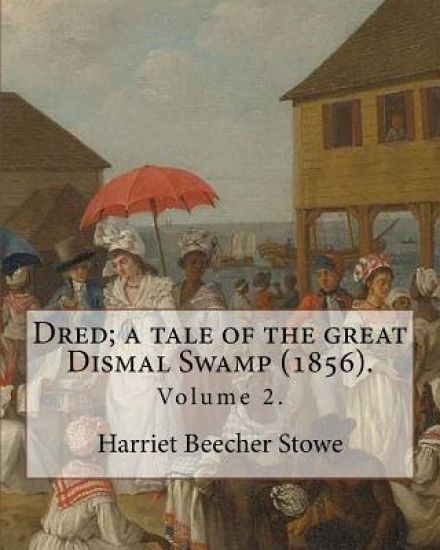
Dred; A Tale of the Great Dismal Swamp (1856). by: Harriet Beecher Stowe ( Volume 2 ). in Two Volume's: Novel (Original Classics)
Harriet Beecher Stowe
Createspace Independent Publishing Platform
2017
nidottu
Dred: A Tale of the Great Dismal Swamp is the second popular novel from American author Harriet Beecher Stowe. It was first published in two volumes by Phillips, Sampson and Company in 1856. Although it enjoyed better initial sales than her previous, and more famous, novel Uncle Tom's Cabin, it was ultimately less popular. Dred was of a more documentary nature than Uncle Tom's Cabin and thus lacked a character like Uncle Tom to evoke strong emotion from readers. Plot summary: Dred is the story of Nina Gordon, an impetuous young heiress to a large southern plantation, whose land is rapidly becoming worthless. It is run competently by one of Nina's slaves, Harry, who endures a murderous rivalry with Nina's brother Tom Gordon, a drunken, cruel slaveowner. Nina is a flighty young girl, and maintains several suitors, before finally settling down with a man named Clayton. Clayton is socially and religiously liberal, and very idealistic, and has a down-to-earth perpetual-virgin sister, Anne. In addition to Harry (who, as well as being the administrator of Nina's estate, is secretly also her and Tom's half-brother), the slave characters include the devoutly Christian Milly (actually the property of Nina's Aunt Nesbit), and Tomtit, a joker-type character. There is also a family of poor whites, who have but a single, devoted slave, Old Tiff. Dred, the titular character, is one of the Great Dismal Swamp maroons, escaped slaves living in the Great Dismal Swamp, preaching angry and violent retribution for the evils of slavery and rescuing escapees from the dog of the slavecatchers............ Harriet Elisabeth Beecher Stowe ( June 14, 1811 - July 1, 1896) was an American abolitionist and author. She came from the Beecher family, a famous religious family, and is best known for her novel Uncle Tom's Cabin (1852), which depicts the harsh conditions for enslaved African Americans. The book reached millions as a novel and play, and became influential in the United States and Great Britain, energizing anti-slavery forces in the American North, while provoking widespread anger in the South. Stowe wrote 30 books, including novels, three travel memoirs, and collections of articles and letters. She was influential for both her writings and her public stances on social issues of the day. Life and work: Harriet Elisabeth Beecher was born in Litchfield, Connecticut, on June 14, 1811. She was the seventh of 13 children born to outspoken Calvinist preacher Lyman Beecher and Roxana (Foote), a deeply religious woman who died when Stowe was only five years old. Roxana's maternal grandfather was General Andrew Ward of the Revolutionary War. Her notable siblings included a sister, Catharine Beecher, who became an educator and author, as well as brothers who became ministers: including Henry Ward Beecher, who became a famous preacher and abolitionist, Charles Beecher, and Edward Beecher. Harriet enrolled in the Hartford Female Seminary run by her older sister Catharine, where she received a traditional academic education usually reserved for males at the time with a focus in the classics, including studies of languages and mathematics. Among her classmates was Sarah P. Willis, who later wrote under the pseudonym Fanny Fern. In 1832, at the age of 21, Harriet Beecher moved to Cincinnati, Ohio to join her father, who had become the president of Lane Theological Seminary. There, she also joined the Semi-Colon Club, a literary salon and social club whose members included the Beecher sisters, Caroline Lee Hentz, Salmon P. Chase (future governor of the state and Secretary of Treasury under President Lincoln), Emily Blackwell and others. Cincinnati's trade and shipping business on the Ohio River was booming, drawing numerous migrants from different parts of the country, including many free blacks, as well as Irish immigrants who worked on the state's canals and railroads.....
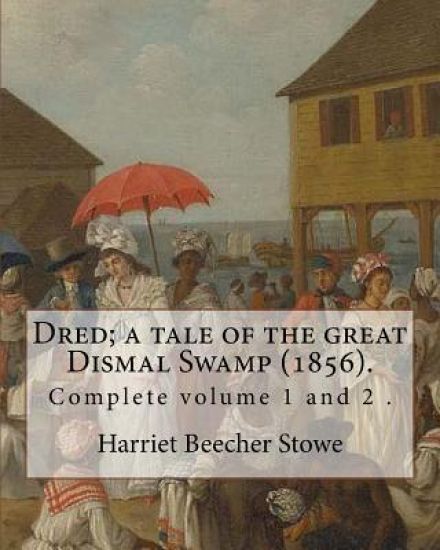
Dred; a tale of the great Dismal Swamp (1856). By: Harriet Beecher Stowe ( Complete volume 1 and 2 ).: Novel (Original Classics)
Harriet Beecher Stowe
Createspace Independent Publishing Platform
2017
nidottu
Dred: A Tale of the Great Dismal Swamp is the second popular novel from American author Harriet Beecher Stowe. It was first published in two volumes by Phillips, Sampson and Company in 1856. Although it enjoyed better initial sales than her previous, and more famous, novel Uncle Tom's Cabin, it was ultimately less popular. Dred was of a more documentary nature than Uncle Tom's Cabin and thus lacked a character like Uncle Tom to evoke strong emotion from readers. Plot summary: Dred is the story of Nina Gordon, an impetuous young heiress to a large southern plantation, whose land is rapidly becoming worthless. It is run competently by one of Nina's slaves, Harry, who endures a murderous rivalry with Nina's brother Tom Gordon, a drunken, cruel slaveowner. Nina is a flighty young girl, and maintains several suitors, before finally settling down with a man named Clayton. Clayton is socially and religiously liberal, and very idealistic, and has a down-to-earth perpetual-virgin sister, Anne. In addition to Harry (who, as well as being the administrator of Nina's estate, is secretly also her and Tom's half-brother), the slave characters include the devoutly Christian Milly (actually the property of Nina's Aunt Nesbit), and Tomtit, a joker-type character. There is also a family of poor whites, who have but a single, devoted slave, Old Tiff. Dred, the titular character, is one of the Great Dismal Swamp maroons, escaped slaves living in the Great Dismal Swamp, preaching angry and violent retribution for the evils of slavery and rescuing escapees from the dog of the slavecatchers........... Harriet Elisabeth Beecher Stowe ( June 14, 1811 - July 1, 1896) was an American abolitionist and author. She came from the Beecher family, a famous religious family, and is best known for her novel Uncle Tom's Cabin (1852), which depicts the harsh conditions for enslaved African Americans. The book reached millions as a novel and play, and became influential in the United States and Great Britain, energizing anti-slavery forces in the American North, while provoking widespread anger in the South. Stowe wrote 30 books, including novels, three travel memoirs, and collections of articles and letters. She was influential for both her writings and her public stances on social issues of the day. Life and work: Harriet Elisabeth Beecher was born in Litchfield, Connecticut, on June 14, 1811. She was the seventh of 13 children born to outspoken Calvinist preacher Lyman Beecher and Roxana (Foote), a deeply religious woman who died when Stowe was only five years old. Roxana's maternal grandfather was General Andrew Ward of the Revolutionary War. Her notable siblings included a sister, Catharine Beecher, who became an educator and author, as well as brothers who became ministers: including Henry Ward Beecher, who became a famous preacher and abolitionist, Charles Beecher, and Edward Beecher. Harriet enrolled in the Hartford Female Seminary run by her older sister Catharine, where she received a traditional academic education usually reserved for males at the time with a focus in the classics, including studies of languages and mathematics. Among her classmates was Sarah P. Willis, who later wrote under the pseudonym Fanny Fern..................