Kirjojen hintavertailu. Mukana 12 290 406 kirjaa ja 12 kauppaa.

Kirjahaku

Etsi kirjoja tekijän nimen, kirjan nimen tai ISBN:n perusteella.

1000 tulosta hakusanalla Jon Atack

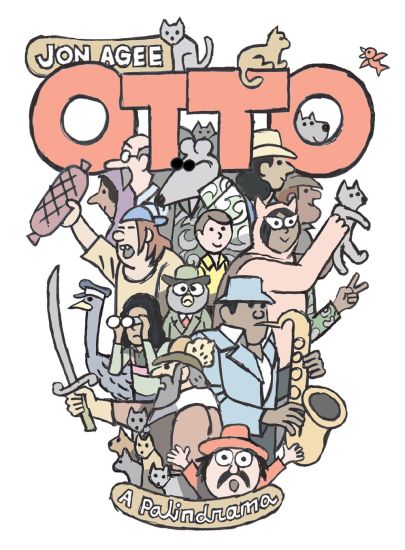
Otto: A Palindrama

Otto: A Palindrama

Jon Agee

Dial Books for Young Readers,US
2021
pokkari
This absurdly clever and funny graphic novel, told entirely in palindromes, is created by World Palindrome Champion Jon Agee, author of Go Hang a Salami I'm a Lasagna Hog Otto is having a very palindramatic day. His pet, Pip, has gone missing, and his search for the dog leads him deeper and deeper into a strange and perplexing world--full of talking owls, stacks of cats, storms and mazes, boats and trains and automobiles . . . oh my Everything seems to be the same backward and forward, and Pip isn't sure he'll ever find his way home to Mom and Pop. But you, reader, will enjoy his Oz-like journey thoroughly.
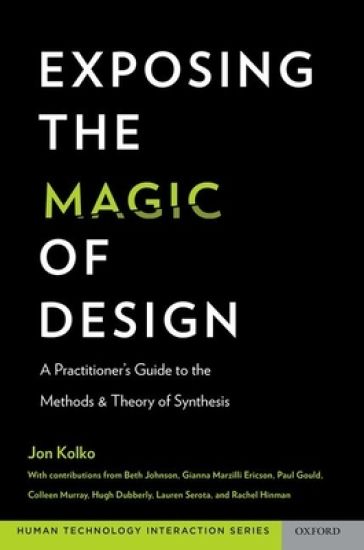
Exposing the Magic of Design

Exposing the Magic of Design

Jon Kolko

Oxford University Press Inc
2015
nidottu
As the world grows increasingly complex--in issues of sustainability, culture, and technology--businesses and governments are searching for a form of problem solving that can effectively respond to unprecedented levels of ambiguity and disorder. Traditional "linear thinking" has been disparaged by the popular media as being inadequate for dealing with the global economic crisis. Traditional forms of marketing and product development have been rejected by businesses that need to find new ways of staying competitive in a global economy. Yet little has been offered as an alternative. It is not enough to demand that someone "be more innovative" without offering the tools to succeed. This book offers a way of thinking about complicated, multifaceted problems with a repeatable degree of success. Design synthesis methods can be applied in business to produce new and compelling products and services, or these methods can be applied in government with the goal of changing culture and bettering society. In both contexts, there is a need for timely and aggressive action. This text is intended to act as a practitioner's guide to using the magic of design to solve complex problems.
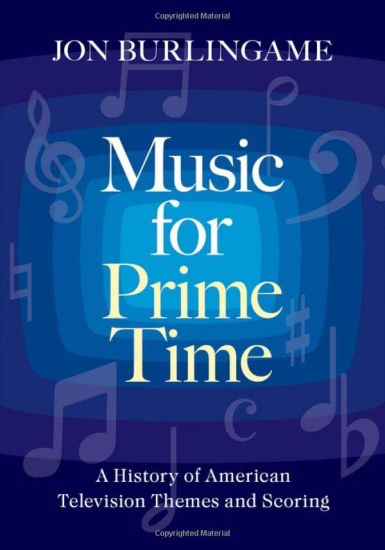
Music for Prime Time

Music for Prime Time

Jon Burlingame

OXFORD UNIVERSITY PRESS INC
2023
sidottu
With hundreds of interviews conducted over a 35-year span, this book is the most comprehensive history of television scoring to date. Music composed for television had, until recently, never been taken seriously by scholars or critics. Catchy TV themes, often for popular weekly series, were fondly remembered but not considered much more culturally significant than commercial jingles. Yet noted composers like John Williams, Henry Mancini, Jerry Goldsmith and Lalo Schifrin learned and/or honed their craft in television before going on to major success in feature films. Oscar-winning film composers like Bernard Herrmann, Franz Waxman and Maurice Jarre wrote hours of music for television projects, and such high-profile jazz figures as Duke Ellington, Dave Brubeck and Quincy Jones also contributed music to TV series. Concert-hall luminaries from Aaron Copland to Leonard Bernstein, and theater writers from Jerome Moross to Richard Rodgers, penned memorable scores for TV. Music for Prime Time is the first serious, journalistic history of music for American television. It is the product of 35 years of research and more than 450 interviews with composers, orchestrators, producers, editors and musicians active in the field. Based on, but vastly expanded and revised from, an earlier book by the same author, this wide-ranging narrative not only tells the backstory of every great TV theme but also examines the many neglected and frequently underrated orchestral and jazz compositions for television dating back to the late 1940s. Covering every series genre (crime, comedy, drama, westerns, action-adventure, fantasy and sci-fi), it also looks at music for animated series, news and documentary programming, TV-movies and miniseries, and how music for television has evolved in the era of cable and streaming options. It is the most comprehensive history of television scoring ever published.
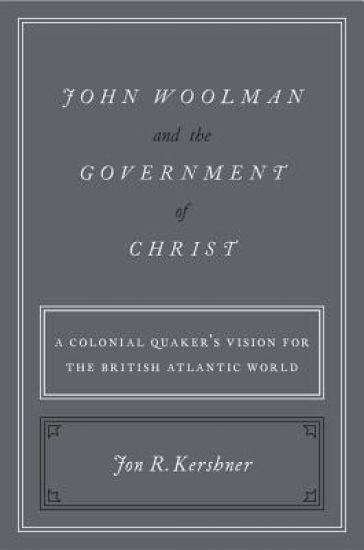
John Woolman and the Government of Christ

John Woolman and the Government of Christ

Jon R. Kershner

Oxford University Press Inc
2018
sidottu
In 1758, a Quaker tailor and sometime shopkeeper and school teacher stood up in a Quaker meeting and declared that the time had come for Friends to reject the practice of slavery. That man was John Woolman, and that moment was a significant step, among many, toward the abolition of slavery in the United States. Woolman's antislavery position was only one essential piece of his comprehensive theological vision for colonial American society. Drawing on Woolman's entire body of writing, Jon R. Kershner reveals that the theological and spiritual underpinnings of Woolman's alternative vision for the British Atlantic world were nothing less than a direct, spiritual christocracy on earth, what Woolman referred to as "the Government of Christ." Kershner argues that Woolman's theology is best understood as apocalypticcentered on a supernatural revelation of Christ's immediate presence governing all aspects of human affairs, and envisaging the impending victory of God's reign over apostasy. John Woolman and the Government of Christ explores the theological reasoning behind Woolman's critique of the burgeoning trans-Atlantic economy, slavery, and British imperial conflicts, and fundamentally reinterprets 18th-century Quakerism by demonstrating the continuing influence of early Quaker apocalypticism.
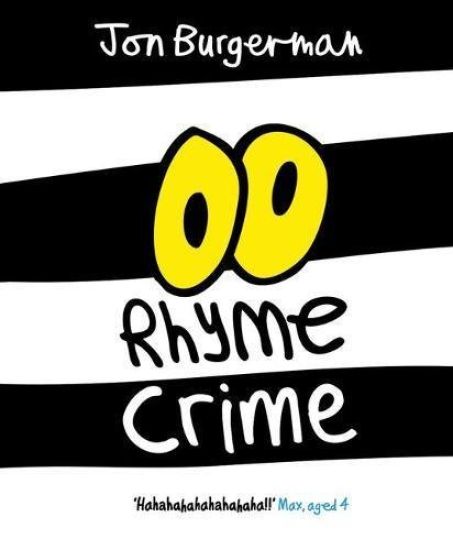
Rhyme Crime

Rhyme Crime

Jon Burgerman

Oxford University Press
2017
nidottu
Once upon a time, a thief committed a crime. Everything he stole was replaced with a RHYME! Hammy's brand new hat was swapped for a cat! Arney's comfy chair was switched for a bear! Will the rhyme thief ever be brought to justice? Can YOU solve the mysterious ending? Packed with the silliest of rhymes and wordplay, this original, hilarious, and interactive tale will have the youngest children in fits of giggles! The newest picture book from award-winning artist Jon Burgerman, perfect for fans of Kes Gray and Jim Field.
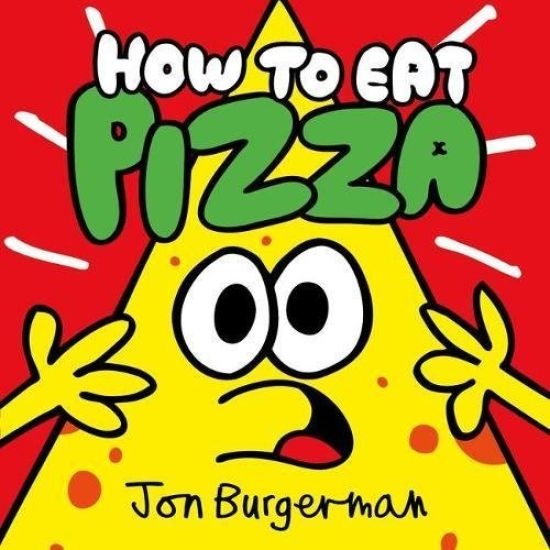
How to Eat Pizza

How to Eat Pizza

Jon Burgerman

Oxford University Press
2018
nidottu
For fans of Supertato, this hilarious interactive book introduces children to a host of talking food characters, including a pizza slice that most certainly does NOT want to be eaten! How do YOU eat pizza? What, you don't know? Oh, come on, it's really easy and this hilariously tasty book will show you how! Bright colours and lots of visual gags provide one hilarious introduction to a range of fantastic food - and will even encourage children to eat fruit and vegetables! Jon Burgerman's bright and bold illustration guarantees that his picture books will stand out from the crowd, online and on the shelf.
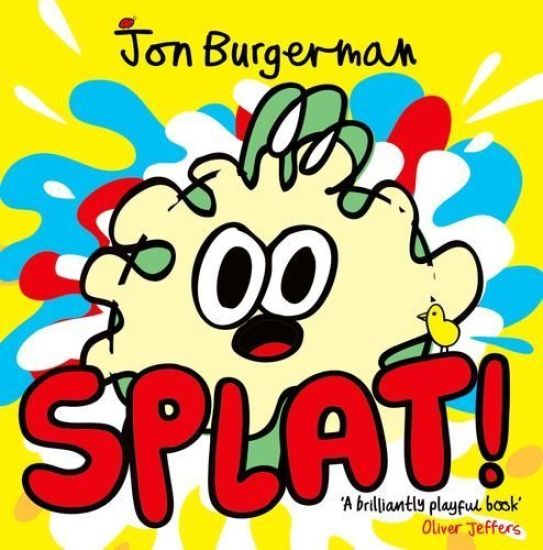
Splat!

Splat!

Jon Burgerman

Oxford University Press
2017
nidottu
When you turn the pages things go SPLAT! A stunningly original story that plays with the physical boundries of the book as an object to encourage interaction and imagination! Every time you turn a page in this book, something gets splatted onto the page opposite! From custard pies, sandwiches, water balloons, and ice-creams - a whole series of outrageous splats will build and build into a hilarious story that will have children roaring with laughter. Brilliantly original and very, very silly Splat! is so much FUN to share with your little ones.
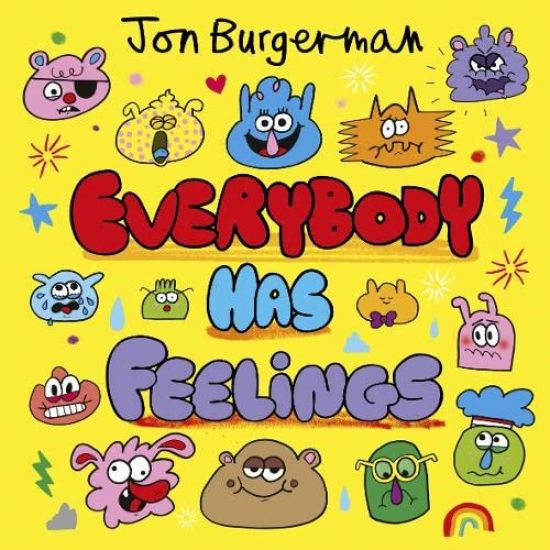
Year 1/Primary 2: Everybody Has Feelings

Year 1/Primary 2: Everybody Has Feelings

Jon Burgerman

Oxford University Press
2021
nidottu
We all have feelings and that's okay! How are YOU feeling today? With fun characters and eye-popping artwork, Jon Burgerman's entertaining book introduces over twenty feelings, putting each one in relatable context and providing young children with the vocabulary they need to talk about feelings.
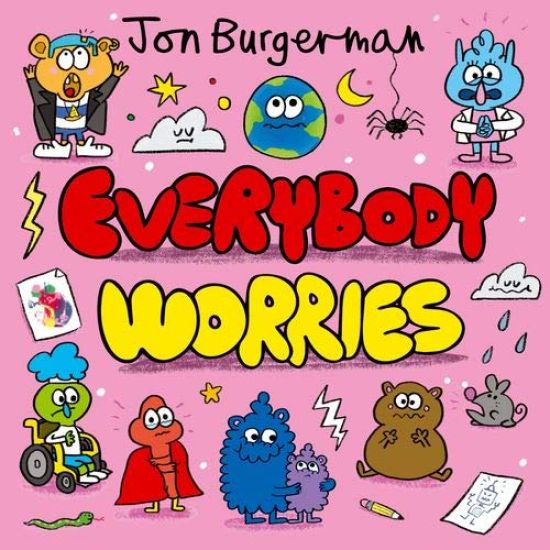
Everybody Worries

Everybody Worries

Jon Burgerman

Oxford University Press
2021
nidottu
Everybody worries and that's OK. This reassuring and practical picture book combines helpful tips endorsed by clinical psychologists with fun rhyming couplets and colourful pictures to help children open up about their feelings and get anxiety under control. The perfect book to soothe worries during stressful times, which can be a great springboard into having important conversations with your child.
An Introduction to Hegel's Lectures on the Philosophy of Religion
An Introduction to Hegel's Lectures on the Philosophy of Religion examines Hegel's religious thinking by seeing it against the backdrop of the main religious trends in his own day, specifically the Enlightenment and Romanticism. A basic introduction to Hegel's lectures, it provides an account of the criticism of religion by key Enlightenment thinkers such as Voltaire, Lessing, Hume, and Kant. This is followed by an analysis of how the Romantic thinkers, such as Rousseau, Jacobi and Schleiermacher, responded to these challenges. For Hegel, the views of these thinkers from both the Enlightenment and Romanticism tended to empty religion of its content. The goal that he sets for his own philosophy of religion is to restore this lost content. The book provides a detailed account of Hegel's Lectures on the Philosophy of Religion and argues that the basic ideas of the Enlightenment and Romanticism are still present today, and remain an important issue for both academics and non-academics, regardless of their religious orientation.
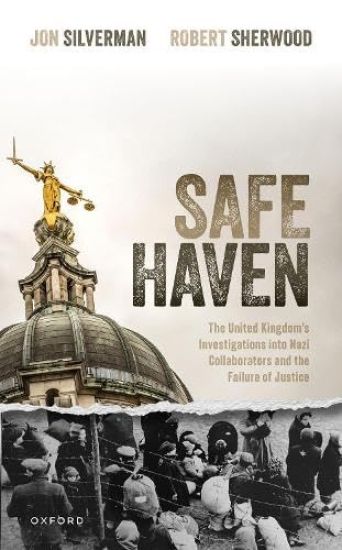
Safe Haven

Safe Haven

Jon Silverman; Robert Sherwood

Oxford University Press
2023
sidottu
The controversial 1991 War Crimes Act gave new powers to courts to try non-British citizens resident in the UK for war crimes committed during WWII. But in spite of the extensive investigative and legal work that followed, and the expense of some £11 million, it led to just one conviction: that in 1999 of Anthony (Andrzej) Sawoniuk. Drawing on previously unavailable archival documents, transcripts of interviews with suspects, and disclosures by senior lawyers and policer offers in the War Crimes Units (WCUs), in parallel with the history of bungled investigations in the 1940s, Safe Haven considers for the first time why and how convictions failed to follow investigations. Within the broader context of war crimes investigations in the United States, Germany, and Australia, the authors reassess the legal and investigative processes and decisions that stymied inquiries, from the War Crimes Act itself to the restrictive criteria applied to it. Taken together, the authors argue that these -- including the interpretations of who could and should be prosecuted and decisions about the nature and amount of evidence needed for trial -- meant that many Nazi collaborators escaped justice and never appeared in a criminal court. The authors situate this history within the legacy of the Holocaust: how, if at all, do the belated attempts to address a failure of justice sit with an ever-growing awareness of the Holocaust, represented by memorialization and education? In so doing, Safe Haven provokes a timely reconsideration of the relationship between law, history, and truth.
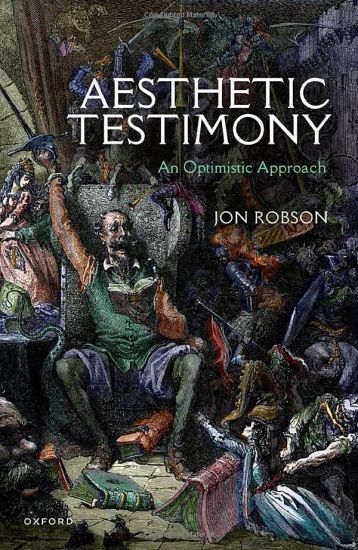
Aesthetic Testimony

Aesthetic Testimony

Jon Robson

Oxford University Press
2022
sidottu
Aesthetic judgements that are formed on the basis of testimony are commonly held to be defective, illegitimate, or otherwise problematic. This book assesses the debate surrounding aesthetic testimony and argues for the surprising conclusion that this widespread view is mistaken. Aesthetic testimony is in no way inferior as a source of judgement when compared to either first-hand aesthetic judgement or testimony concerning non-aesthetic matters. Alongside establishing this position (an extreme form of 'optimism' concerning aesthetic testimony), Jon Robson also responds to the most prominent arguments for the opposing view ('pessimism' concerning aesthetic testimony). Along the way, it also re-examines our understanding of the norms which govern both judgement and assertion in aesthetics.
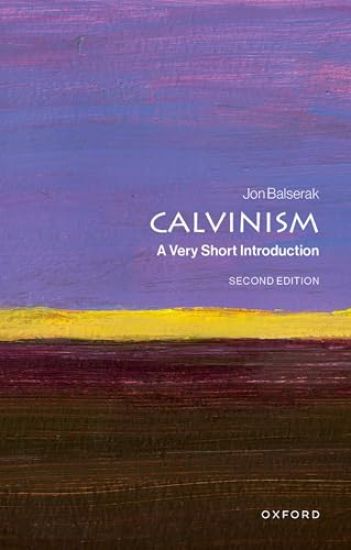
Calvinism

Calvinism

Jon Balserak

Oxford University Press
2026
nidottu
Very Short Introductions: Brilliant, Sharp, Inspiring Since its beginnings during the Protestant Reformation, Calvinism has spread throughout Europe and America and eventually to Africa and Asia. Today it is one of the largest schools of thought in Protestantism. In this Very Short Introduction, Jon Balserak explores how Calvinist ideas and practices arose, spread, and took root. Considering its influence on modern thought on everything from theology to money, politics, and the arts, Balserak also combats some of the common misconceptions about Calvinism, and outlines the Calvinist understanding of God, the world, humankind, and the meaning of life. He also addresses Calvinism in a twenty-first century context and considers the challenges it faces today. ABOUT THE SERIES: The Very Short Introductions series from Oxford University Press contains hundreds of titles in almost every subject area. These pocket-sized books are the perfect way to get ahead in a new subject quickly. Our expert authors combine facts, analysis, perspective, new ideas, and enthusiasm to make interesting and challenging topics highly readable.
The Liar

The Liar

Jon Barwise; John Etchemendy

Oxford University Press Inc
1989
nidottu
This monograph purports to provide a solution to semantical paradoxes like the Liar. The authors base this solution on J. L. Austin's idea of truth, which is fundamental to situation semantics. They compare two models of language, propositions and truth, one based on Russell and the other on Austin, as they bear on the Liar Paradox. In Russell's view, a sentence expresses a proposition, which is true or not. According to Austin, however, there is always a contextual parameter - the situation the sentence is about - that comes between the sentence and proposition. The Austinian perspective proves to have fruitful applications to the analysis of semantic paradox. The authors show that, on this account, the liar is a genuine diagonal argument. This argument can be shown to have profound consequences for our understanding of some of the most basic semantical mechanisms at work in our language. Jon Barwise is, with John Perry, a co-founder of the Centre for the Study of Language and Information at Stanford.
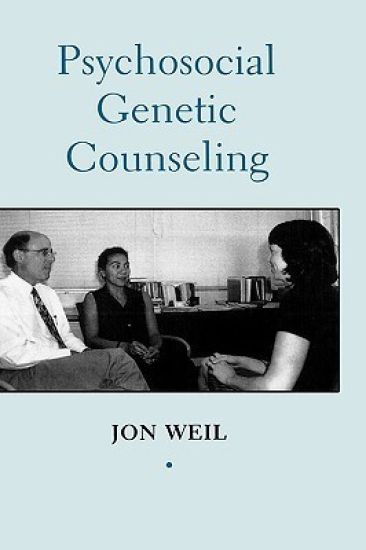
Psychosocial Genetic Counseling

Psychosocial Genetic Counseling

Jon Weil

Oxford University Press Inc
2000
sidottu
Psychosocial issues are integral to all genetic counselling interactions. They include counsellees' beliefs about the cause of birth defects and genetic disorders, the cognitive procession of medical information and risk figures, emotions such as anxeity and guilt, and the complex process of decision making. Drawing on direct clinical experience and the growing body of relevant literatue, Psychosocial Genetic Counseling provides a comprehensive, integrated approach to understanding these issues and their applications to genetic counselling. The book combines theoretical and practical approaches, including many clinical vignettes and examples of dialogue. It is written in an engaging style that conveys the emotional immediacy of genetic counselling. The emotional and social effects of genetic disorders are discussed with reference to the individual and to couple, family, and social interactions. Counselling techniques and the agenda of the genetic counselling session are then addressed in detail. Specialized aspects of prenatal diagnosis counselling, cancer risk counselling, and genetic counselling with children and adolescents are integrated with these general principles. Nondirective counselling and the psychology of risk interpretation and decision making are discussed from theoretical and historical perspectives, leading to recommendations for their application to clinical practice. The influences of ethnocultural history, beliefs and practices, for counsellee and counsellor, are then discussed as they enter into all aspects of genetic counselling.
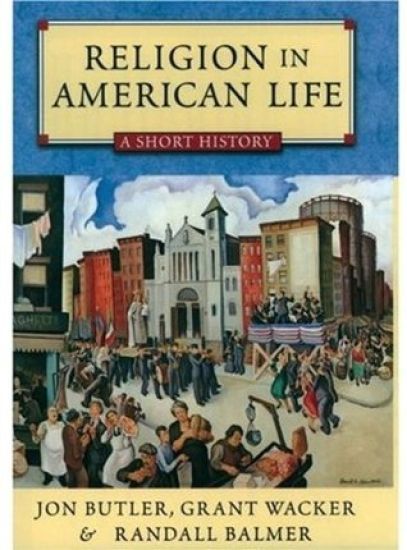
Religion in American Life: A Short History

Religion in American Life: A Short History

Jon Butler; Grant Wacker; Randall Herbert Balmer

Oxford University Press
2003
sidottu
Accessible and wide-ranging, Religion in American Life illuminates the rich spiritual heritage central to nearly every event in American history. Jon Butler begins by describing the state of religious affairs in both the Old and New Worlds on the eve of colonization. He traces the progress of religion in the colonies through the time of the American Revolution, covering all the religious groups in the colonies: Protestants, Jews, Catholics, as well as the unique religious experiences of Native Americans and African Americans Grant Wacker continues the story with a fascinating look at the ever-shifting religious landscape of 19th-century America. He focuses on the rapid growth of evangelical Protestants-Methodists, Presbyterians, Baptists, and others-and their competition for dominance over religions such as Catholicism and Judaism, which continued to increase with large immigrant arrivals from Ireland, Eastern Europe, and other countries. The 20th century saw massive cultural changes. Randall Balmer discusses the effects industrialization, modernization, and secularization had on new and established religions. He examines Protestants, Hindus, Jews, New Age believers, Mormons, Buddhists, Roman Catholics, and many more, providing a clear look into the kaleidoscope of religious belief in modern-day America
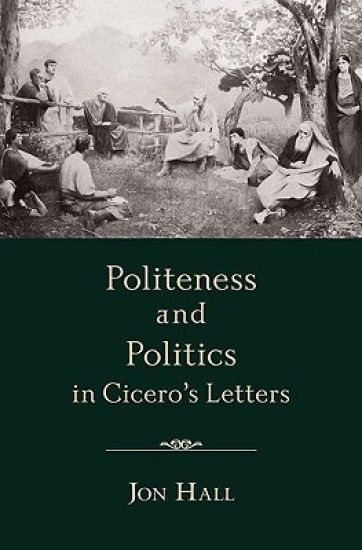
Politeness and Politics in Cicero's Letters

Politeness and Politics in Cicero's Letters

Jon Hall

Oxford University Press Inc
2009
sidottu
Politeness and Politics in Cicero's Letters presents a fresh examination of the letters exchanged between Cicero and correspondents, such as Pompey, Julius Caesar and Mark Antony during the final turbulent decades of the Roman Republic. Drawing upon sociolinguistic theories of politeness, it argues that formal relationships between powerful members of the elite were constrained by distinct conventions of courtesy and etiquette. By examining in detail these linguistic conventions of politeness, Jon Hall presents new insights into the social manners that shaped aristocratic relationships. The book begins with a discussion of the role of letter-writing within the Roman aristocracy and the use of linguistic politeness to convey respect to fellow members of the elite. Hall then analyzes the deployment of conventionalized expressions of affection and goodwill to cultivate alliances with ambitious rivals and the diplomatic exploitation of "polite fictions" at times of political tension. The book also explores the strategies of politeness employed by Cicero and his correspondents when making requests and dispensing advice, and when engaging in epistolary disagreements. (His exchanges with Appius Claudius Pulcher, Munatius Plancus, and Mark Antony receive particular emphasis.) Its detailed analysis of specific letters places the reader at the very heart of Late Republican political negotiations and provides a new critical approach to Latin epistolography.
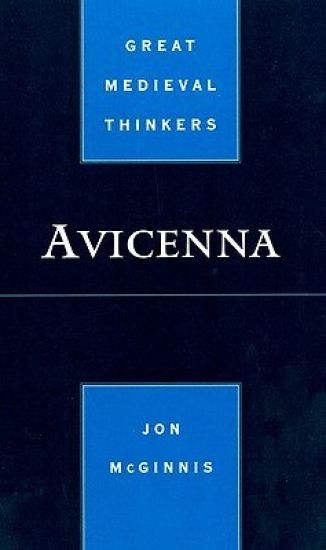
Avicenna

Avicenna

Jon McGinnis

Oxford University Press Inc
2010
sidottu
Ibn Sina - Avicenna in Latin - (980-1037) played a considerable role in the development of both eastern and western philosophy and science. His contributions to the fields of logic, natural science, psychology, metaphysics and theology and even medicine are difficult to overstate. The great Islamic philosopher al-Ghazali thought that if one could show the incoherence of Avicenna's thought, then one would have shown the incoherence of philosophy in general. No other author is directly cited by Thomas Aquinas more often than Avicenna. But Avicenna's significance and influence do not stop with the medieval period. His logic, natural philosophy, and metaphysics are still taught in the Islamic world as living philosophy. And many contemporary Catholic and evangelical Christian philosophers still come under his influence through Aquinas's work. Despite Avicenna's important place in the history of ideas, however, there is no single volume that both does justice to the complete range of his intellectual activity and provides a rigorous analysis of the philosophical content of his thought. This book is designed to remedy that lack. It will provide a general introduction to Avicenna's intellectual system and offer a careful philosophical analysis of most of the major aspects of his thought, presented in such a way as to be accessible to students as well as serving as a resource for specialists in Islamic studies, philosophers, and historians of science.
Avicenna

Avicenna

Jon McGinnis

Oxford University Press Inc
2010
nidottu
Ibn Sina - Avicenna in Latin - (980-1037) played a considerable role in the development of both eastern and western philosophy and science. His contributions to the fields of logic, natural science, psychology, metaphysics and theology and even medicine are difficult to overstate. The great Islamic philosopher al-Ghazali thought that if one could show the incoherence of Avicenna's thought, then one would have shown the incoherence of philosophy in general. No other author is directly cited by Thomas Aquinas more often than Avicenna. But Avicenna's significance and influence do not stop with the medieval period. His logic, natural philosophy, and metaphysics are still taught in the Islamic world as living philosophy. And many contemporary Catholic and evangelical Christian philosophers still come under his influence through Aquinas's work. Despite Avicenna's important place in the history of ideas, however, there is no single volume that both does justice to the complete range of his intellectual activity and provides a rigorous analysis of the philosophical content of his thought. This book is designed to remedy that lack. It will provide a general introduction to Avicenna's intellectual system and offer a careful philosophical analysis of most of the major aspects of his thought, presented in such a way as to be accessible to students as well as serving as a resource for specialists in Islamic studies, philosophers, and historians of science.