Kirjojen hintavertailu. Mukana 12 016 292 kirjaa ja 12 kauppaa.

Kirjahaku

Etsi kirjoja tekijän nimen, kirjan nimen tai ISBN:n perusteella.

1000 tulosta hakusanalla Joyce Rodgers

James Joyce and Heraldry

James Joyce and Heraldry

Michael J. O'Shea

State University of New York Press
1986
pokkari
James Joyce and Heraldry demonstrates that heraldry is an essential key to the symbols of Joyce's major works. It is a clear, witty introduction to heraldry and the use of heraldic imagery by Western writers, including Dante, Chaucer, Shakespeare, Jonson, and Sterne.Michael O'Shea shifts the focus from the aural imagery of Joyce to reveal the visual impact deriving from Joyce's use of the symbols and language of heraldry. He cites biographical and textual evidence of Joyce's deep interest in coats of arms, crests, and other heraldic emblems; and demonstrates that Joyce used these visual symbols as well as "the curious jargons of heraldry" in his writings. O'Shea succeeds in compiling an indispensable reference work that sheds new light on Joyce's major texts, A Portrait of the Artist as a Young Man, Ulysses, and Finnegans Wake. His commentary is thoroughly illustrated and includes a glossary of heraldic terms keyed to Joyce's usage of them.
James Joyce, Books and Pamphlets Relating to the Author and His Works

James Joyce, Books and Pamphlets Relating to the Author and His Works

James Fuller 1899- Spoerri

Hassell Street Press
2021
sidottu
This work has been selected by scholars as being culturally important and is part of the knowledge base of civilization as we know it.This work is in the public domain in the United States of America, and possibly other nations. Within the United States, you may freely copy and distribute this work, as no entity (individual or corporate) has a copyright on the body of the work.Scholars believe, and we concur, that this work is important enough to be preserved, reproduced, and made generally available to the public. To ensure a quality reading experience, this work has been proofread and republished using a format that seamlessly blends the original graphical elements with text in an easy-to-read typeface.We appreciate your support of the preservation process, and thank you for being an important part of keeping this knowledge alive and relevant.
James Joyce, Books and Pamphlets Relating to the Author and His Works

James Joyce, Books and Pamphlets Relating to the Author and His Works

James Fuller 1899- Spoerri

Hassell Street Press
2021
nidottu
This work has been selected by scholars as being culturally important and is part of the knowledge base of civilization as we know it.This work is in the public domain in the United States of America, and possibly other nations. Within the United States, you may freely copy and distribute this work, as no entity (individual or corporate) has a copyright on the body of the work.Scholars believe, and we concur, that this work is important enough to be preserved, reproduced, and made generally available to the public. To ensure a quality reading experience, this work has been proofread and republished using a format that seamlessly blends the original graphical elements with text in an easy-to-read typeface.We appreciate your support of the preservation process, and thank you for being an important part of keeping this knowledge alive and relevant.
James Joyce, the Last Journey. --

James Joyce, the Last Journey. --

Leon 1907- Edel

Hassell Street Press
2021
sidottu
This work has been selected by scholars as being culturally important and is part of the knowledge base of civilization as we know it.This work is in the public domain in the United States of America, and possibly other nations. Within the United States, you may freely copy and distribute this work, as no entity (individual or corporate) has a copyright on the body of the work.Scholars believe, and we concur, that this work is important enough to be preserved, reproduced, and made generally available to the public. To ensure a quality reading experience, this work has been proofread and republished using a format that seamlessly blends the original graphical elements with text in an easy-to-read typeface.We appreciate your support of the preservation process, and thank you for being an important part of keeping this knowledge alive and relevant.
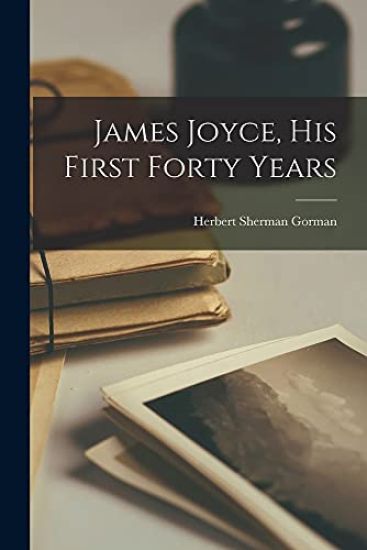
James Joyce, His First Forty Years

James Joyce, His First Forty Years

Herbert Sherman 1893-1954 Gorman

Hassell Street Press
2021
sidottu
This work has been selected by scholars as being culturally important and is part of the knowledge base of civilization as we know it.This work is in the public domain in the United States of America, and possibly other nations. Within the United States, you may freely copy and distribute this work, as no entity (individual or corporate) has a copyright on the body of the work.Scholars believe, and we concur, that this work is important enough to be preserved, reproduced, and made generally available to the public. To ensure a quality reading experience, this work has been proofread and republished using a format that seamlessly blends the original graphical elements with text in an easy-to-read typeface.We appreciate your support of the preservation process, and thank you for being an important part of keeping this knowledge alive and relevant.
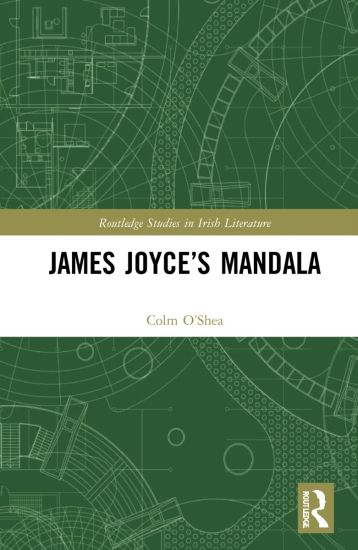
James Joyce’s Mandala

James Joyce’s Mandala

Colm O’Shea

TAYLOR FRANCIS LTD
2022
sidottu
The Sanskrit word mandala can be translated as "sacred circle." Within the circle sits a microcosm of the universe and/or consciousness, repre-sented by icons. Eastern civilizations developed the spiritual-artistic practice of creating mandalas—with sand, paint, and architecture—to high technical sophistication, making manifest a geometry with layers of esoteric meaning for both the mandala artist and the initiated spectator. James Joyce’s Mandala outlines and explains this iconic sacred geometry, and assesses to what extent Joyce’s works of literature, in particular Finnegans Wake, can be understood as mandalic constructs. Using exam-ples from Dubliners to the Wake, we see how fundamental to Joyce’s fiction is the issue of spiritual paralysis (a problem the mandala attempts to dissolve) and also how fascinated he was by geometric imagery and symmetry, the technical devices employed in mandala construction. This is the first book-length comparison of Joyce’s work with the mythic structure of the mandala. Never discounting the richness of Joyce’s genius, it uses his "collideorscape" to explore the secrets of the mandala principle as much as it uses mandala theory to illuminate his famed book of the night.
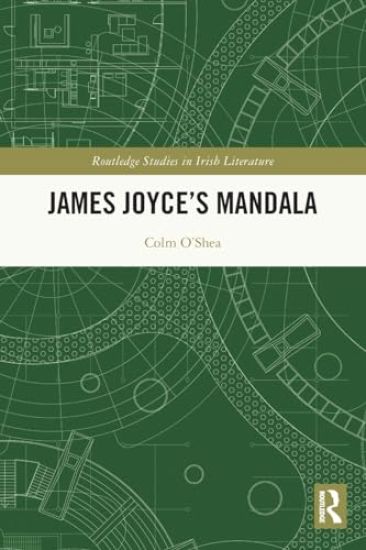
James Joyce’s Mandala

James Joyce’s Mandala

Colm O’Shea

TAYLOR FRANCIS LTD
2024
nidottu
The Sanskrit word mandala can be translated as "sacred circle." Within the circle sits a microcosm of the universe and/or consciousness, repre-sented by icons. Eastern civilizations developed the spiritual-artistic practice of creating mandalas—with sand, paint, and architecture—to high technical sophistication, making manifest a geometry with layers of esoteric meaning for both the mandala artist and the initiated spectator. James Joyce’s Mandala outlines and explains this iconic sacred geometry, and assesses to what extent Joyce’s works of literature, in particular Finnegans Wake, can be understood as mandalic constructs. Using exam-ples from Dubliners to the Wake, we see how fundamental to Joyce’s fiction is the issue of spiritual paralysis (a problem the mandala attempts to dissolve) and also how fascinated he was by geometric imagery and symmetry, the technical devices employed in mandala construction. This is the first book-length comparison of Joyce’s work with the mythic structure of the mandala. Never discounting the richness of Joyce’s genius, it uses his "collideorscape" to explore the secrets of the mandala principle as much as it uses mandala theory to illuminate his famed book of the night.
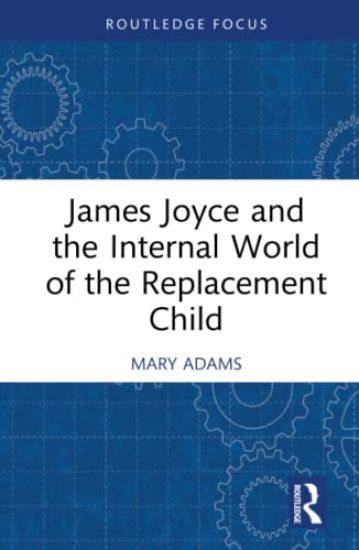
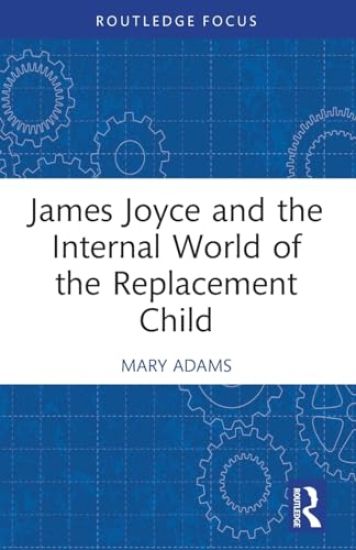
James Joyce and the Internal World of the Replacement Child
This book is an exploration of the internal world of James Joyce with particular emphasis on his being born into his parents’ grief at the loss of their firstborn son, offering a new perspective on his emotional difficulties.Mary Adams links Joyce’s profound sense of guilt and abandonment with the trauma of being a ‘replacement child’ and compares his experience with that of two psychoanalytic cases, as well as with Freud and other well-known figures who were replacement children. Issues such as survivor guilt, sibling rivalry, the ‘illegitimate’ replacement son, and the ‘dead mother’ syndrome are discussed. Joyce is seen as maturing from a paranoid, fearful state through his writing, his intelligence, his humour and his sublime poetic sensibility. By escaping the oppressive aspects of life in Dublin, in exile he could find greater emotional freedom and a new sense of belonging. A quality of claustrophobic intrusive identification in Ulysses contrasts strikingly with a new levity, imaginative identification, intimacy and compassion in Finnegans Wake. James Joyce and the Internal World of the Replacement Child highlights the concept of the replacement child and the impact this can have on a whole family.The book will be of interest to psychoanalysts, psychoanalytic psychotherapists and child psychotherapists as well as students of English literature, psychoanalytic studies and readers interested in James Joyce.Readers can find an additional piece by the author online at http://replacementchildforum.com/a-white-bird-trapped-inside-me-beating-scared-wings/
James Joyce and the Internal World of the Replacement Child
This book is an exploration of the internal world of James Joyce with particular emphasis on his being born into his parents’ grief at the loss of their firstborn son, offering a new perspective on his emotional difficulties.Mary Adams links Joyce’s profound sense of guilt and abandonment with the trauma of being a ‘replacement child’ and compares his experience with that of two psychoanalytic cases, as well as with Freud and other well-known figures who were replacement children. Issues such as survivor guilt, sibling rivalry, the ‘illegitimate’ replacement son, and the ‘dead mother’ syndrome are discussed. Joyce is seen as maturing from a paranoid, fearful state through his writing, his intelligence, his humour and his sublime poetic sensibility. By escaping the oppressive aspects of life in Dublin, in exile he could find greater emotional freedom and a new sense of belonging. A quality of claustrophobic intrusive identification in Ulysses contrasts strikingly with a new levity, imaginative identification, intimacy and compassion in Finnegans Wake. James Joyce and the Internal World of the Replacement Child highlights the concept of the replacement child and the impact this can have on a whole family.The book will be of interest to psychoanalysts, psychoanalytic psychotherapists and child psychotherapists as well as students of English literature, psychoanalytic studies and readers interested in James Joyce.Readers can find an additional piece by the author online at http://replacementchildforum.com/a-white-bird-trapped-inside-me-beating-scared-wings/
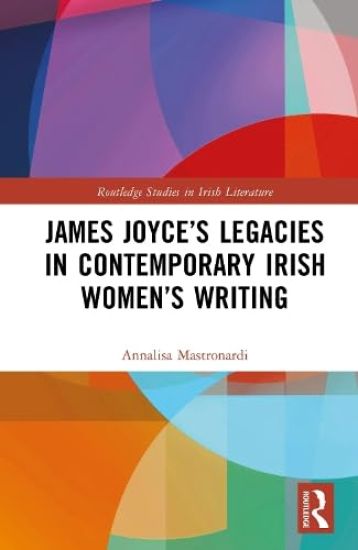
James Joyce’s Legacies in Contemporary Irish Women’s Writing
James Joyce’s Legacies in Contemporary Irish Women’s Writing is a ground-breaking study that, for the first time, explores in depth the influence of James Joyce on Irish women writers, from his contemporaries to more recent voices. With a particular focus on Anne Enright’s The Gathering, Eimear McBride’s A Girl Is a Half-formed Thing and Emilie Pine’s Ruth & Pen, this book examines how Irish women writers have engaged with Joyce’s legacy.Unlike their male counterparts, who have often felt overshadowed by Joyce’s influence, Irish women writers have embraced and expanded upon his work, viewing it not as a constraint but as an opening to new creative possibilities. This book will be of particular value to Joyce scholars working in feminism and reception studies, as well as students of Irish literature and women’s writing. It offers fresh insights into the evolving landscape of Irish literature and complicates Harold Bloom’s theory of the Anxiety of Influence, demonstrating how women writers perceive canonical figures like Joyce not as rivals, but as trailblazers.
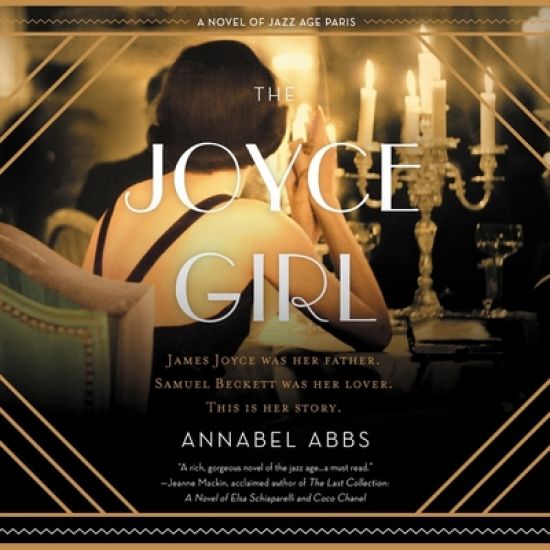
The Joyce Girl

The Joyce Girl

Annabel Abbs

Harpercollins
2020
cd
For readers who adored novels like The Paris Wife, Z, and Loving Frank, comes Annabel Abbs highly praised debut novel, where she spins the story of James Joyce's fascinating, and tragic, daughter, Lucia."When she reaches her full capacity for rhythmic dancing, James Joyce may yet be known as his daughter's father . . ."The review in the Paris Times in November 1928 is rapturous in its praise of Lucia Joyce's skill and artistry as a dancer. The family has made their home in Paris--where the latest ideas in art, music, and literature converge. Acolytes regularly visit the Joyce apartment to pay homage to Ireland's exiled literary genius. Among them is a tall, thin young man named Samuel Beckett--a fellow Irish expat who idolizes Joyce and with whom Lucia becomes romantically involved.Lucia is both gifted and motivated, training tirelessly with some of the finest teachers in the world. Though her father delights in his daughter's talent, she clashes with her mother, Nora. And as her relationship with Beckett sours, Lucia's dreams unravel, as does her hope of a life beyond her father's shadow.With Lucia's behavior growing increasingly erratic, James Joyce sends her to pioneering psychoanalyst Carl Jung. Here, at last, she will tell her own story--a fascinating, heartbreaking account of thwarted ambition, passionate creativity, and the power of love to both inspire and destroy.The Joyce Girl creates a compelling and moving account of the real-life Joyce Girl, of unrealized dreams and rejection, and of the destructive love of a father.
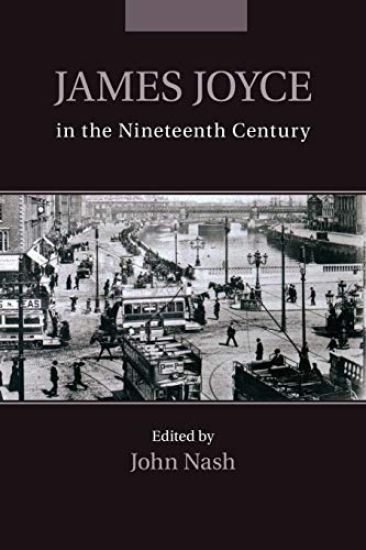
James Joyce in the Nineteenth Century

James Joyce in the Nineteenth Century

Cambridge University Press
2013
sidottu
This collection shows the depth and range of James Joyce's relationship with key literary, intellectual and cultural issues that arose in the nineteenth century. Thirteen original essays explore several new themes in Joyce studies, connecting Joyce's writing to that of his predecessors, and linking Joyce's formal innovations to his reading of, and immersion in, nineteenth-century life. The volume begins by addressing Joyce's relationships with fictional forms in nineteenth-century and turn-of-the-century Ireland. Further sections explore the rise of new economies of consumption and Joyce's formal adaptations of major intellectual figures and issues. What emerges is a portrait of Joyce as he has not previously been seen, giving scholars and students of fin-de-siècle culture, literary modernism and English and Irish literature fresh insight into one of the most important writers of the past century.
James Joyce in the Nineteenth Century

James Joyce in the Nineteenth Century

Cambridge University Press
2015
pokkari
This collection shows the depth and range of James Joyce's relationship with key literary, intellectual and cultural issues that arose in the nineteenth century. Thirteen original essays explore several new themes in Joyce studies, connecting Joyce's writing to that of his predecessors, and linking Joyce's formal innovations to his reading of, and immersion in, nineteenth-century life. The volume begins by addressing Joyce's relationships with fictional forms in nineteenth-century and turn-of-the-century Ireland. Further sections explore the rise of new economies of consumption and Joyce's formal adaptations of major intellectual figures and issues. What emerges is a portrait of Joyce as he has not previously been seen, giving scholars and students of fin-de-siècle culture, literary modernism and English and Irish literature fresh insight into one of the most important writers of the past century.
James Joyce in Context

James Joyce in Context

Cambridge University Press
2014
pokkari
This collection of original, cohesive and concise essays charts the vital contextual backgrounds to Joyce's life and writing. The volume begins with a chronology of Joyce's publishing history, an analysis of his various biographies and a study of his many published and unpublished letters. It goes on to examine how his works were received in the main twentieth-century critical and theoretical schools. Most importantly, it places Joyce within multiple Irish, British and European contexts, providing a lively sense of the varied and changing world in which he lived, which formed him, and from which he wrote. The essays collectively show how Joyce was rooted in his times, how he is both a product and a critic of his multiple contexts, and how important he remains to the world of literature, criticism and culture.
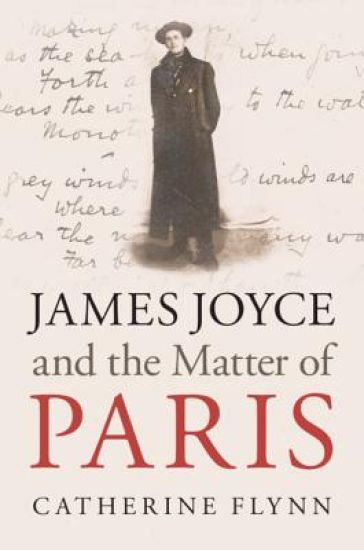
James Joyce and the Matter of Paris

James Joyce and the Matter of Paris

Catherine Flynn

Cambridge University Press
2019
sidottu
In James Joyce and the Matter of Paris, Catherine Flynn recovers the paradigmatic city of European urban modernity as the foundational context of Joyce's imaginative consciousness. Beginning with Joyce's underexamined first exile in 1902–03, she shows the significance for his writing of the time he spent in Paris and of a range of French authors whose works inflected his experience of that city. In response to the pressures of Parisian consumer capitalism, Joyce drew on French literature to conceive a somatic aesthetic, in which the philosophically disparaged senses of taste, touch, and smell as well as the porous, digestive body resist capitalism's efforts to manage and instrumentalize desire. This book resituates the most canonical of Irish modernists in a European avant-garde context while revealing important links between Anglophone modernism and critical theory.
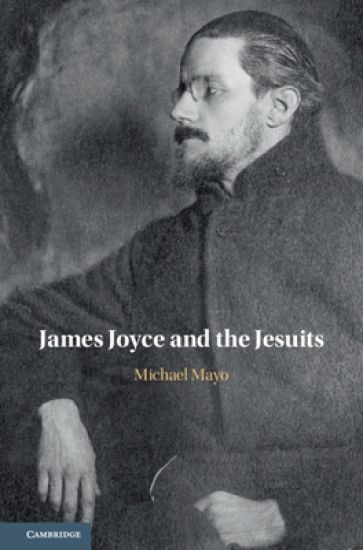
James Joyce and the Jesuits

James Joyce and the Jesuits

Michael Mayo

Cambridge University Press
2020
sidottu
James Joyce was educated almost exclusively by the Jesuits; this education and these priests make their appearance across Joyce's oeuvre. This dynamic has never been properly explicated or rigorously explored. Using Joyce's religious education and psychoanalytic theories of depression and paranoia, this book opens radical new possibilities for reading Joyce's fiction. It takes readers through some of the canon's most well-read texts and produces bold, fresh new readings. By placing these readings in light of Jesuit religious practice - in particular, the Spiritual Exercises all Jesuit priests and many students undergo - the book shows how Joyce's deepest concerns about truth, literature, and love were shaped by these religious practices and texts. Joyce worked out his answers to these questions in his own texts, largely by forcing his readers to encounter, and perhaps answer, those questions themselves. Reading Joyce is a challenge not only in terms of interpretation but of experience - the confusion, boredom, and even paranoia readers feel when making their way through these texts.
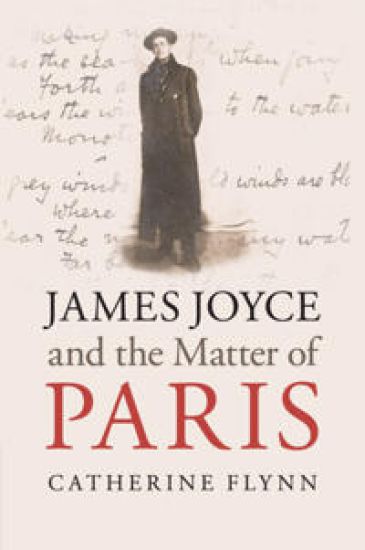
James Joyce and the Matter of Paris

James Joyce and the Matter of Paris

Catherine Flynn

Cambridge University Press
2025
pokkari
In James Joyce and the Matter of Paris, Catherine Flynn recovers the paradigmatic city of European urban modernity as the foundational context of Joyce's imaginative consciousness. Beginning with Joyce's underexamined first exile in 1902–03, she shows the significance for his writing of the time he spent in Paris and of a range of French authors whose works inflected his experience of that city. In response to the pressures of Parisian consumer capitalism, Joyce drew on French literature to conceive a somatic aesthetic, in which the philosophically disparaged senses of taste, touch, and smell as well as the porous, digestive body resist capitalism's efforts to manage and instrumentalize desire. This book resituates the most canonical of Irish modernists in a European avant-garde context while revealing important links between Anglophone modernism and critical theory.