

Kirjahaku
Etsi kirjoja tekijän nimen, kirjan nimen tai ISBN:n perusteella.
1000 tulosta hakusanalla Martin Bechthold
Martin, O: Patois In Der Umgebung Von Baume-Les-Dames (1888)
Otto Martin
KESSINGER PUBLISHING, LLC
2009
nidottu

Martin Luther King Jr., Homosexuality, and the Early Gay Rights Movement
Desmond Tutu; Michael G. Long
Palgrave Macmillan
2012
sidottu
Martin Luther King, Jr., was not an advocate of homosexual rights, nor was he an enemy; however both sides of the debate have used his words in their arguments, including his widow, in support of gay rights, and his daughter, in rejection. This fascinating situation poses the problem that Michael G. Long seeks to address and resolve.

On August 28, 1963, hundreds of thousands of demonstrators flocked to the nation's capital for the March on Washington. That day Clayborne Carson, a 19-year-old black student from a working-class family in New Mexico who had hitched a ride to Washington, heard Dr. Martin Luther King, Jr. deliver his famous "I Have a Dream" speech. It was a life-changing occasion for the author as it launched him on a career to become one of the most important chroniclers of the civil rights era. Two decades later, as a distinguished professor of African American History at Stanford University, Mrs. King picked Dr. Carson to edit her late husband's papers. Taking the reader on a journey of rediscovery of the King legend, he draws on new archives as well as unpublished letters. Dr. Carson examines his decades long quest to understand Martin Luther King, Jr. the man, delve into the construction of his legacy, and to understand how King's "dream" has evolved.

Lack begins with a discussion of Max Weber's analysis of the disenchantment of the world and proceeds to develop Heidegger's philosophy in a way that suggests a "re-enchantment" of the world that faces the modern condition squarely, without nostalgia.

Martin Wight was one of the most influential twentieth-century British thinkers who investigated on international politics and continues to inspire the English school of international relations. Containing a previously unpublished essay by Wight, this book brings this essay, "Fortune's Banter", to light.
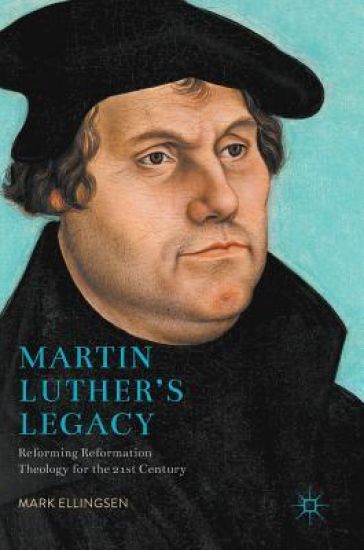
This volume is a unique interpretation of what Martin Luther contributes to renewed appreciation of Biblical diversity. The Church in the West is struggling. One reason behind this is that the prevailing models for Theology have imposed logical and modern ways of thinking about faith that renders theology academic, and therefore largely irrelevant for daily life. By letting the first Reformer speak for himself in this book, Mark Ellingsen shows how Martin Luther’s theological approach can reform the Church’s theology today. The real Luther-not the one taught by his various systematic interpreters-presents Christian faith in its entirety, with all its rough edges, in such a way as to direct on how and when to employ those dimensions of the Biblical witness most appropriate for the situation in which we find ourselves.
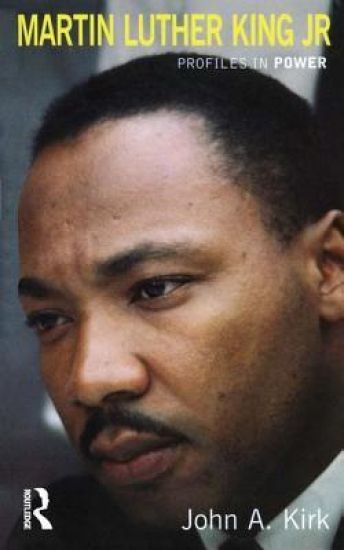
Combining the latest insights from KIng biographies and movement histories, this book provides an up-to-date critical analysis of the relationship between King and the wider civil rights movement. Delivering a fresh perspective on the relationship between 'the man and the movement', Kirk argues that it is the interactionbetween national and local movement concerns that is essential to understanding King's leadership and black activism in the 1950s and 1960s. Kirk examines King's strengths and his limitations, and weighs the role that king played in then movement alongside the contributions of other civil rights organizations and leaders, and local civil rights activists.Suitable for undergraduate courses in 20th century US history.
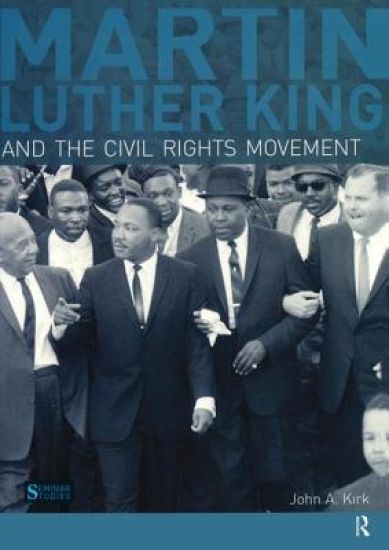
Martin Luther King, Jr is one of the iconic figures of 20th century history, and one of the most influential and important in the American Civil Rights Movement; John Kirk here presents the life of Martin Luther King in the context of that movement, placing him at the center of the Afro-American fight for equality and recognition.This book combines the insights from two fields of study, seeking to combine the top down; national federal policy-oriented approach to the movement with the bottom up, local grassroots activism approach to demonstrate how these different levels of activism intersect and interact with each other.

First published in 1981. Martin Buber has been acclaimed as one of the major philosophical and religious thinkers of the twentieth century with his influence and achievements spanning numerous fields — however in each of these areas his work has also been severely criticised and his influence called into question. This volume brings together in a systematic arrangement all the significant material by and about Martin Buber published in English up to the centenary of his birth in 1978. To make the bibliography as useful as possible, the critical material was annotated and various indexes were constructed, including an extensive subject index to both Buber’s works and the criticism.

First published in 1981. Martin Buber has been acclaimed as one of the major philosophical and religious thinkers of the twentieth century with his influence and achievements spanning numerous fields — however in each of these areas his work has also been severely criticised and his influence called into question. This volume brings together in a systematic arrangement all the significant material by and about Martin Buber published in English up to the centenary of his birth in 1978. To make the bibliography as useful as possible, the critical material was annotated and various indexes were constructed, including an extensive subject index to both Buber’s works and the criticism.
Peter Ling’s acclaimed biography of Martin Luther King Jr provides a thorough re-examination of both the man and the Civil Rights Movement, showing how King grew into his leadership role and kept his faith as the challenges facing the movement strengthened after 1965. Ling combines a detailed narrative of Martin Luther King’s life with the key historiographical debates surrounding him and places both within the historical context of the Civil Rights Movement. This fully revised and updated second edition includes an extended look at Black Power and a detailed analysis of the memorialization of King since his death, including President Obama’s 50th anniversary address, and how conservative spokesmen have tried to appropriate King as an advocate of colour-blindness. Drawing on the wide-ranging and changing scholarship on the Civil Rights Movement, this volume condenses research previously scattered across a larger literature. Peter Ling's crisp and fluent style captures the drama, irony and pathos of King's life and provides an excellent introduction for students and others interested in King, the Civil Rights movement, and America in the 1960s.
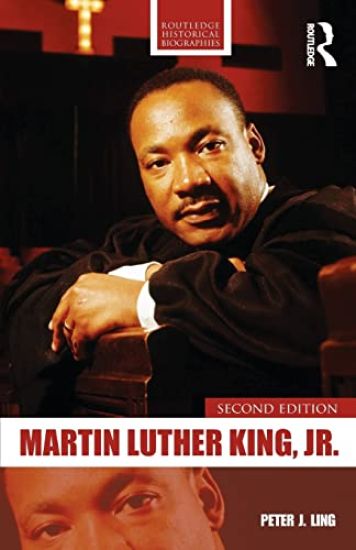
Peter Ling’s acclaimed biography of Martin Luther King Jr provides a thorough re-examination of both the man and the Civil Rights Movement, showing how King grew into his leadership role and kept his faith as the challenges facing the movement strengthened after 1965. Ling combines a detailed narrative of Martin Luther King’s life with the key historiographical debates surrounding him and places both within the historical context of the Civil Rights Movement. This fully revised and updated second edition includes an extended look at Black Power and a detailed analysis of the memorialization of King since his death, including President Obama’s 50th anniversary address, and how conservative spokesmen have tried to appropriate King as an advocate of colour-blindness. Drawing on the wide-ranging and changing scholarship on the Civil Rights Movement, this volume condenses research previously scattered across a larger literature. Peter Ling's crisp and fluent style captures the drama, irony and pathos of King's life and provides an excellent introduction for students and others interested in King, the Civil Rights movement, and America in the 1960s.
This book, first published in 1990, summarizes and evaluates the contribution of Martin Buber as a theorist of myth. Buber provides explicit guidelines for understanding and evaluating myths. He describes reality as twofold: people live either in a world of things, to which they relate as a subject controlling its objects, or in a world of self-conscious others, with whom one relates as fellow subjects. Human beings require both types of reality, but also a means of moving from one to the other. Buber understands myths as one such means by which people pass from I-It reality to I-You meeting. In studying myths, he focuses on the myths in the traditions he knows best, but offers his advice and interpretation of mythology and scholarship about mythology generally.