Kirjojen hintavertailu. Mukana 12 096 940 kirjaa ja 12 kauppaa.

Kirjahaku

Etsi kirjoja tekijän nimen, kirjan nimen tai ISBN:n perusteella.

1000 tulosta hakusanalla Meta Lander

Systematic Review and Meta-Analysis

Systematic Review and Meta-Analysis

ELSEVIER SCIENCE PUBLISHING CO INC
2024
nidottu
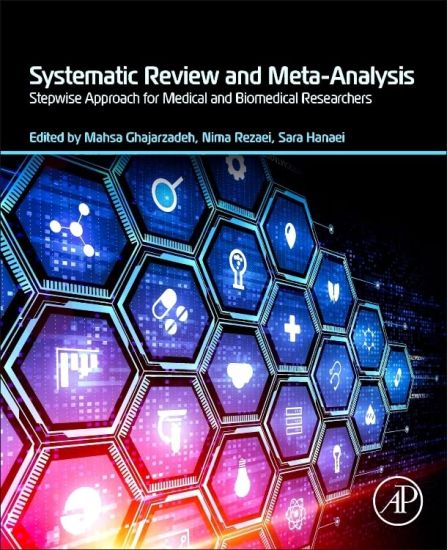
Systematic Review and Meta-Analysis: Stepwise Approach for Medical and Biomedical Researchers presents a step-by-step approach to develop systematic reviews and meta-analysis for biomedical and medical research. Systematic reviews are the highest quality evidence in medical research, providing an answer to a specific question, and they can be developed in the form of comprehensive literature search, critical appraisal, and synthesis of the evidence. Systematic reviews and meta-analysis are key elements of evidence-based medicine by summarizing the results of previous studies with the use of specific and reliable methods. Initially, systematic review and meta-analysis were exclusive to clinical trials, however systematic reviews of observational and diagnostic studies have expanded, making it essential for members of the field to master those techniques. This practical reference is a valuable resource for biostaticians, researchers, students, and members of medical and biomedical fields who need to understand more about systematic reviews and meta-analysis in their research work.
Cognitive and Meta Learning Strategies in Biomedical Research and Healthcare
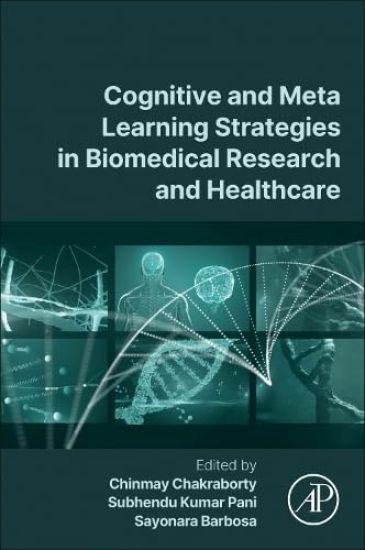
Cognitive and Meta Learning Strategies in Biomedical Research Healthcare examines the dynamic intersection of cognitive science and meta-learning within the realm of biomedical research. The book addresses how to overcome the complexities of contemporary health challenges by harnessing the power of advanced learning methodologies, such as cognitive processes and meta learning
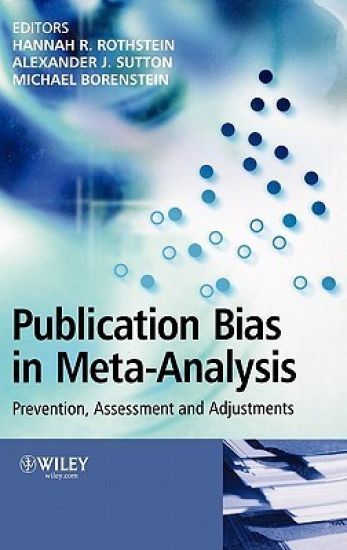
Publication Bias in Meta-Analysis
Publication bias is the tendency to decide to publish a study based on the results of the study, rather than on the basis of its theoretical or methodological quality. It can arise from selective publication of favorable results, or of statistically significant results. This threatens the validity of conclusions drawn from reviews of published scientific research. Meta-analysis is now used in numerous scientific disciplines, summarizing quantitative evidence from multiple studies. If the literature being synthesised has been affected by publication bias, this in turn biases the meta-analytic results, potentially producing overstated conclusions. Publication Bias in Meta-Analysis examines the different types of publication bias, and presents the methods for estimating and reducing publication bias, or eliminating it altogether. Written by leading experts, adopting a practical and multidisciplinary approach. Provides comprehensive coverage of the topic including: Different types of publication bias,Mechanisms that may induce them,Empirical evidence for their existence,Statistical methods to address them,Ways in which they can be avoided. Features worked examples and common data sets throughout.Explains and compares all available software used for analysing and reducing publication bias.Accompanied by a website featuring software, data sets and further material. Publication Bias in Meta-Analysis adopts an inter-disciplinary approach and will make an excellent reference volume for any researchers and graduate students who conduct systematic reviews or meta-analyses. University and medical libraries, as well as pharmaceutical companies and government regulatory agencies, will also find this invaluable.
Methods for Meta-Analysis in Medical Research

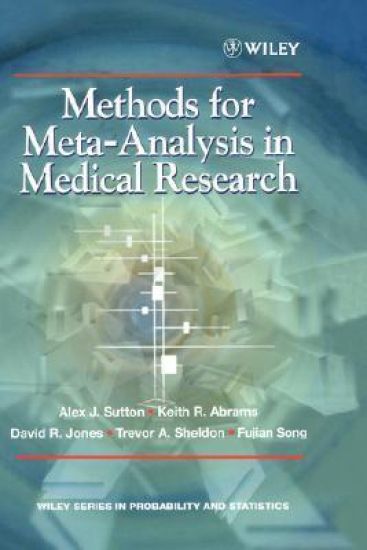
Methods for Meta-Analysis in Medical Research

Alexander J. Sutton; Keith R. Abrams; David R Jones; Trevor A. Sheldon; Fujian Song

John Wiley Sons Inc
2000
sidottu
Meta-analysis provides a framework for combining the results of several clinical trials and drawing inferences about the effectiveness of medical treatments. The move towards evidence-based health care and practice is underpinned by the use of meta-analysis. Meta-analysis methods play a crucial role in health research and have been developed substantially over the last five years. * Provides a thorough criticism and an up-to-date survey of meta-analysis methods * Emphasises the practical approach, and illustrates the methods by numerous examples * Describes the use of Bayesian methods in meta-analysis * Includes discussion of appropriate software for each analysis * Includes numerous references to more advanced treatment of specialist topics * Refers to software code used in the examples available on the authors' Web site Practising statisticians, statistically minded clinicians and health research professionals will benefit greatly from the clear presentation and numerous examples. Medical researchers will grasp the basic principles of meta-analysis, and learn how to apply the various methods.
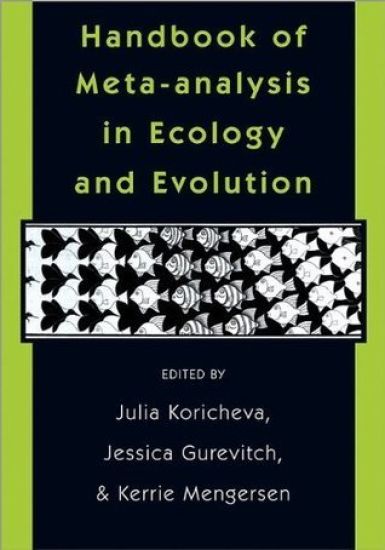
Handbook of Meta-analysis in Ecology and Evolution
Meta-analysis is a powerful statistical methodology for synthesizing research evidence across independent studies. This is the first comprehensive handbook of meta-analysis written specifically for ecologists and evolutionary biologists, and it provides an invaluable introduction for beginners as well as an up-to-date guide for experienced meta-analysts. The chapters, written by renowned experts, walk readers through every step of meta-analysis, from problem formulation to the presentation of the results. The handbook identifies both the advantages of using meta-analysis for research synthesis and the potential pitfalls and limitations of meta-analysis (including when it should not be used). Different approaches to carrying out a meta-analysis are described, and include moment and least-square, maximum likelihood, and Bayesian approaches, all illustrated using worked examples based on real biological datasets. This one-of-a-kind resource is uniquely tailored to the biological sciences, and will provide an invaluable text for practitioners from graduate students and senior scientists to policymakers in conservation and environmental management. * Walks you through every step of carrying out a meta-analysis in ecology and evolutionary biology, from problem formulation to result presentation * Brings together experts from a broad range of fields * Shows how to avoid, minimize, or resolve pitfalls such as missing data, publication bias, varying data quality, nonindependence of observations, and phylogenetic dependencies among species * Helps you choose the right software * Draws on numerous examples based on real biological datasets
Handbook of Meta-analysis in Ecology and Evolution
Meta-analysis is a powerful statistical methodology for synthesizing research evidence across independent studies. This is the first comprehensive handbook of meta-analysis written specifically for ecologists and evolutionary biologists, and it provides an invaluable introduction for beginners as well as an up-to-date guide for experienced meta-analysts. The chapters, written by renowned experts, walk readers through every step of meta-analysis, from problem formulation to the presentation of the results. The handbook identifies both the advantages of using meta-analysis for research synthesis and the potential pitfalls and limitations of meta-analysis (including when it should not be used). Different approaches to carrying out a meta-analysis are described, and include moment and least-square, maximum likelihood, and Bayesian approaches, all illustrated using worked examples based on real biological datasets. This one-of-a-kind resource is uniquely tailored to the biological sciences, and will provide an invaluable text for practitioners from graduate students and senior scientists to policymakers in conservation and environmental management. * Walks you through every step of carrying out a meta-analysis in ecology and evolutionary biology, from problem formulation to result presentation * Brings together experts from a broad range of fields * Shows how to avoid, minimize, or resolve pitfalls such as missing data, publication bias, varying data quality, nonindependence of observations, and phylogenetic dependencies among species * Helps you choose the right software * Draws on numerous examples based on real biological datasets
The Foundations of Meta-Technics

The Foundations of Meta-Technics

Ernesto Mayz Vallenilla

University Press of America
2004
nidottu
The Foundations of Meta-Technics is a rigorous phenomenological analysis of the transcendence of anthropomorphic, anthropocentric, and geocentric technology in terms of the new meta-technical forms of space and time. The book draws out the epistemological and ontological implications of an emerging meta-technical supernature in which space and time are perceived by trans-human means and from trans-terrestrial perspectives. This book is especially valuable to philosophers in either the phenomenological or continental tradition.
Intelligent Strategies for Meta Multiple Criteria Decision Making
Multiple criteria decision-making research has developed rapidly and has become a main area of research for dealing with complex decision problems which require the consideration of multiple objectives or criteria. Over the past twenty years, numerous multiple criterion decision methods have been developed which are able to solve such problems. However, the selection of an appropriate method to solve a particular decision problem is today's problem for a decision support researcher and decision-maker. Intelligent Strategies for Meta Multiple Criteria Decision-Making deals centrally with the problem of the numerous MCDM methods that can be applied to a decision problem. The book refers to this as a `meta decision problem', and it is this problem that the book analyzes. The author provides two strategies to help the decision-makers select and design an appropriate approach to a complex decision problem. Either of these strategies can be designed into a decision support system itself. One strategy is to use machine learning to design an MCDM method. This is accomplished by applying intelligent techniques, namely neural networks as a structure for approximating functions and evolutionary algorithms as universal learning methods. The other strategy is based on solving the meta decision problem interactively by selecting or designing a method suitable to the specific problem, for example, the constructing of a method from building blocks. This strategy leads to a concept of MCDM networks. Examples of this approach for a decision support system explain the possibilities of applying the elaborated techniques and their mutual interplay. The techniques outlined in the book can be used by researchers, students, and industry practitioners to better model and select appropriate methods for solving complex, multi-objective decision problems.
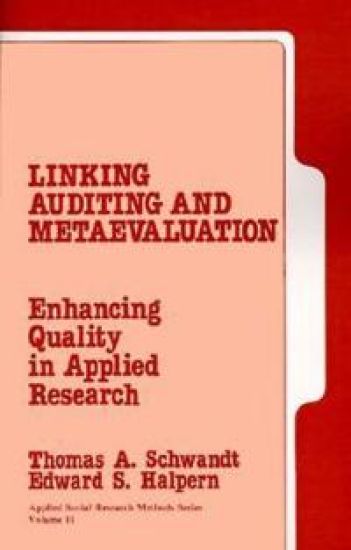
Linking Auditing and Meta-Evaluation
I have reviewed the Thomas A. Schwandt and Edward S. Halpern book and find it to be both timely and a needed resource in the area of program evaluation. --Robert W. Covert, Evaluation Research Center, University of Virginia "Very clearly and systematically presented and will be of considerable value to evaluation practitioners and consumers of evaluation reports as well as to those directly involved in the conduct of meta-evaluations. For the meta-evaluator this book is probably the clearest and most comprehensive handbook available, and it will surely be found invaluable by anyone required to conduct a meta-evaluation of either a naturalistic or a conventional evaluation. Evaluation practitioners will find the book extremely helpful as it will force them to think more rigorously about the design and execution of their studies and to document more carefully their work. . . . This is an extremely well written and useful book which is sure to find a wide audience among all who are concerned with assessing and enhancing the quality of evaluations." --Evaluation Practice This book provides a detailed discussion of the use of an auditing model for judging the quaity of naturalistic inquiries. The approach can be used retrospectively in judging the quality or trustworthiness of a naturalistic study upon its completion. It can be applied prospectively as well in planning a naturalistic study, for example in determining what ought to be placed in an audit trail and what might be done to increase the likelihood that trustworthiness criteria will be satisfied at the conclusion of the study. Detailed information is provided on constructing an audit trail from the written materials generated in a naturalistic study, conducting an audit (including specific auditor tasks and questions that focus the audit examination), and preparing an audit report.
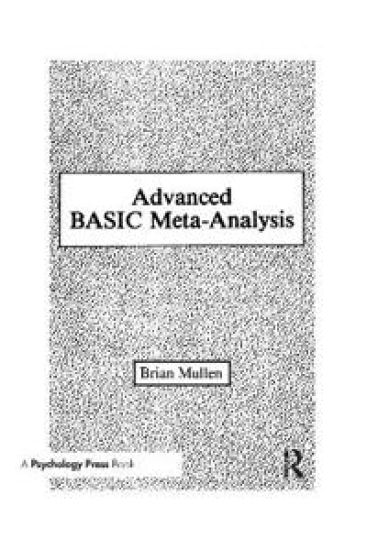
Advanced Basic Meta-analysis

Advanced Basic Meta-analysis

Brian Mullen

Psychology Press
1989
sidottu
In response to the growing emphasis on precision in the summarization and integration of research literature, Advanced BASIC Meta-Analysis presents an overview of strategies, techniques, and procedures used in meta-analysis. The book and software provide an integrated and comprehensive combination of meta-analytic tools for the statistical integration of independent study results. Advanced BASIC Meta-Analysis has three distinct goals: * to provide a clear and user-friendly introduction to the procedures and rules of effective meta-analytic integration; * to present the implicit assumptions and strategies that guide successful meta-analytic integrations; and * to develop a meta-analytic database management system that allows users to create, modify, and update a database, including the relevant statistical information and predictors, for a given research domain. The companion software system allows users to perform a full complement of meta-analytic statistical functions with the speed and flexibility of a database management system. It can also construct a wide array of meta-analytic graphic displays. This text and software package serves as a useful introduction to the quantitative assessment of research domains for those new to meta-analyses. It is also a valuable sourcebook for those who have already conducted meta-analyses.
A Guide to Qualitative Meta-synthesis

A Guide to Qualitative Meta-synthesis

Deborah Finfgeld-Connett

CRC Press Inc
2018
sidottu
A Guide to Qualitative Meta-synthesis provides accessible guidelines for conducting all phases of theory-generating meta-synthesis research, including data collection, analysis, and theory generation. It is a research methodology that is designed to generate evidence-based theory by extracting, analyzing, and synthesizing qualitative findings from across published investigations. These theories provide scaffolding that can be used by health-care providers and other professionals to make context-based decisions and implement situation-specific actions.Theory-generating meta-synthesis methods stem from the qualitative research paradigm, especially grounded theory. Systematic and rigorous methods are used to identify topically related research reports that provide qualitative findings for analysis. The subsequent analysis of the data goes beyond merely reorganizing and recategorizing research findings. Newly synthesized concepts are developed, and the dynamic relationships among them are fully articulated. The validity of the resultant theory is ensured based on theoretical, methodological, and researcher triangulation; unbiased data collection and sampling strategies; inductive-deductive data analysis and synthesis strategies; and continuous reflexivity.Meta-synthesis-generated theories are highly important in environments where the use of normalized algorithms, guidelines, and protocols are on the rise. The types of theories discussed in this book will help service providers customize standardized tools so that the most effective evidence-based, yet individualized, interventions can be implemented.
A Guide to Qualitative Meta-synthesis

A Guide to Qualitative Meta-synthesis

Deborah Finfgeld-Connett

CRC Press Inc
2018
nidottu
A Guide to Qualitative Meta-synthesis provides accessible guidelines for conducting all phases of theory-generating meta-synthesis research, including data collection, analysis, and theory generation. It is a research methodology that is designed to generate evidence-based theory by extracting, analyzing, and synthesizing qualitative findings from across published investigations. These theories provide scaffolding that can be used by health-care providers and other professionals to make context-based decisions and implement situation-specific actions.Theory-generating meta-synthesis methods stem from the qualitative research paradigm, especially grounded theory. Systematic and rigorous methods are used to identify topically related research reports that provide qualitative findings for analysis. The subsequent analysis of the data goes beyond merely reorganizing and recategorizing research findings. Newly synthesized concepts are developed, and the dynamic relationships among them are fully articulated. The validity of the resultant theory is ensured based on theoretical, methodological, and researcher triangulation; unbiased data collection and sampling strategies; inductive-deductive data analysis and synthesis strategies; and continuous reflexivity.Meta-synthesis-generated theories are highly important in environments where the use of normalized algorithms, guidelines, and protocols are on the rise. The types of theories discussed in this book will help service providers customize standardized tools so that the most effective evidence-based, yet individualized, interventions can be implemented.
Hacia la Meta

Hacia la Meta

Floyd C Woodworth

Vida Publishers
2000
pokkari
It doesn't matter if you study in a class room or in the comfort of your home. 'To the Goal' will orientate you in a clear and simple way in order to fulfill God's purposes. Because of the demand from the people of God to have more knowledge in the development of the gospel it was necessary to do this book. This book will guide the student wants to have better results in their studies. Some of the questions the author answers are: Why study?What is more important?How to study with successHow do I get more knowledge from studying'To the Goal' is a book that all Christians should have if they have decided to give the best of themselves to the Lord.
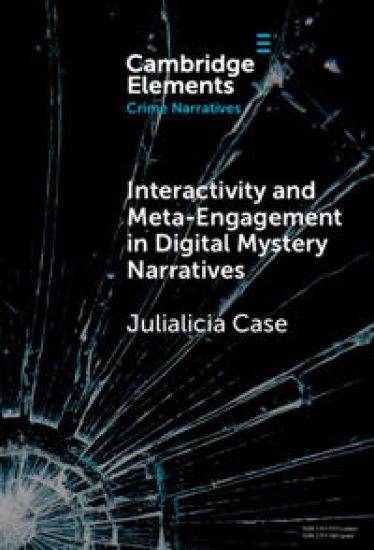
Interactivity and Meta-Engagement in Digital Mystery Narratives
This Element provides an in-depth analysis of digital mystery game narratives through the lens of game studies approaches, game design principles, and literary theory. Beginning with an overview of important game studies concepts, the Element argues that the narrative effects of video games cannot be fully understood without an understanding of these principles. Next, the Element incorporates these ideas into a detailed analysis of digital mystery stories, illustrating how game design elements augment and enhance narrative impact. Finally, the Element applies these principles to several print texts, illustrating how game studies principles help to articulate interactive strategies. Ultimately, this Element argues that incorporating digital mystery narratives into the field of crime studies goes beyond simply broadening the canon, but rather that an understanding of game studies principles has the potential to augment discussions of interactivity and reader participation in all crime narratives, regardless of media form.
Interactivity and Meta-Engagement in Digital Mystery Narratives
This Element provides an in-depth analysis of digital mystery game narratives through the lens of game studies approaches, game design principles, and literary theory. Beginning with an overview of important game studies concepts, the Element argues that the narrative effects of video games cannot be fully understood without an understanding of these principles. Next, the Element incorporates these ideas into a detailed analysis of digital mystery stories, illustrating how game design elements augment and enhance narrative impact. Finally, the Element applies these principles to several print texts, illustrating how game studies principles help to articulate interactive strategies. Ultimately, this Element argues that incorporating digital mystery narratives into the field of crime studies goes beyond simply broadening the canon, but rather that an understanding of game studies principles has the potential to augment discussions of interactivity and reader participation in all crime narratives, regardless of media form.
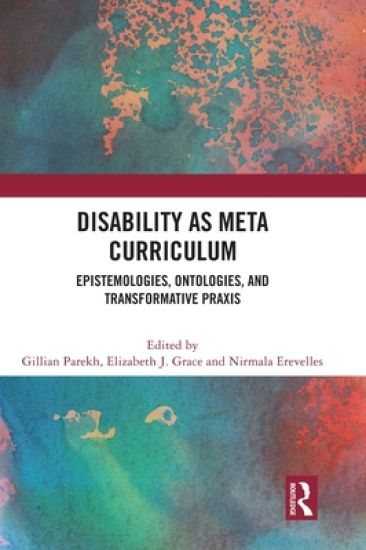
Disability as Meta Curriculum
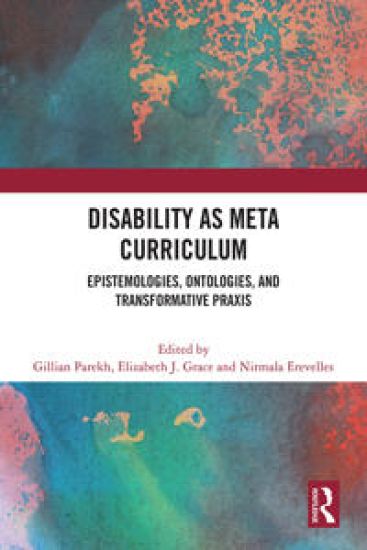
This edited book makes an epistemic claim that disability studies’ approaches to curriculum are doing more than merely critiquing how privileged knowledge excludes disability from curriculum theory and praxis. The scholars, in this volume, argue, instead, that Disability Studies embodies an epistemic space that not only demonstrates its difference from the normative curriculum, it exceeds curriculum’s confining boundaries. Thus, they argue for a “curriculum about curriculum”—one that critically investigates the epistemological, ontological, and pedagogical claims of the normative curriculum from the critical standpoint of disability.Conceptualizing curriculum as cultural politics, each chapter offers a theorization of disability via a critical intersectional lens that addresses the following questions: What are the epistemological barriers/possibilities encountered when disability is brought into the intellectual ambit of curriculum theory? What would curriculum theory look like if disabled people re-imagined the curriculum? What is the link between curriculum and conceptions of specialized programming for students identified as disabled? And most critically, how do approaches to schooling and conceptions of ability within curriculum studies enact forms of racism, sexism, and heteronormativity as well as are complicit in the construction and removal of the disabled body from mainstream education? This book was originally published as a special issue of the journal Curriculum Inquiry.
Disability as Meta Curriculum
This edited book makes an epistemic claim that disability studies’ approaches to curriculum are doing more than merely critiquing how privileged knowledge excludes disability from curriculum theory and praxis. The scholars, in this volume, argue, instead, that Disability Studies embodies an epistemic space that not only demonstrates its difference from the normative curriculum, it exceeds curriculum’s confining boundaries. Thus, they argue for a “curriculum about curriculum”—one that critically investigates the epistemological, ontological, and pedagogical claims of the normative curriculum from the critical standpoint of disability.Conceptualizing curriculum as cultural politics, each chapter offers a theorization of disability via a critical intersectional lens that addresses the following questions: What are the epistemological barriers/possibilities encountered when disability is brought into the intellectual ambit of curriculum theory? What would curriculum theory look like if disabled people re-imagined the curriculum? What is the link between curriculum and conceptions of specialized programming for students identified as disabled? And most critically, how do approaches to schooling and conceptions of ability within curriculum studies enact forms of racism, sexism, and heteronormativity as well as are complicit in the construction and removal of the disabled body from mainstream education? This book was originally published as a special issue of the journal Curriculum Inquiry.