This biography introduces readers to Theodore Roosevelt including his early political career and key events from Roosevelt's administration including building of the Panama Canal, creating the Department of Commerce and Labor, and winning the Nobel Prize. Information about his childhood, family, personal life, and retirement years is included. A timeline, fast facts, and sidebars provide additional information. Aligned to Common Core Standards and correlated to state standards. Checkerboard Library is an imprint of Abdo Publishing, a division of ABDO.
" ...Le voyageur qui longe la c te africaine de la Mer-Rouge et qui n'a eu sous les yeux, depuis Suez, que des dunes ou de petites montagnes fauves, d cousues, monotones d'aspect, voit, en approchant de l' lot madr porique de Massaoua, se profiler l'horizon une sorte de longue et haute muraille que dominent, comme des vigies, trois ou quatre cimes ordinairement perdues dans les nuages. C'est la rampe la plus avanc e d'un immense plateau de deux cents lieues de large sur une longueur encore mal d termin e, et ce plateau, qui surplombe le littoral d'une hauteur moyenne de 2,300 m tres, est toute l'Abyssinie. Jamais tat n'eut ses limites trac es d'une main plus inflexible par la nature. Ce plateau, qui a la temp rature moyenne de l'Europe centrale, et o peine un vingti me du sol demeure sans culture, est compos de terres arables pouvant lutter de f condit avec celles de la Flandre ou de l'Ukraine, sillonn es par deux fleuves et deux cents rivi res ou ruisseaux permanents dont les eaux, habilement am nag es, entretiennent partout la v g tation et la vie. Au pied des montagnes, une plaine jaune, nue, pierreuse et ondul e, sem e de gommiers et autres arbres pineux, prolonge jusqu' la mer ses sables et ses lits de torrents dess ch s, o quelques milliers de nomades cherchent d'indigentes p tures et des eaux souvent saum tres. L'air br lant qu'on y respire est funeste aux Abyssins, qui y trouvent le redoutable nefas, la fi vre mortelle des basses terres: aussi ne paraissent-ils y avoir form depuis des si cles aucun tablissement durable. Il est vrai que la m me cause physique qui leur d fend les conqu tes au Soudan les a toujours garantis contre leurs voisins musulmans du Nil ou de la Mer-Rouge..."
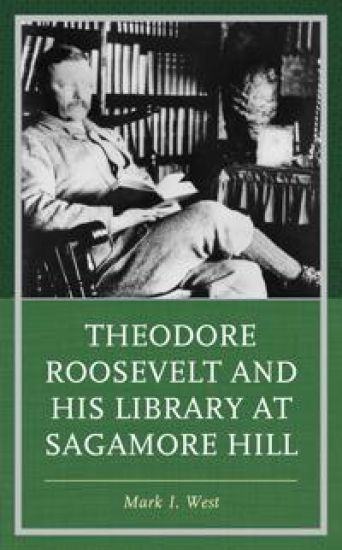
Theodore Roosevelt and His Library at Sagamore Hill explores Roosevelt’s passion for reading, the role that reading books played in his political career, and an overview of the history of his personal library complete with photographs of the library as it still exists at Sagamore Hill.
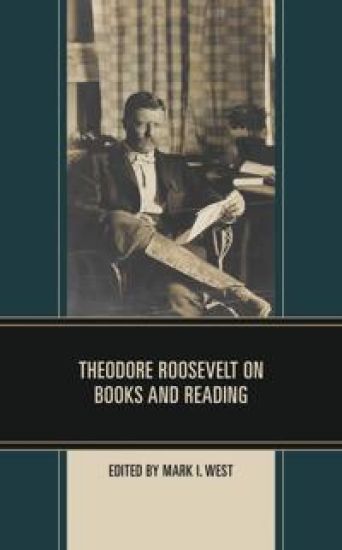
President Theodore Roosevelt had a passion for reading books, and he did not keep this passion to himself. He often wrote about his experiences as a reader and collector of books. He wrote scholarly essays about literature and literary history. He often wrote book reviews for such publications as The Atlantic Monthly, The Bookman, The Outlook, and The New York Times Review of Books. Roosevelt’s writings about books are worth reading for their own sake, for in these pieces he provided critical insights into influential books. His writings about books, however, are also important because they show how Roosevelt responded to the books that he read. Roosevelt’s reading influenced his thinking on the many topics that interested him, so these writings provide researchers with a better understanding of the role that books played in the formation of his ideas, attitudes, and political positions.Theodore Roosevelt on Books and Reading brings together for the first time Roosevelt’s writings about his experiences as a reader, his scholarly essays about literature and literary history, and his exuberant reviews of some of the books that he especially liked. A sister volume to Mark I. West’s Theodore Roosevelt and His Library at Sagamore Hill, this new volume features Roosevelt’s own responses to many of the books in his personal library. All of the selections in this volume reflect Roosevelt’s passion for reading. These selections will resonate with anyone who shares Roosevelt’s love of books.
Rapidly disappearing bison in the late 1800s prompted progressive thinkers to call for the preservation of wild lands and wildlife in North America. Following a legendary hunt for the last wild bison in central Montana, Dr. William Hornady sought to immortalize the West's most iconic species. Activists like Theodore Roosevelt rose to the call, initiating a restoration plan that seemed almost incomprehensible in that era. Follow the journey from the first animals bred at the Bronx Zoo to today's National Bison Range. Glenn Plumb, retired National Park Service chief wildlife biologist, and Keith Aune, retired Wildlife Conservation Society director of bison programs, detail Roosevelt's conservation legacy and the landmark efforts of many others.



![Plays of the Natural and the Supernatural[1916], by Theodore Dreiser](/covers/9781530999354.jpg)