

Kirjahaku
Etsi kirjoja tekijän nimen, kirjan nimen tai ISBN:n perusteella.
1000 tulosta hakusanalla David J. Fitzpatrick
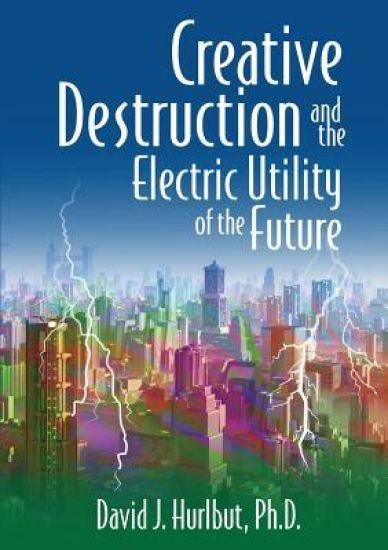
Creative Destruction and the Electric Utility of the Future
David J Hurlbut
David Hurlbut
2017
pokkari
The electricity business is changing so fast and so radically that what you think you know about it is probably wrong. A deep evolution is at work, never apparent in headlines or social media unless you know how the clues fit together. The old world is quietly giving way to a new one--disrupting the traditional utility culture, creating greater choices for customers, even affecting the industry's response to global warming.David J. Hurlbut brings nearly three decades of professional and academic experience to this work, including electricity market design and monitoring, renewable energy policy, and advice to other countries seeking to learn from U.S. experience. As he states at the end of the book, "Creative destruction is rapidly bringing the world of electricity to a critical and unavoidable juncture that requires a choice: deny the inevitable, prop up failing enterprises whose time has passed, and let future generations clean up the mess; or acknowledge and adapt to the change, and find ways now to make the transition easier for all who will be affected."
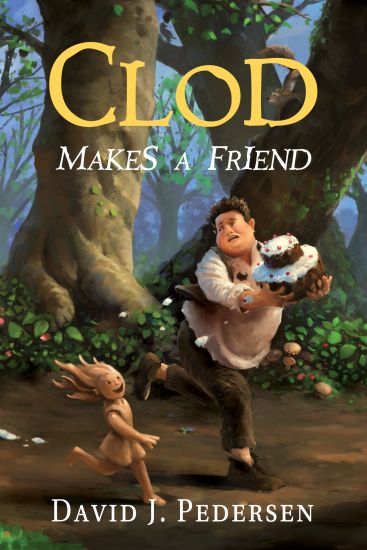
Best Friend Ever?Bullies love to hate Clod. Not just because he's bigger, clumsier, and uglier than his classmates - he's also the only student in his school without magic. In a world where all magic is possible and everyone else is born with great gifts to do amazing things, Clod is alone.Living with his mum in a broken-down cottage on barely enough, the only thing Clod has to play with is the clay she occasionally brings him. Bleak is an understatement. More than anything, Clod wants a friend. The only way that's going to happen, is to make one himself.After an angry visit from the worst of the bullies, his teacher Learned Yugen, Clod's clay sculpture of a little girl comes to life and introduces herself as Ada. For a clay girl barely the size of his hand, she has more confidence and courage than he knows what to do with. Every adventure she leads him on gets Clod into trouble. She may be the friend he wants, but is she the friend he needs?After many years, and too many pranks, Yugen becomes convinced that Clod is tainted by the evil slowly infiltrating the Kingdom of Pag. Especially when Ada isn't the only one Clod can bring to life.Clod Makes A Friend is a bittersweet fairy tale for all ages from David J. Pedersen, author of the Angst series of fantasy novels.
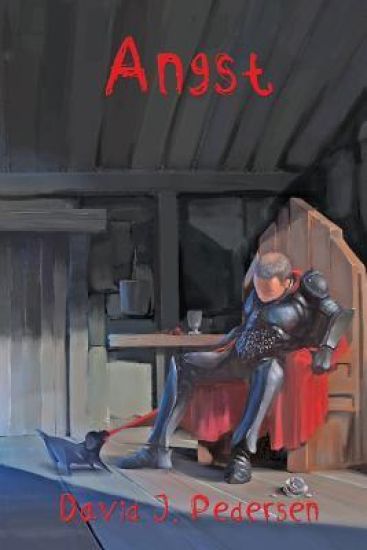
When Angst turned 40, he knew it was over. Angst had longed to be a knight of Unsel, to make his mark in history, to be remembered for heroic deeds and wondrous acts. He grew up knowing he was destined for something great, but now it is too late. Not only is 40 far too old to become a knight, Angst is one of the few able to wield "the magics."For 2,000 years magic has been outlawed, repressed, even outright destroyed throughout the world of Ehrde. By law, Angst is reduced to using his great power only to file papers. His marriage is on the rocks, his friends are bored with him, and he hates his job. The one person that makes him happy is the young Princess Victoria who seems to adore him. Unfortunately, that makes his boss, the Queen, hate him.Without warning, Unsel is besieged with dangerous monsters - birds with metallic beaks, monkey creatures that can dive through solid ground, mindless horse-eating giants. The world that shunned magic now turns to Angst for help, and he is happy to listen once his back stops hurting.On the edge of a mid-life crisis, Angst drags his reluctant friends along with him on an adventure into the heart of magic. He's not sure where they're going, what they'll find, or even if they'll survive. But he knows this is his one chance to be a hero because the only way to fight magic is with magic.
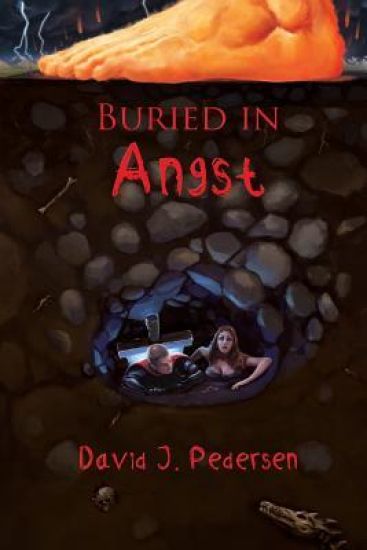
A little flirting never hurt anyone, right? It takes more than just a new job and a new mount to resolve a midlife crisis, but will the temptation of a younger woman really make it better? Angst had found the adventure he was looking for and got to be the hero, but those days are behind him. To save the ones he loves most, he had to sacrifice his bond with the sword that allowed him to be a hero.Now, Unsel faces a new threat. With the mysterious destruction of a large coastal city, Angst sets out to discover the cause. He soon learns that a war between the Elements is coming, and humans are in the way. It's hard to fight back when Angst is dying, the removal of his bond to the great sword Chryslaenor slowly killing him. Angst needs a sword to live, but Chryslaenor has been stolen His friends reluctantly join him on another quest, but where do they start? Rose is missing, Angst's focus and spirit is broken, he has somehow upset the Elements of Ehrde, and a newcomer wants to overtake the throne. What could make things worse? Perhaps a kiss from Princess Victoria's younger cousin, Alloria?Buried in Angst is David J. Pedersen's sequel to his first fantasy novel, Angst. Join Angst and his friends as they continue... A Midlife Crisis in Medieval Times
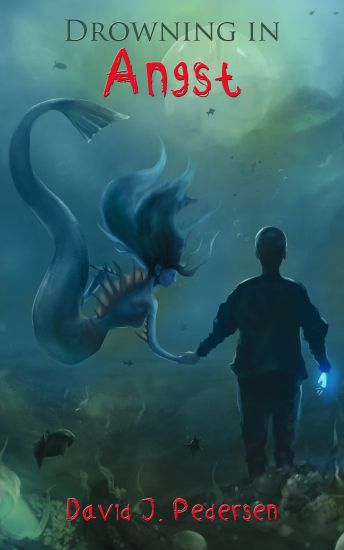
The five elements are at war and Ehrde is their battlefield. The only one who can possibly protect the inhabitants, is a hero bonded to a foci, a weapon of unimaginable power. Unfortunately, the hero is having a little problem.Bonding with the giant sword saved Angst's life, but didn't make it easier. All of the great power that comes with wielding a foci is now out of control. Angst just wanted to be a hero, a knight of Unsel, but his mid-life crisis has created a trail of destruction, including the death of Water's beloved. Now, to save Rose, Angst and his friends must cross the ocean where Water is most powerful. But how can he keep them safe when the very sword that makes him a hero doesn't work right?Drowning in Angst is the third fantasy novel in David J. Pedersen's Angst series. Join Angst and his friends as they continue... A Midlife Crisis in Medieval Times
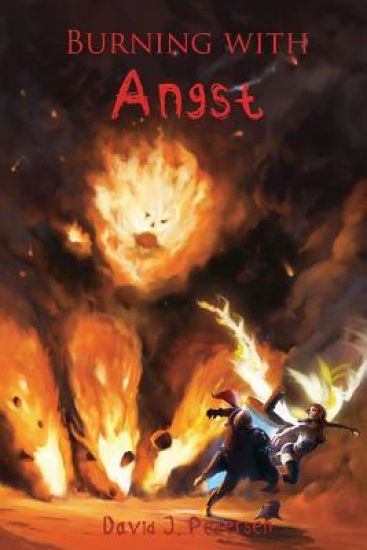
Three months after the attack on Princess Victoria, Angst learns that his friends are still missing, and his wife is kicking him out. If that's not enough, the war between elements has taken its toll on Ehrde, and now, a war between nations seems inevitable. Fortunately, there are only two elements remaining. Unfortunately, they have combined forces to destroy Angst and everyone he loves. It seems Angst's midlife crisis may be anything but simple.None of this was in the hero rulebook he never got, but Angst has a plan It's not a very good plan--actually, it's a really bad plan, but with help from some unexpected allies, he sets out to find his friends, save Unsel, and return home before his wife leaves him forever. What could possibly go wrong?Burning with Angst is the fourth fantasy novel in David J. Pedersen's Angst series. Join Angst and his friends as they continue...A Midlife Crisis in Medieval Times
Crime and Policing in the Twentieth Century
David J. V. Jones
University of Wales Press
1996
nidottu
The nature of crime and policing has changed considerably in the 20th century. Using South Wales as a case study, this text places the discussion in its historical context, and contributes to debates on crime, policing and punishment. South Wales has the geography of a county police, and some of the problems of a metropolitan police area. The local police force patrol isolated villages and market streets, old and new industral centres, seaport and seaside towns, and the large cities of Cardiff and Swansea.
This book reveals some of the exciting inter-relations between Gothic Horror literature, film and magic lantern shows. It is an innovative work, providing new insights into how Gothic Horror as a whole started, with the genesis of the Frankenstein films, and encourages the reader to think of the relations between such books and films as one vibrant set of energies. It examines the connection between Gothic and film studies and the media. Jones provides a useful referencing tool for academic departments and explores the advent of film in the 1890's and its relation to French Symbolist literature, and the Lumieres Brothers, as well as the link between Schiller, de Sade and Robertson's Fantasmagorie.

First published in 1993. This book is situated at the intersection of three main areas of international relations research. The first of these areas is the study of international organisations. The second area of inquiry is international relations theory the decisions reached within international organisations are generally the result of some form of bargaining among their members, an examination of the negotiations that go on among member countries is necessary in order to understand the functioning of these organisations. The choice of the OECD as a subject of investigation stemmed from an interest in a third area of study, international political economy, in particular the relations among countries in the field of international trade.
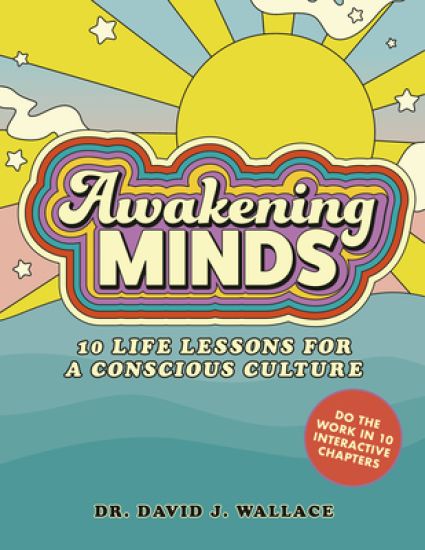
Challenge yourself to become a happier person and create a better world in this uplifting and spiritually nourishing workbook. With a focus on social justice and structured around ten empowering life lessons, educator Dr David J. Wallace shows us how we can reflect on ourselves and draw from within to become the happiest, most socially conscious and fulfilled versions of ourselves. Taking one lesson at a time, this interactive book helps us recognise our own flaws and traumas so that we can move beyond these, harnessing the power within us to create conscious change. This book encourages us to join in with the mindful prompts and meditative practices and to ask themselves reflective questions which help us to understand ourselves, who we are and who we want to be. Dr Wallace, an educator whose work helps organizations transform for the better through challenging prejudices and incorporating anti-racist principles, draws on his own experiences and life lessons learned to help shine light on human nature, conscious connections, and our mindful relationship to the world around us.Engage, question and relearn your beliefs with life lessons on: 2. Intellectual exile 3. Introspection 4. Purpose 5. Self-respect 6. Forgiveness 7. Soul-care 8. Integrity 9. Power 10. Peace, love, and liberationBeautifully illustrated by Gabrielle Mabazza, this is an essential self-help guide for creating a positive, fair and compassionate society which leads from the heart… Are you ready?
"Lepcis Magna", one of the greatest of the Roman cities of North Africa and one of the most famous archaeological sites in the Mediterranean, was situated in the region of Tripolitania. Birthplace of the Emperor Septimius Severus, the city has yielded many well-preserved monuments from its Roman past. Mattingly presents valuable information on the pre-Roman tribal background, the urban centres, the military frontier and the regional economy. He reinterprets many aspects of the settlement history of this marginal arid zone that was once made prosperous, and considers the wider themes of Romanization, frontier military strategy, and economic links between provinces and sources of elite wealth.
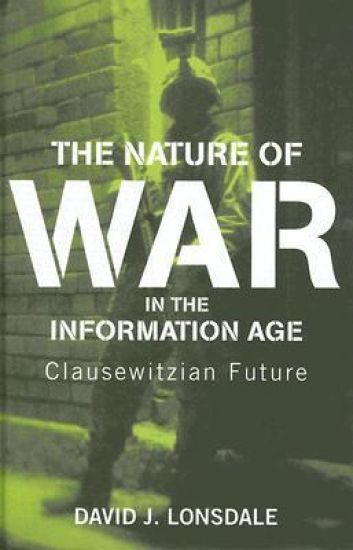
There has been a great deal of speculation recently concerning the likely impact of the 'Information Age' on warfare. In this vein, much of the Revolution in Military Affairs (RMA) literature subscribes to the idea that the Information Age will witness a transformation in the very nature of war. In this book, David Lonsdale puts that notion to the test. Using a range of contexts, the book sets out to look at whether the classical Clausewitzian theory of the nature of war will retain its validity in this new age. The analysis covers the character of the future battlespace, the function of command, and the much-hyped concept of Strategic Information Warfare. Finally, the book broadens its perspective to examine the nature of 'Information Power' and its implications for geopolitics. Through an assessment of both historical and contemporary case studies (including the events following September 11 and the recent war in Iraq), the author concludes that although the future will see many changes to the conduct of warfare, the nature of war, as given theoretical form by Clausewitz, will remain essentially unchanged.
There has been a great deal of speculation recently concerning the likely impact of the 'Information Age' on warfare. In this vein, much of the Revolution in Military Affairs (RMA) literature subscribes to the idea that the Information Age will witness a transformation in the very nature of war. In this book, David Lonsdale puts that notion to the test. Using a range of contexts, the book sets out to look at whether the classical Clausewitzian theory of the nature of war will retain its validity in this new age. The analysis covers the character of the future battlespace, the function of command, and the much-hyped concept of Strategic Information Warfare. Finally, the book broadens its perspective to examine the nature of 'Information Power' and its implications for geopolitics. Through an assessment of both historical and contemporary case studies (including the events following September 11 and the recent war in Iraq), the author concludes that although the future will see many changes to the conduct of warfare, the nature of war, as given theoretical form by Clausewitz, will remain essentially unchanged.
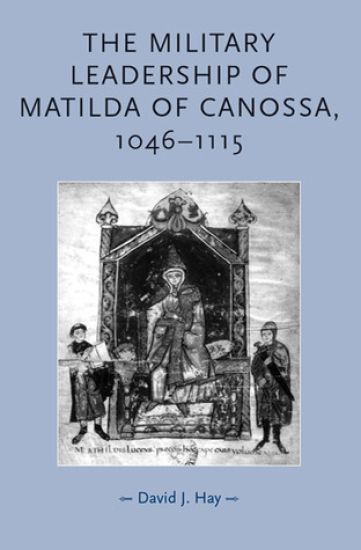
The Military Leadership of Matilda of Canossa, 1046-1115
David J. Hay
Manchester University Press
2008
sidottu
This is the first account in English of the entire, 40-year military career of one of the most powerful women of the Middle Ages. Challenging the boundaries between military and gender history, it explains how one famous noblewoman rose to the defence of the reforming papacy, defeated the Holy Roman Emperor and turned the tide of the first great war between Church and State. The military leadership of Matilda of Canossa adopts an interdisciplinary perspective towards the abundant and diverse sources for her life, reading the narrative sources against the letters, polemics, diplomas and canonical collections. It combines these to reconstruct Matilda's campaigns in painstaking detail, and reconsiders the limits of medieval women's military agency in light of her demonstrable successes. Both scholarly and accessible, all Latin quotations in the book are translated and the introduction provides a primer on the 'Investiture Contest'. This work will be of greatest value to specialists in medieval gender, military and church history.
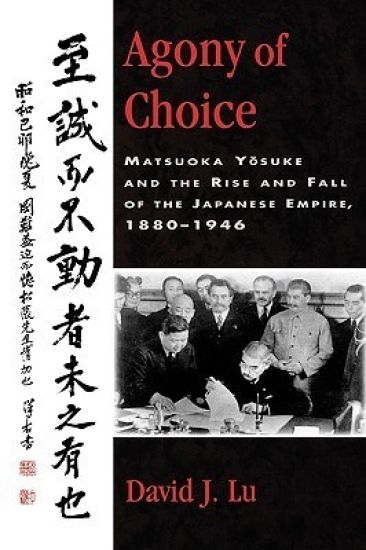
Agony of Choice, the life of Japanese statesman and diplomat Matsuoka Yosuke, offers a vivid narrative of twentieth-century Japanese diplomatic history. Matsuoka was an American-educated Japanese foreign minister who became a vocal advocate of Japanese expansionism in echo of the America he so admired. His promotion of alliances and relationships with countries such as Nazi Germany and the Soviet Union, however, not only led Japan to war with the United States but also led to Matsuoka's involvement with and eventual indictment for atrocities committed during the war. Through extensive archival research and fascinating personal interviews, David Lu explores Matsuoka's pivotal role in the drama of Japan's withdrawal from the League of Nations, empire-building in Asia, and the development of interwar Japanese politics.
Conglomerate Rock examines how the music industry is creating a new distribution infrastructure by dividing access to exclusive releases through different subscription services, hardware, and new media like audio DVDs in order to maximize profits. Author David J. Park argues that while these changes make it easier to see and hear artists from a handful of transnational corporations in commercial culture, access to music is becoming more dispersed, expensive and difficult to acquire. In addition, music and performers are increasingly being cross-promoted in films, television shows, commercials and other media owned by the Big 4 corporations. Conglomerate Rock critically analyzes these and other trends in order to provoke public discussion concerning the interaction between industry practice and music consumption. The present strategies employed by the industry will have long-term effects on the way consumers experience and access music, as well as how culture is viewed and portrayed in the United States and throughout the world.
Conglomerate Rock examines how the music industry is creating a new distribution infrastructure by dividing access to exclusive releases through different subscription services, hardware, and new media like audio DVDs in order to maximize profits. Author David J. Park argues that while these changes make it easier to see and hear artists from a handful of transnational corporations in commercial culture, access to music is becoming more dispersed, expensive and difficult to acquire. In addition, music and performers are increasingly being cross-promoted in films, television shows, commercials and other media owned by the Big 4 corporations. Conglomerate Rock critically analyzes these and other trends in order to provoke public discussion concerning the interaction between industry practice and music consumption. The present strategies employed by the industry will have long-term effects on the way consumers experience and access music, as well as how culture is viewed and portrayed in the United States and throughout the world.
Perhaps the most important histiographic innovation of the twentieth century was the application of the historical method to wider and more expansive areas of the past. Where historians once defined the study of history strictly in terms of politics and the actions and decisions of Great Men, historians today are just as likely to inquire into a much wider domain of the past, from the lives of families and peasants, to more abstract realms such as the history of mentalities and emotions. Historians have applied their method to a wider variety of subjects; regardless of the topic, historians ask questions, seek evidence, draw inferences from that evidence, create representations, and subject these representations to the scrutiny of other historians. This book severs the historical method from the past altogether by applying that method to a domain outside of the past. The goal of this book is to apply history-as-method to the study of the future, a subject matter domain that most historians have traditionally and vigorously avoided. Historians have traditionally rejected the idea that we can use the study of history to think about the future. The book reexamines this long held belief, and argues that the historical method is an excellent way to think about and represent the future. At the same time, the book asserts that futurists should not view the future as a scientist might—aiming for predictions and certainties—but rather should view the future in the same way that an historian views the past.
Perhaps the most important histiographic innovation of the twentieth century was the application of the historical method to wider and more expansive areas of the past. Where historians once defined the study of history strictly in terms of politics and the actions and decisions of Great Men, historians today are just as likely to inquire into a much wider domain of the past, from the lives of families and peasants, to more abstract realms such as the history of mentalities and emotions. Historians have applied their method to a wider variety of subjects; regardless of the topic, historians ask questions, seek evidence, draw inferences from that evidence, create representations, and subject these representations to the scrutiny of other historians. This book severs the historical method from the past altogether by applying that method to a domain outside of the past. The goal of this book is to apply history-as-method to the study of the future, a subject matter domain that most historians have traditionally and vigorously avoided. Historians have traditionally rejected the idea that we can use the study of history to think about the future. The book reexamines this long held belief, and argues that the historical method is an excellent way to think about and represent the future. At the same time, the book asserts that futurists should not view the future as a scientist might—aiming for predictions and certainties—but rather should view the future in the same way that an historian views the past.