Kirjojen hintavertailu. Mukana 12 083 983 kirjaa ja 12 kauppaa.

Kirjahaku

Etsi kirjoja tekijän nimen, kirjan nimen tai ISBN:n perusteella.

1000 tulosta hakusanalla Dide

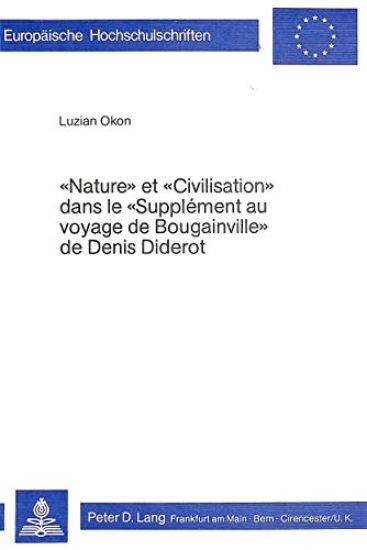
Nature Et Civilisation Dans Le Supplément Au Voyage de Bougainville de Denis Diderot
Cette etude sur Diderot et sur la notion de civilisation au siecle des Lumieres en Angleterre et en France se propose d'etre une contribution interdisciplinaire d'histoire, de philosophie et de litterature du XVIIIe siecle. Elle se base sur les plus recents travaux consacres a la notion de nature et de civilisation (Sergio Landucci, Pasquale Salvucci) et essaie, a la lumiere des recherches recentes faites en Angleterre et en France, d'effacer l'image peu satisfaisante que le XIXe siecle nous donne de Diderot et de mettre en evidence la vitalite de pensee du grand philosophe."
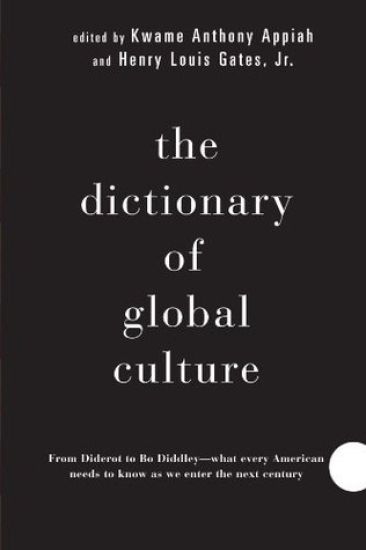
The Dictionary of Global Culture: What Every American Needs to Know as We Enter the Next Century--From Diderot to Bo Diddley
Reference/World History "Consistently informative, lively, and accurate . . . a pathbreaking achievement." --The New York Times Book Review s the world's axes of population, power, and commerce shift from North to South and from West to East, the old Eurocentric model of culture is giving way to a new global paradigm. This dictionary, which has been compiled by two of our most esteemed scholars, is the first work of its kind to devote equal emphasis to the cultural contributions of the non-Western world alongside those of Europe and North America. Prepared by regional experts from five continents (including both scholars from other cultures and Western scholars of other cultures), the book's more than 1,200 entries include: Chinua Achebe, Aeschylus, Bo Diddley, Denis Diderot, Martha Graham, The Great Leap Forward, Igbo, Inanna, Jainism, Henry James, John Milton, Yukio Mishima, Ramayana, Raphael, Fran ois Toussaint L'Ouverture, Trail of Tears, Zionism, Zydeco Vast in scope and lucidly written, The Dictionary of Global Culture is an indispensable reference for students, businesspeople, or anyone seeking a foothold in the civilization of the next millennium. "Detailed, accurate and solid. . . . It contains much to interest and inform." --Baltimore Sun
Free Will in Montaigne, Pascal, Diderot, Rousseau, Voltaire and Sartre

Free Will in Montaigne, Pascal, Diderot, Rousseau, Voltaire and Sartre

Mary Efrosini Gregory

Peter Lang Publishing Inc
2012
sidottu
Free Will in Montaigne, Pascal, Diderot, Rousseau, Voltaire and Sartre takes the reader on a journey through the corridors of time to explore the evolution of thought regarding free will. The arguments and works presented in this volume raise critical and timeless issues for ethicists, the criminal justice system and the responsible citizen. Montaigne held that humans can break out of the determinist confines of their given cultures and acquired habits by employing reason, welcoming change and promoting education. In The Nun, Diderot chronicles portraits of pathology, records symptoms and leaves it up to the reader to decide whether the unfortunate victims are products of nature, nurture or both. Rousseau thought that civilized man, having joined society, surrenders his free will to the general will to enjoy protection of his person, family and property. Sartre, an indeterminist, averred that since humans have the capacity to be self-reflective, they can exercise creativity with regard to who and how they choose to be from moment to moment. Freud observed that we are marionettes whose strings are commandeered by various realms competing for dominance – the conscious and subconscious; id, ego and superego. Bernays, Freud’s nephew, employed psychoanalytic theory as a tool to advise corporations how to entice the public to purchase their products when confronted with a range of choices. This book opens the door to lively classroom discussion on moral issues. French literature, philosophy, psychology and political science classes will find it an invaluable source presenting a wealth of views on free will.