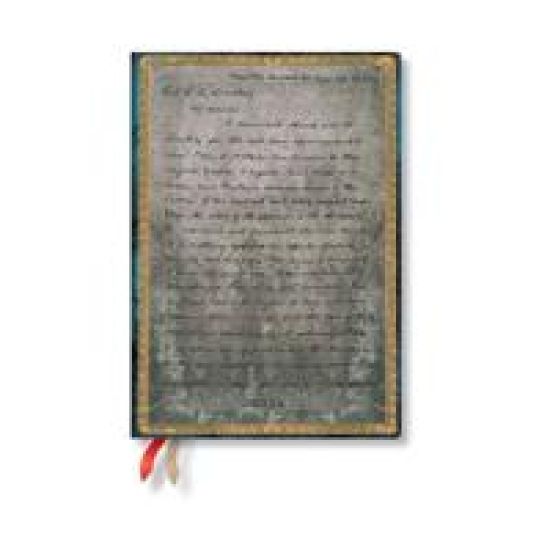
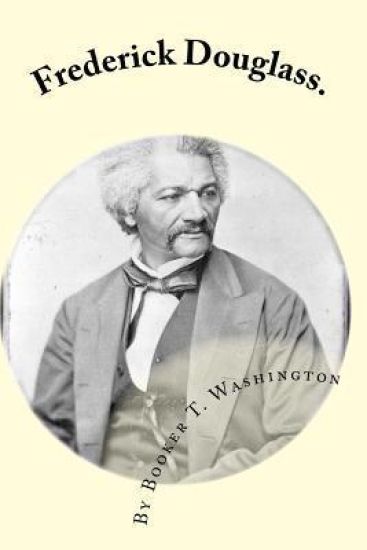
Frederick Douglass (1818–1895) was a former slave who became a leading abolitionist and social reformer. When too ill to continue his speaking engagements, he wrote letters of support for the anti-lynching activist and investigative journalist Ida B. Wells (1862–1931) to take his place. With the letter reproduced here, we celebrate the legacies of Douglass and Wells – two of the most revered leaders in African American history.
Frederick Douglass (1818–1895) was a former slave who became a leading abolitionist and social reformer. When too ill to continue his speaking engagements, he wrote letters of support for the anti-lynching activist and investigative journalist Ida B. Wells (1862–1931) to take his place. With the letter reproduced here, we celebrate the legacies of Douglass and Wells – two of the most revered leaders in African American history.
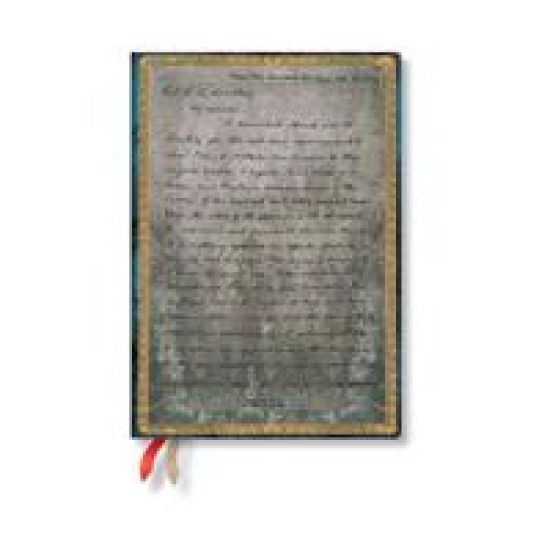
Frederick Douglass was a former slave who became a leading abolitionist and social reformer. When too ill to continue his speaking engagements, he wrote letters of support for the anti-lynching activist Ida B. Wells to take his place. With this journal cover, we celebrate the legacies of two of the most revered leaders in African American history.
Frederick Douglass was a former slave who became a leading abolitionist and social reformer. When too ill to continue his speaking engagements, he wrote letters of support for the anti-lynching activist Ida B. Wells to take his place. With this journal cover, we celebrate the legacies of two of the most revered leaders in African American history.
Frederick Douglass (1818–1895) was a former slave who became a leading abolitionist and social reformer. When too ill to continue his speaking engagements, he wrote letters of support for the anti-lynching activist and investigative journalist Ida B. Wells (1862–1931) to take his place. With the letter reproduced here, we celebrate the legacies of Douglass and Wells – two of the most revered leaders in African American history.
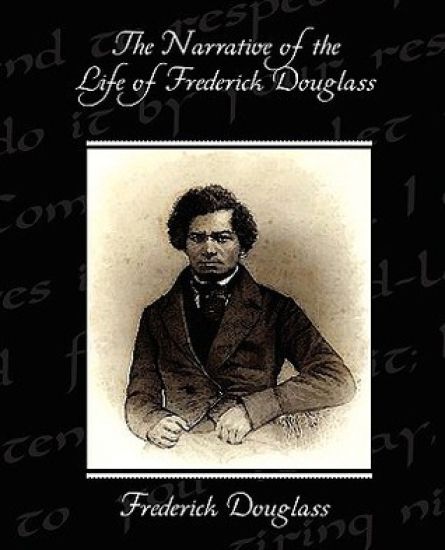
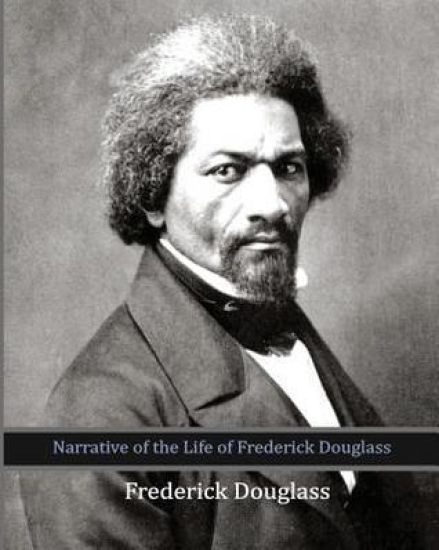
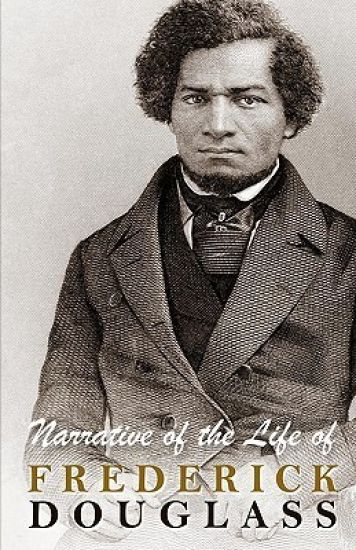
Frederick Douglass (c.1818 1895) was born into slavery but escaped in 1838, quickly becoming involved in the abolitionist movement. Following publication in 1845 of this autobiography he risked recognition and recapture by his owner, and so fled the United States. This reissue is of the Dublin edition of 1845, with a preface by Douglass explaining his reasons for his journey to Britain. Opening with a touching explanation of how he doesn't know his birthday, Douglass describes his early life and the growing awareness of the injustices he suffered. The beatings he witnessed and received himself are described in painful detail. Later, Douglass highlights the hypocrisy of the 'slaveholding religion of this land', condemning it as 'the grossest of libels'. The eloquence of the writing, with an immediacy and honesty found shocking at the time, make this an invaluable first-hand record of one of humanity's most shameful acts.
Frederick Douglass (c.1818 1895) was born into slavery but escaped in 1838, quickly becoming involved in the abolitionist movement. Following publication in 1845 of this autobiography he risked recognition and recapture by his owner, and so fled the United States. This reissue is of the Dublin edition of 1845, with a preface by Douglass explaining his reasons for his journey to Britain. Opening with a touching explanation of how he doesn't know his birthday, Douglass describes his early life and the growing awareness of the injustices he suffered. The beatings he witnessed and received himself are described in painful detail. Later, Douglass highlights the hypocrisy of the 'slaveholding religion of this land', condemning it as 'the grossest of libels'. The eloquence of the writing, with an immediacy and honesty found shocking at the time, make this an invaluable first-hand record of one of humanity's most shameful acts.
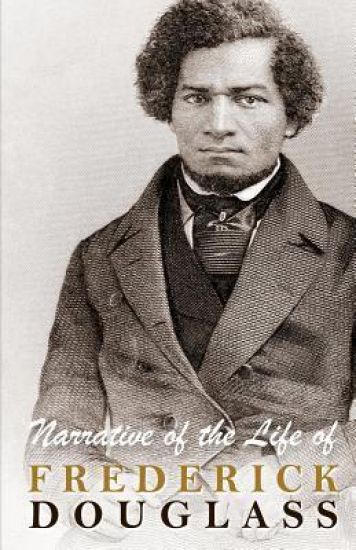
Narrative of the Life of Frederick Douglass is a pioneering account of one man's journey from slavery to freedom. Douglass's powerful autobiography was an instant bestseller upon publication in 1845 and played a fundamental role in the abolition of slavery, a movement that Douglass dedicated his life to. Part of the Macmillan Collector's Library; a series of stunning, clothbound, pocket-sized classics with gold foiled edges and ribbon markers. These beautiful books make perfect gifts or a treat for any book lover. This edition is introduced by Dr. Lydia Plath. Born on a plantation in Maryland, Douglass was sent to Baltimore aged only seven. There, he had the rare opportunity to learn to read, which opened his eyes to the existence of the abolition movement. From then on, he was determined to escape, but first suffered at the hands of harsh masters, thwarted plans and deep-rooted racial prejudice before he saved up enough money to get to New York, where he finally freed himself from slavery.