Kirjojen hintavertailu. Mukana 11 717 486 kirjaa ja 12 kauppaa.

Kirjahaku

Etsi kirjoja tekijän nimen, kirjan nimen tai ISBN:n perusteella.

1000 tulosta hakusanalla Frederick Locker

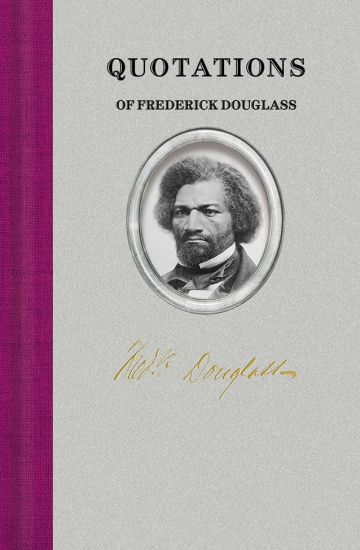
Quotations of Frederick Douglass

Quotations of Frederick Douglass

Frederick Douglass

Applewood Books
2025
sidottu
Notable Quotations from Frederick DouglassThis pocket-sized hardcover book contains dozens of quotations from abolitionist, orator, social reformer and statesman Frederick Douglass."No man can put a chain about the ankle of his fellow man without at last finding the other enfastened about his own neck." --Frederick Douglass, Speech at Civil Rights Mass Meeting, Washington, DC, October 22, 1883

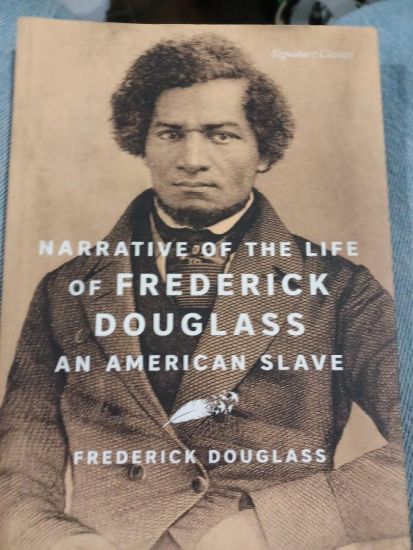
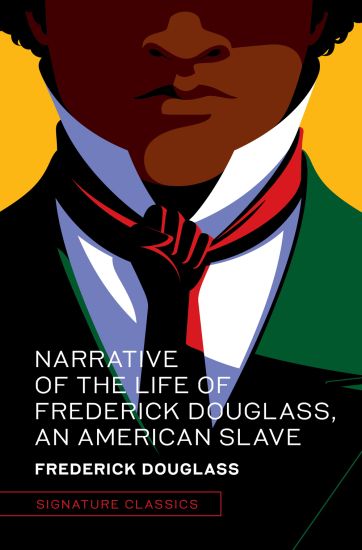
Narrative of the Life of Frederick Douglass, an American Slave
Born on a Maryland plantation, Frederick Douglass—born Frederick Bailey—doesn’t know the year of his birth. Separated from his mother in infancy, he sees her only a few times, always at night, before she dies. At the age of seven or eight, Frederick’s mistress begins teaching him to read, until her furious husband forbids it. Frederick realizes then that reading is his path to freedom, and he determines to run away to the northern United States—whatever the cost. In addition to the original text, this volume also includes 11 selected essays and speeches, among them the famous “What to the Slave Is the Fourth of July?” (1852)
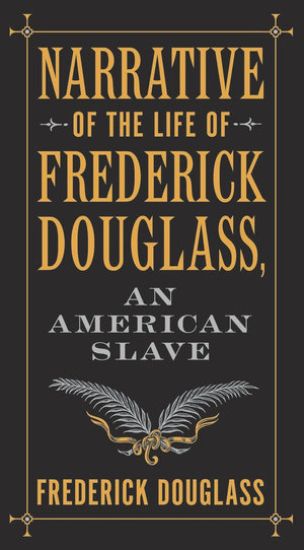
Narrative of the Life of Frederick Douglass, an American Slave
Born on a Maryland plantation, Frederick Douglass—born Frederick Baily—doesn’t know the year of his birth. Separated from his mother in infancy, he sees her only a few times, always at night, before she dies. At the age of seven or eight, Frederick’s mistress starts teaching him to read, until her furious husband forbids it. Frederick realizes then that reading is his path to freedom and determines to run away to the Northern United States—whatever the cost. In addition to the original text, this volume also includes eleven selected essays and speeches, among them the famous “What to the Slave Is the Fourth of July?” (1852)