Kirjojen hintavertailu. Mukana 12 016 292 kirjaa ja 12 kauppaa.

Kirjahaku

Etsi kirjoja tekijän nimen, kirjan nimen tai ISBN:n perusteella.

1000 tulosta hakusanalla Lorna Cook

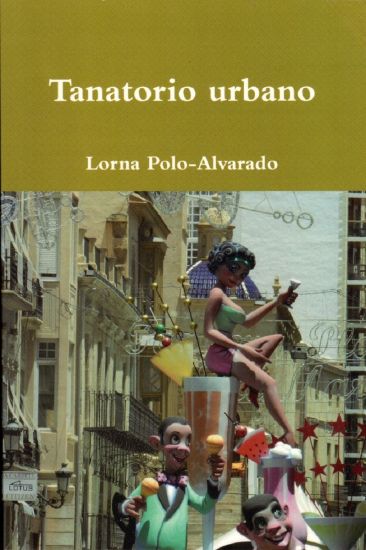
Tanatorio Urbano 2

Tanatorio Urbano 2

Lorna Polo-Alvarado

Lulu.com
2014
nidottu
Como un tanatorio donde son depositados los cadaveres durante las horas previas a su inhumacion o cremacion es esta coleccion de cuentos, donde se recoge el vacio, la soledad y la muerte que perviven en el nucleo de toda ciudad.
Windscale 1957

Windscale 1957

Lorna Arnold; Sir Alan Cottrell

Palgrave Macmillan
1992
nidottu
The aim of this book is to set the 1957 Windscale accident in its historical context in the immediate post-war period and the early days of the Cold War, to describe the event and its consequences and to evaluate it from the vantage point of 1990.
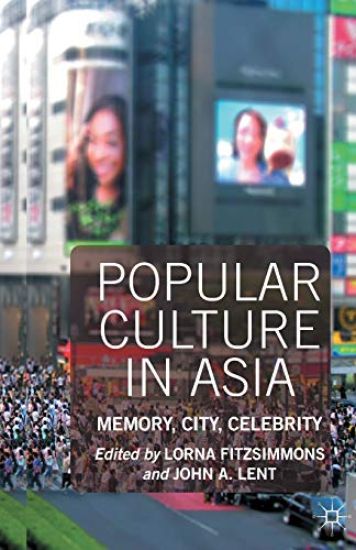
Popular Culture in Asia

Popular Culture in Asia

Lorna Fitzsimmons; John A. Lent

Palgrave Macmillan
2013
nidottu
Popular Culture in Asia consists studies of film, music, architecture, television, and computer-mediated communication in China, Japan, South Korea, Taiwan, the Philippines, Malaysia, and Singapore, addressing three topics: urban modernities; modernity, celebrity, and fan culture; and memory and modernity.
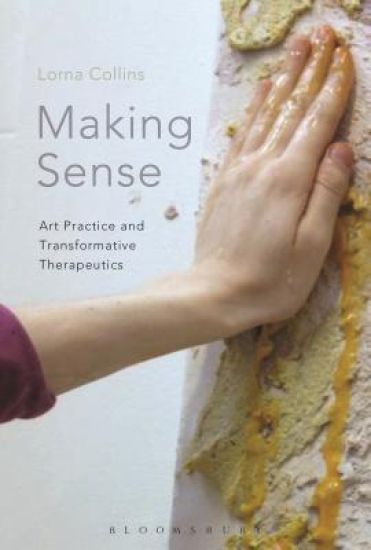
Making Sense

Making Sense

Lorna Collins

Bloomsbury Academic
2016
nidottu
Making Sense utilises art practice as a pro-active way of thinking that helps us to make sense of the world. It does this by developing an applied understanding of how we can use art as a method of healing and as a critical method of research. Drawing from poststructuralist philosophy, psychoanalysis, arts therapies, and the creative processes of a range of contemporary artists, the book appeals to the fields of art theory, the arts therapies, aesthetics and art practice, whilst it opens the regenerative affects of art-making to everyone. It does this by proposing the agency of ‘transformative therapeutics’, which defines how art helps us to make sense of the world, by activating, nourishing and understanding a particular world view or situation therein. The purpose of the book is to question and understand how and why art has this facility and power, and make the creative and healing properties of certain modes of expression widely accessible, practical and useful.
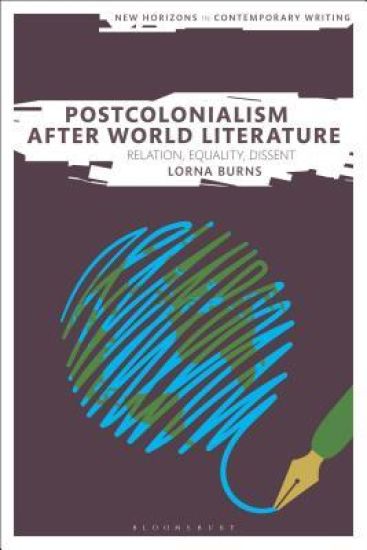
Postcolonialism After World Literature

Postcolonialism After World Literature

Lorna Burns

Bloomsbury Academic
2019
sidottu
Postcolonial studies took shape in response to the nationalist and decolonization movements of the twentieth century. Today, a resurgent interest in world literature reflects an increased awareness of globalization. These twin projects are torn between a criticism that finds in the text the trace of capitalist modernity and one that accounts for the revolutionary potential of literature to challenge our global present. Postcolonialism After World Literature exposes what is at stake in this critical choice through a line of philosophical enquiry – Bruno Latour, Gilles Deleuze, and Jacques Rancière – that poses an alternative to the materialist strand of world literary criticism pioneered by Pascale Casanova and Franco Moretti. Engaging with these theorists and others, Lorna Burns contests world-systems theory as the basis for thinking about contemporary postcolonial and world literatures, and proposes a renewed framework that promotes literature’s capacity to provoke dissent; to imagine new forms of belonging and relation for both national and world citizens; and to stage the shared equality of all. Moving between theory and the novels of Roberto Bolaño, J. M. Coetzee, Kamel Daoud, Dany Laferrière, Pauline Melville, Arundhati Roy and Kamila Shamsie, Postcolonialism After World Literature presents the case for rethinking world literature in light of the legacies of postcolonialism, and for reshaping postcolonial studies in an era of world literature. Lorna Burns is Lecturer in Postcolonial Literatures at the University of St Andrews, UK. She is the author of Contemporary Caribbean Writing and Deleuze (Bloomsbury, 2012).
Postcolonialism After World Literature

Postcolonialism After World Literature

Lorna Burns

Bloomsbury Academic
2020
nidottu
Postcolonial studies took shape in response to the nationalist and decolonization movements of the twentieth century. Today, a resurgent interest in world literature reflects an increased awareness of globalization. These twin projects are torn between a criticism that finds in the text the trace of capitalist modernity and one that accounts for the revolutionary potential of literature to challenge our global present. Postcolonialism After World Literature exposes what is at stake in this critical choice through a line of philosophical enquiry – Bruno Latour, Gilles Deleuze, and Jacques Rancière – that poses an alternative to the materialist strand of world literary criticism pioneered by Pascale Casanova and Franco Moretti. Engaging with these theorists and others, Lorna Burns contests world-systems theory as the basis for thinking about contemporary postcolonial and world literatures, and proposes a renewed framework that promotes literature’s capacity to provoke dissent; to imagine new forms of belonging and relation for both national and world citizens; and to stage the shared equality of all. Moving between theory and the novels of Roberto Bolaño, J. M. Coetzee, Kamel Daoud, Dany Laferrière, Pauline Melville, Arundhati Roy and Kamila Shamsie, Postcolonialism After World Literature presents the case for rethinking world literature in light of the legacies of postcolonialism, and for reshaping postcolonial studies in an era of world literature. Lorna Burns is Lecturer in Postcolonial Literatures at the University of St Andrews, UK. She is the author of Contemporary Caribbean Writing and Deleuze (Bloomsbury, 2012).
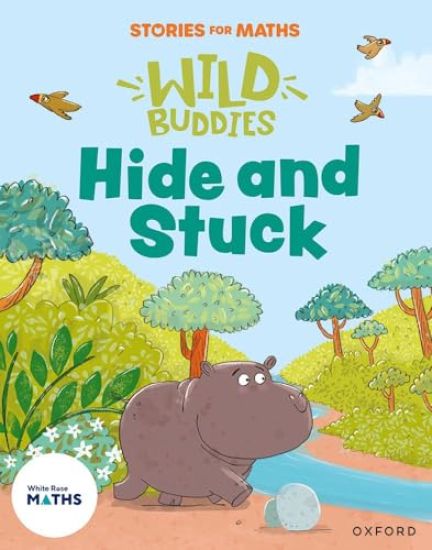
Stories for Maths: Hide and Stuck

Stories for Maths: Hide and Stuck

Lorna Greengrass

Oxford University Press
2025
pokkari
Herb is playing a game of hide and seek with his friends. They've done an excellent job hiding. Herb eventually manages to find his friends, all except Jazz. Where can she be? Stories for Maths helps develop maths success through the power of story.
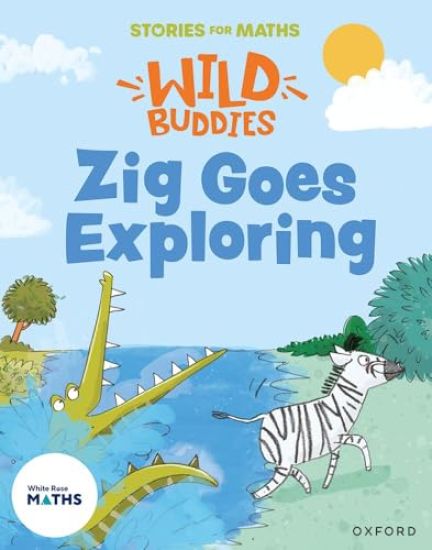
Stories for Maths: Zig Goes Exploring

Stories for Maths: Zig Goes Exploring

Lorna Greengrass

Oxford University Press
2025
pokkari
Zig the zebra joins his sister Jazz when she goes exploring. Their adventure takes them deep into the forest on the other side of the river. What is hiding in the forest and will they get away? Stories for Maths helps develop maths success through the power of story.
Stories for Maths: The Raft Race

Stories for Maths: The Raft Race

Lorna Greengrass

Oxford University Press
2025
pokkari
Gus and his friends are taking part in a raft race against a team of animals from the other side of the river. As they line up at the start, both teams want to win. One team takes a very early lead, but who will cross the finish line first? Stories for Maths helps develop maths success through the power of story.
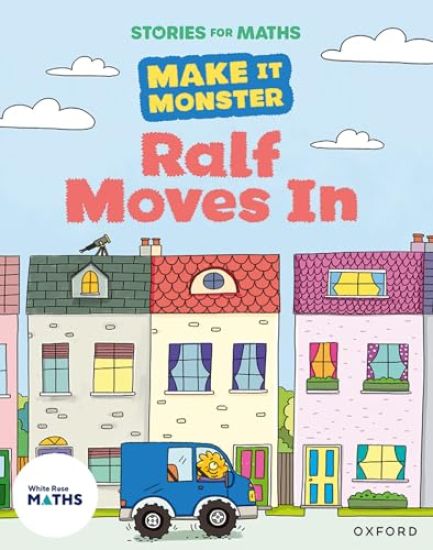
Stories for Maths: KS1: Ralf Moves In (Place value (within 10))
Ralf is excited to move into his new home on Make It Street. He would like to meet his new neighbours, but when he greets them, the monsters seem too busy to talk to him. Then he gets a surprise. This book aligns with White Rose Maths for Year 1, Place value (within 10), Step 11. Fewer, more, same, and Step 12. Less than, greater than, equal to.
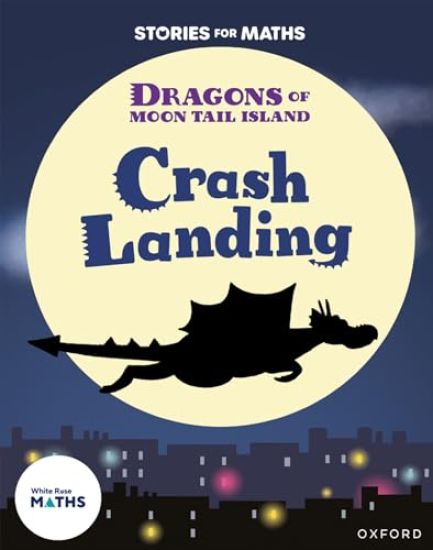
Stories for Maths: KS1: Crash Landing (Place value)

Stories for Maths: KS1: Crash Landing (Place value)

Lorna Greengrass

Oxford University Press
2025
pokkari
Nadia discovers Ember, a dragon from Moon Tail Island, in her dadâ??s workshop. Ember is fascinated by the human world and Nadia is fascinated by dragons! The two become friends. But first, they need to tidy up the workshop â?¦This book aligns with White Rose Maths for Year 2, Place value, Step 2. Counting objects to 100 by making 10s.
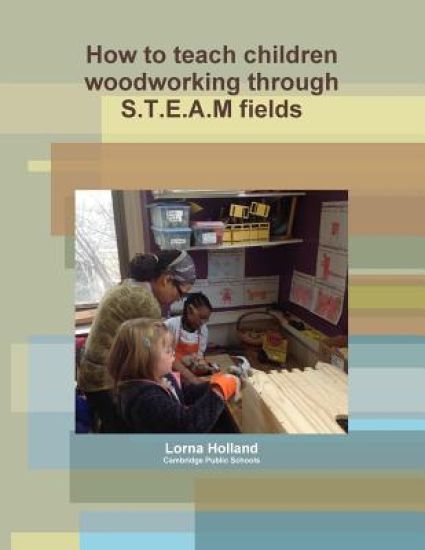
How to teach children woodworking through S.T.E.A.M fields
THIS IS A BOOK ABOUT HOW TO TEACH WOODWORKING TO YOUNG LEARNERS THAT INCLUDES STEAM FIELDS. STEAM fields is a acronym for the fields of study in the categories of science, technology, engineering, art, and mathematics. STEAM represents a shift from traditional education philosophy based on standardized test scores, to a current day world which focuses on valuing the learning process. Deron Cameron former UPES Principal-US's 1st STEAM Certified School.
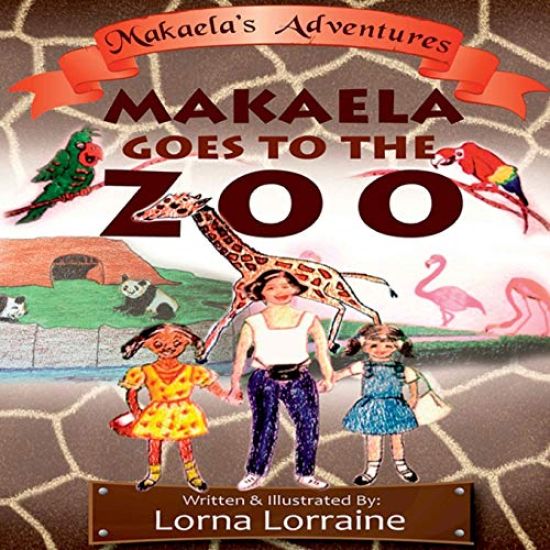
Makaela goes to the zoo

Makaela goes to the zoo

Lorna Lorraine

Lulu.com
2011
pokkari
This book is the second in a series of Makaela's Adventures. In this title, Makaela visits the zoo where she learns about different animals. She is joined by her new friend, Mi-Young, who is from Korea. This engaging story is suitable for children in Grades one and two. It is designed to foster a love of reading in children.
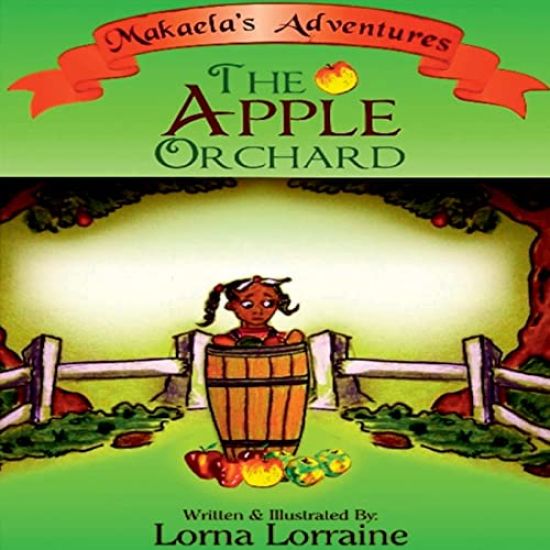
Makaela goes to the orchard

Makaela goes to the orchard

Lorna Lorraine

Lulu.com
2011
pokkari
This book is the first in a series of Makaela's Adventures. In this title, Makaela visits an apple orchard where she meets Farmer Macintosh. He teaches her about different apple varieties, and she also meets several farm animals. This engaging story is suitable for children in Grades one and two. It is designed to foster a love of reading in children.
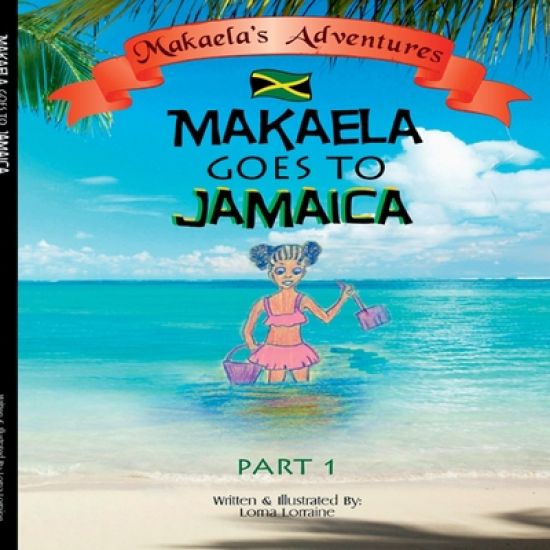
Makaela goes to Jamaica Part 1

Makaela goes to Jamaica Part 1

Lorna Lorraine

Lulu.com
2019
nidottu
This book is Part 1 in the third of the series of Makaela's Adventures. In this title, Makaela goes on a trip to Jamaica where she learns to speak some "patois" (Jamaican dialect), visits the beach, plays with cousins, learns new games, and eats some new foods. This engaging story is suitable for children in Grades one and two. It is designed to foster a love of reading in children.
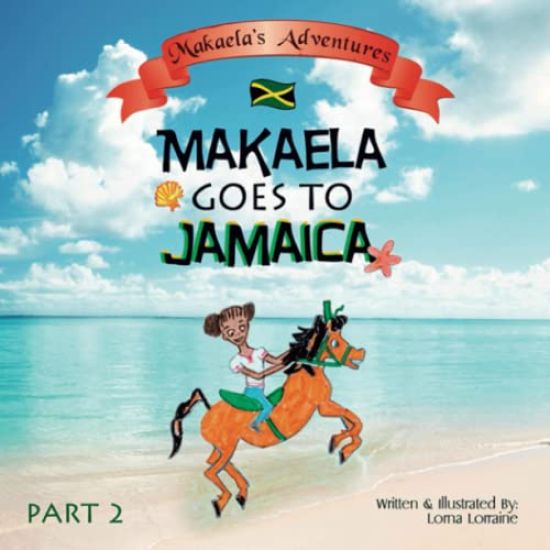
Makaela goes to Jamaica Part 2

Makaela goes to Jamaica Part 2

Lorna Lorraine

Lulu.com
2014
pokkari
This book is Part 2 in the third of the series in Makaela's Adventures. In this title, Makaela goes on a trip to Jamaica where she learns to speak some "patois" (Jamaican dialect), visits the beach, plays with cousins, learns new games, and eats some new foods. This engaging story is suitable for children in Grades one and two. It is designed to foster a love of reading in children.