Kirjahaku
Etsi kirjoja tekijän nimen, kirjan nimen tai ISBN:n perusteella.
1000 tulosta hakusanalla Maria Ward

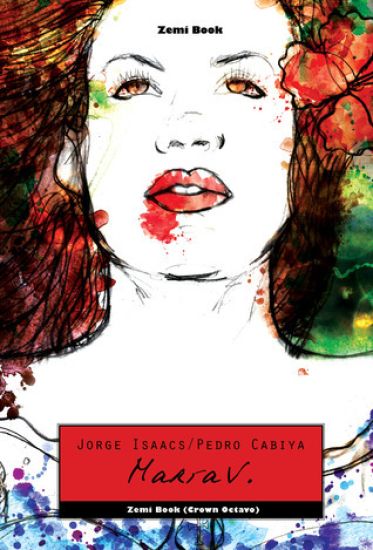
María V.: El Clásico Romance Latinoamericano Del Siglo XIX - Ahora Con Brutalidad Caníbal
Jorge Isaacs; Pedro Cabiya
Createspace Independent Publishing Platform
2013
nidottu
La historia del casto y tr gico idilio entre Mar a y su primo Efra n transcurre en las el seas vegas de la hacienda familiar, en el Valle del Cauca, ante la mirada y cari osa supervisi n de amorosos parientes. Pero la energ a que los novios no parecen estar dispuestos a invertir evadiendo a sus chaperones, la deben utilizar para combatir las huestes de los dementes y voraces Indeseables, alados engendros sedientos de sangre que asedian su latifundio, v ctimas de una Plaga que amenaza con borrar la civilizaci n humana, la cristiana fe y las buenas costumbres. Con el humor, la imaginaci n y la destreza de cirujano que distinguen su prosa calculada y certera, Cabiya se apropia del m s grande cl sico latinoamericano del siglo XIX y lo transforma en la sangrienta carnicer a que todos hubi ramos preferido leer en el sal n de clases.Ilustrado por Paolat Cruz.

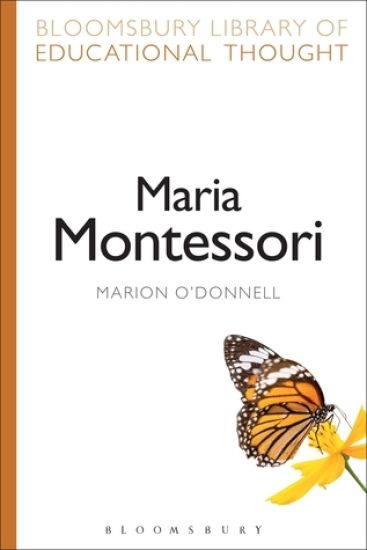
Maria Montessori’s work and thinking form a unique legacy to current educational thinking and practice. In this text, Marion O’Donnell explores the key themes of her philosophy of education and explores the relevance of Montessori practices today. In a thorough survey and synthesis of Montessori’s thinking and work, this text examines the key aspects of Montessori education: child development; the learning environment; the role of the teacher; the role of the learner and parental involvement. Within each key aspect, the author considers the implications for Montessori education and the views of critics and supporters, demonstrating their relevance to the demands of an education system within today’s modern society.
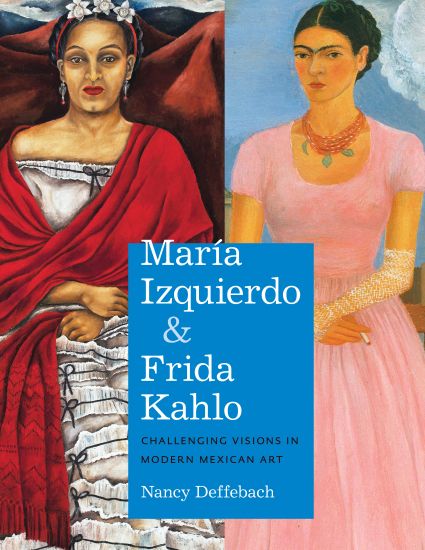
María Izquierdo (1902–1955) and Frida Kahlo (1907–1954) were the first two Mexican women artists to achieve international recognition. During the height of the Mexican muralist movement, they established successful careers as easel painters and created work that has become an integral part of Mexican modernism. Although the iconic Kahlo is now more famous, the two artists had comparable reputations during their lives. Both were regularly included in major exhibitions of Mexican art, and they were invariably the only women chosen for the most important professional activities and honors.In a deeply informed study that prioritizes critical analysis over biographical interpretation, Nancy Deffebach places Kahlo’s and Izquierdo’s oeuvres in their cultural context, examining the ways in which the artists participated in the national and artistic discourses of postrevolutionary Mexico. Through iconographic analysis of paintings and themes within each artist’s oeuvre, Deffebach discusses how the artists engaged intellectually with the issues and ideas of their era, especially Mexican national identity and the role of women in society. In a time when Mexican artistic and national discourses associated the nation with masculinity, Izquierdo and Kahlo created images of women that deconstructed gender roles, critiqued the status quo, and presented more empowering alternatives for women. Deffebach demonstrates that, paradoxically, Kahlo and Izquierdo became the most successful Mexican women artists of the modernist period while most directly challenging the prevailing ideas about gender and what constitutes important art.
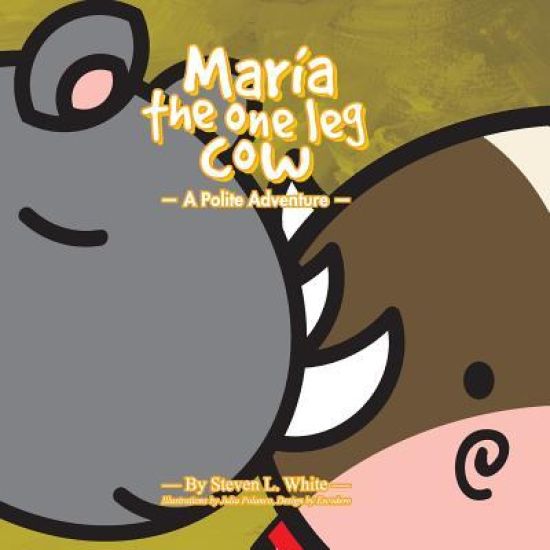
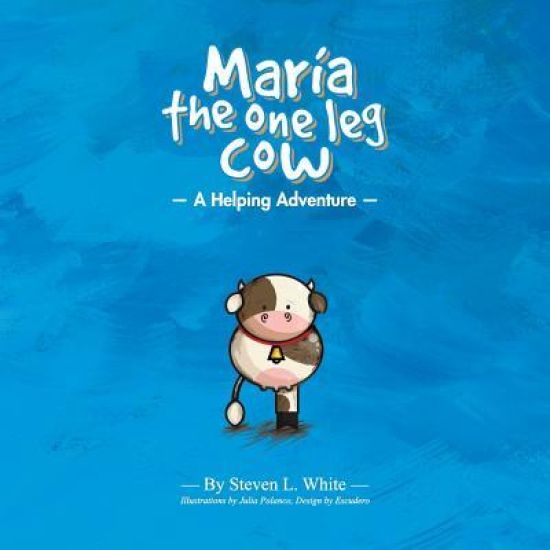
Maria The One Leg Cow: A Polite Story is a boldly colorful, interactive book about helping and not being rude. Children ages four to seven years will love learning from the adventures of Maria and her friends. Author Steven L. White got his ideas for this book, as well as for the rest of his series of books offering advice to young children, through volunteering at a local elementary school. He plans to donate some of the proceeds from the sale of Maria The One Leg Cow to a cancer institution.