Kirjahaku
Etsi kirjoja tekijän nimen, kirjan nimen tai ISBN:n perusteella.
500 tulosta hakusanalla Pullman-B

Reprint of the original, first published in 1883.
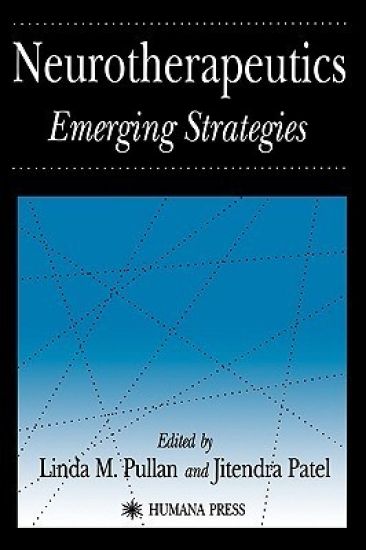
Neuroscience's inherent complexity and rapid growth mean that no one can keep abreast of all the changes across the field. We each bring a necessarily narrow perspective. Neurotherapeutics: Emerg ing Strategies is an attempt to provide some diverse perspectives within the hunt for new drugs to treat central nervous system diseases. The book's premise is that the search for new drugs is based on an understanding ofboth clinical and basic sciences. Neurotherapeu tics: Emerging Strategies begins with psychiatry and concludes with neurological disorders. Each chapter examines a disease, including clinical features and existing treatments, but the emphasis is on current concepts of underlying causes and novel strategies for drug discovery arising from these possible mechanisms. Participating authors include basic neuroscientists, industry-based pharmacolo gists and chemists, and clinicians. The chapters describe the status of the existing disease treat ments, and when treatments are lacking, the approach is more basic science oriented. When there is a long history of treatment, there is greater emphasis on those therapies. However, all the chapters seem to reflect the benefits of cloning, since the availability of receptor subtypes now promises the opportunity for greater specificity of drug effects. Modulation of second messengers is another new and recur ring theme. And in the chapter on cachexia, cytokines are explored both as drugs and drug targets. Neurotherapeutics: Emerging Strategies reflects the complex ity of the nervous system, but the overriding message is hope for new and better drugs to treat those diseases that rob us of ourselves.
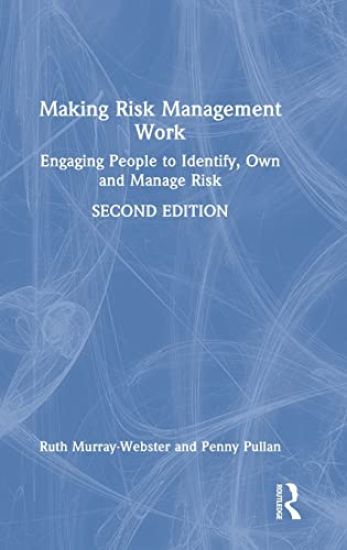
Making risk management work means engaging people to identify, own and manage risk. Many organisations have spent considerable time and money setting up risk frameworks, processes, and supporting tools, but these have failed to deliver value. Instead, they should focus on the people.Bringing together the expertise of Ruth Murray-Webster in the human aspects of risk management and Penny Pullan’s deep expertise in facilitation, creative collaboration, and virtual leadership, this book provides tried and tested approaches to make each process step work well within the context of your own organisation and serves as a guide as to how to work effectively with groups. By translating a highly technical and complex subject into an easy-to-follow guide, this book goes beyond ‘tick-box’ approaches and provides top tips on how to engage others in developing risk management solutions and how to avoid many of the common pitfalls. This new edition includes two brand new chapters, one taking a deeper dive into the common decision-biases among groups in organisations, and one looking at remote and hybrid ways of communication and facilitation.If you are involved in trying to make risk management work, whatever the context, this book will provide you with support and practical advice, in an approachable way, supported by real-life examples and memorable illustrations.
This book, "The Gospels", by L. Pullan, is a replication of a book originally published before 1912. It has been restored by human beings, page by page, so that you may enjoy it in a form as close to the original as possible. This book was created using print-on-demand technology. Thank you for supporting classic literature.
Neuroscience's inherent complexity and rapid growth mean that no one can keep abreast of all the changes across the field. We each bring a necessarily narrow perspective. Neurotherapeutics: Emerg ing Strategies is an attempt to provide some diverse perspectives within the hunt for new drugs to treat central nervous system diseases. The book's premise is that the search for new drugs is based on an understanding ofboth clinical and basic sciences. Neurotherapeu tics: Emerging Strategies begins with psychiatry and concludes with neurological disorders. Each chapter examines a disease, including clinical features and existing treatments, but the emphasis is on current concepts of underlying causes and novel strategies for drug discovery arising from these possible mechanisms. Participating authors include basic neuroscientists, industry-based pharmacolo gists and chemists, and clinicians. The chapters describe the status of the existing disease treat ments, and when treatments are lacking, the approach is more basic science oriented. When there is a long history of treatment, there is greater emphasis on those therapies. However, all the chapters seem to reflect the benefits of cloning, since the availability of receptor subtypes now promises the opportunity for greater specificity of drug effects. Modulation of second messengers is another new and recur ring theme. And in the chapter on cachexia, cytokines are explored both as drugs and drug targets. Neurotherapeutics: Emerging Strategies reflects the complex ity of the nervous system, but the overriding message is hope for new and better drugs to treat those diseases that rob us of ourselves.
Flashing Steel, 25th Anniversary Memorial Edition
Masayuki Shimabukuro; Leonard Pellman
North Atlantic Books,U.S.
2020
nidottu
Revised and updated, the classic guide to the techniques, philosophy, and applications of iaijutsu--the art of self-defense with the Japanese sword. The 25th anniversary edition of the best-selling, highly acclaimed classic Flashing Steel introduces updated techniques, drills, and practices for students and practitioners of iaijutsu (or iaido). This complete essential resource on the Japanese sword arts expands on the two previous editions with additional practices, deep attention to foundational elements, and practical techniques--including 55 ways of deploying a samurai sword in self-defense. Expanded and revised, the memorial edition of Flashing Steel includes updates on promotion guidelines, tournaments, extended series of solo quick-draw exercises, and more, plus two added sets of solo techniques and three added sets of partner exercises to develop timing, distance control, angles of attack and defense, mental focus, and attitude. It provides a deep survey of fundamentals like training progression, preparation, etiquette, and proper sword nomenclature. Students will learn realistic defense and attack scenarios with wider applications to martial arts like kendo and aikido, while absorbing the philosophical tenets that inform and infuse the warrior's life with meaning and fulfillment. Organized into 23 chapters with black and white photographs throughout, this anniversary edition also includes an expanded history of iaijutsu, and an updated biography and tribute to the late Masayuki Shimabukuro, with personal anecdotes from the making of Flashing Steel that reveal his life and character.
In a modern world where technology is taking over our lives, could we lead an essential, simple life without electricity? How can we get by without computers, power tools, phones, or even basics such as electric lights and appliances? The answers lie in Amish communities and other Old Order groups in the United States, Canada, and Mexico that have been living lives off the grid while still affording to be self-sufficient for countless years.Living Without Electricity examines the Amish response to technology and shows us why and how they live without inventions other people take for granted. Taking lessons from the Amish, learn how to light a room without electricity, keep warm without centralized heating, get around without a car, communicate without a phone, and others. In addition, take Amish instruction on how to cook and store food, pump water, wash clothes, and even run farms and businesses, all while off the electric grid. Reconsider the basic necessities of your life, and you might decide to orientate yourself toward a self-sufficient life without electricity.
Considered by many to be the final and crowning work of the patristic age, St John of Damascus' On the Orthodox Faith addresses all the major areas of Christian belief: Trinitarian theology, Christology, soteriology, the sacraments, the veneration of icons, saints, and relics, and much more. This new translation by Norman Russell includes a helpful introduction discussing the origin and reception of the text. This diglot edition, reproducing the critical Greek text on the facing page, is sure to become the standard and classic edition of this central and important patristic work.
Rambles, Roamings And Recollections (1870)
John Trotandot; George Philip Rigney Pulman

KESSINGER PUBLISHING CO
2009
pokkari
Karate as the Art of Killing
Masayuki Shimabukuro; Leonard J. Pellman
NORTH ATLANTIC BOOKS,U.S.
2022
nidottu
Grounded in a comprehensive overview of the philosophical and spiritual foundations that underlie karate, The Art of Killing emphasizes its original purpose: to kill an attacker swiftly and brutally. Prior to 1900, karate-dō was exclusively an art of unarmed self-defense. Its practice was designed for life-or-death situations--effectively, an art of killing. Here, authors Leonard Pellman and the late Shimabukuru Masayuki restore karate to its original intent. They move karate away from its popular modern-day sporting applications back to its deadly origins---and to the restraining philosophy of peace, self-sacrifice, compassion, and service to others that necessarily accompanied it. With chapters on kokoro (heart, mind, and spirit), ki (spirit and energy), and the seven major precepts of bushidō, The Art of Killing shows readers that the lethal art of karate is more than a method of bringing an enemy down--it's a philosophical and spiritual system grounded in essential lessons to guard against abuses of power. This book does not contain detailed instruction in killing methods, but it does showcase the deadly power of karate--and explain why purity of intentions matters, and how compassion and respect are the essence of karate training. Readers will learn: - The purpose and meaning of karate-dō - The origins and major precepts of bushidō - Training methods, preparation, and etiquette - Fundamentals, spiritual power, training patterns, and analysis and application of kata - About the body as a weapon
Demonstrating Your Competence
Ruth Chambers; Gill Wakley; Alistair Pullan
Radcliffe Publishing Ltd
1997
nidottu
This volume, focusing on breast cancer, is part of a survey of health care needs for specific conditions, published on behalf of the Department of Health. This study overall considers questions such as the population's needs, the services available or unavailable to them, the effectiveness of these services, and other perspectives in disease and service areas. This is the second series of needs assessment reviews.
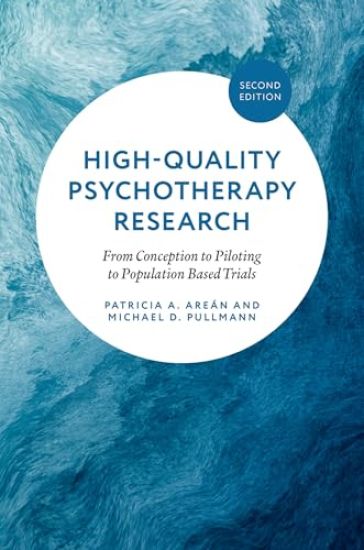
High-Quality Psychosocial Interventions Research
Patricia A. Areán; Michael D. Pullmann
OXFORD UNIVERSITY PRESS INC
2026
sidottu
High Quality Psychosocial Interventions Research is the second edition of the book High Quality Psychotherapy Research, written by Drs. Patricia Areán and Helena Kraemer. Like the original book, this fully updated version serves as a comprehensive primer on the clinical trial research pipeline as it applies to psychosocial interventions. It is meant to serve alongside other works that delve into the theory of research methods and the conduct of data analysis to be the "how-to" book for running a clinical trial and the guide for planning a course of investigation into a psychosocial intervention. The book provides a step-by-step process for investigators to follow, discussing the daily conduct of these studies and common concerns, such as how to write a treatment manual, manage your study team, recruit participants, and finance and cost your trial. Arean and Pullman offer practical, hard-earned lessons of conducting clinical trials for psychosocial interventions--the kind of insights rarely taught in classrooms but often gained through mentorship, hands-on experience, and trial and error. The book delves into the ins and outs of different clinical trials, from proof of concept to large scale digitally remote trials and explains the purpose of each trial type. High Quality Psychosocial Interventions Research aims to provide something of value for researchers at all stages of their careers.
The Vade mecum of Fly Fishing For Trout: A Complete Treatise on the Art of Angling and the Manufacture of Artificial Flies
G. P. R. Pulman
Createspace Independent Publishing Platform
2017
nidottu
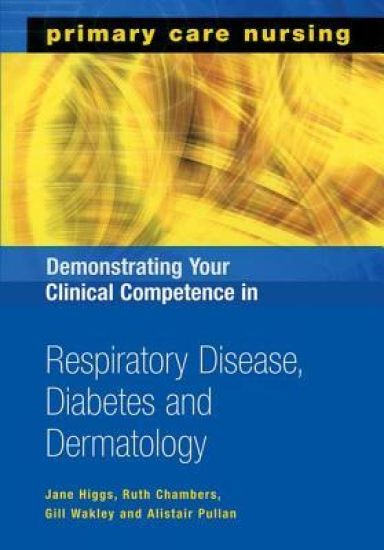
Demonstrating Your Clinical Competence in Respiratory Disease, Diabetes and Dermatology
Jane Higgs; Ruth Chambers; Gill Wakley; Alistair Pullan

Radcliffe Publishing Ltd
1998
sidottu
Evidence-based medicine draws on terminology used in biostatistics epidemiology health economics philosophy ethics logic and the social sciences. In this unique compendium the author defines the common terms used in evidence-based medicine and provides useful notes and references to help the reader understand this terminology and explore further if necessary. The book explains statistical formulae commonly used in evidence-based medicine. It is ideal for doctors nurses and pharmacists who are not familiar with statistical terms and statisticians and health economists who are not familiar with pharmaceutical or clinical terminology. The definitions explanatory notes and references are clear and easily understandable.